
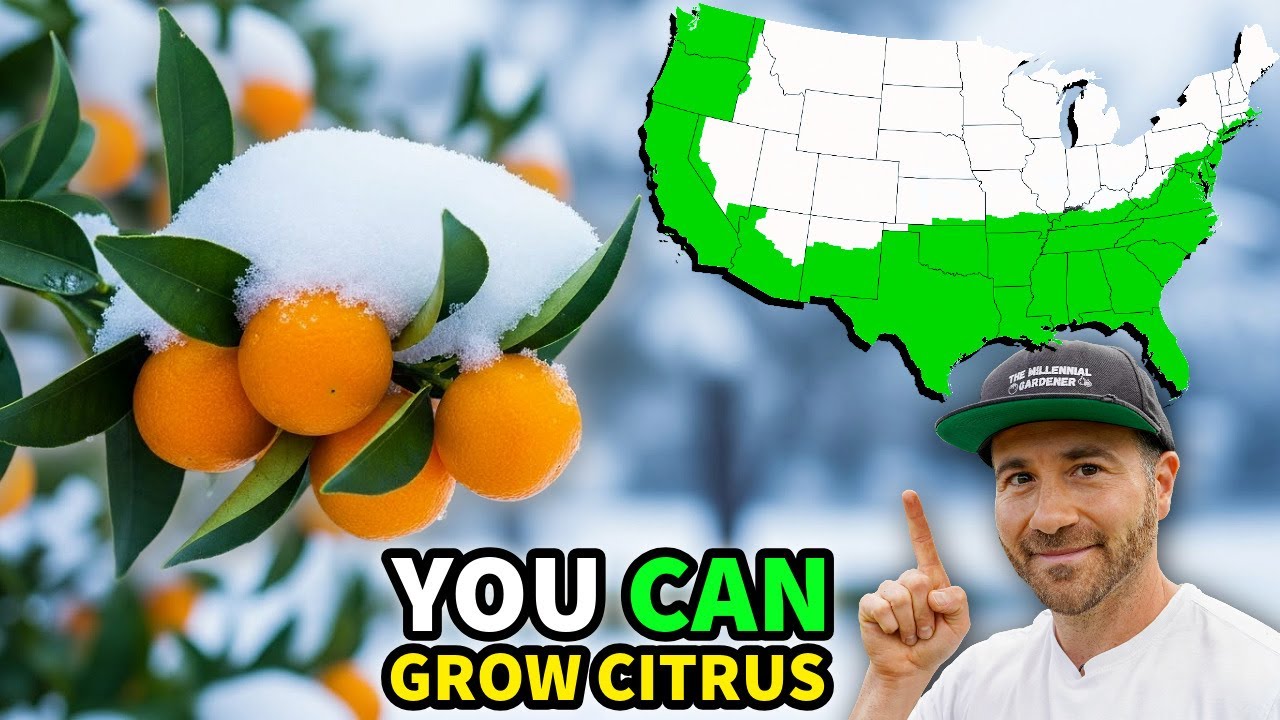
Looking to bring vibrant, zesty citrus into your garden, even in colder climates? You’re in the right place. In this guide, you’ll discover 12 expert-recommended cold-hardy citrus varieties that you can genuinely grow yourself, adding a touch of sunshine and flavor to your outdoor space.
Introduction
Imagine a citrus grove right in your backyard, where lemons, limes, and oranges flourish amidst frost-kissed mornings and chilly winter nights. Sounds like a lush tropical dream, right? Well, brace yourself—growing citrus trees in climates traditionally deemed too cold isn’t just a whimsical fantasy; it’s increasingly a reality with the right varieties and a bit of garden ingenuity. The promise of tangy, fragrant fruit isn’t reserved for paradise islands or southern states anymore. No, in the curious world of gardening, even Zone 6 or colder regions are cracking open the citrus umbrella—what once looked like sunshine out of reach now becomes within arm’s length.
Of course, no magic spell is required—just a dash of know-how, some clever protection techniques, and a sprightly sense of hope. Think your climate is too cold? Think again! With expert-approved cold-hardy citrus varieties, your backyard could turn into a veritable orchard, punctuated by the shimmering glow of outdoor lights and the warm embrace of protective blankets. As we explore these hardy heroes of the citrus world, remember: a frosty forecast isn’t a garden death sentence—it’s an invitation to innovate, insulate, and perhaps redefine what “growing citrus” really means.
So, whether you’re a seasoned gardener looking to expand your fruit repertoire or a hopeful novice dreaming of sun-ripened lemons outside the traditional citrus belt, this guide is your new best friend. Ready to discover the citrus varieties that defy the cold? Buckle up—your frosty adventure starts right here.
The Magic of Cold-Hardy Citrus Varieties
Cold-hardy citrus trees are the botanical equivalent of finding a woolly mammoth in a snowstorm—they’re resilient, surprising, and a little bit rebellious. While standard orange or lemon trees might pack their bags at the sight of a freeze warning, these specially selected varieties shrug off the chill with a “bring it on” attitude. Think of them as the underdog heroes of the citrus world, proving that location isn’t destiny—just a challenge waiting to be overcome.
Among the roster of these winter-tough contenders, certain varieties stand out with their remarkable stamina and flavor profiles. The trifecta often includes varieties like Meyer lemons, which are slightly more forgiving than their Mediterranean cousins, or the hardy ‘Flying Dragon’ citrons that can handle a frost or two. But it’s not just about survival; it’s about thriving—delivering juicy fruit that tastes like summer’s secret sauce even when snowflakes fall outside. These cold-hardy citrus trees aren’t just miracles of breeding; they’re symbols of perseverance for any gardener daring to challenge the climate.
The beauty of planting these resilient varieties lies in their versatility—they can be grown in the ground with some protection, or potted and brought indoors during the coldest nights. And the cherry on top? Their dynamic adaptation often leads to better flavor, reduced pest issues, and a joy that makes every frostbitten morning worth the effort. Learning to cultivate them turns your garden into a sanctuary of citrus resilience, where cold snaps are just hurdles—and not the finish line.
Recommended Variants That Can Handle Sub-Zero Temperatures
Numerous citrus cultivars walk the line between tender and tough, armed with genetic resilience that defies the usual frost expectations. The ‘Improved Meyer’ lemon, known for its sweet, less acidic flavor, has gained notoriety for tolerating chilly weather better than most. Then there’s the ‘Satsuma’ mandarin, a sweet, seedless soother that refuses to bow to temperatures hovering around the freezing mark. For those craving a tangy twist, the ‘Yuzu’—a Japanese citrus beloved in culinary circles—also makes a surprisingly hardy appearance, often thriving where other citrus would surrender.
Tapping into the universe of cold-hardy citrus involves more than just picking a name. It’s about understanding the specific needs of each variety—how much protection they require, their ideal soil conditions, and the climate nuances that influence their growth. Some of these varieties perform brilliantly when planted in microclimates, nestled against south-facing walls or protected by strategic landscaping. With patience and attentive care, even the most petrified gardener can coax these hardy trees to produce loads of fragrant fruit, making the endeavor not just worthwhile but rewarding.
The beauty of these varieties is their adaptability. In colder zones, they often thrive with a bit of help—such as using row covers, plant jackets, or outdoor lighting to boost warmth during severe cold snaps. The key is in knowing you don’t have to give up on citrus farming just because your frost date is approaching. Instead, you learn the art of protection, making cold-weather citrus cultivation a satisfying puzzle with a fruity payoff.
Growing Citrus in Cold Climates: Techniques and Tips
Turning your frosty garden into a citrus sanctuary isn’t as simple as planting a seed and waiting—unless you’re feeling particularly optimistic. It’s about mastering a handful of tried-and-true techniques that transform your garden from a cold-prone wasteland into a winter-proof citrus paradise. Think of each method as a cozy winter coat for your trees: necessary, effective, and sometimes a little bit stylish.
Protection is paramount. Using row covers composed of lightweight but insulating materials can fortify your trees against frost without suffocating them. The trick? choosing the right thickness—too heavy, and you risk suffocation; too light, and the cold breeze slips right through. For especially cold nights, plant jackets—fabric wraps that act like thermal pajamas—can be wrapped snugly around trunks and branches. Coupled with the warm glow of outdoor lighting, such as C9 incandescent bulbs, you create a little microclimate that whispers, ‘You shall not freeze.’
Implementing a layered approach—combining physical barriers, strategic placement, and supplemental heat—can turn even the most skeptical backyard into a citrus haven. Smarthome garden tech, like sensors and smart outlets, make managing nighttime protection effortless, turning cold-proofing from a dreaded chore into a high-tech adventure. In this dance of insulation and innovation, patience and persistence blossom into fruit, quite literally. With each season, your knowledge deepens, and the harsh winter nights become just a background hum for your lush, citrus-filled days.
Practical Strategies to Keep Your Citrus Warm
Insulation isn’t just about tossing a blanket over your trees—it’s a carefully orchestrated symphony of materials and timing. Starting with row covers, you can choose between different weights depending on how fierce the cold is forecasted to be. Lightweight, spun-bonded fabric can shield against frost without overheating the tree during mild cold snaps, while heavier covers are reserved for those particularly beastly nights. Wrapping trunks and branches with plant jackets made of breathable, insulating fabric ensures that heat isn’t lost directly from the plant tissues, acting as a thermal buffer that keeps your citrus cozy.
Lighting plays a surprising role in winter protection. Strategically strung outdoor incandescent C9 bulbs can add just enough warmth and daylight extension, making your garden look festive while giving your trees a boost. It’s an inexpensive yet effective way to ward off the worst of the cold, especially if combined with the use of reflective mulches or garden fabrics. And for a more modern approach, smart garden outlets and timers automate these protections, so you don’t wake up to frozen citrus just because you forgot to turn on the heater.
In the end, safeguarding your citrus trees in winter isn’t about heroic effort; it’s about consistency, ingenuity, and a touch of patience. Every layer of protection, every ounce of insulation, is a testament to your stubborn optimism—proof that with a little planning, your garden can flourish even in regions where Jack Frost is the official mascot.
Best Practices for Soil, Fertilizer, and Pruning
A healthy citrus tree starts from the ground up—quite literally. Because root systems are the unsung heroes of plant resilience, fostering a robust and well-drained soil environment is your first step toward winter success. Think of your soil as a cozy, well-ventilated bed that promotes strong roots and prevents waterlogging—which can spell disaster during cold spells. Amend your garden soil with organic compost and trace minerals, nurturing a thriving microbial community that feeds your citrus from beneath and builds resilience against the vagaries of winter.
Fertilizing is equally crucial; it’s what keeps your trees lively and vigorous, ready to withstand cold stress. Rich, organic options like fish fertilizer, bone meal, and mineral supplements not only supply essential nutrients but also stimulate root growth, which in turn improves cold tolerance. Timing is critical—applying these feeds during the early spring and late summer helps build a strong foundation and provides necessary nutrients during the cooler months when growth naturally slows. Proper fertilization acts as an internal shield, helping your citrus stand tall when external conditions threaten to get prickly.
Pruning is your garden’s tune-up—removing dead or weak branches, and shaping the plant to optimize sunlight and airflow. Sharp Japanese pruning shears and pull saws make clean cuts that promote healthy regrowth, reducing vulnerability to cold damage and wind. Cutting back overly dense branches creates an open canopy, allowing warmth and light to penetrate deeper into the tree’s core. These little acts of horticultural TLC don’t just keep your citrus healthy—they prepare them to brave the winter with a certain irreverent resilience, turning your garden into a sanctuary of hardy beauty.
Resources and Community Support
No citrus gardener is an island; success often depends on knowing the right sources and connecting with others who share your frosty aspirations. Reputable nurseries—whether online or local—are your first stop for quality, disease-free citrus trees, ensuring you start with the best genetics possible. Look for nurseries with positive reviews, transparent sourcing, and varieties explicitly labeled as cold-hardy or winter-tolerant. Buying from trusted vendors increases your odds of planting a survivor rather than a sensitive sapling destined for the compost bin.
Want a visual guide to help identify the best varieties for your microclimate? There are countless videos and tutorials online that detail the nuances of each cold-hardy citrus type, with tips on planting, protection, and pruning. Creator-led channels and dedicated gardening websites not only provide step-by-step instructions but also share real-life success stories that keep your spirits high during those frosty setbacks. Joining gardening communities—be they forums or social media groups—creates an instant network for swapping tips, sharing triumphs, and troubleshooting unexpected setbacks.
Additionally, subscribing to gardening magazines or newsletters dedicated to cold-weather fruit cultivation gives you ongoing inspiration and new ideas. From DIY hacks with household items to advanced climate-resistant techniques, the collective wisdom of experienced growers can turn your frosty citrus dreams into a thriving reality. Remember: gardening is as much about sharing stories and swapping secrets as it is about planting seeds—so lean into the community and let their wisdom grow your confidence.
Frequently Asked Questions
Can I really grow citrus trees in cold climates, or is it just a hopeful myth?
Absolutely, you can grow citrus in colder climates with the right planning and protective measures. Many enthusiasts have successfully cultivated hardy varieties in zones 6 and even lower by choosing the right types and implementing insulative techniques. It’s about microclimates, timing, and a keen eye on weather forecasts to ensure your trees stay cozy when the thermometer dips. With patience, care, and a little ingenuity, citrus trees can thrive far beyond their tropical reputation.
Which citrus varieties are best suited for Zone 6 or colder regions?
Among the top contenders are Meyer lemons, which are less tender than traditional varieties and often survive in protected environments. Satsuma mandarins are also remarkably hardy, as are Yuzu and certain citrons. These varieties are known for their adaptability and resistance to frost, making them excellent options for backyard citrus endeavors in non-tropical zones. It’s best to start with verified cold-hardy selections from reputable sources.
How can I protect my citrus trees during winter frost?
Protection techniques include wrapping trees with plant jackets, installing row covers, and setting up outdoor lighting like C9 incandescent bulbs to add warmth. Placing potted trees in sheltered microclimates—such as against south-facing walls—can also help. For overnight frost warnings, using smart outlets and timers to turn on protective devices automatically ensures your citrus is shielded without constant supervision. Combining these methods creates a fortress of warmth around your trees.
Are there specific soil amendments or fertilizers that boost a citrus tree’s cold tolerance?
Yes, enriching your soil with organic matter like fish fertilizer, bone meal, and trace minerals can strengthen roots and improve overall resilience. Proper fertilization supports healthy growth, which correlates with better cold tolerance. Timing fertilization during the early growth season and late summer ensures the trees are nutritionally prepared to face winter setbacks—think of it as building internal armor for chilly days.
Where is the best place to buy citrus trees that are suitable for cold climates?
Reputable nurseries—both online and local—offer the best selection of quality, cold-hardy citrus trees. Look for growers with positive reviews, clear labeling of cold tolerance, and a good track record of healthy plant material. Local nurseries often have the added benefit of tailored advice based on your specific climate, while online vendors might provide access to a wider variety of specialized cultivars. Always opt for healthy, pest-free specimens from trusted sources.
Final Thoughts
The journey to growing cold-hardy citrus in your climate isn’t just a horticultural adventure; it’s a testament to human ingenuity and patience. It challenges the notions that citrus is a tropical indulgence confined to warm coastlines and instead invites gardeners of all stripes to reimagine what’s possible. The blend of science, strategy, and stubborn optimism turns frost into just another obstacle—one that can be surmounted with the right mindset and tools.
As you nurture these resilient trees through winter’s cold embrace, you become part of a broader story—one of adaptation, resilience, and unexpected triumphs. Each blossom, each ripe fruit, is a small victory against the odds, a fragrant reminder that sometimes, in gardening as in life, perseverance makes all the difference. So go ahead—plant those citrus trees with confidence, protect them with a touch of ingenuity, and enjoy the sweet, tangy rewards of your frosty, fearless orchard.