Are you tired of wasting time and space on vegetables that just don’t perform or cause more problems than they’re worth? If you want a garden that’s productive and enjoyable, it’s time to reevaluate what you’re planting. In this post, you’ll discover the five vegetables you should never plant again—so you can focus on cultivating what truly thrives and enhances your garden experience.
5 Vegetables You Should Never Plant Again: A Wise Gardener’s Revelation
Introduction
Gardening, they say, is a relentless teacher—sometimes gentle, often a little brutal, but always enlightening. You spend hours planning which vegetables to plant, dreaming of a bountiful harvest, only to discover that some plants are more trouble than they’re worth. It’s like dating—certain types just don’t work out, no matter how charming they seem at first glance. Today, we’re diving into the curious case of vegetables that, despite their popularity, might just be better left in the seed catalogs or, at the very least, given a hefty rethink. If you’re tired of battling stubborn pests, poor yields, or the sheer unpredictability of certain crops, you’re in for a revelation. We’ll explore five vegetables that no seasoned—or aspiring—gardener should consider planting again, unless they’re keen on frustration, wasted time, and a bizarre love-hate relationship with their soil.
The Overrated and Problematic: Vegetables to Beware Of in Your Garden
The never-ending quest to grow those ‘easy’ vegetables sometimes backfires spectacularly. There’s a certain romantic notion about tomato plants or sweet bell peppers, but behind that lush foliage lies a story of relentless pests, inconsistent ripening, and misplaced optimism. Tomatoes, for instance, are notorious for cracking, splitting, and succumbing to blight—turning promising early ripening into a lesson in patience and disappointment. And don’t get me started on bell peppers that seem to take forever just to turn a modest shade of orange before succumbing to rot or punishing pests. The bottom line? Some vegetables just don’t play nice with the whims of your local climate or soil conditions, especially in zones like 8B Southeastern North Carolina, where humidity and pests thrive like uninvited houseguests.
Then there’s the challenge of root vegetables—carrots, parsnips, and their ilk—that seem simple but hide under the soil like mischievous secrets. Nantes carrots, for example, can be surprisingly finicky, favoring loose, sandy soil and punishing those who skimp on soil prep. Do you know what becomes of overgrown, forked carrots? Ugly, stubby, and utterly unsellable, turning your dream of a crisp, juicy harvest into a muddy disappointment. While these vegetables might sound straightforward—grown once, then enjoyed for years—they often demand a level of finesse that can turn gardening into a frustrating game of patience with uneven results.
Unfortunately, some vegetables just aren’t worth the headaches, especially when simpler, more reliable options exist. Take garlic, for example: a planting that promises easy growth, yet sometimes turns into a bulbous drama, plagued by disease or deformity if not carefully managed. Garlic ‘Music’ might be a favorite among garden enthusiasts, but its success hinges on soil health, proper spacing, and pest control—factors that can become a headache if overlooked. It’s tempting to believe in easy grow-outs, but reality has a way of reminding us that a wasted season is a bitter pill. And all these are compounded by the unpredictable weather swings that make gardening an ongoing game of Murphy’s Law.
Why Ditching These Vegetables Might Boost Your Garden Success
So why should you consider ditching these problematic vegetables altogether? Well, the garden is a place of joy, not just frustration. Growing easy vegetables, like bunching onions such as ‘Tokyo Long White,’ or kale varieties like ‘Dazzling Blue’ or ‘Red Russian,’ can result in bigger harvests—and lower costs—by reducing labor and mitigating pest issues. These reliable performers serve as dependable staples, especially when space and time are limited. Think of them as the sturdy friends you can count on instead of temperamental stars prone to drama.
Extending this logic, building a PVC hoop house can be a game-changer, allowing you to grow these low-maintenance vegetables well past their typical season. With a simple DIY project—fabricated from inexpensive PVC pipes—you can create a mini greenhouse that shields your crops from the worst of North Carolina’s unpredictable weather. It’s a surprisingly accessible venture that turns a standard garden into a haven of extended productivity, perfect for cultivating those easy vegetables that reward patience and smart planning.
Additionally, growing vegetables suited to your zone (in this case, 8B Southeastern NC) can make all the difference. Choosing heat-tolerant, pest-resistant varieties and using recommended garden products like pruning snips, weed barrier, and row covers adds that extra layer of control, minimizing the frustrations of pests and harsh sun. Incorporating fertilizers such as Alaska Fish Fertilizer or Espoma PlantTone ensures nutrient-rich soil that keeps your plants happy and productive—no more battling with anemic or disease-prone vegetables. After all, your garden should be a sanctuary, not a battleground.
How to Make Informed Choices for a Thriving, Hassle-Free Garden
If you’re pondering what vegetables might be best for your garden in the long run, it’s worth investing some time—virtually, of course—in watching tutorials like the insightful videos from The Millennial Gardener. These detailed steps help avoid planting problematic crops and introduce better growing tips, whether it’s selecting the right seed varieties or protecting plants from pests with insect netting and shade cloth. Learning what not to plant is just as vital as knowing what to sow, especially when you want consistent results without pulling out your hair.
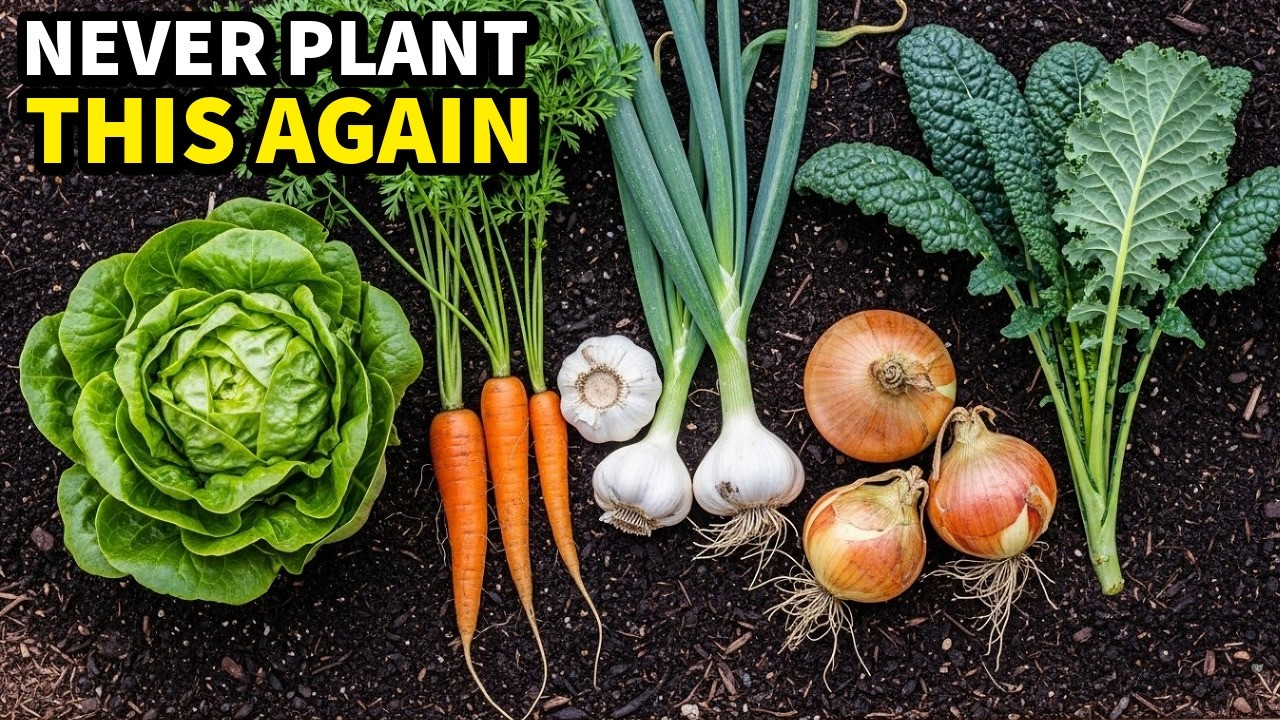
When purchasing seeds, opt for reliable, high-quality options like Romaine ‘Giant Caesar’, Nantes carrots, or garlic ‘Music’. Quality seeds are a straight shot toward success, offering you a chance to start strong rather than patching up a poor germination rate later. The right fertilizers—think organic all-purpose blends or specific amendments such as bone and blood meals—can turn your soil into a powerhouse of nutrients, perfect for those vegetables you really want to thrive. Post-planting, using insect netting, shade cloth, and row covers will protect your crops from pests and harsh sunlight, ensuring they grow bigger, healthier, and more resilient against setbacks.
Don’t shy away from sharing your gardening experiences in comments or seeking advice from the community. After all, the best farmers and gardeners are lifelong students, constantly refining their craft—one season at a time. Visiting the creator’s website or social media channels can also provide ongoing inspiration and tips. Remember, growing vegetables is about harmony with your environment, patience, and a sprinkle of stubborn optimism—especially when you’re working with the unique conditions of zone 8B.
Frequently Asked Questions
1. Why are some vegetables consistently failing in my North Carolina garden, despite following all the recommended practices?
The key often lies in understanding your specific zone, soil type, and local pests. Vegetables like tomatoes and carrots may require tailored amendments, such as adding trace minerals like Azomite or using organic fertilizers like Espoma PlantTone. Additionally, pests and diseases common to southeastern NC, such as nematodes or leaf miners, can sabotage crops if not managed proactively through insect netting, appropriate spacing, or resistant varieties. Monitoring your soil health and adapting your gardening methods accordingly can make the difference between a thriving garden and a constant battle.
2. What are some easy vegetables that can guarantee a larger harvest with less effort?
Bunching onions such as ‘Tokyo Long White’, kale varieties like ‘Dazzling Blue’ and ‘Red Russian,’ and peas are your best bets. These vegetables tend to be hardy, less susceptible to pests, and forgiving in terms of soil and light requirements. Moreover, they often respond well to the addition of organic fertilizers, simplifying your nurturing routine and maximizing your yield per square foot—or per container, if you’re tight on space.
3. How can I extend my growing season to get more from my garden?
A PVC hoop house is an inexpensive, DIY solution that works wonders. By creating a simple, plastic-covered shelter over your most valued crops, you can maintain temperatures that foster growth even in cooler months. Adding row covers and shade cloth can protect plants from pests and sun scorch—making your garden a resilient oasis throughout the seasons. Combine this with strategic planting of heat-tolerant varieties and proper soil nutritions, and you’ll be harvesting fresh vegetables even when the weather tries to spoil the fun.
4. Which garden products are essential for a healthy vegetable patch?
Pruning snips help keep plants tidy and disease-free, while weed barriers prevent constant battling with invasive weeds. Fertilizers like Alaska Fish Fertilizer and organic amendments such as bone and blood meals supply crucial nutrients that encourage lush foliage and abundant fruiting. Using insect netting and shade cloth further safeguards your crops from pests and extremes of sunlight, ensuring your efforts translate into abundant, high-quality produce rather than wasted resources.
5. Are there specific seed varieties recommended for my garden zone?
Absolutely. For zone 8B in Southeastern NC, choosing heat-tolerant varieties like Romaine ‘Giant Caesar’ or Nantes carrots can reduce crop failure. Garlic ‘Music’ will thrive if planted in well-drained soils and protected from diseases. Kale varieties like ‘Dazzling Blue’ and ‘Dwarf Curly’ tend to be resilient, offering consistent harvests with minimal fuss. Always select seeds from reputable sources, and consider the specific demands of your microclimate—your garden will thank you with a plentiful harvest.
Final Thoughts
In the symphony of gardening, not every note hits perfectly, and that’s perfectly fine. Sometimes, the most valuable lesson is simply knowing which vegetables to leave behind—those troublemakers that sap your time, energy, and enthusiasm. By focusing on easy, resilient crops and employing smart methods like extending your season with a PVC hoop house, you turn your garden from a gamble into a dependable source of joy and nourishment. Think of it as curating your personal edible landscape—one that respects the quirks of your climate, soil, and schedule. After all, a garden isn’t just a patch of dirt but a living, breathing testament to patience, ingenuity, and a little bit of stubborn optimism. Now, go on and plant what makes you happy—your future harvests are waiting.