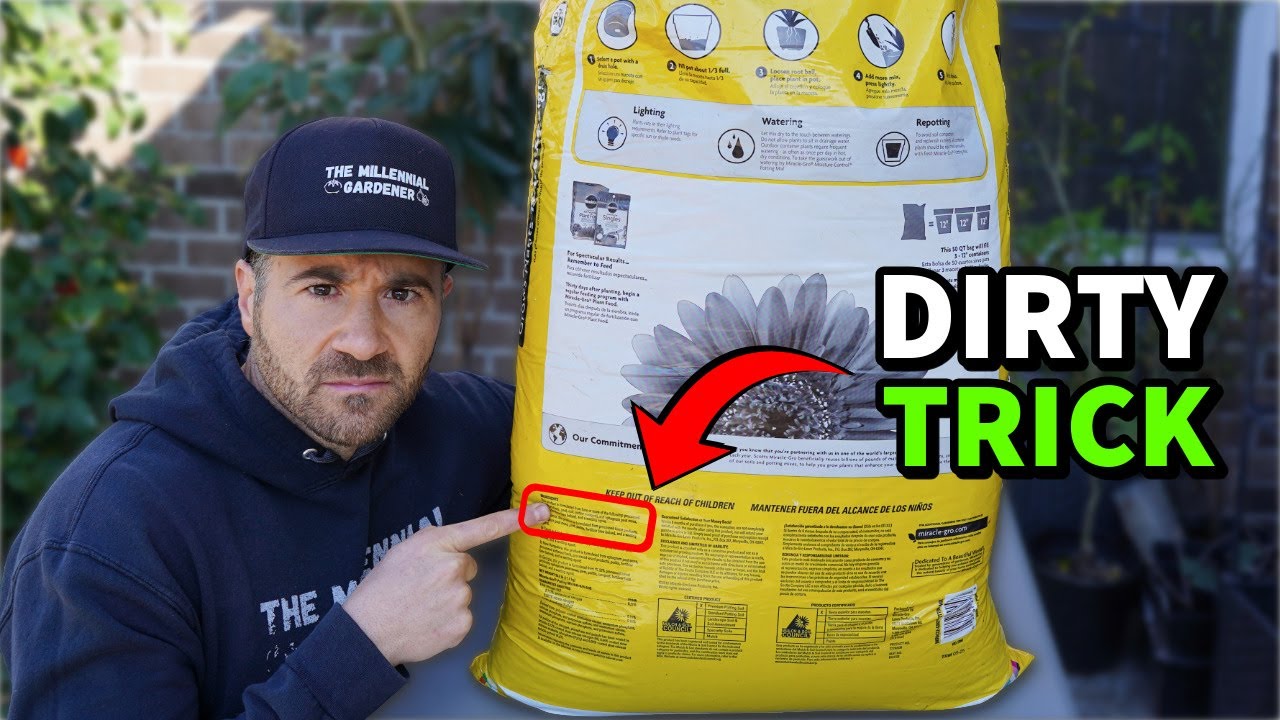
Are you tired of spending your hard-earned money on potting soil that doesn’t live up to its promises? You’re not alone. In this post, we’ll uncover the latest deceptive tactics used by the potting soil industry, so you can make more informed choices and protect your garden’s health.
The Potting Soil Industry’s Latest Deceptive Tactics Exposed
Introduction
Imagine a lush garden bursting with life, every leaf a testament to your green thumb’s mastery — only to discover that the very foundation of your floral empire might be cloaked in digital shadows of deception. Welcome, fellow gardening aficionados, to the often puzzling, sometimes infuriating world of potting soil. Once perceived as a humble “fill ‘er up” miracle for your plants, potting soil today has morphed into a mysterious labyrinth of marketing tricks and hidden compromises.
You might have noticed that the prices for this essential gardening staple have skyrocketed in recent years, leading many to suspect there’s more than just inflation at play. Beneath the glossy labels and cheerful promises lie subtle shifts in quality, engineered—if one dared to say so delicately—to keep your wallet light while trimming their costs. For those brave enough to dig a little deeper—metaphorically, of course—you’ll unearth a cunning industry that’s been quietly reducing the richness of their mixes. But worry not; arm yourself with knowledge, and you can turn your garden into a fortress of vitality—and maybe even outsmart those crafty manufacturers. Let’s embark on this soil revelation together.
The Surging Cost of Potting Soil: A Hidden Scandal
When the price tags on potting soil started climbing faster than Jack’s beanstalk, many gardeners just shrugged, attributing it to rising transportation costs or seasonal supply chain hiccups. The truth, as it turns out, is far more insidious—a secret scam that involves subtle quality reductions masked behind alluring discounts and slick branding. You see, in recent years, the cost of good-quality potting soil has become a battleground; manufacturers are sliming into the industry like cunning foxes, exploiting loopholes and loopholes-like tricks to squeeze more profit out of every bag.
What’s even more alarming is that most consumers are blissfully unaware that the “premium” mixes they buy today are not what they used to be. Years ago, a bag of potting soil was a straightforward affair: rich, dark, and teeming with organic matter that your plants loved like a long-lost friend. Today, many mixes are concocted with cheaper fillers, artificial additives, and a disturbing tendency towards “shrinkflation,” where the bag shrinks in size without a corresponding drop in price. It’s a sneaky dance of deception, a kind of industry sleight of hand where quality quietly diminishes, but prices keep climbing as if you’re getting the royal treatment.
Recognizing this scam requires a certain detective’s eye—a pinch of skepticism and a dash of curiosity. If you’re still relying on store-bought potting mixes, it’s wise to scrutinize labels carefully. What’s really in that bag? Are you funding greener, organic future or unknowingly facilitating a covert downgrading of your favorite growing medium? Thanks to this underground scheme, your once-trusted garden foundation might be more of a gamble these days, but don’t fret—there are ways to beat the system.
How Manufacturers Are Reducing Quality Without You Noticing
It’s not just about price hikes; it’s an entire strategy of sneaky tricks designed to keep your plants happy—or rather, to make you believe they are. How do these industry players pull off such a sleight of hand? The answer lies in subtle manufacturing tweaks, often invisible until you’ve spent weeks fighting sickly seedlings or limp blooms. For example, many potting mixes now contain lower-quality peat moss, less compost, and a surge of recycled fillers like wood chips, vermiculite, or perlite of dubious origin.
Hidden tricks also include the clever dilution of organic matter—what was once a vibrant, fertile bed of nutrients now resembles a nutritional wasteland, with added artificial fertilizers that wear out faster and outpollute our waterways. Some brands add chemicals to extend shelf life or increase water retention artificially, making the mix seem plump and healthy when, in truth, it’s half-empty of genuine organic benefit. It’s these behind-the-scenes cuts that allow manufacturers to keep their prices lean while pocketing bigger profits.
The worst part? Most consumers swallow these changes because they look at the label, see no red flags, and assume everything’s still the same. It’s a quiet sabotage of garden vitality—more low-grade soil for more money. The sad irony: gardeners are unwitting pawns in a game that values profits over plants. The good news? Armed with knowledge, you can re-sculpt your garden’s destiny by making smarter choices or even crafting your own premium mixes with online guides that are simpler than you might think.
DIY Potting Soil: Crafting Quality in Bulk
For those tired of the deceitful dance with store-bought soil, the silver lining remains bright and promising: you can create your own exemplary potting mix by harnessing the power of online tutorials and a bit of DIY spirit. The best part about making your own soil is that it’s cost-effective, customizable, and—most importantly—transparent. No secret fillers, questionable additives, or shrinking bags—just pure, organic goodness tailored to your specific plants’ needs.
Start with a foundation of high-quality ingredients: organic compost, coco coir bricks, aged bark, worm castings, and maybe a sprinkle of perlite or pumice for aeration. These components can be purchased in bulk online, meaning you’re not limited to the tiny, expensive bags that are often a scam. Once you’ve acquired your ingredients, mixing them together is as straightforward as stirring a giant salad—well, almost. The result is a breathable, nutrient-rich mix that encourages vigorous root growth and robust seedlings—an essential ingredient for starting seeds successfully.
Moreover, by making your own potting soil in bulk, you’re not only saving money but also gaining control. You can tweak the mix based on your plants’ needs—adding organic fertilizers, incorporating compost teas, or using specially designed seed-starting mixes like Jiffy or Back To Roots to ensure healthy, resilient growth from the get-go. With the right tools—budget or high-end soil sifters, seed-starting trays, and a dependable heat mat—you’ll find that gardening becomes less a gamble and more a confident craft. Why leave your garden’s fate to manipulated mixes when you can be the master of your soil universe?
The Secrets to Successful Seedling Starts and Healthy Plants
Starting your seedlings can feel daunting—like trying to teach a squirrel quantum physics—but it doesn’t have to be complicated. When you choose organic seed-starting mixes, such as Jiffy or Back To Roots, you set the stage for vigorous, hearty plants that grow with gusto rather than frustration. These mixes are designed to hold moisture yet drain well, providing that delicate balance necessary for young roots to develop without drowning or withering away.
Using quality tools like seedling heat mats and thermostats can vastly improve germination rates. Imagine those tiny seedlings basking beneath a gentle, consistent warmth—just as nature intended—encouraging sprouting success that feels almost magical. Toss in some high-quality fertilizers like Miracle-Gro for an extra kick or true organic options to keep things eco-friendly and your plants thriving, and you have the perfect recipe for gardening triumph.
Don’t overlook the little things, either—such as employing grow bags in different colors. Bright red or yellow grow bags aren’t just eye-catching—they improve light reflection, promoting even growth. Incorporate moisture-retentive coco coir bricks for container gardening to reduce watering frequency and prevent seedlings from wilting in a heatwave. The approach might seem like overkill, but when those first leaves unfurl with vibrant energy, you’ll know that every penny invested in quality seed-starting supplies and techniques paid off—no scam involved. Gardening becomes both science and art, and mastering it involves knowing which tricks make your plants thrive against industry-induced odds.
Frequently Asked Questions
What are the main signs that commercial potting soil has been downgraded in quality?
Look for bags that have shrunk in size without a price reduction. Compare ingredient lists—if they list vague fillers like “recycled organic matter” or “soil conditioners” without specifics, high-quality ingredients are likely missing. Clumps, a dull or overly dry appearance, or a dirt smell that’s not fresh can indicate inferior quality. Also, if your seedlings struggle despite proper care, the soil might be to blame.
How can I tell if my store-bought potting soil is genuinely organic?
Read labels carefully—certified organic mixes will feature official organic logos and clear ingredient lists emphasizing organic inputs. Steer clear of mixes that contain artificial fertilizers or chemical additives. When in doubt, ask staff about the source of their ingredients or opt for trusted brands like Back To Roots, Jiffy, or other reputable organic growers.
Is it worth converting store-bought soil into a better mix?
Absolutely. You can upgrade most commercial potting soils by adding organic compost, worm castings, or high-grade peat moss. Mixing in perlite, coco coir, or organic fertilizers can transform an average, downhill bag into a thriving media for your plants. This approach is eco-friendly and cost-effective, plus it gives you peace of mind about what your plants are really getting.
Can homemade potting soil really save money?
Yes—especially if you buy ingredients in bulk. While the initial setup might seem more labor-intensive, over time it becomes cheaper than constantly purchasing small bags of suspect mixes. Plus, you gain control over quality and composition, making your gardening more reliable and sustainable.
What are some eco-friendly alternatives to commercial potting soils?
Coco coir bricks, worm compost, homemade organic compost, and peat moss from sustainable sources are excellent options. These alternatives promote healthy root systems, retain moisture, and reduce reliance on synthetic additives or questionable fillers commonly found in mass-produced mixes. They also support environmentally conscious gardening practices.
Final Thoughts
The garden world is a reflection of human ingenuity and its ability to disguise, deceive, and, with a little effort, enlighten. As you’ve uncovered here, the potting soil industry’s latest tricks do more than just tighten their profit margins—they threaten the vitality of your plants and the integrity of your gardening pursuits. But armed with knowledge, skepticism, and perhaps a willingness to craft your own organic masterpieces, you can turn the tide.
Remember, the real power lies in your hands—metaphorically and literally. Whether you’re upscaling your seed-starting game or tunneling into the truth behind those shiny, shrinkflated bags, invest in your garden’s health. The dirt beneath your fingernails is more honest than any label, after all. So, dig deep—your plants, and perhaps even your sense of gardening purity, will thank you.
References
Note: For online guides on creating your own potting mix, reputable gardening websites and organic farming forums are invaluable resources. Always verify the sources and seek organic, eco-friendly practices you trust.