
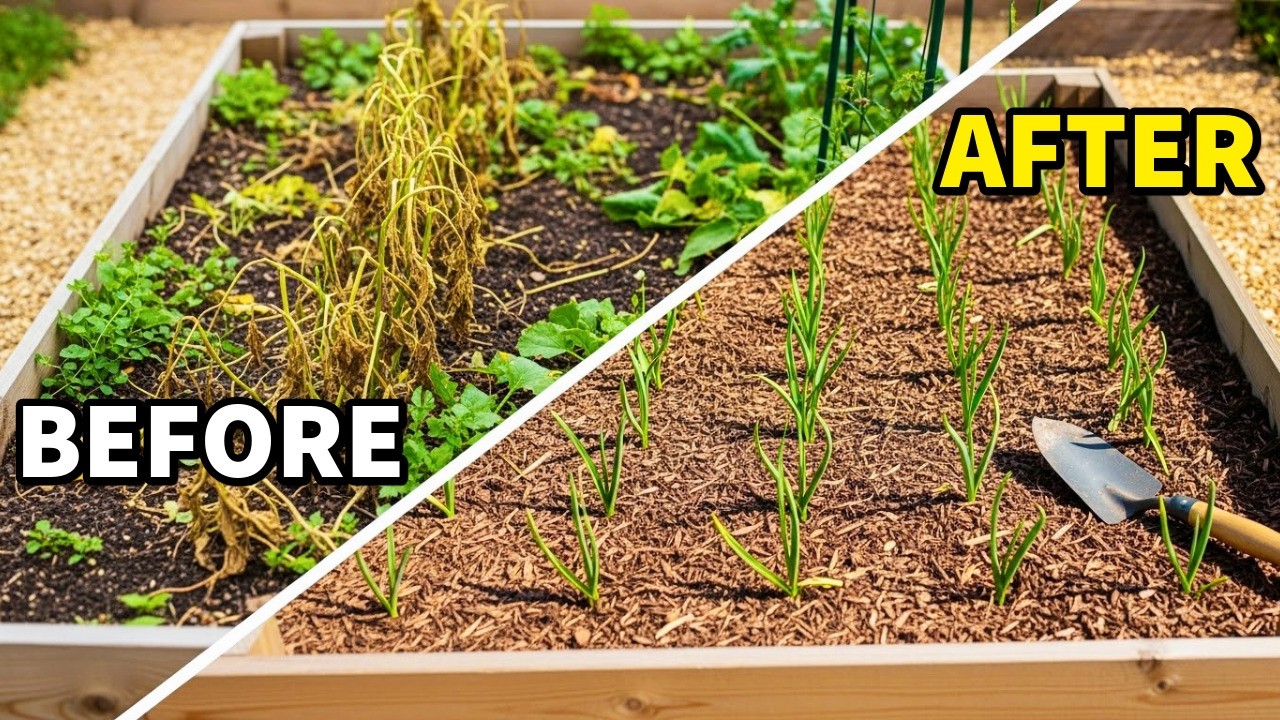
Get your garden ready for the season ahead with these essential December preparation tips. By taking these seven must-do tasks now, you’ll ensure your garden stays healthy, protected, and thriving through the winter months. Let’s get your outdoor space winter-ready so you can enjoy a beautiful, well-maintained garden year-round.
Essential December Garden Preparation: 7 Must-Do Tasks to Prepare for the Season
Introduction
December has a way of sneaking up on gardeners like a stealthy fox, winter’s icy breath whispering through leafless branches and giving us a gentle reminder that the growing season is finally taking its well-earned rest. Yet, beneath the snow-dusted petrichor lies a golden opportunity—time to lay the groundwork for a bountiful spring or summer, should Mother Nature cooperate. It’s as if December is nature’s parking brake, urging us to pause and prep with the kind of meticulous care that pays dividends in lush harvests later on.
Most folks think of December as a time to cozy up with a cup of tea and a good book, but seasoned green thumbs know this chilly month is the perfect chance to master those crucial garden tasks that ultimately stave off weeds, pests, and soil ailments. Think of it as garden winterization—an elegant dance of pruning, protecting, and nourishing that transforms dormant beds into fertile grounds for new life. So grab your warm gloves, a sharp pruning saw, and a dash of ‘get-your-hands-dirty’ enthusiasm—because December, despite its frostbitten veneer, is actually the gardener’s secret weapon for spring success.
In this article, we’ll embark on a journey through seven essential December garden tasks, from constructing a PVC hoop house to selecting organic fertilizers—tasks that turn cold, sluggish days into prime preparation moments. Ready to make your garden a resilient, thriving marvel? Let’s dig in.
1. Start Seedlings Indoors with Grow Lights and Heat Mats
When winter’s chill blankets the landscape, that’s no reason to abandon hope—or your green thumbs. Instead, December beckons us to transform chilly windowsills into miniature nurseries, where vibrant life persists beneath artificial sunbeams and warm mats. Setting up a dedicated space for seed starting with LED grow lights and heat mats offers more than just a cozy environment; it jump-starts the growth cycle, giving delicate seedlings a head start before they brave the outdoors come spring.
Imagine tiny seedlings unfurling their first leaves under a gentle glow, while the rest of the world remains ensconced in snow and silence. This indoor sanctuary ensures robust plant development, especially for varieties that demand a head start, such as tomatoes and peppers. Moreover, using a heat mat guarantees the soil remains warm and inviting—a crucial factor for germination, since seeds are fussy little things that prefer their environment to be just toasty enough to spark life.
Beyond the science, there’s an almost poetic satisfaction in nurturing these seedlings during December’s darkest days. It’s a quiet, hopeful act of defiance against winter’s gloom, a reminder that even amid cold, life persists. Check your supply of organic seed-starting mixes and trusted seed varieties, purchase from reputable sources, and watch as your windowsill turns into a bustling hub of green energy—proof that planning today can seed tomorrow’s abundance.
2. Build a PVC Hoop House to Extend Your Growing Season
If you’re looking to stretch the magic of gardening beyond summer’s fleeting grace, building a PVC hoop house in December is your ticket to a longer, more forgiving growing season. This lightweight, affordable structure acts like a giant cozy blanket for your plants, shielding them from the worst of winter’s bite while trapping enough warmth for early sprouts or late-season greens.
Constructing this DIY greenhouse is surprisingly straightforward, requiring only a few lengths of PVC pipe, some sturdy connectors, and a durable plastic cover. As you bend and connect the hoops over your beds, it’s almost as if you’re wrapping your garden in an invisible embrace—one that says, “Not yet, winter, we’re not done.” Once in place, you can introduce row covers, insect netting, and even supplemental lighting—like LED grow lights—to keep your plants thriving against all odds.
Having this little sanctuary in your backyard means you’re no longer bound by the calendar; your garden becomes a year-round playground of possibility. Plant hardy greens, start early seedlings, or simply use it as a strategic overwintering zone for vulnerable plants. And come spring, you’ll be amazed at how a simple PVC frame can turn chilly deadlines into lush harvests—proof that the power of DIY ingenuity is truly seasonal.
3. Protect Soil and Plants with Shade Cloth, Insect Netting, and Weed Barriers
While December may seem quiet, beneath the surface lurks a myriad of challenges—persistent weeds, overwintering pests, and soil erosion that can sabotage your next planting season. The key to a resilient garden lies in proactive protection, effectively locking out troublemakers while maintaining the integrity of your soil and plants.
Shade cloth might seem counterintuitive in winter, but it’s a savvy tool for shielding young or delicate plants that you’re trying to overwinter indoors or in unheated structures. It buffers against wind and frost, providing a microclimate that encourages survival. Insect netting, meanwhile, acts as a vigilant sentinel—preventing pests like cabbage worms or aphids from establishing a foothold during the months when natural predators are scarce. Layered with weed barriers, it also curtails weeds from sneaking back into your beds—saving you weeding woes when spring finally arrives.
Think of December garden protection as giving your soil a protective wrap—like tucking your vegetables into a cozy blanket, preventing frost cracks and soil erosion that can deplete nutrients. With these simple but effective tools, your garden beds are poised to erupt in vitality when the season shifts, making the transition from winter to spring as smooth as a well-executed dance move. Besides, protecting your investments pays off in fewer pests, healthier soil, and lush, happy plants.
4. Fertilize Organically with Fish Emulsion, Blood Meal, and Other Organic Options
If you’re aiming for truly sustainable, organic growth, December offers the perfect window to nourish your garden beds with organic fertilizers before the rush of spring planting. Instead of turning to harsh, chemical-laden formulas, focus on fostering a thriving ecosystem beneath the soil surface with options like fish emulsion, blood meal, and a balanced all-organic fertilizer.
Imagine the rich smell of fish fertilizer lingering in your outdoor spaces, the promise of nitrogen and micronutrients that will soon invigorate your plants in the new year. Blood meal adds a burst of iron and phosphorus, acting as a natural stimulant to promote lush foliage and strong root development. The best part? These organic options gently feed the soil, encouraging the proliferation of beneficial microbes that act as nature’s own pest controllers—a quiet but powerful partnership.
Applying these during December, perhaps layered into your soil with trace minerals and compost teas, ensures your garden beds are prepared for vigorous growth once the first shoots push through the soil’s winter slumber. It’s as if you’re whispering to Mother Nature, “Hey, I trust you to turn this organic meal into thriving life,” setting your garden on the path to health, resilience, and productivity.
5. Prepare the Soil with Trace Minerals and Organic Fertilizers
While pruning, protecting, and planting cover crops are vital tasks, the foundation of garden health lies underground—in the soil itself. December provides an ideal opportunity to prepare your soil with a dash of love and strategic amendments, turning it into a fertile, nutrient-rich bed ready for spring planting.
Think of soil preparation as laying the perfect foundation for a house—it requires careful attention to detail and a healthy dose of organic matter. Incorporate trace minerals like zinc, manganese, and boron, essential elements often depleted by years of cultivation and weathering. Layer organic fertilizers, such as composted manure or kelp extract, to enrich the microbial life that transforms soil into a living, breathing organism capable of supporting robust plant growth.
Pouring this nutrient potion during December allows microbes to assimilate minerals over time, making the soil more hospitable for seeds and saplings. Plus, working the amendments into cold, damp earth is surprisingly satisfying—like giving your garden a much-needed multivitamin. When spring comes, your plants will thank you with explosive growth, vibrant leaves, and plentiful harvests, proof that the best gardens start before they even sprout.
6. Purchase Seeds from Trusted Sources to Ensure Diversity and Quality
Nothing fuels a gardener’s spirit like flipping through seed catalogs or browsing online seed stores—each packet promising a taste of summer’s bounty. December is the perfect time to research and purchase a diverse array of seeds from trusted sources, ensuring quality, vitality, and a well-rounded harvest in the seasons ahead.
Imagine unboxing those tiny packets, each containing the potential to grow heirloom tomatoes, exotic peppers, or mysterious greens you’ve never tried before. Choosing seeds from reputable nurseries or seed banks guarantees vigor and genetic diversity—crucial in an era when climate unpredictability is the new normal. Plus, selecting a variety of vegetables, herbs, and flowers ensures not only colorful gardens but also ecological resilience, attracting pollinators and deterring pests naturally.
This meticulous seed shopping isn’t just about planning; it’s about imagining your garden’s future and taking deliberate steps toward sustainability. As you fill your cart, think of yourself as a seed archivist—preserving plant diversity and enhancing your chances of success, come spring. Your future self will thank you for these thoughtful beginnings.
7. Prune Fruit Trees for Better Growth and Fruit Production
December’s bare branches reveal the shape and structure of your fruit trees, making it an ideal time for pruning—an artful dance that encourages vigorous growth and bountiful harvests in the seasons to come. Pruning during dormancy removes diseased, damaged, or crossing branches, promoting an open canopy that’s easier to care for and harvest from.
Picture yourself wielding Japanese pruning shears with the precision of a bonsai master, snipping away the old to make room for the new. The goal isn’t just aesthetic; it’s about creating a balanced structure that directs energy into fruit-bearing spurs rather than tangled messes of growth. Proper winter pruning improves air circulation, reduces disease susceptibility, and ultimately results in larger, tastier fruit—like giving your trees a healthy, restorative massage that pays off in luscious harvests.
Beyond the immediate benefits, winter pruning helps you better understand your tree’s natural architecture, turning your backyard into a landscape of artful, productive beauty. It’s a discipline that rewards patience, attentiveness, and a touch of horticultural bravery—transforming dormant branches into the promise of sweet, seasonal joy.
Frequently Asked Questions
1. Why is December considered the best time for garden soil preparation?
December offers a unique window for soil preparation because the cold, moist conditions slow microbial activity, giving amendments like organic fertilizers, trace minerals, and compost time to integrate deeply into the earth. This period of dormancy minimizes disruption to existing plants and allows nutrients to settle, making it easier to build a resilient, nutrient-dense foundation for spring growth. Additionally, working the soil when it’s moist but not frozen helps prevent compaction, ensuring roots can easily spread once the growing season begins.
2. How does building a PVC hoop house help extend the growing season?
A PVC hoop house acts as a lightweight, inexpensive greenhouse that traps warmth and shields plants from harsh winter winds and frost. By creating a microclimate around your garden beds, it allows you to start seedlings earlier and protect winter-hardy crops from temperature fluctuations. This extension of the growing season not only provides fresh greens during colder months but also kick-starts the growing process so your plants are ready to flourish as soon as spring arrives, effectively turning your garden into a year-round productivity hub.
3. What are the benefits of organic fertilizers like fish emulsion and blood meal?
Organic fertilizers enrich the soil with essential nutrients while fostering a healthy environment for beneficial microbes. Fish emulsion provides a quick boost of nitrogen, promoting lush foliage, while blood meal supplies iron and additional nitrogen for strong, vibrant plants. These fertilizers are gentle yet effective, supporting sustainable gardening practices that avoid synthetic chemicals. As a result, plants grow healthier, pest resistance improves naturally, and the soil remains resilient and fertile over the long term.
4. Why should I prune my fruit trees during winter?
Winter pruning is crucial because it’s easier to see the tree’s structure without leaves cluttering the view, enabling precise cuts that promote good airflow and sunlight penetration. Removing dead, diseased, or crossing branches enhances overall health, reduces pest and disease problems, and directs energy into productive growth and fruiting stems. Proper pruning during dormancy also encourages uniform flowering and fruit development, ensuring a more abundant and sweeter harvest in the seasons ahead.
5. How can I efficiently protect my garden plants in December?
Protection during December involves multiple strategies—covering sensitive plants with shade cloth to prevent frost damage, installing insect netting to keep pests at bay, and laying weed barriers to suppress early weed growth. Using row covers and mulch can also shield roots from freezing temperatures. These measures create a stable environment that minimizes stress on your garden, grants a fighting chance to overwintering plants, and sets the stage for vigorous growth once the weather warms again.
Final Thoughts
As winter’s icy grip begins to loosen, it’s tempting to succumb to the all-consuming urge to leap into planting season. But the most seasoned gardeners know that December’s true power lies in thoughtful preparation—layering, pruning, protecting, and nourishing soil and plants to lay the foundation for future growth. When done with patience and purpose, these tasks transform a dormant garden into a resilient, flourishing space that’s primed for success when spring finally arrives.
Gardening during winter isn’t merely about survival; it’s about planting the seeds of possibility during the season of stillness. Every task undertaken in December, from building that PVC hoop house to choosing organic fertilizers, is an act of faith—a promise to the future that, come spring and summer, your garden will burst forth, vibrant and alive, thanks in large part to your foresight and elbow grease. So embrace the cold, revel in the quiet, and prepare to harvest not just crops, but the deep satisfaction of a job well done.