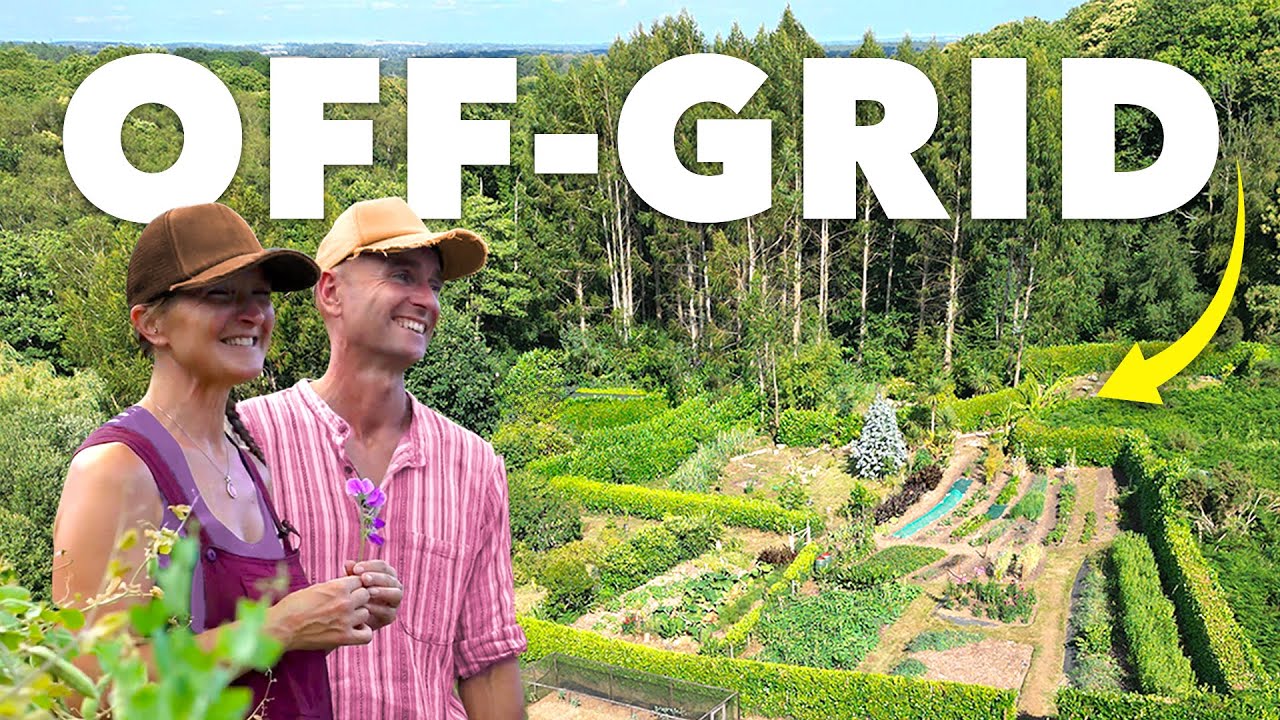
Imagine standing on your very own piece of abandoned land, ready to turn it into a thriving, self-sufficient haven. With determination and vision, you embark on a journey to develop an 80% self-sufficient homestead—transforming neglected property into a sustainable sanctuary that fulfills your dreams of independence and harmony with nature.
Introduction
Imagine stumbling upon a forsaken patch of earth, wild and overgrown, whispering promises of rebirth and resilience. That’s exactly what Dan and Laurie did—not with a magical wand, but with a shovel, a bucket of grit, and an unyielding sense of hope. Their journey from an abandoned, weed-choked field to an 80% self-sufficient homestead reads like one of those renaissance stories we tell around campfires—only this time, the hero wields a chainsaw and knows their way around permaculture principles. If you’ve ever fantasized about living off-grid, cultivating your own paradise, and shrugging off the whims of supermarket food chains, then you’ll find their adventure both inspiring and maybe a little contagious.
This isn’t a tale spun solely around idyllic sunsets and fresh vegetables; it’s about transformation—physical, mental, and philosophical. By turning an unruly wasteland into a lush food paradise, Dan and Laurie have demonstrated that with patience, planning, and a touch of stubbornness, nearly anyone can forge a path towards a more sustainable and self-reliant lifestyle. Whether you’re curious about how much land you need to grow almost all your food or want to understand what a near self-sufficient vegetable plot actually looks like, their story offers both motivation and practical wisdom.
So, buckle up and get ready to explore the gritty details of converting weeds into edible riches, maximizing challenging plots, and transforming a neglected patch of earth into a thriving Eden. Their journey isn’t just about land or food; it’s about reclaiming control in a world of uncertain supply chains and environmental twists—and doing so with humor, persistence, and a hearty dose of dirt under the fingernails.
Turning Wasteland into Wonder: The Garden Transformation Journey
The first brushstroke in Dan and Laurie’s land art began with a desperate search for vitality—and finding none. They purchased what was essentially a blank canvas, an abandoned field that had been left to its wild, unchecked devices for decades. The terrain was a chaotic tapestry of stubborn weeds, knee-high grasses, and the silent echoes of tractors long gone. As they stepped onto the land for the first time, it was clear that this was a place that needed more than just planting; it demanded a revolution. Their plan was ambitious: transform this neglected wasteland into a biodiverse, food-producing oasis.
The process was anything but smooth sailing. They started by clearing the thick undergrowth with sweat, ingenuity, and a good sense of humor. What had looked like an impenetrable thicket soon revealed patches of potential soil—rough, rocky, but ripe with possibility. It was painful work, akin to peeling back layers of history and neglect, but each weed pulled and each broken plot made room for something new. Over time, they employed permaculture practices, turning the chaotic chaos into intentional ecosystems. The transformation wasn’t just physical; it was visceral. They watched the land whisper back promises of sustenance, growth, and resilience, proving that even the most abandoned patches can bloom anew with patience and perseverance.
This reclamation process also laid the groundwork for sustainable land use. By incorporating methods like sheet mulching, water catchment, and companion planting, they created a resilient, low-maintenance landscape. The weeds didn’t just vanish; they were reimagined as nutrient-rich compost or ground cover, nourishing future crops. Their journey teaches that every garden has a story—one of neglect transformed into nourishment, chaos into order. Watching this metamorphosis unfold is like witnessing a slow but meaningful rebellion against the entropy of overgrowth—a testament to human grit and green ingenuity.
The Blueprint of a Near Self-Sufficient Vegetable Plot
What does a model of almost complete self-sufficiency look like on a simple vegetable plot? For Dan and Laurie, it’s a design built on thoughtful plant selection, strategic layout, and an understanding that nature isn’t a vending machine but a collaborator. Their garden isn’t sprawling like a farm but is tight, efficient, and bursting with life—a microcosm of sustainability that anyone with a small plot can aspire to emulate.
At the core of their vegetable garden lies a sensible balance: a diverse array of plants that support each other’s growth, maximize space, and provide continuous harvests. They rely on hardy staples like potatoes, beans, squash, and leafy greens, which are the backbone of their nearly self-sufficient diet. These crops are chosen not only for their productivity but also for their nutritional value, ensuring that eating close to the land enhances their health with every meal. The key is in succession planting—forcing a continuous supply of fresh vegetables—so they’re never at the mercy of seasonal shortages, even in a modest plot.
But beyond the crops themselves, their plans include clever water harvesting, composting, and soil improvements, making their garden more resilient and less dependent on external inputs. It’s about creating a self-sustaining loop—where organic matter feeds the soil, which in turn produces food, completing the cycle of sustainability. Watching Dan and Laurie demonstrate how to maximize small or challenging plots, they prove that even limited space can produce an abundant, nourishing harvest. Their story becomes a guide for city dwellers and rural homesteaders alike, illustrating that with clever design and care, your vegetable plot can become a resilient fortress of food independence.
Essential Plants for an Off-Grid, Self-Sufficient Garden
Every self-reliant gardener quickly learns that choosing the right plants is akin to selecting allies in a long-term battle for food security. Dan and Laurie’s garden is a masterclass in plant diplomacy—hardy, resilient, and capable of thriving in their off-grid setting. But what are the non-negotiables? Which plants are life-changers in the quest for almost total self-sufficiency?
Root vegetables like carrots, beets, and potatoes form the backbone of their diet, offering starchy security and nutritional variety. Leafy greens such as kale, spinach, and swiss chard flourish with minimal fuss and pack a punch of vitamins—a daily vitamin pill from the earth itself. Deeper into the mix, they include perennial herbs and perennial vegetables like asparagus, rhubarb, and thyme, which offer years of harvests without constant replanting. These choices are not arbitrary; they’re selected for their adaptability, nutrient density, and ability to grow in less-than-ideal conditions, turning barren or rocky patches into edible landscapes.
On their journey, Dan and Laurie also discovered the magic of multi-purpose plants. For example, legumes such as beans and peas not only fill bellies but also enrich the soil with nitrogen, reducing the need for synthetic fertilizers. Fruit-bearing bushes—blueberries, raspberries, currants—are also part of their self-sufficient puzzle, providing sweet relief and antioxidants straight from the land. The vegetables and fruits aren’t just food sources; they’re ecological partners that help balance the ecosystem, making their homestead a thriving, productive, and sustainable marvel. For anyone considering the leap into land-based living, these plants are a reliable foundation—building blocks on which the dream of self-sufficiency can stand tall.
Sustaining a Healthy Lifestyle with Land-Based Eating
Eating 80% of your diet from land doesn’t just sound romantic; it’s a game-changer for health, well-being, and ecological footprint. Dan and Laurie’s experiment in land-based eating illustrates that when you know the origins of your food, you tend to treat it with more reverence and understanding. Instead of viewing meals as cameos on a supermarket shelf, they become a story—hand-harvested, carefully prepared, and joyfully sustained by your own efforts.
The impact on health is palpable. Fresh, nutrient-dense vegetables and herbs directly from the garden mean fewer pesticides and preservatives. The muscle memory of planting, watering, and harvesting transforms eating into an act of mindfulness—an appreciation for how nature, combined with human effort, fuels vitality. They report that their energy levels soared, digestion improved, and their connection to the land deepened—all a bonus of orchestrating a diet that emphasizes what’s local, seasonal, and sustainable.
More than that, adopting a land-based diet cultivates a sense of independence. It insulates against the chaos of supply chain disruptions and environmental challenges—turning a garden into a fortress of food security. It’s not about perfection but progress—each row of harvested vegetables reinforcing their resilience and commitment to a healthier, more sustainable lifestyle. Dan and Laurie’s story shows that a diet rooted in land isn’t just good for the body, but also sustains the soul, fostering a humbling relationship with nature’s bounty that’s as nourishing as the produce itself.
Frequently Asked Questions
How much land is needed to be almost entirely self-sufficient in food?
Achieving a high degree of self-sufficiency depends greatly on location, soil quality, climate, and the types of crops grown. Generally, studies suggest that around half an acre to one acre can support a family’s basic needs, especially if intensive permaculture and efficient crop planning techniques are employed. Dan and Laurie’s project demonstrates that with strategic planting, vertical gardening, and composting, even small plots can yield an impressive share of your diet—up to 80%. The key lies in diversity, succession planting, and maximizing space from every angle.
What does a near self-sufficient vegetable plot look like?
It’s a compact, resource-efficient garden that incorporates perennial plants, root crops, leafy greens, and quick-grow vegetables like radishes and lettuce. Such a plot employs companion planting, water catchment, compost systems, and crop rotation to sustain itself. You’ll see raised beds, greenhouses, and vertical gardens—fashioned carefully to ensure continuous harvests while minimizing external inputs. It’s roughly organized into zones: one for staple crops, one for herbs, and another for fruiting plants—each interconnected as part of a lively, productive ecosystem.
How can I turn a neglected, overgrown land into a productive farm?
Start small, with patience. Clear the space of invasive weeds using manual labor combined with sheet mulching—covering the overgrowth with cardboard and compost to suppress weeds while enriching the soil. Then, plan for zones—dedicate patches for vegetables, herbs, and fruit trees. Implement permaculture principles to mimic natural systems, increasing yield while reducing work. Document your progress, learn from each season, and don’t be afraid of weeds—they’re often just plants waiting to be repurposed. Dan and Laurie’s transformation of their land proves that with dedication, neglect can become nourishment.
What plants are best suited for off-grid, sustainable gardens?
Hardy, resilient plants like kale, garlic, onions, and rhubarb thrive without intensive maintenance. Legumes such as beans and peas fix nitrogen into the soil, reducing fertilization needs. Fruit bushes—blackberries and currants—provide abundant harvests with minimal effort. Perennial herbs like thyme, rosemary, and sage are drought-tolerant, perfect for off-grid setups. Selecting plants with local adaptability ensures resilience—sometimes, native species are the best bet for stability and longevity in your sustainable paradise.
How does eating primarily from one’s land influence mental health?
There’s a profound sense of fulfillment that comes from cultivating your own food. Watching plants grow, harvesting what was once just an idea, instills confidence and patience. This connection deepens your appreciation for nature’s rhythms and cultivates mindfulness—transforming daily routines into rituals of gratitude. For many, it’s a remedy for the chaos of modern life, fostering resilience and self-reliance. Dan and Laurie’s experience reveals that land-based eating is not just about nutrition—it’s about reclaiming your relationship with the earth, one meal at a time.
Final Thoughts
Transforming an abandoned, weed-infested tract of land into an 80% self-sufficient homestead isn’t merely a project—it’s a redefinition of what it means to live intentionally. Dan and Laurie’s journey exemplifies that with grit, ingenuity, and an unhealthy dose of dirt under the nails, ordinary land can become extraordinary. Their story encourages all of us to rethink our relationship with food, environment, and self-reliance. It’s a reminder that the path to sustainability starts small—often with a single shovel and a stubborn defiance of neglect.
In a world increasingly characterized by uncertainty and environmental upheaval, their transformation offers hope—and a blueprint. Whether you’re pondering how much land you need, dreaming of turning wasteland into a vegetable paradise, or simply curious about sustainable living, their adventure is a beacon. It whispers that you don’t need a palace—just a patch of earth, a plan, and an unshakable belief that with perseverance, transformation is possible. The garden is waiting—are you ready to plant your future?