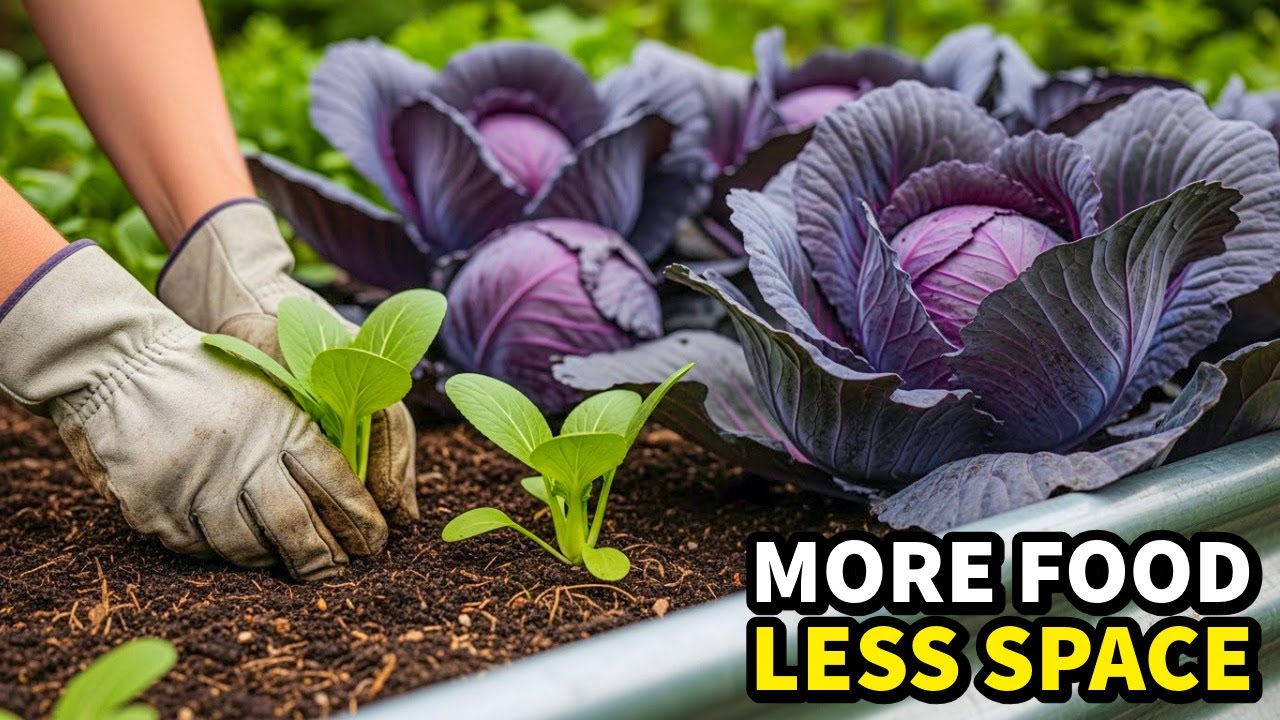
Looking to boost your raised garden bed production and get healthier, more abundant plants? You’re in the right place! In this post, you’ll discover simple yet effective tips to enhance your gardening success and make the most of your raised beds. Get ready to transform your gardening experience and enjoy bountiful harvests all season long.
Introduction
There’s something downright poetic about a well-tended garden bed, especially when space is tight enough to turn a seasoned gardener into a contortionist. On a drizzly Saturday morning, I stumbled upon a video by The Millennial Gardener that promised to unlock the secrets of enhancing raised bed productivity — a tantalizing promise, considering how often my own garden resembles a haphazard patchwork quilt more than a sanctuary of abundance. The host’s vibrant voice and clever insights delivered exactly what gardening novices and seasoned green thumbs alike crave: practical, accessible advice spiced with humor, and a storytelling touch that makes even the most complex techniques seem almost doable.
Judging from the engaging visuals and spirited commentary, this video isn’t just about planting; it’s a masterclass in turning limited space into a veritable vegetable paradise. It’s packed with ideas that challenge the traditional notion of sprawling gardens, instead emphasizing how a few strategic tweaks can yield more food, save time, and even make gardening feel less like an endless chore. As I sat there, contemplating whether I could indeed squeeze more salads out of my tiny raised beds, I was reminded that good gardening isn’t just about size—it’s about smarts. And that, my friends, is the true magic of this video.
So, if you’ve ever wondered how to maximize your garden space despite the challenges of limited room, or how to implement proven techniques for year-round yield, buckle up. We’re about to take a tour through a digital garden of ideas, inspired by a video that manages to be both charming and incredibly useful. Let’s dig in.
How to Maximize Your Garden Space Despite Limited Room in Raised Beds
Imagine trying to fit a symphony orchestra into a closet—your garden’s most common challenge, if you ask me. The Millennial Gardener’s approach to harnessing every square inch of your raised beds is nothing short of ingenious. It’s about thinking vertically as much as horizontally, stacking, layering, and using every nook and cranny as if your garden’s survival depends on it—because it does.
You start by planting taller crops like tomatoes, peppers, or beans along the north side of your beds to prevent shading your more delicate greens below. Using trellises and cage supports, you can turn a simple raised bed into a multi-tiered food factory, making the most of limited space. The video emphasizes container gardening for smaller plants such as herbs and strawberries—compact, portable, and easily movable, giving you fresh produce even if your backyard is more of a backyard cube. It’s a potent reminder that space isn’t just about area, but about clever placement and creating micro-environments that thrive happily side by side.
And then there are companion planting techniques—marrying basil with tomatoes or radishes with carrots—to create harmonious plant neighbors that keep pests at bay and boost yields. It’s gardening as a form of urban alchemy, turning a modest setup into a thriving ecosystem. The message is clear: in small spaces, planning is king, and with the right strategies, your garden can punch well above its weight.
Proven Techniques to Grow More Food in Less Space and Save Time and Money
The key to gardening in tight quarters isn’t just clever layout—it’s integrating proven, time-tested techniques that push productivity into overdrive. The Millennial Gardener’s video underscores the importance of soil health, reminding us that happy roots are the backbone of bountiful harvests. Incorporating organic compost, fish fertilizer, and trace minerals cultivates a nourished environment that encourages rapid, healthy growth even in confined spaces.
Time and money are precious commodities—especially when dealing with limited garden beds, which is why the host advocates for simple, effective methods like crop rotation and mulching to reduce weeds and conserve moisture. A weed barrier fabric layered beneath your beds can cut down on manual weeding hours significantly, while row covers protect susceptible plants from pests without resorting to chemical fixes. The key is embracing these tools thoughtfully—using products like prune snips for quick harvesting, or installing grow bags during peak planting times to maximize vertical space and avoid overcrowding.
The most surprising revelation? How effective strategic succession planting can be. Instead of letting beds sit fallow, you learn how to schedule successive plantings of greens and root vegetables, ensuring that no space is wasted in the perpetual quest for fresh, homegrown food. It’s gardening efficiency disguised as a deliciously complicated puzzle, solved with a flick of a calendar and a sprinkle of organic fertilizer.
Follow a Simple Blueprint for Year-Round Raised Bed Gardening Efficiency
Gardening in cycles, much like life, can feel overwhelming—unless you have a blueprint. The video lays out a straightforward, repeatable plan: prepare your soil with organic amendments in early spring, plant a variety of seeds suited for each season—bok choy, romaine, mustard greens, onions—and then use protective covers during the off-seasons to extend your harvest.
The host advocates for a logical, step-by-step process that transforms a chaotic patch of dirt into a well-oiled garden machine. Think of it as a recipe: prep the soil, plant the seeds, nurture with organic fertilizers, and protect with row covers or peat pots. When fall arrives, don’t abandon ship; instead, switch to cold-tolerant crops and employ hoops or cloches to keep frost at bay. The secret to year-round success isn’t some mystical magic but consistency and strategic planning—mapping out your garden’s growth cycle like a conductor leading an orchestra.
This blueprint also recommends incorporating container gardens to expedite planting times and create microclimates tailored to specific crops. By layering this approach, you’re not just growing food—you’re cultivating resilience, continuity, and a sense that your garden is always in a state of glorious productivity, no matter the season.
Discover a Variety of Seeds and Gardening Products to Boost Your Harvest
One cannot overstate the thrill of browsing through a seed catalog. The Millennial Gardener’s video showcases a delightful array of seeds — from the crunchy, peppery bite of bok choy to the crisp, lush leaves of romaine, pungent mustard greens, and sprightly onions. Each packet is a promise, a tiny miracle waiting to unfurl in the soil. Buying from a curated selection makes all the difference, transforming a splurge into a smart investment in your garden’s future.
In tandem with seeds, the video highlights essential products that elevate your gardening game: grow bags perfect for small spaces, pruning snips that turn trimming into a meditative act, weed barriers that slash your weeding time, and row covers that act as your garden’s personal bodyguard against pests and temperature swings. These simple tools, used thoughtfully, can accelerate growth, increase yields, and lend a certain satisfaction to your gardening routine that’s akin to wielding a well-honed chef’s knife in the kitchen.
Organic fertilizers like fish emulsion, bone meal, and trace minerals are champions in this process, supercharging your plants without compromising soil integrity. In the end, the joy of discovering new seed varieties and products is matched only by the satisfaction of watching those tiny green shoots grow into bountiful vegetables, all meticulously planned and lovingly tended.
Strategic Planning, Soil Maintenance, and Garden Cleanup for Peak Productivity
This isn’t just a hobby; it’s an ongoing relationship with your space. The video makes it clear that strategic planning begins with observing your garden’s patterns, understanding how sun and shade dance across your beds, and aligning planting schedules accordingly. The best gardeners think ahead—spacing plants based on their growth habits, rotating crops to keep the soil healthy, and patiently waiting for the right moment to transplant seedlings.
Soil maintenance is the unsung hero of a productive garden. The host recommends regular amendments—adding organic matter, soil testing, and balancing pH levels—as if tending to a delicate, living organism that rewards patience and care. Because it’s true: healthy soil equals healthy plants, which means more food with less fuss. A garden cleanup at season’s end isn’t just tidying up; it’s clearing away the debris of last year’s growth, composting spent plants, and prepping your beds for a new crop of promise.
Garden management thrives on routine. Establishing a weekly ritual—checking on watering needs, pruning, and inspecting for pests—keeps your garden in tip-top shape. These practices, though seemingly mundane, form the backbone of an efficient, high-yield garden. It’s all about creating a harmonious cycle, where soil, plants, and gardener work in concert for maximum bounty.
Transplanting Seedlings and Incorporating Container Gardening
Transplanting can seem intimidating—a delicate ballet of timing and finesse—but the host’s tips make it clear that it’s just another part of the art of gardening. Using proper techniques, like hardening off seedlings gradually and choosing the right soil for transplant success, can turn what once felt like a gamble into a predictable, satisfying step. Proper spacing, gentle handling, and adequate watering post-transplant are crucial, transforming fragile sprigs into hearty producers.
Container gardening is another game changer, especially in limited spaces or for those worried about soil contamination. The look of a lush tomato or a cluster of herbs thriving on a balcony isn’t just charming; it’s practical. Using containers like grow bags or oversized pots allows for flexible placement—sunny windowsills, small patios, or even alleyways. It makes gardening accessible, adaptable, and more controlled, allowing you to optimize growth conditions without the need for a sprawling yard.
The video walks viewers through detailed, step-by-step instructions for successful transplanting and container setups, each segment packed with the kind of insights that turn beginner frustration into confident action. It’s a reminder that mastering these skills unlocks a new level of satisfaction—owning the art of moving and managing your plants with finesse.
Frequently Asked Questions
Q1: How can I maximize my limited gardening space without sacrificing crop variety?
A1: Think vertically and strategically. Use trellises, vertical planters, and stacking in your raised beds to grow multiple layers of crops. Companion planting and succession planting help you optimize each square foot, fitting more varieties in less space while keeping your garden dynamic throughout the season. Incorporating container gardening for herbs and small greens adds flexibility, ensuring every inch is productive.
Q2: What are the best organic fertilizers for maximizing plant growth in raised beds?
A2: Fish fertilizer, bone meal, and trace minerals are excellent choices, providing essential nutrients that promote vigorous growth. Organic all-purpose fertilizers can be tailored based on soil tests, ensuring your plants get exactly what they need. Regular application encourages healthy root development and bountiful harvests, all while maintaining a sustainable, ecologically friendly approach.
Q3: How can I protect my plants during winter in Zone 8B?
A3: Use row covers, cold frames, or hoop houses to shield your crops from frost and temperature fluctuations. Plant cold-tolerant varieties like mustard greens and onions and extend your growing season by starting seedlings indoors or in protected containers. Proper mulching also preserves soil warmth and moisture, keeping plants thriving even when the weather turns chilly.
Q4: What are some easy, effective methods for managing weeds in raised beds?
A4: Installing weed barrier fabric beneath your soil is a game-changer, reducing manual weeding significantly. Mulching around your plants not only conserves moisture but also suppresses weeds. Hand pulling remains effective for light invasions, but combining these methods keeps your beds neat and free from weed stress, allowing your chosen crops to flourish.
Q5: How do I know when it’s time to transplant seedlings to my raised beds?
A5: Look for strong, hardened seedlings with multiple true leaves, and ensure outdoor conditions are suitable—no imminent frost and consistent daytime temperatures. Gradually acclimate seedlings by exposing them to outdoor conditions over several days, reducing transplant shock and increasing their odds of thriving in their new home.
Final Thoughts
Gardening, much like life itself, thrives on patience, experimentation, and a good sense of humor. The Millennial Gardener’s video offers a refreshing reminder that even the smallest garden can produce extraordinary bounty with a little planning and some clever techniques. Whether you’re begrudgingly squeezing your lettuce into a corner or transforming a tiny balcony into a verdant paradise, these tips serve as a gentle nudge towards more efficient, productive, and—dare I say—enjoyable gardening.
In the end, it’s about nurturing your space, paying attention to the details, and savoring each victory, no matter how small. Because in gardening, as in life, the most rewarding yields come from the patience we sow long before the first ripe tomato appears. So, grab your tools, get your hands dirty, and remember: the best garden is the one you tend with passion—and a little bit of wit.