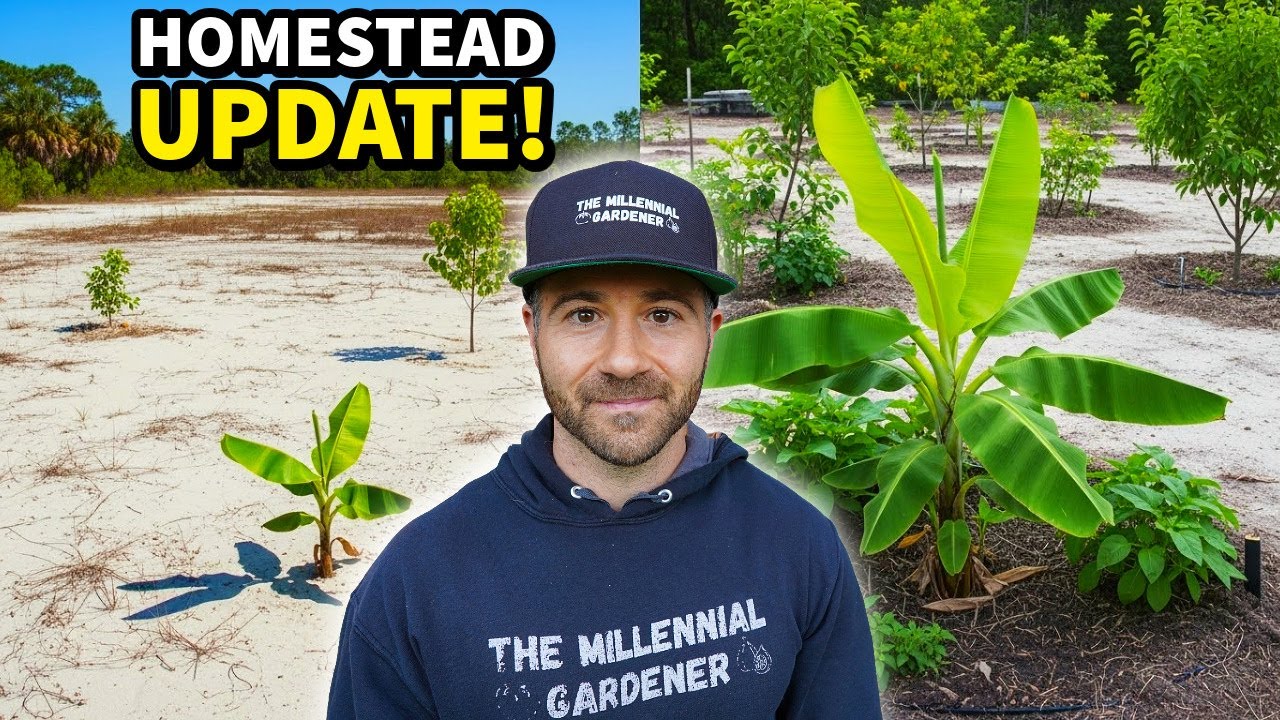
Welcome to your major homestead update! You’re about to embark on an exciting new chapter in your homesteading journey, and this post will guide you through the latest developments, plans, and inspiring changes happening on your property. Get ready to discover what’s next for your home and land as you embrace new opportunities and exciting challenges ahead.
Introduction
Imagine waking up to the symphony of chirping birds, the scent of freshly turned earth lingering in the air, and a horizon dotted with towering fruit trees—your very own slice of Eden, crafted with sweat, patience, and a dash of daring. Welcome to the world of homesteading, where every sunrise whispers promises of sustainable living, organic harvests, and a lifestyle that’s slowly but surely transforming from fantasy to reality. If you’ve been pondering how to explore your future homestead in North Central Florida, you’re not alone. This vast, lush landscape beckons with endless possibilities, and with a bit of planning, your vision of a food forest filled with thriving fruit trees and charming garden beds can become your Day One.
Starting your homestead journey might seem overwhelming at first—like trying to tame a wild stallion. But with a detailed plan, some trusty tools, and a sprinkle of patience, you’ll find the process not only rewarding but downright addictive. In this article, we’ll walk through the exciting steps of land transformation, from creating a lush food forest before your move to maintaining and expanding your fruit tree sanctuary. We’ll share tips, tricks, and real-life stories of nestling into your new lifestyle, along with product recommendations to make every job easier. So, pour yourself a tall glass of homemade lemonade, settle in, and prepare to see your land—and your future—through a whole new lens.
Transforming Land and Cultivating a Fruit-Filled Future in North Central Florida
There’s a poetic allure in envisioning a plot of North Central Florida blossoming into a lush homestead, teeming with life and promise. Whether you’re looking at rolling pastures or scrubby patches of land, the first step is imagining what could be—an expansive food forest rooted in organic principles, brimming with fruit trees that flourish under the subtropical sun. This isn’t just a pipe dream; it’s entirely achievable with deliberate planning and some groundwork. Think of it as turning a blank canvas into a vibrant masterpiece, each tree and shrub a stroke of genius on your very own landscape.
Starting to explore this future homestead involves more than just envisioning—it’s about rolling up your sleeves and getting dirty. You’ll perform land and garden maintenance that might include clearing debris, assessing soil health, and deciding where best to plant your new fruit trees. And don’t forget the existing trees and plants—those proud survivors can be your foundation, giving you a sense of continuity and immediate food sources while the new landscape takes shape. With regular care and a keen eye, you’ll help your land reach its full potential, nurturing it like a parent does their child, understanding that growth must be intentional and patient.
Soon, you’ll be able to watch a full Florida homestead property tour for inspiration—glimpsing how seasoned homesteaders have transformed their plots into thriving ecosystems. These videos serve as both motivation and practical guides, demonstrating how everything from installing weed barriers to deploying shade cloths can make a massive difference in your success. Ultimately, this process becomes less of an undertaking and more of a lifestyle—a chance to be self-sufficient, environmentally conscious, and deeply connected to the land. And perhaps, most importantly, it’s about creating a space where future memories bloom alongside your fruit trees.
Creating a Food Forest Before Your Move
There’s something almost romantic about planting the seeds of your future homestead before even setting foot on the property. This concept—designing and establishing a food forest in advance—is a strategic act of love and foresight. Imagine sourcing hardy, organic fruit trees, nurturing them in grow bags, and nurturing a mini-ecosystem of edible delights that await your arrival. This pre-move planning makes your transition smoother, as your orchard begins to establish roots years before you do—and when the big day arrives, your land will be teeming with potential.
Many homesteaders start by selecting varieties well-suited for Zone 8B, which encompasses North Central Florida’s warm, humid climate. Think of citrus, peaches, figs, and persimmons, all clinging gracefully to their nursery pots, patiently growing into giants. Planting your young trees in grow bags allows flexibility—a kind of portable paradise—that can be moved around to optimize sunlight or protect against storms. You’ll also prepare the soil with organic fertilizers like Alaska Fish Fertilizer and Espoma PlantTone, ensuring that your future fruit trees have a nutritious start. This planning phase isn’t just about planting; it’s about envisioning a flourishing harvest that feeds your family and perhaps even some local neighbors.
And the beauty of planting before the move? It reduces the overwhelming feeling of starting from scratch. You’ll cultivate a manageable patchwork of fruit trees, creating a lush nursery that doubles as an early foothold in your homesteading adventure. Watching those tiny saplings grow into towering titans will give you tangible proof that your land is gradually transforming, inch by inch, into the productive, food-supplying paradise you’ve always dreamed of. Plus, with a bit of expert advice and the right products, like garden fabric and watering wands, you’ll enjoy the process so much that it feels less like work and more like crafting your own personal Eden.
Ongoing Land and Garden Maintenance in North Central Florida
Once your initial planting and preparations have taken root, the real fun begins—maintenance, with its mysterious blend of chores and charms. Maintaining a homestead in North Central Florida is less about relentless labor and more about developing an intuitive rhythm with your land. You’ll find yourself eager to step outside with a cup of coffee, inspecting your fruit trees’ new shoots or gently clearing pesky weeds that threaten to overshadow your fragile young plants. It’s in these small daily acts that the foundation for a resilient, productive land is laid.
Part of this ongoing care involves caring for existing fruit trees—some may be volunteer survivors from previous owners or native species that have found a way to thrive. These trees, often overlooked, can be vital in building your food forest, providing immediate shade, bloom, and, of course, fruit. Regular pruning, fertilizing with organic options like Espoma PlantTone, and watering with tools like a watering wand or drip irrigation system will keep them healthy. You might even discover hidden pests or early signs of disease, offering an opportunity to engage in organic pest control hacks—perhaps neem oil or introducing beneficial insects—that keep your land chemical-free.
Garden maintenance in this climate also involves an understanding of the land’s natural rhythm—when to mulch, when to shade, and when to harvest. Using tools like contractor’s paper or weed barriers grants you control over invasive plants, while shade cloths can protect sensitive saplings from Florida’s intense sun and sudden storms. A well-maintained garden becomes a sanctuary—one where every plant, tree, and flower is part of a delicate, blooming symphony. It’s a dance of patience, observation, and gentle intervention, laying the groundwork for an abundant, sustainable future that truly feels like a living art project.
Planting New Fruit Trees to Establish a Productive Food Forest
Picture this: a sun-dappled morning where the earth feels just right—neither too dry nor too soaked—and you’re ready to add fresh characters to your evolving landscape. Planting new fruit trees in your North Central Florida homestead is akin to welcoming new friends to a growing neighborhood—each with its personality, needs, and potential to feed your community. This process isn’t simply about sticking saplings into the ground; it’s about creating harmony among plants, understanding spacing, companion planting, and the subtle art of nurturing until those tiny twigs turn into shade-giving giants.
You’ll want to follow a step-by-step schedule—perhaps starting with soil amendments, then planting during the cooler months to give your new apple, pear, or fig trees the best chance to settle in. Doing your homework on rootstocks and choosing varieties suited for Zone 8B ensures hardy, fruitful results. You might use grow bags initially to shield delicate roots from unpredictable weather or to experiment with placement before committing to permanent spots. Organic fertilizers will feed your saplings naturally, encouraging healthy growth and vibrant fruiting without the chemicals that can upset Florida’s delicate ecosystem.
Once established, these trees will become the backbone of your food forest—a lush, layered masterpiece of nature’s bounty. Over time, with consistent care and strategic pruning, you’ll watch them flourish, their branches heavy with ripe, fragrant fruit. The true joy lies not only in harvest time but in knowing that these trees are the culmination of your hard work, patience, and a deepening relationship with the land—and, ultimately, with yourself. Planting new fruit trees is more than an act of gardening; it’s a declaration of faith in the future and a celebration of life’s simple, sweet pleasures.
Conclusion
Embarking on a major homestead update in North Central Florida isn’t just about land—it’s about crafting a life that pulses with purpose, sustenance, and artistry. Every seed you plant, every tree you nurture, is a verse in the ongoing poem of your land’s transformation. Through strategic planning, organic care, and conscientious maintenance, your homestead can evolve into a thriving food forest that feeds your spirit as much as your stomach. The journey may be dotted with challenges—unpredictable weather, stubborn weeds, or a misstep here and there—but each hurdle is simply a step toward something grander.
This chapter in your life is filled with possibility, and whether you’re watching a Florida homestead property tour for inspiration or scrolling through tools and products on your favorite Amazon gardening store, remember that every effort is an investment in a future where self-sufficiency and joy walk hand in hand. The land in North Central Florida holds infinite promise, and with perseverance, your landscape will become a living testament to your dreams—an edible, beautiful sanctuary that just keeps giving. So take a deep breath, grab your toolbelt, and dive into this exciting new chapter—you’re building something truly special.
Frequently Asked Questions
Q1: How do I start planning my food forest in North Central Florida?
Begin by assessing your land’s current conditions—soil type, sunlight, existing plants—and envision what kinds of fruit and nut trees thrive in Zone 8B. Research native and adapted species, focusing on ones that flourish with minimal intervention. Sketching a layout helps, considering sunlight, water access, and companion planting strategies. Starting with small, hardy trees in grow bags gives you flexibility, and gradually expanding once you see how the land responds makes the process manageable and joyful.
Q2: What organic fertilizers are best for fruit trees in Florida?
Organic options like Alaska Fish Fertilizer and Espoma PlantTone are excellent for boosting tree health naturally. Fish fertilizers provide a quick boost of nitrogen and trace minerals, while Espoma’s Organic Fruit Tree Food gives a slow-release feed that supports flowering and fruiting. Applying these fertilizers during the growing season, especially after pruning or fertilizing, encourages lush growth and abundant harvests.
Q3: How can I maintain my fruit trees in Florida’s challenging climate?
Regular inspection, watering, and pruning are key. Use shade cloths during extreme heat to prevent sunburn and reduce stress. Mulching conserves moisture and suppresses weeds, while organic pest controls like neem oil keep damage minimal. Pay attention to signs of overwatering or drought stress, adjusting your watering schedule accordingly. Patience and observance will help you tend these giants through Florida’s unpredictable weather.
Q4: Are grow bags suitable for establishing a fruit tree’s root system?
Absolutely. Grow bags are portable, allowing you to adjust placement for optimum sunlight and protection. They prevent root circling and make transplanting easier. Plus, they’re perfect for trial runs before planting trees permanently in the ground. Just ensure the bags have adequate drainage, and replenish organic soil amendments regularly to keep your young trees thriving.
Q5: Can I create a productive homestead with limited space?
Definitely. Even small plots can host a micro-food forest with vertical gardening, raised beds, and container planting. Focus on stacking functions—fruit trees, berry bushes, herbs—within a manageable area. Utilize grow bags and vertical supports to maximize space efficiency. Organic gardening hacks and strategic planning will make your homestead a lush, sustainable haven, regardless of size.
Final Thoughts
Turning land into a bountiful homestead is a journey of discovery—of patience, resilience, and an ever-deepening connection to nature. It’s about transforming raw soil into a vibrant ecosystem, one seed, one tree, and one honest effort at a time. As you embark on this exciting chapter in North Central Florida, know that your land’s story is just beginning. With each step—planting, pruning, nurturing—you’re not only cultivating fruit but also planting the seeds of self-reliance, hope, and joy. So take that first step with enthusiasm, relish the process, and trust in the magic of growth. Your future homestead awaits, ripe with promise.