
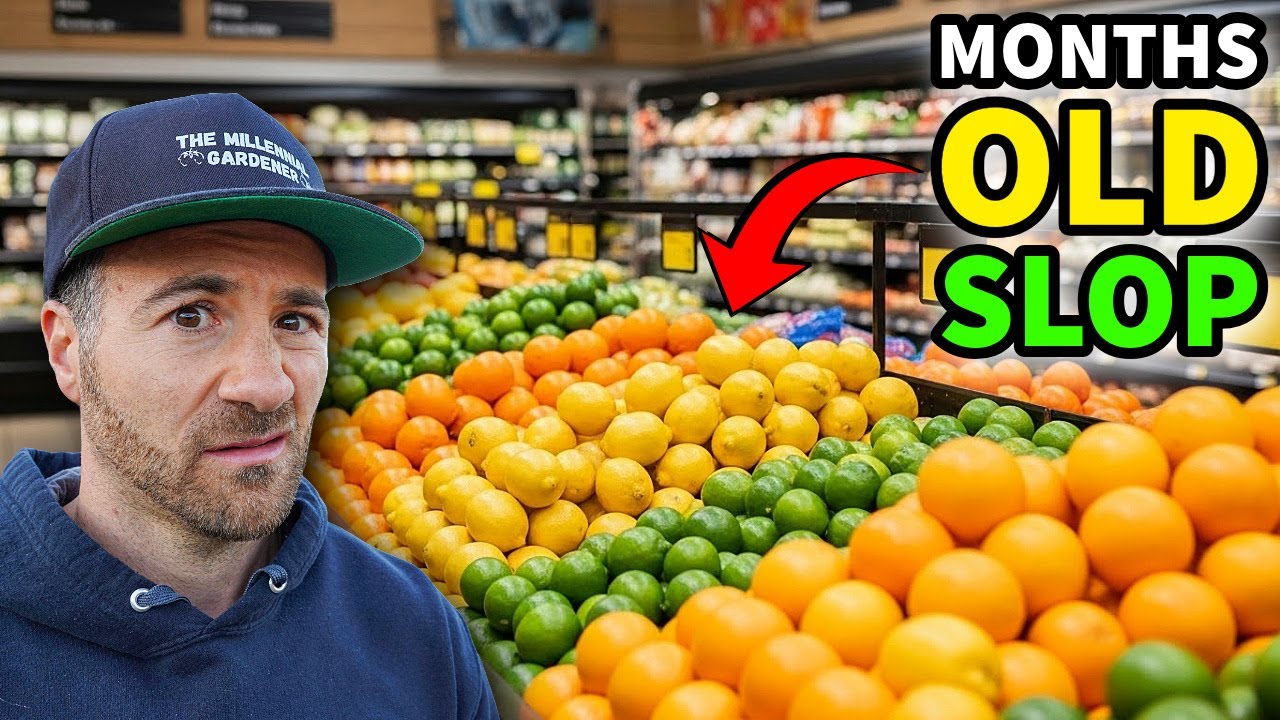
You might think you know everything about the citrus industry, but hidden problems are lurking beneath the surface that will both shock and disappoint you. In this post, you’ll uncover the unsettling truths that could change the way you view your favorite citrus fruits forever.
Introduction
Imagine peeling into what looks like a radiant, sun-kissed orange or succulently plump lemon, only to find a tissue-thin layer of skin hiding a pulp that might have been harvested months ago. It’s an unspoken garden-variety betrayal—the kind you don’t see coming until you accidentally bite into a flavorless, mealy mess, and wonder, “Is this really fresh fruit, or just clever marketing?” Welcome to the shadowy world of the citrus industry, where bright, glossy disguises hide a smog of questionable practices and startling truths. For years, many of us have been lulled into believing that the produce at our local grocery store is as fresh as a morning dew, but beneath that shiny veneer lies a scandal that might make you think twice before biting into that juicy slice.
The citrus industry is a tangled web of complex supply chains, global trade secrets, and practices that are often as sour as the fruits it hopes you won’t scrutinize too closely. Behind the scenes, citrus growers and giant corporations grapple with a dirty secret—one that involves grown-almost-to-death trees, long-distance shipping that saps flavor and freshness, and an industry that sometimes values profits over produce quality. If you’ve ever wondered whether those vibrant oranges are worth the money—or if that bright lemon is just a chemical-painted illusion—hang tight. Because by the end of this story, you’ll be armed with the facts and tips to avoid being fooled and to savor truly fresh, delicious citrus year-round.
The Sour Truth About Store-Bought Citrus
Step into any grocery store, and a symphony of citrus scents assaults your senses—zesty notes that seem to promise sunshine and happiness. But do those glossy oranges and perfectly rounded lemons really tell the story of freshness? Not quite. Most store-bought produce, especially citrus, is months removed from its prime. That “fresh” orange? Chances are, it’s been picked prematurely, shipped across continents under ghastly conditions, and stored in cold warehouses until it’s finally placed on those display shelves. This is the brutal reality—what seems like a bargain on the price tag often reflects a fruit that’s lost much of its original vitality.
When considering why your citrus might taste bland or disappointingly watery, it’s crucial to understand how long these fruits can sit in transit. Citrus can be harvested before fully ripened—some designed for durability rather than flavor—with the hope that it survived the voyage to your local supermarket. Often, what you’re biting into is a shadow of what it once was—a fruit that’s been ripened artificially or treated with preservatives to extend shelf life. It’s a cruel game of supply chain roulette that rewards quantity over quality, leaving consumers in the dark about the real story behind their produce.
This widespread practice isn’t just an inconvenience for your palate; it’s a betrayal of the very essence of fresh fruit. The citrus industry’s methods, despite marketing promises of farm-fresh produce, can be downright deceptive. Many of these fruits are harvested months before they reach your hands, and the flavor dimension—the tang, the sweetness, the juiciness—often fades long before the fruit hits the checkout. Want to truly enjoy citrus? It’s time to decode the tricks, learn how to identify genuine freshness, and avoid paying full price for a soulless, old slop masquerading as nature’s candy.
The Industry’s Dirty Little Secrets Revealed
Beneath the bright banners and enticing displays lies a world of practices so questionable they could make your jaw drop. For starters, the global citrus industry operates on a system that’s heavily dependent on monoculture—planting vast swaths of a single citrus variety to maximize profits. This monoculture is often maintained with high doses of chemicals, pesticides, and growth regulators designed to accelerate ripening and protect crops from pests, but at what cost? These chemicals don’t just influence the size and color of the fruit; they often tamper with the flavor and nutritional profile, leading to fruits that look appealing but taste flat and dull.
And here’s the kicker—most of that orange juice or lemon zest we buy is not locally grown, but imported from countries where standards are lax and regulations murky. The citrus industry has cultivated a global network of growers who operate behind layers of secrecy, making it nearly impossible for consumers to trace their fruit back to its origins. This lack of transparency feeds a cycle of exploitation—of farmworkers, of ecosystems, and of the consumer’s trust. The unfortunate truth is that many citrus fruits are grown in regions where environmental regulations are minimal, and long-distance shipping exacerbates the degradation of fruit quality.
Perhaps most disturbing is the industry’s reliance on artificial ripening methods—using ethylene gas or calcium carbide to “speed up” the process artificially. This leads to fruits that appear ripe and vibrant, but are fundamentally compromised internally. The end result? Fruits that look perfect on the outside but are bland, dull, or even harmful upon closer inspection. When you learn the truth about how these fruits are grown and shipped, it’s enough to make you want to plant your own citrus grove—just to taste the real deal again.
How to Outsmart the Grocery Store Scam
The good news? With a little savvy, you can beat the system and scoop up citrus that actually tastes like citrus. Knowing what to look for—and perhaps more importantly, what to avoid—can make all the difference between a juicy, flavorful fruit and a spoonful of disappointment. First, embrace the tactile art of selection. Genuine, freshly picked citrus often feels firm yet gentle to the touch—like squeezing a ripe peach, not a ball of rubber. Skins that are too smooth or overly pristine might be coated with wax or artificial shine; instead, look for slight imperfections or a matte finish that indicates minimal processing.
Another trick is to get familiar with seasonal cues. Citrus, like most fruit, has its prime harvest periods—usually in winter months across many varieties. Buying within the peak season increases your chances of authentic, freshly harvested fruit. Purchasing from local farmers’ markets or specialty grocers who source directly from reputable growers is your best shot at avoiding the long-shipped, old-at-the-back-of-the-store fruit. These vendors tend to be more transparent about their sourcing and prioritize quality over flashy displays.
Finally, don’t underestimate the power of research. The internet is a treasure trove of tips and guides for selecting the freshest citrus—learning how to sniff for a sweet, citrusy aroma, or how to inspect for signs of aging, can transform your shopping routine. Armed with knowledge, you can outsmart the grocery store scam, ensuring every bite is bursting with flavor and health. Whether you’re growing your own fruit trees or simply buying smarter, the goal remains the same: to reclaim the joy and authenticity that fresh citrus can bring to your life.
The Global Journey of Citrus and Why It Matters
To truly appreciate what we’re up against, it helps to understand the sprawling global web of citrus cultivation. From sunbaked groves in Spain and Italy to sprawling orchards in Brazil and South Africa, citrus fruits are grown virtually everywhere the climate allows, each region bringing its own nuances and flavor profiles. But why does this matter? Because the origins of your fruit influence everything—its taste, its health benefits, and even how fresh it truly is when it lands on your supermarket shelf.
Some regions cultivate citrus with practices that prioritize flavor, organic methods, and sustainability. Others rely heavily on chemical inputs, harvest fruits prematurely, or ship them across oceans in refrigerated containers that sap their intrinsic juices. For example, citrus from California’s vibrant orchards might retain more natural qualities, but it’s a rarity—and often commands a premium price. Conversely, the bulk of imported citrus from far-flung corners of the globe may appear attractive price-wise but are often the fruits of well, questionable practices.
In recognizing these differences, consumers gain an invaluable advantage: the power to choose better. Seeking out nearby sources, supporting organic farmers, or even learning how to grow your own citrus trees at home helps break the industry’s grip on quality. When you understand where your fruit truly comes from and how it’s grown, you gain a new perspective on what makes citrus special—flavor, freshness, and the simple joy of sinking your teeth into a genuinely ripe, sun-ripened slice.
The Video That Will Shock and Disgust You
There’s a reason people are sharing videos that expose the shocking realities of the grocery store fruit aisle. These footage snippets reveal everything from the deceptive wax coatings that make aging citrus look fresh to the horrifying conditions in some imported orchards—where workers labor under hazardous environments, and chemical overuse is normalized. It’s like a behind-the-scenes peek into a world most consumers typically ignore amid a busy shopping trip.
Watching these videos, you start to see the shocking extent to which industry practices have warped the idea of “freshness.” Fruit that looks plump and vibrant on your table could have been picked months ago, artificially ripened, and coated in chemicals. The startling footage shows warehouses filled with crates of fruit that are, quite frankly, past their prime, yet still marketed as premium produce. It’s an eye-opening reminder of how much we’re manipulated—sold the illusion of flavor and health with a shiny exterior.
The best part? These videos often come with tips and actionable advice on how to discern the real deal—bright, fragrant, firm citrus—and avoid the deceptive, processed lies. Watching these detailed breakdowns can empower you to reclaim control of your fruit choices. Beyond just the shock factor, they offer a blueprint for smarter shopping and better eating, helping you trust your senses again and appreciate the unpaid work of honest growers. Knowledge is power, especially when it comes to something as fundamental—and as flavorful—as citrus.
Tips for Year-Round Access to Better Citrus
Now, let’s get practical. No one wants to be the person who eats flavorless oranges in July or grapples with pasty lemons in February. Luckily, with a few strategic moves, you can enjoy vibrant, tasty citrus all year long—without falling for the industry’s tricks. First, embrace the organic and local markets during peak seasons. These sources often carry freshly harvested fruits, packed with flavor and nutrients, not to mention supporting community farmers.
Secondly, consider growing your own citrus if you have a yard, balcony, or even a sunny windowsill. Nothing beats the joy of plucking a ripe orange straight from your own tree—or at least nurturing its growth. While growing citrus requires patience and care, it’s a rewarding way to ensure quality and flavor. Keep in mind that a proper citrus tree needs well-draining soil, a bit of fertilizer, and plenty of sun—invest in good gardening tools, soil amendments, and organic fertilizers to boost your garden’s productivity.
Lastly, learn the art of proper storage and ripening techniques. Store citrus in a cool, dry place, and let the fruit ripen at room temperature if it’s still firm. Once ripened, refrigerate to prolong freshness. With these tips, you’ll uncover how to bypass the store’s long, treacherous supply chain and enjoy the real thing—punchy, juicy, and unmistakably fresh—all year round. The joy is in the journey, and with just a little effort, it can be a flavorful one.
Frequently Asked Questions
Q1: How can I tell if a citrus fruit is truly fresh and ripe?
A1: Look for firm, heavy fruits that have a vibrant color and a slightly waxy, matte skin rather than a shiny or overly smooth surface. Smell the fruit; a fresh citrus will emit a sweet, fragrant aroma. Gently squeeze—the fruit should yield slightly but not feel mushy. Avoid fruits with blemishes, soft spots, or signs of shriveling, which indicate aging.
Q2: Are imported citrus fruits safe, and how do I identify quality imports?
A2: While many imported citrus fruits are safe, their quality can vary significantly due to storage and shipping practices. To identify quality imports, check for consistent firmness, a fresh aroma, and minimal blemishes. Buying from reputable importers or stores that prioritize sourcing from trusted growers can drastically improve your chances of getting good-quality fruit.
Q3: What are the health risks of consuming chemically ripened or wax-coated citrus?
A3: Chemicals like calcium carbide used for artificial ripening can pose health risks over time, such as skin irritation or longer-term toxicity. Wax coatings, especially if synthetic, may also hinder nutrient absorption and potentially contain allergens. Always wash fruits thoroughly or peel thick-skinned citrus to reduce chemical residues, and favor organic or local produce where possible.
Q4: Can growing my own citrus save money and improve quality?
A4: Absolutely. Growing your own citrus not only guarantees the freshness and flavor of your fruit but also reduces reliance on heavily processed commercial produce. While there’s an initial investment in trees, soil, and supplies, the long-term benefits include tastier fruit, fewer chemicals, and the satisfaction of cultivating something truly your own.
Q5: How do I start my own citrus garden if I have limited space?
A5: Choose dwarf or container-friendly citrus varieties, such as Meyer lemons or calamondin oranges. Use large pots, well-draining soil, and position your plants in a sunny spot—like a balcony or windowsill. Regular watering, organic fertilizers, and pruning will keep your citrus healthy. With patience, even a small space can yield surprisingly delicious, homemade fruit.
Final Thoughts
Peering behind the curtain of the citrus industry exposes a world where glossy appearances mask a complex web of exploitation, chemicals, and long-distance shipping that strips fruits of their true essence. But knowledge is your most potent tool—armed with it, you can sidestep the scams, support ethical growers, and savor that wild, lip-smacking joy of genuinely fresh citrus. Growing your own trees or seeking out local, organic options transforms grocery shopping from a gamble to a rewarding ritual. So peel back the layers—literally and figuratively—and indulge in the vibrant, authentic flavors that nature intended. Because in the end, the sweetest citrus is the one you’re most in control of—fresh, honest, and bursting with sunshine.