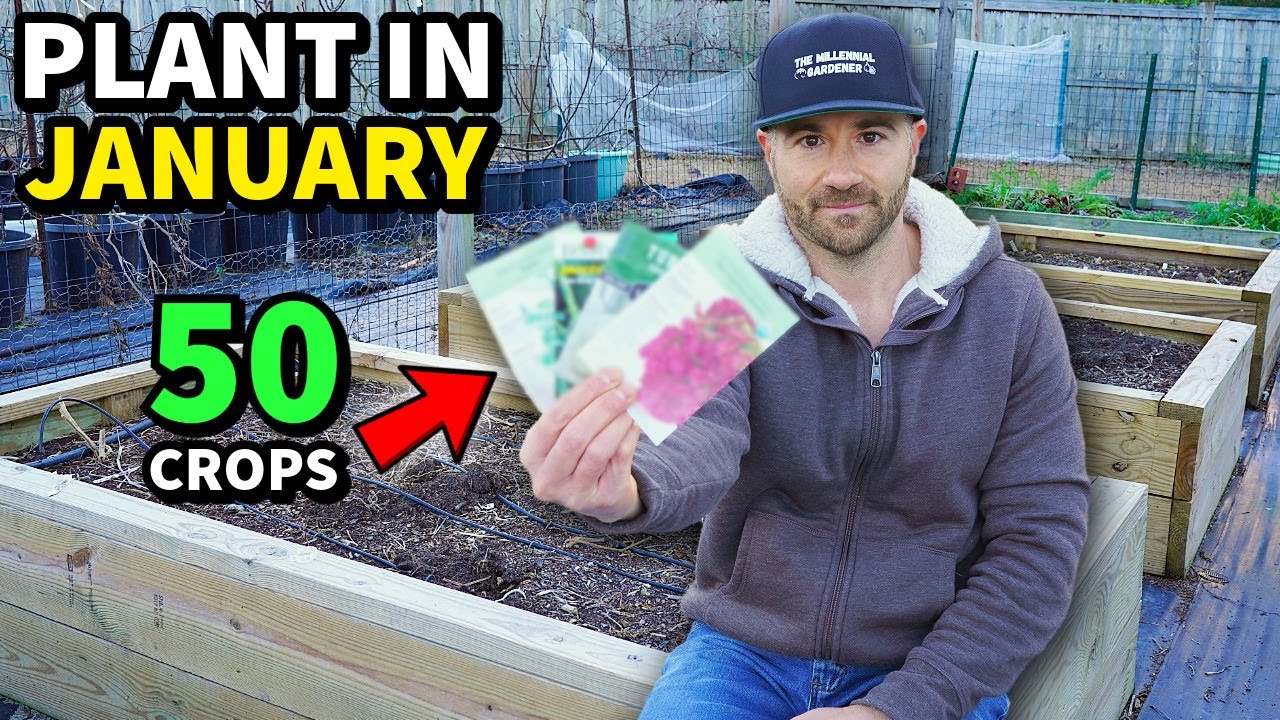
Don’t hesitate to start your gardening journey this January! With these 50 amazing crops, you can transform your space into a vibrant, productive oasis. Whether you’re a seasoned gardener or just getting started, these options will inspire you to plant now and enjoy fresh, homegrown produce all year round.
Don’t Hesitate! Plant These 50 Amazing Crops This January
Introduction
In the grand scheme of the gardening calendar, January often cowers at the back, bundled up in wool sweaters and a blanket of winter gloom. But surprise! This month—yes, this polar vortex-inflicted, frostbitten month—can be your secret weapon for a startlingly bountiful harvest. While others lounge in hibernation, you can roll up your sleeves and start planting the extraordinary, the resilient, and the downright delicious. Think of January as the sneaky backstage pass into year-round gardening—an exclusive club where veggies grow even when Jack Frost is nipping at your nose.
The notion of starting a garden in January might seem as foolish as attempting to sunbathe on an iceberg, but within that cold, quiet realm lies unparalleled opportunity. From the cheerful sprouting of cold-hardy vegetables to DIY PVC hoop houses that turn icy commutes into thriving greenhouses, your winter garden vision is entirely within reach. Forget waiting for spring’s gentle tap—your garden can dance to its own beat, right now, regardless of where you stand or how much snow covers your yard.
And here’s the best part: winter gardening isn’t just about survival; it’s about thriving, experimenting, and finding joy in each sprout breaking through the frost. So, are you ready to embrace the challenge? Grab your seed packets, your favorite gardening tools (hello, pruning shears and LED grow lights!), and let’s dive into a treasure trove of 50 incredible crops you can—no, should—plant this January. Your garden’s future self will thank you. Because in the world of gardening, the only thing standing between you and a winter harvest is a little willingness to get dirty.
The Magic of Winter Gardening: Starting in January
For many, January signals the finish line—time to reflect on pots of soup and the cozy glow of firelight. But for the intrepid gardener, it’s a fresh starting line. Think about it: the soil is cold but usually not frozen solid, and the daylight hours are creeping back slowly but surely. This means your January garden might be small, but it’s mighty. Long end-of-day hours devoted to seed starting or setting up cold frames and row covers can turn your yard into a winter wonderland of green growth.
Seed starting in January is an act of romantic defiance against nature’s timing; it’s foolproof proof that you, the gardener, are in charge—and perhaps even a little mischievous. Fast-growing, cold-hardy vegetables like arugula, beets, and echoing the resilience of hardened warriors such as broccoli and cabbage can be your go-to. These crops laugh in the face of frost and flourish when others retreat. It’s as if they have a secret pact with winter—“You can freeze us, but we’ll still sprout.” Growing these veggies compromises no more than a few minutes of your morning routine, and the payoff—fresh, home-grown greens—can’t be beat.
Plus, don’t dismiss the thrill of watching tiny sprouts appear amid snow shadows and icy breezes. There’s a certain joy in nurturing life during a time when everything else seems dormant. It’s akin to planting hope in frozen soil—a little act of rebellion in favor of spring’s eventual arrival. Learn how to build a DIY PVC hoop house for winter protection, ideal for shielding your favorite bedding plants, greens, or even delicate root crops from chilly surprises. This affordable and straightforward project makes winter gardening palpable, promising your plants safety and stability, even when Jack Frost is lurking.
Top Crops to Plant in January: 50 Fabulous Options
When considering what to sow in the winter months, the challenge often lies in choosing crops that are both resilient and rewarding. Luckily, January offers a veritable buffet of possibilities—think of it as your secret stash of fresh, crisp greens and robust root vegetables, waiting just beneath the frost line. Whether you’re planting directly into your garden beds or nurturing seedlings indoors under LED grow lights, this period is prime for trying out crops that are as hardy as your stubbornness not to give up on gardening.
Let’s start with the leafy greens—arugula, Swiss chard, and spinach—staples that flourish in the chill when others would prefer the couch. These greens are not just forgiving; they grow fast, are nutrient-dense, and lend themselves well to direct sowing in nutrient-rich soil or seedling trays. Root vegetables like carrots, beets, and parsnips are stealthily sowed in January, their seeds lying dormant beneath layers of winter mud, patiently waiting to reward your patience when the soil warms.
Moving beyond the basics, consider cultivating broccoli, cabbage, cauliflower, and bok choy. These cold-hardy friends tolerate frost and taste even sweeter after a chilly night. For a dash of spicy flavor, try planting radishes or even garlic—yes, garlic!—to maximize your harvest. If you’re feeling ambitious, build a simple row cover or insect netting to keep pesky pests away while preventing your plants from turning into squirrel snacks. Equipped with a few seedling heat mats, watering wands, and organic fertilizers like fish emulsion or bone meal, your garden will be a well-oiled, frost-resistant machine.
Practical Tips for Successful January Gardening
Achieving success in winter gardening isn’t an elaborate science reserved for green-thumbed wizards; it’s about understanding the rhythm of your environment and working with, rather than against, nature’s winter whims. Focusing on soil health is paramount. Even in the dead of winter, the soil beneath your feet can be coaxed into life by adding organic matter—compost or aged manure—to create a welcoming environment for your seeds or seedlings.
Using row covers and insect netting does more than just keep bugs at bay; they act as personal space heaters for your plants, trapping warm air and shielding tender leaves from biting winds. These simple tools can make all the difference in germination rates and the overall vigor of your crops. When planting, opt for seed varieties labeled as cold-hardy or winter-resistant; they’ve been bred for resilience and will give you an edge, even against December’s worst chills.
Gardening with minimal fuss also means investing in the right tools: pruning shears to tidy up your growing spaces, LED grow lights to simulate sunlight for indoor seedlings, and seedling heat mats to keep roots cozy. Don’t forget feeding your crops with balanced, organic fertilizers—trace minerals and fish fertilizer work wonders for promoting vigorous growth during these colder months. The trick is to stay flexible, keep an eye on the weather forecast, and remember that even a modest winter garden is a testament to your dedication. Success lies not in perfection but in persistence and a little bit of winter-time ingenuity.
Frequently Asked Questions
Can I really grow vegetables in January in colder climates?
Absolutely, and it’s easier than you might think. Cold-hardy vegetables like kale, spinach, and carrots can withstand freezing temperatures and even snow. The key is to protect them using row covers, cold frames, or DIY PVC hoop houses, which trap heat and create microclimates suitable for plant growth. Gardening expert tips suggest starting seeds indoors or in sheltered beds early in January to get a head start, leading to quicker harvests once the weather warms slightly.
What are the best tools and supplies for winter gardening?
A successful winter garden hinges on the right equipment. Pruning shears are essential for tidying up your plants and preventing disease, while water wands help prevent watering damage in cold weather. Grow bags or raised beds improve drainage and soil warmth, and LED grow lights provide necessary light when days are short. Seedling heat mats are magic—they keep soil temperatures optimal for germination. Organic fertilizers like fish emulsion or bone meal ensure your plants get essential nutrients without harsh chemicals.
Is building a PVC hoop house complicated or costly?
Not at all! PVC hoop houses are surprisingly straightforward and budget-friendly. You’ll need some PVC pipes, connectors, and fabric or plastic sheeting. Simply shape the pipes into arches over your planting area, secure them with clips or stakes, and drape your cover over the top. This mini greenhouse protects against frost, extends your growing season, and encourages rapid plant development. Many gardening communities share step-by-step tutorials online, making this DIY project accessible and highly effective.
Can I plant herbs and greens directly in the ground in January?
In most temperate zones, direct sowing greens like arugula, lettuce, or Swiss chard in January is doable with proper winter protection. Keep your soil moist and slightly warmer by covering it with mulch or row covers to prevent frost heave. Herbs such as parsley or garlic can also be sown or planted now, provided you shield them from severe cold. Keep in mind that patience is key—the germination may be slow, but persistence results in fresh, crisp greens long before spring.
How do I prevent pests and diseases during winter gardening?
Cold weather naturally keeps pests at bay, but minimal problems can still arise. Using insect netting around your plants creates a physical barrier against persistent critters. Practicing crop rotation and cleaning up plant debris reduces disease risk. Furthermore, avoid overwatering, which can promote mold and fungi, and incorporate organic pest deterrents like neem oil or garlic sprays if needed. Monitoring your plants regularly ensures issues are caught early, turning your winter garden into a pest-free paradise.
Final Thoughts
Daring to garden in January is a testament to the human spirit’s undying hope and tenacity. It’s a quiet rebellion—planting seeds when everyone else has packed up their gardening tools for the year. This approach isn’t just about producing fresh vegetables; it’s about proving that life persists, even under layers of frost and snow. Each sprout, each little leaf emerging from the cold earth, is a small miracle, a tangible reminder that patience, perseverance, and a pinch of ingenuity can turn winter’s bleakness into a lush, edible sanctuary.
So, whether you’re nestled in a region with icy extremes or enjoying milder January days, I urge you to embrace the challenge. Start your seeds now, build that DIY hoop house, and arm yourself with a few tools—that’s all it takes to turn winter into your most productive gardening season yet. After all, the best surprises often bloom during the least expected times, and your January garden might just be the start of something extraordinary. Dig deep—your future harvest awaits.
References
- Gardening community forums and expert blogs for DIY hoop house projects.
- Organic gardening guides for winter crop selections.
- Local weather charts and frost date calculators to plan planting schedules.
- Product links on gardening tools and supplies on Amazon for convenience and quality assurance.
Remember: The key to winter gardening success is not just planting, but cultivating the joy of creation—no matter what the season.