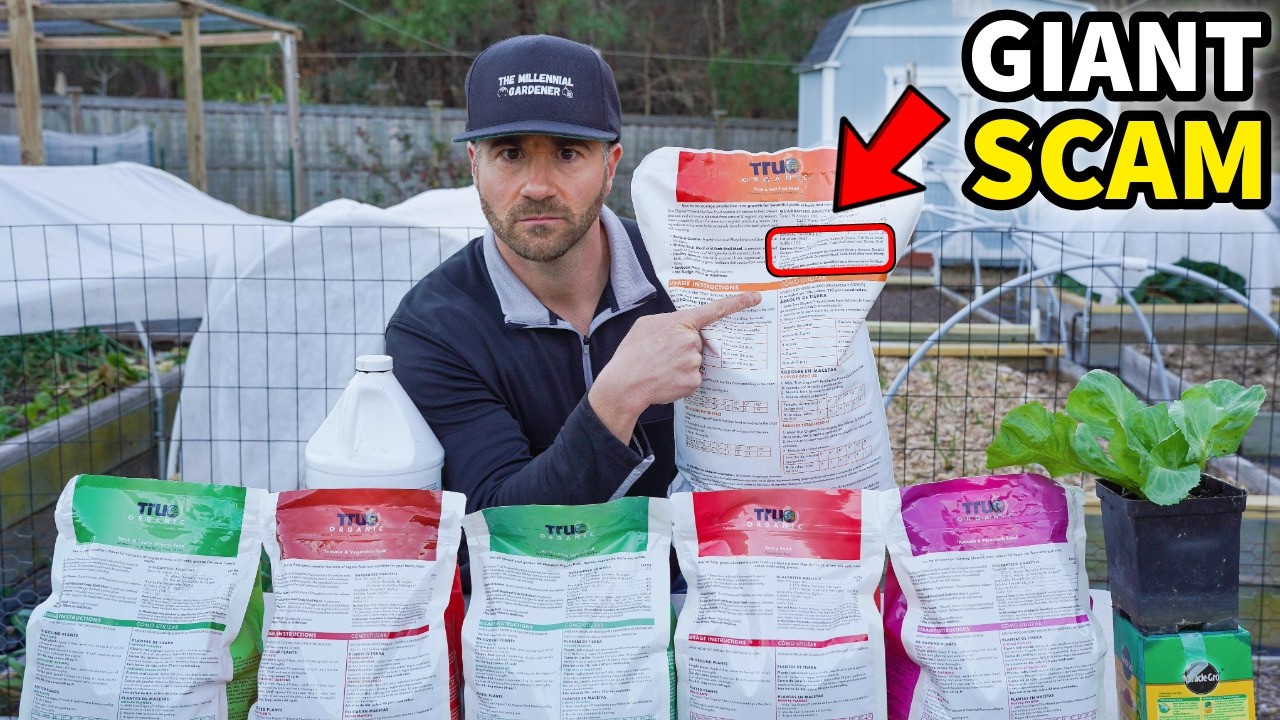
Have you ever suspected that you’re not getting the full value from your fertilizer purchases? There’s a hidden scam that many companies use to rip you off, and it’s affecting your bottom line more than you realize. In this post, you’ll uncover the shocking truth behind the fertilizer industry’s biggest secrets and learn how to protect yourself from falling victim to these deceptive practices.
Introduction
Ah, the mysterious world of fertilizer—where lush gardens and thriving vegetables are promised with every purchase, yet lurking behind the labels is an insidious game designed to part you from your hard-earned cash. If you’ve ever stood in a garden center, bewildered by an aisle filled with a kaleidoscope of bags boasting about “super nutrients” and “advanced formulas,” then you know the feeling: overwhelmed and suspicious. Most of us just want our plants to grow happily, to produce something edible or beautiful, but instead, we’re caught in a web spun by companies eager to sell us something we probably don’t need. It’s a full-blown scam, disguised cleverly with scientific jargon, slick marketing tricks, and confusing labels—making it nearly impossible for the average gardener to discern truth from hype.
This isn’t just garden-gossip; it’s a systemic issue that costs you money and ruins your patience. Ineffective fertilizers, misleading claims about NPK ratios, and the obsession with “extra-special” products make it daunting to grow a backyard paradise without handing over your wallet time and time again. But here’s the good news: by peeling back the curtain on this fertilizer fiasco, you can learn how to spot the scams, save some serious cash, and turn your garden into a lush oasis with practical, honest strategies. So, let’s dive into the murky waters of fertilizer marketing and uncover the hidden tricks companies leverage to make you believe you need their premium-priced solutions. Spoiler: many of them are just fancy junk marketed as magic.
The Great Fertilizer Deception: How Companies Refers to Itself as Your Garden’s Savior
Every time you open a fertilizer bag, what you’re really seeing is a cleverly crafted sales pitch wrapped in scientific-sounding language. The big fertilizer companies thrive on the misconception that more is always better—more nutrients, more “special blends,” more expensive labels. They know that gardening can sometimes feel like a guessing game, and so they capitalize on that uncertainty. The phrase “NPK ratio” becomes a buzzword that’s thrown around with the fervor of a political debate, yet in reality, most plants aren’t picky about the exact numbers. Instead, their health depends more on understanding your soil, using organic options, or simply not overdoing it.
These companies also bank on the fact that many gardeners lack the time or energy to decipher what’s in those tiny print labels. You might see a bag boasting about a “miracle formula,” but in truth, many of the ingredients are either unnecessary or borderline scammy fillers designed solely to boost the product’s perceived value. For instance, a bag laden with nitrogen-heavy compounds might seem like the ticket to rapid green growth, but over-fertilizing can actually harm your plants or pollute neighborhood waterways. It’s a classic case of marketing magic over horticultural science, with most products promising quick fixes that don’t stand up to scrutiny.
Perhaps most insidious is the scam companies’ reliance on hyped-up “special ingredients” like trace minerals or exotic additives that serve little purpose in most home gardens. These are often marketed as “cutting-edge science,” but in reality, your plants often thrive on simple, proven methods—think compost, organic matter, and patience. It’s a clever game of illusion, convincing you through packaging and persuasion that you need their super-fertilizer to succeed. Meanwhile, gardeners cutting through the hype can find genuine success—without busting the bank.
The Dirty Truth About NPK Ratios and Fertilizer Marketing Tricks
Let’s face it: NPK ratios are to fertilizer labels what astrology is to horoscopes—fascinating but ultimately irrelevant in most practical scenarios. These ratios, which denote the percentage of nitrogen (N), phosphorus (P), and potassium (K), are often used as a sales gimmick rather than a true guide for plant health. You might see a 10-10-10 balanced formula and think Voilà! Exactly what your plants need. But in reality, most garden soils are naturally equipped with enough of these nutrients, and oversupplying them can lead to more harm than good.
Fertilizer companies love to parade around their “high NPK content” as if it’s some magic elixir. Meanwhile, experienced gardeners know that healthy soil biology, organic matter, and proper watering practices are far more impactful than obsessively chasing after the “perfect” NPK label. Furthermore, the idea that a specific ratio will transform your tomato plants into flavor bombs is a myth designed to persuade you into buying products that are entirely unnecessary. Think of it like focusing on the size of a dessert spoon when what you need is a balanced, well-tended garden—so much more to do with how you care than what the label says.
The best approach? Learn to read the fertilizer bags properly—look beyond the flashy ratios and focus on organic options, local sources, and practical application. You’re probably better off with a simple, low-cost bulk fertilizer like Alaska Fish Fertilizer or Espoma PlantTone, which deliver essential nutrients without the marketing hype. Remember, creating a thriving garden isn’t about expenditure—it’s about understanding what makes your plants happy and healthy.
The Big Fertilizer Scam: How They Play You for a Fool
Here’s the scoop: the fertilizer industry is rife with scams aimed directly at your wallet. These scams come cloaked in scientific mumbo jumbo, “testimonials,” and promises of miracle growth, but they often deliver very little. One of their most successful tricks is what I call the “overspending illusion”—convincing you that you need to buy an expensive, “premium” formulation when a simple, affordable option will do just as well if not better.
You see, the real secret is this: most fertilizers are overpriced because of slick marketing, not because they are superior. Companies spend millions dressing up their products to look cutting-edge, but at the end of the day, your garden’s health hinges on soil health, proper watering, and organic matter—these are cheap, proven, and effective. The scam companies also target novice gardeners, feeding them a sense of urgency to buy “special blends,” which are often no better than cheaper alternatives. What’s worse? They sometimes add ingredients that are entirely unnecessary, like superfluous trace minerals, that won’t benefit your plants but will line their pockets.
Practical hacks include sticking with low-cost, high-quality bulk fertilizers like Espoma PlantTone or Alaska Fish Fertilizer. These options are often organic, slow-release, and packed with all the nutrients most plants crave. Plus, they don’t come with the inflated price tags or the false promises. Just like in any scam, the key is education—know what to buy, what to avoid, and how to apply it correctly. Your wallet and plants will thank you.
DIY Fertilizer Strategies: Grow Your Garden on a Budget
While big fertilizer companies parade their hefty bags of “ultimate plant nutrients,” savvy gardeners know that great results often come from a little ingenuity. DIY fertilizing strategies are your ticket to a healthier, more vibrant garden—without the unnecessary expense. Composting kitchen scraps, lawn clippings, and garden waste creates a natural, nutrient-dense brew that outperforms any chemical concoction you can buy. It’s the garden’s version of cooking from scratch: simple, honest, and surprisingly effective.
Another trick involves using organic ingredients that you probably already have lying around, like fish emulsion, eggshells, or banana peels—each packed with essential nutrients. Fish emulsion, in particular, is a potent liquid fertilizer that’s both inexpensive and sustainable. You can even create your own mineral-rich concoctions by mixing Azomite Trace Minerals into water or soil, giving your plants a broad spectrum of nutrients stripped of marketing hype. Plus, applying organic matter improves soil structure, retains moisture, and fosters a thriving ecosystem beneath the surface—a true long-term investment.
The real magic is in timing and moderation: avoid the brink of overfeeding your plants, and instead, adopt a gentle and consistent feeding schedule. Use natural ingredients to bolster your soil’s biological health, and watch your plants flourish without breaking the bank. For more detailed recipes and gardening wisdom, check out the full playlist linked in the description—it’s your shortcut to gardening wisdom that bucks the hype.
Frequently Asked Questions
1. Why do fertilizer labels often seem so confusing? —
Fertilizer labels are deliberately complex because companies want you to buy their products without fully understanding what you’re getting. They use terms like “complete,” “balanced,” and elaborate NPK ratios to create an aura of expertise, even when most of these labels are marketing tricks. Learning to read the ingredients and understanding your soil’s needs demystifies the process, saving you money and gardening headaches. Think of it as learning to decode a foreign language—once you’ve cracked the code, your choices become clearer and more practical.
2. Are organic fertilizers really better than chemical ones? —
In almost every case, yes. Organic fertilizers like Espoma Bone Meal or Azomite Trace Minerals work with nature rather than against it. They improve soil health over time, supporting beneficial microbes and organic matter, which in turn promotes stronger, healthier plants. Chemical fertilizers might give quick results but tend to lack longevity, often leading to nutrient runoff, soil degradation, or even plant damage if overused. Organic options tend to be cheaper and more sustainable—think of them as the vitamins your garden needs to thrive rather than quick sugar rushes.
3. How do I spot a fertilizer scam from a mile away? —
Look for buzzwords like “miracle,” “secret,” or “proprietary blend” that sound too good to be true. Beware of flashy packaging and absurd claims of instant growth. If a product promises to unlock your plants’ “full potential” with minimal effort, chances are you’re being sold snake oil. Also, check the ingredients list for unnecessary fillers, excessive synthetic compounds, or trace minerals that aren’t backed by scientific evidence. Trust your intuition—if it looks like a scam, it probably is.
4. What are some cost-effective fertilizers I can use at home? —
Traditional garden staples like Alaska Fish Fertilizer and Espoma PlantTone are excellent choices—affordable, organic, and packed with essential nutrients. They’re slow-release, so you don’t need to worry about overfeeding, and they work harmoniously with your soil. Plus, they can often be purchased in bulk, making them perfect for budget-conscious gardeners who want results without ripping open their wallets. Remember, growing healthy plants isn’t about spending thousands but understanding simple, effective practices.
5. Can fertilizing too much harm my garden? —
Absolutely. Over-fertilizing can lead to “fertilizer burn,” where excess nutrients damage plant roots, cause excessive leafy growth at the expense of fruit or flowers, and pollute groundwater. The key is moderation and understanding your soil’s actual needs—testing your soil can help determine what’s missing or in surplus. Patience, organic matter, and consistent watering often outperform a reckless sprinkling of expensive fertilizer. Your plants will thank you for respecting their health, not just flooding them with additives.
Final Thoughts
Navigating the fertilizer marketplace can feel like trying to find a needle in a haystack—except the haystack is made of marketing spin, and the needle is simple, honest gardening advice. By understanding that most fertilizers are not miracle cures but rather tools that can be misused or overhyped, you empower yourself to garden smarter, not harder. Instead of falling for the scam that bigger, flashier bags are better, embrace the joy of organic, low-cost solutions rooted in common sense and soil ecology. Your garden, your wallet, and your peace of mind will thank you. Remember: a thriving garden is less about the fancy products and more about nurturing the soil, patience, and observing what your plants really need. Grow happy, spend wisely, and watch your garden flourish against all odds.