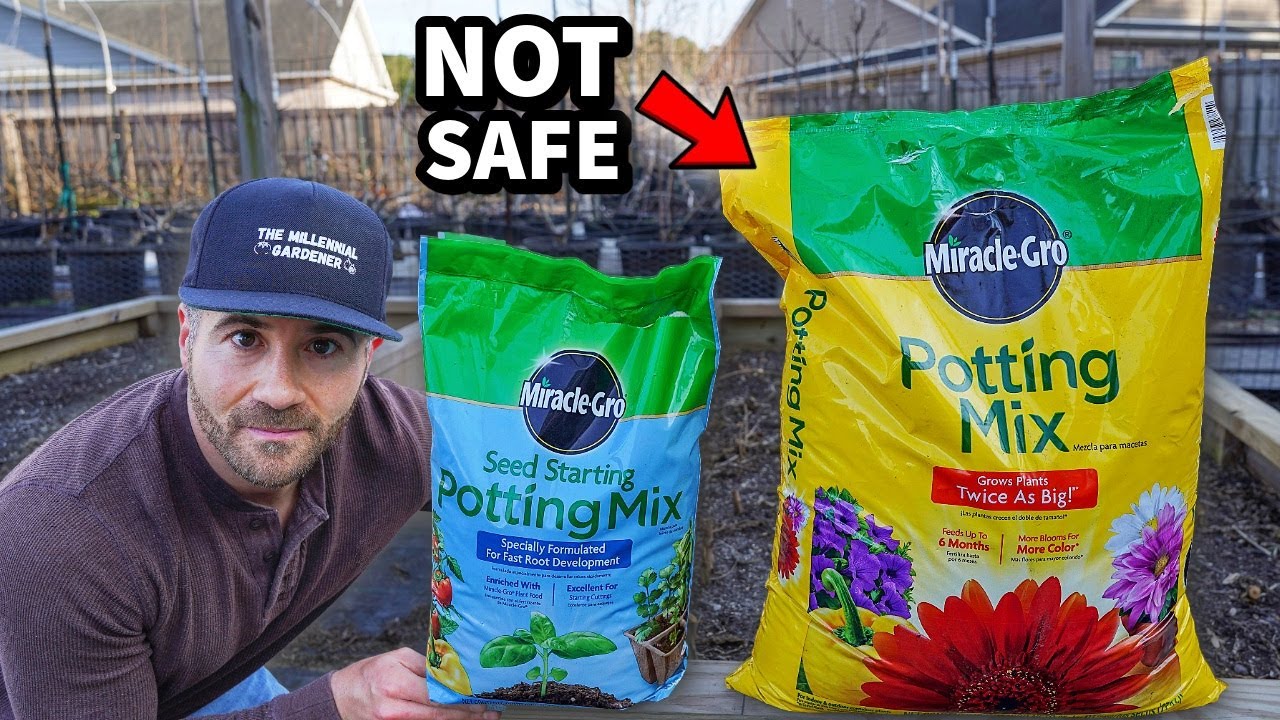
Are you thinking about using potting soil to start your seeds? Before you do, it’s important to understand why this common practice might not be the best choice for your gardening success. In this post, you’ll learn the key reasons why avoiding potting soil can lead to healthier seedlings and more robust plants.
Why You Should Avoid Using Potting Soil to Start Your Seeds
Introduction
If your idea of gardening involves tossing seeds into the nearest bucket of old potting soil and crossing your fingers, you might want to sit down for this news: it’s a recipe for disappointment. Yes, I’m talking about that bag of commercial potting mix that your neighbor swears by—convenient, fragrant, and seemingly foolproof. But when it comes to starting seeds, potting soil is more foe than friend. Imagine planting a delicate baby seedling into a substrate that’s already bustling with unseen bacteria, fungi, and other microbial mischief. It’s a little like placing a newborn in a crowded, germ-laden nursery—unsurprisingly, the little one might not thrive.
From stories of sprouted hopes that turn into moldy catastrophes to the ongoing mysteries of why seedlings suddenly keel over, the answer often boils down to one thing: soil choice. Please, resist the urge to grab that lush bag of potting mix for your seed-starting adventures. Instead, discover why a sterile seed starting mix is the secret ingredient to a garden that actually grows, and learn how to make your own. Spoiler alert: It’s easier and more satisfying than trying to decipher plant care forums while holding a sprouting seed.
The Hidden Dangers of Using Potting Mix for Seeds
Imagine trying to raise a delicate child in a household overwhelmed with germs, mold spores, and unseen bacteria. That’s precisely what happens when you plant tiny seeds into outdoor potting soil. Commercial potting mixes are designed with mature plants in mind—plants that have developed robust immune systems and are suited to a rich environment full of nutrients, organic matter, and, sometimes, controlled fertilizers. For seedlings, however, it’s a different story. They are like biological babies—fragile, susceptible, and in desperate need of a sterile environment.
Potting mix often contains compost, peat moss, bark, and fertilizers that are perfectly suited for a plant that has already established a good root system. But for the baby’s first steps, these ingredients can harbor fungi and bacteria that attack roots before they have a chance to establish. It’s akin to handing a newborn a plate of street food—delicious in the right context but deadly when they’re still fragile. The risk of damping-off disease, a notorious fungal infection that causes seedlings to rot at the stem, skyrockets when using outdoor potting soil without proper sterilization. Even seasoned gardeners can fall prey to this silent assailant when they neglect to treat the soil.
Another danger lurks in the form of inorganic contaminants and weed seeds. Potting mixes sometimes come with residual chemicals or invasive seeds that can sabotage your entire seed-starting effort. A casual gardener might think, “It’s just dirt,” but in reality, it’s a frozen cocktail of microbial chaos. Without sterilization or proper preparation, potting mix can be a poison pouch that turns innocent sprouting dreams into moldy nightmares. Avoid it like a bad date, and your seedlings will thank you for it.
How to Prepare Safe and Effective Soil for Starting Seeds
Now that I’ve painted the doomsday scenario, let’s wade into the bright side of things: how to equip your seed-starting station with the safest, most nurturing soil possible. The secret sauce is a sterile, well-draining seed starting mix—an unglamorous name for a game-changer. It’s surprisingly straightforward to make your own blend at home, professional tutorials in hand, turning a bag of basic ingredients into a subtle magic potion for sprouting success.
Begin by acquiring a good-quality seed starting mix—think Miracle-Gro Seed Starting Mix or Jiffy Organic Mix. These products are specially formulated with just the right balance of nutrients, aeration, and moisture retention, without the excess of fertilizer or organic matter that can foster disease. To elevate their safety, sterilize this mix by spreading it on a baking sheet and baking it in the oven at 180°F for about 30 minutes. This heat treatment zaps fungal spores, bacteria, and pesky weed seeds, transforming it into a sterile environment perfect for delicate seedlings. It’s a small effort that pays off in spades.
Beyond using pre-made mixes, many seasoned gardeners learn how to make their own seed starting soil from reliable tutorials—combining peat moss, vermiculite, and sterile compost or coconut coir. The goal is to create a fluffy, well-draining medium that provides ample oxygen to roots while holding just enough moisture. Remember, soil preparation is the backbone of successful germination, so don’t skip the sterilization step—it’s the difference between hearty, happy seedlings and a soggy, moldy mess. With a little effort, you can customize your mix to suit the specific needs of your plants, turning a simple batch of dirt into the foundation of a thriving garden.
Specialized Products: Your Secret Weapon
For those who prefer to skip the DIY route, specialized seed starting mixes like MiracleGro and Jiffy offer peace of mind. These mixes are often pre-sterilized and contain micro-nutrients tailored for seedlings, giving you a head start without the risks. There’s also organic options such as Espoma PlantTone or EZGRO Indoor Plant Food, which provide gentle nutrients designed specifically for tender plants before they hit the outdoor soil. Using these products, combined with sterilization techniques, ensures your seedlings are not fighting competition from pathogens from day one.
Essential Gardening Tools for Seed Starting
While soil preparation is central, it’s crucial to have the right tools on hand. A sturdy soil sifter or screen helps remove large clumps and debris from your prepared mix. Pruning snips come in handy when transplanting seedlings, and a reliable watering can ensures even hydration without disturbing those fragile roots. Bright grow lights, ideally LED with adjustable settings, replicate the sun’s rays, guiding your tiny plants through their first crucial weeks. A seedling heat mat can create the warm environment they crave, boosting germination rates and helping the seeds break dormancy more reliably. These tools aren’t just accessories—they’re the secret weapons of every successful seed starter.
Frequently Asked Questions
Why shouldn’t I use outdoor potting soil to start my seeds?
Outdoor potting soil is teeming with organic matter, bacteria, fungi, and sometimes weed seeds—perfect for mature plants, but disastrous for seedlings. Its nutrient-rich environment promotes fungal diseases like damping-off, which can cause tender seedlings to rot at the stem base. Plus, outdoor potting soil isn’t sterilized, increasing risk of pathogens and invasive seeds contaminating your precious sproutings. Starting seeds in such conditions is like inviting trouble to your garden party.
How do I sterilize my seed-starting soil at home?
To sterilize soil, spread it evenly on a baking sheet and bake in the oven at 180°F for about 30 minutes, stirring occasionally to ensure uniform heating. Alternatively, microwaving damp soil in a microwave-safe container for 2-3 minutes is effective for small batches. Steam sterilization using a large pot and rack works too, especially if you prefer a non-oven method. The goal is to kill off microbial threats without browning or degrading the soil’s structure. Once cooled, your soil is ready for planting.
Can I reuse potting soil for seed starting after sterilization?
Reusing potting soil is tempting, but it’s a gamble. While sterilization wipes out many pathogens, it also strips away beneficial microorganisms that help plants absorb nutrients. Additionally, nutrients from previous plants tend to deplete over time. If you do reuse soil, sterilize it thoroughly and supplement with fresh, organic fertilizers to provide balanced nourishment. Better yet, invest in a high-quality seed starting mix, which is specifically designed for this purpose.
Are grow bags better than traditional pots for seedling transplants?
Grow bags offer excellent portability, improved aeration, and better root development due to their fabric design, which promotes air pruning. They reduce the risk of root circling, a common problem in traditional pots, and are lightweight, making them perfect for moving plants indoors or for space-constrained gardens. Just ensure the bags are clean and made from breathable material to maximize healthy growth during those vulnerable early weeks.
What are some DIY hacks to improve seed germination rates?
One clever trick is to soak seeds overnight before planting, softening their protective coats. Using a seedling heat mat boosts warmth, especially in cooler climates. Covering your trays with clear plastic or humidity domes maintains moisture levels, creating a mini greenhouse environment. Additionally, labeling seeds with waterproof markers and keeping detailed records helps track what works best for your climate and plant varieties. These small tweaks can significantly improve germination success and set the stage for a lush, productive garden.
Final Thoughts
In the grand adventure of gardening, the choice of soil is often overlooked but ultimately forms the foundation of your success or failure. Starting seeds in outdoor potting soil is akin to building a house on quicksand—risky, unpredictable, and likely to collapse before the first sunbeam hits the sprout. Instead, invest in a sterile seed starting mix, or better yet, learn the art of making your own. With the right tools, a sprinkle of patience, and a touch of science, you can transform tiny seeds into verdant warriors thriving in their carefully curated world.
Gardening is as much about attention to detail as it is about faith; giving your seedlings the proper environment ensures they reach their potential. Embrace the process, be willing to learn from mishaps, and remember that every gardener’s journey involves trial, error, and, ultimately, triumph. Because after all, the deepest roots grow from the most carefully prepared soil.
Frequently Asked Questions
(See above)