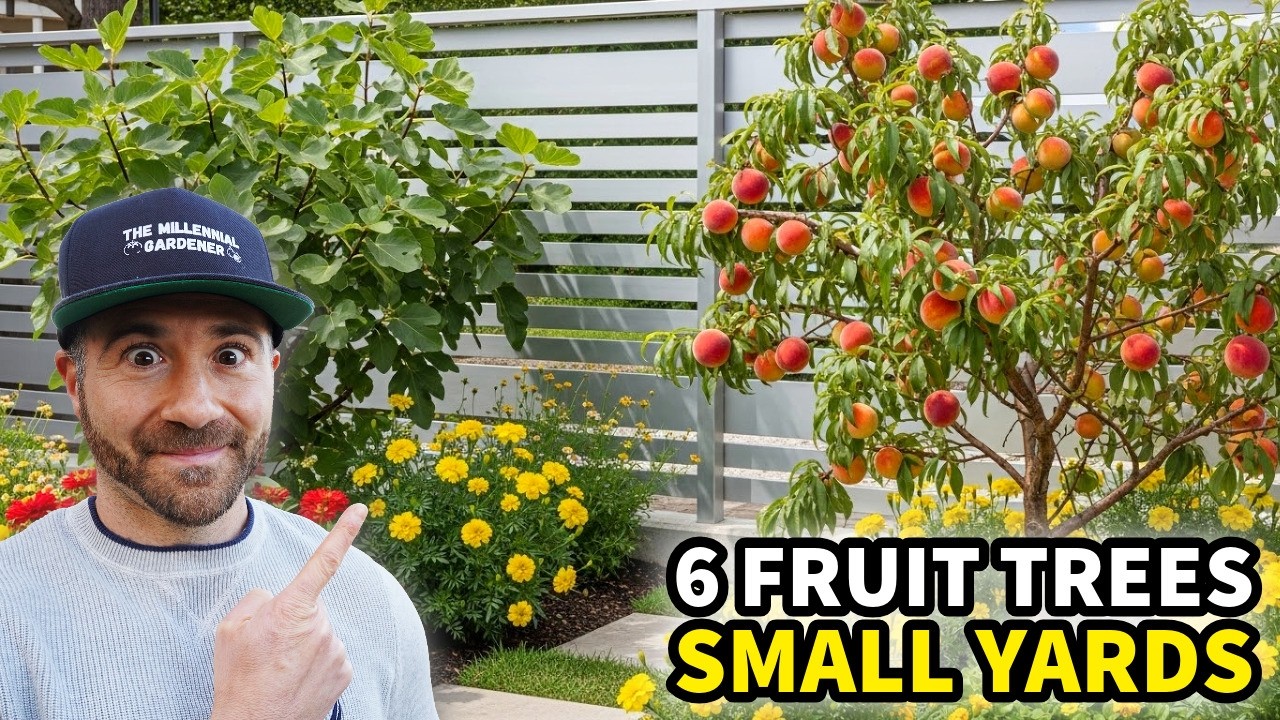
Thinking about turning your small yard into a fruit-filled oasis? You’re in the right place! Discover how you can maximize every inch with six tiny fruit trees that deliver BIG harvests. With the right choices, your compact space can yield an abundance of fresh, delicious fruit—making your yard the envy of the neighborhood.
Introduction
Imagine strolling into your backyard—your very own tiny paradise—where the promise of plump peaches, crisp apples, or juicy cherries is just a few years away. The catch? Your yard isn’t exactly Versailles; it’s more like a cozy patchwork quilt with enough space for a lawn chair and perhaps a garden gnome. But don’t despair. The secret to turning this modest patch into a fruit oasis lies in choosing the right allies: six tiny fruit trees that deliver big on harvests without requiring a football field of land. These miniature marvels not only prove that you don’t need acres of land to grow high-quality fruits but also that backyard gardening can be both doable and downright charming. Prepare to learn how to maximize your small yard with clever plant choices, strategic pruning, and a splash of garden ingenuity—you might find that your tiny space is actually perfect for a bountiful harvest.
The Magic of Dwarf Fruit Trees: Small Size, Big Potential
Picture a tree that offers the same luscious fruits as its full-sized cousins, yet fits comfortably on a balcony, porch, or a humble backyard corner. That’s the allure of dwarf fruit trees, which typically grow between 8 to 10 feet tall. They are the perfect negotiators for those who want high-quality, orchard-grade fruits but don’t have the luxury of expansive land. These shrubby giants pack a punch: they produce abundant, vibrant fruits that can rival those grown on sprawling acres, all while occupying a fraction of the space. Moreover, their manageable size means you can reach the fruits without risking a back injury from a 20-foot ladder.
Let’s get real—buying a dwarf apple or cherry tree is like acquiring a botanical VIP pass. They’re affordable, readily available from garden centers or online shops, and they fit almost anywhere. And the best part? These tiny trees tend to be hardy enough for zones 5 through 8+, making them versatile companions in various climates. Their compact stature also means you can plant multiple varieties side by side—think of it as a mini fruit festival in your backyard—maximizing your tiny plot’s potential. These trees are so efficient that they turn even a modest patch into a veritable orchard, bursting with flavor and summer sweetness.
Strategic Planting and Space-Saving Techniques
Growing multiple fruit varieties on small parcels requires a touch of planning—call it garden jazz. Planting dwarf fruit trees involves a mixture of art and science—figuring out how to utilize vertical space, choosing the right companions, and knowing when and how to prune. Since space is at a premium, you want your trees to thrive without overcrowding. That means placing them thoughtfully, giving each tree enough room to breathe and flourish, but not so much that they seem lonely.
Maximize your yard’s potential by staggering your plantings on different axis—think asymmetry, not rows. Use narrow garden beds, and consider espalier-trained trees along fences or walls where space is tight but sun exposure is ample. Covering techniques—like planting under a shade cloth or installing cold-protection covers—are crucial for surviving those unpredictable frosts or winter chills. You don’t need a sprawling orchard; a compact, well-planned layout with smart placement of dwarf trees can result in a flourishing mini-farm.
Complement this setup with clever tools, such as Japanese bypass pruning shears or pull saws, which make maintenance a breeze. Proper pruning is critical for encouraging healthy growth and abundant fruiting; think of it as giving your tiny trees a chic new haircut that prompts them to produce more. Fertilize using organic options like fish emulsion to boost vitality, and protect your harvest with insect netting or kaolin clay—because nothing spoils a perfect apple more than pesky bugs.
Maintenance Mastery: Keeping Your Tiny Trees Happy
Gardening in small spaces demands attentiveness—and a little bit of crafty know-how. To keep your tiny fruit trees in top shape, invest in quality tools like Japanese bypass pruning shears and pull saws; these gadgets make trimming so precise, you might feel like a professional orchardist. Regular pruning cuts enable better airflow and sunlight penetration, reducing disease risk and encouraging bountiful fruit production. If you learn how to prune fruit trees properly, you’ll see your trees respond with vigorous growth and more impressive harvests each year.
Watering, mulching, and fertilizing are the trifecta of tiny-tree care. Use watering wands to deliver a gentle shower right where it’s needed—no overwatering or underwatering here—and apply organic fertilizers like fish emulsion during the growing season. Mulching with straw or compost not only conserves moisture but also suppresses weeds cluttering your small paradise. For cold snaps, use creative protection methods—covering with frost cloths or using specialized wraps—to ensure that those tiny branches don’t suffer winter’s mischief. Protective products such as insect netting can keep pesky critters at bay, maintaining your fruit’s pristine condition.
Remember, patience and consistency are key. With a little effort, these miniature fruit trees will reward you with delicious, ripe fruits that you can harvest right from your yard—no matter how cozy or limited in space. Whether it’s a bumper crop of cherry tomatoes or a handful of nectarines, every bite will be a victory in maximizing small yard productivity.
Making the Most of Small Spaces: Tips & Tech That Transform Tiny Gardens
Small-yards demand inventive solutions, turning every inch into a productive micro-farm. Smart planting—such as growing multiple varieties of berries or dwarf citrus on a single trellis—can make your space seem exponentially larger. Use vertical gardening techniques; hanging baskets, wall-mounted planters, and tiered pots all serve as life-saving devices for tiny yards. Not only do they free up ground real estate, but they also elevate the aesthetic appeal of your miniature orchard, transforming your space into a lush, vibrant tableau.
Incorporating these techniques doesn’t mean sacrificing style for productivity; instead, they blend seamlessly into your daily life, making gardening feel like an art form. Visiting Amazon for quality garden tools, organic fertilizers, and pest protection, or watching insightful videos for step-by-step pruning and cold-weather tips can elevate your skills to professional levels. Protecting your investment in tiny trees—by mulching, watering wisely, and shielding from frost—ensures that your small yard produces big results, year after year.
And don’t forget to document your journey! Share progress on social media or keep a garden journal. These small, manageable efforts help you learn what works, what needs adjustment, and how tiny steps in your garden can yield enormous satisfaction. Remember: your small yard is a blank canvas, ready for your green-thumbed magic.
Frequently Asked Questions
1. Can I really grow full-sized fruits on dwarf fruit trees in a small yard?
Absolutely! Dwarf fruit trees are engineered to produce the same high-quality, full-sized fruits as their larger counterparts. Their compact size doesn’t mean sacrificing fruit size or flavor; it’s more about taking a tree that can grow up to 20 feet and trimming it down to manageable levels—without anything being lost in taste or yield. Choosing the right dwarf varietals and proper pruning ensures your small yard yields big, juicy fruits without the need for acres of land.
2. How do I protect my tiny fruit trees from cold winter temperatures?
Cold protection strategies are essential, especially if you’re in zones 5 or 6 where frosts can suddenly strike. Cover your trees with frost cloths or blankets, and consider using nearby structures—like a wall or fence—to provide added insulation. Applying a layer of mulch around the base offers extra warmth for roots, and installing small electric heaters or heat lamps can make a difference during unseasonably cold snaps. Many cold-hardy dwarf trees, however, can brave the winter with a little fuss, so choose varieties suited to your climate for a lower-maintenance approach.
3. What are the easiest tools for pruning tiny fruit trees?
For precision pruning on small trees, Japanese bypass pruning shears are hard to beat—they’re sharp, easy to handle, and won’t crush the branch. A pull saw is useful for thicker branches or training your trees into specific shapes like espaliers. Keeping these tools sharp and clean helps prevent disease and makes pruning simpler. Remember, regular pruning encourages more fruit and keeps your mini orchard looking tidy and healthy.
4. Can I grow multiple fruit varieties on a single dwarf tree?
While most dwarf trees are suited for a single variety, some—like certain apple and cherry rootstocks—can be grafted with multiple varieties. This technique allows you to harvest different fruits from one tree, saving space and increasing variety. Alternatively, planting a few dwarf trees close together, each with a different fruit, is a straightforward approach to creating your own backyard orchard with diverse flavors.
5. What’s the best way to fertilize my small fruit trees organically?
Organic options like fish emulsion, seaweed extract, or compost tea are excellent choices. Apply these fertilizers during the active growing season, typically every few weeks, to encourage robust growth and fruit development. Always follow the product directions, and avoid overfeeding, which can harm the tree rather than help it. Organic fertilization not only boosts your tree’s health but also keeps your fruits free from synthetic chemicals.
Final Thoughts
Transforming a modest yard into a fruitful haven isn’t just a pipe dream—it’s a possibility within reach, especially when armed with the right tiny fruit trees and a dash of horticultural savvy. These miniature trees prove that size isn’t everything; with strategic planning, consistent care, and a pinch of patience, your small plot can yield an impressive bounty of apples, cherries, peaches, and more. Think of your yard not just as a patch of earth but as a living canvas—a place where tiny trees grow vigorously and reward you with the sweetest fruits, harvested with pride. So, get planting, keep pruning, and enjoy the delightful journey of turning your small yard into a big harvest paradise.