Discover how you can support and nourish your family even with a small backyard garden. In this post, you’ll learn practical tips and inspiring ideas on how to make the most of limited space to grow food and sustain your loved ones. Whether you’re just starting out or looking to maximize your garden’s potential, these insights are designed to help you succeed.
Introduction
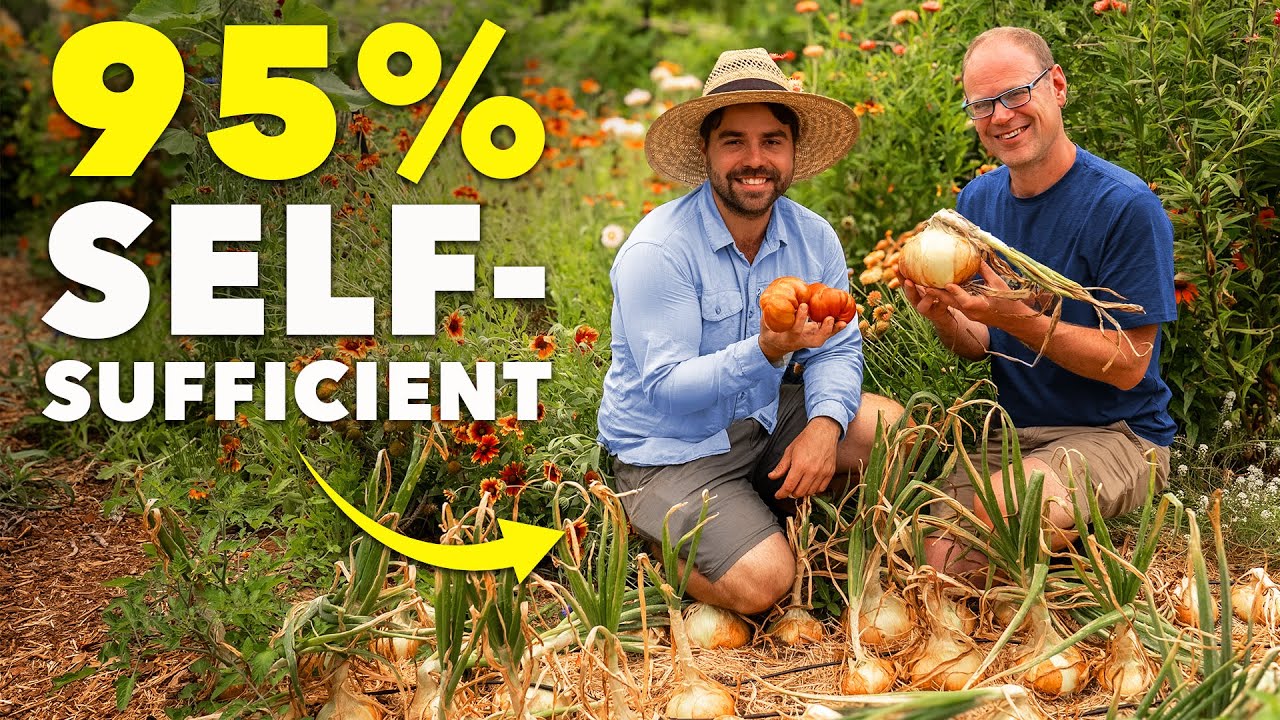
There’s something vaguely rebellious about squeezing a productive vegetable garden into a backyard that looks almost too quaint—like cramming a David Lynch movie into a tiny, cheery soap opera set. Meet Ben, a man who has transformed a modest plot of earth into a veritable bounty that feeds his family and fuels his soul. The story isn’t just about growing vegetables; it’s about the audacity of self-sufficiency, the ingenuity of space optimization, and the quiet triumph of nurturing life in the lap of suburban limitations. In a world that often feels overwhelming with its sprawling farms and overly complicated gardening gadgets, Ben’s approach is refreshingly simple—yet marvelously effective. His secret? A keen eye for layout, an arsenal of insider tips, and an unshakable belief that even in the smallest corner, nature’s abundance can thrive with a little bit of love and strategic planning.
As we peel back the layers of Ben’s garden-living philosophy, you’ll discover more than just the how-to’s. You’ll find a story about patience, imagination, and the kind of resilience that turns a tiny backyard into a self-sustaining paradise. Whether you’re a city dweller with limited space or someone contemplating the leap into organic living, his journey offers a compelling blueprint. So, grab a cup of coffee, and let’s immerse ourselves in the surprisingly lush, hand-tended wonder that is Ben’s garden—proof that with the right mindset and a few nifty tricks, you can nourish your family and your soul, all without leaving the backyard.
Cultivating Self-Sufficiency in a Compact Space
Ben’s backyard isn’t the type of sprawling country estate you see on glossy magazines, but oh, does it punch above its weight. The secret sauce? Mastering the art of small-space gardening, which involves more than just planting seeds in dirt. It’s about understanding sun patterns, stacking plants like a floral Jenga, and meticulously planning each square foot for maximum yield. When I first saw his “garden grid,” I half-expected him to have charts, diagrams, and perhaps a miniature farmer’s almanac, but instead, there was just a gentle, confident flourish of hand-drawn sketches on a napkin. His goal wasn’t just planting; it was creating a microcosm of abundance.
Getting self-sufficient isn’t just about growing enough food to fill a plate—it’s a mindset. Ben diligently crafts his following season’s layout with the Garden Planner, a nifty online tool he swears by, to visualize how each crop will play nicely together. “It’s like a chess game,” he chuckles while adjusting sun-loving tomatoes beside the shade-tolerant lettuce beneath a shady trellis. His garden is an ongoing experiment, where each plant’s placement is deliberate—maximizing sunlight, pruning techniques, and companion planting to boost yields without expanding his patch of earth. The result? A garden that supplies fresh herbs, greens, and even a few zucchinis, all while prompting him to think about water conservation, composting, and crop rotation with a practiced eye.
What truly makes Ben’s story inspiring is the way he embraces limitations as a creative challenge. He watches videos from Kevin at Epic Gardening for inspiration, draws ideas from expert gardeners like Jacques Lyakov, and experiments with new techniques—sometimes with hilarious results, often with gratifying success. He’s discovered that you don’t need a sprawling backyard or a green thumb handed down through generations to become a self-sufficient gardener. It’s about making smart decisions, regularly learning, and applying advice from top gardening pros. His journey shows that even a tiny plot can blossom when driven by determination, resourcefulness, and a pinch of ingenuity.
Practical Tips to Maximize Your Garden’s Productivity
When it comes to squeezing every ounce of productivity from a small backyard garden, practicality becomes king. Ben’s approach involves careful space management and embracing vertical gardening. Imagine rows of lush tomatoes climbing trellises, cucumbers looping around support stakes, and herbs lining the edges of pathways—these aren’t just pretty arrangements, but smart strategies to turn every inch into a powerhouse of potential. One of his favorite tricks is to use raised beds because they warm up faster in the spring, giving him an earlier harvest and better soil control. This, combined with compost bins filled with kitchen scraps, transforms what might be waste into rich, crumbly earth that keeps his garden thriving without costly soil amendments.
Ben is also a firm believer in selecting the right crops for small spaces—stunning, plentiful basil, spicy peppers, and microgreens that sprout quickly and yield multiple harvests. “You can try a free, no-obligation trial of the Garden Planner,” he recommends, emphasizing the importance of planning ahead. The right tools and apps make it easier to visualize planting schedules, troubleshoot pest issues, and make adjustments before the first seed hits the dirt. Watching Kevin’s garden tour videos, or downloading a free, abridged version of Ben’s favorite gardening book, gives budding gardeners a leg up, eliminating much of the guesswork and helping turn barren patches into lush, food-producing landscapes.
His advice on maximizing yields in small spaces incorporates clever companion planting—such as pairing marigolds with tomatoes to deter pests—and succession planting, ensuring the ground remains busy and productive throughout the season. The key, Ben stresses, isn’t just planting willy-nilly but understanding the ebb and flow of each crop’s growth cycle. This way, even in tight quarters, one can harvest fresh, organic produce almost year-round. Small-space gardening, he insists, is a puzzle waiting to be solved: each piece fitting perfectly, so that when harvest time arrives, it’s all the sweeter for the effort.
Inspiration from Experts and Real Garden Success Stories
No garden journey is complete without a splash of inspiration, and Ben’s favorite sources come from seasoned pros and community members who share their wins and failures with unwavering honesty. Watching Jacques Lyakov, a pro vegetable gardener, achieve stunning harvests in limited space has been eye-opening. Jacques’s secret? Intensive planting, simple soil enhancements, and relentless attention to detail. His passion makes it clear that, with a bit of guidance, even a 10×10 patch can become a vegetable utopia. Ben often quotes Jacques when tweaking his own planting methods—adding extra compost here, pruning judiciously there—constantly refining his craft as he goes.
Ben also keeps a close eye on online resources—forums, videos, and tutorials from gardeners like Kevin at Epic Gardening—who excels at transforming the most humdrum yards into edible landscapes. Watching Kevin’s garden tour videos sparks new ideas for vertical pot arrangements or innovative watering techniques. Meanwhile, the Epic Gardening team periodically shares advice that applies perfectly to Ben’s setup—like how to improve soil health with affordable amendments or how to combat pests without resorting to chemical sprays. These expert insights aren’t mere background noise; they’re practical tools in Ben’s ongoing effort to turn his tiny backyard into a thriving food oasis.
All these tidbits of wisdom reinforce a core belief: cultivating a productive garden doesn’t require an overgrown lot or endless expertise. It’s about applying learned strategies, adapting advice, and most importantly, enjoying the process. From sharing stories on gardening forums to exchanging harvest tips with neighbors, each experience builds a richer understanding—and, in turn, a more bountiful garden. The success stories nearby remind Ben that self-sufficiency in a small space isn’t mythical; it’s an attainable goal that rewards patience, persistence, and a bit of clever planning.
Frequently Asked Questions
Q1: Can I really grow enough food in a small backyard to sustain my family?
Absolutely. With strategic planning and smart crop choices, even the tiniest yard can produce a surprising amount of food. Vertical gardening, succession planting, and companion planting maximize space and yields. By focusing on high-yield crops like herbs, leafy greens, and compact vegetables, you can harvest fresh ingredients regularly, reducing dependence on store-bought produce and enriching your family’s meals.
Q2: What are some essential tools or apps for small garden planning?
A good garden planner app, like the one Ben uses, can be a game-changer, helping visualize layout and crop rotation. Raised beds, trellises, and container gardening are vital physical tools for constrained spaces. Online resources, including videos from Kevin at Epic Gardening or free gardening e-books, provide invaluable guidance on how to optimize every inch of your backyard with minimal hassle.
Q3: How do I get started if I have little gardening experience?
Begin with simple, fast-growing crops like radishes or herbs. Use free tutorials, watch expert garden tours, and perhaps try a free trial of garden planning software. Local community gardens, workshops, and online forums are also excellent places to connect with experienced gardeners who can share beginner-friendly tips and support.
Q4: How can I deal with pests naturally in a small garden?
Companion planting is your best friend—marigolds to deter nematodes, basil to keep away aphids, carrots with onions. Beneficial insects like ladybugs and praying mantises can be encouraged to take up residence. Regular inspection, natural repellents, and maintaining plant diversity create a balanced ecosystem that minimizes pest problems without chemicals.
Q5: Is it worth investing in resources like books, online tools, or garden tours?
Undoubtedly. Learning from experts and experienced gardeners accelerates your skill development and boosts confidence. Resources like Ben’s downloadable garden tips or Kevin’s videos are free or inexpensive ways to gain valuable insights. The investment of time and a little money pays off in healthier plants, higher yields, and the satisfaction of growing your own food with your own hands.
Final Thoughts
Ben’s petite backyard is more than just dirt and green shoots—it’s a testament to ingenuity and unwavering patience. His story is a reminder that the journey to self-sufficiency isn’t confined to sprawling estates or perfect weather; it’s about making the best of what you have and learning as you grow. With a little planning, a dash of expert advice, and a lot of hands-on effort, even the smallest patch of earth can become a sanctuary of sustenance and satisfaction. As you dream of your own garden revolution, remember that every seed planted is a whisper of hope—an investment in your family’s well-being and a quiet rebellion against the excesses of modern convenience. The garden is waiting, and with a bit of grit and guidance, it’s more than capable of nourishing your life.