Welcome to your ultimate guide to smart gardening in February! If you’re eager to kickstart your garden this month, you’re in the right place. Here, you’ll discover the best seeds to sow now, helping you make the most of the early spring season. Get ready to nurture your green thumb and grow a thriving garden this February!
Introduction
Ah, February — the month of lovers, cinnamon-spiced everything, and the perfect excuse to start dreaming about a lush, flourishing garden. While the world outside might still be shivering under a blanket of snow or battling dull, gray skies, the savvy gardener recognizes this quiet time as a golden opportunity. It’s the perfect moment to slip on those gardening gloves—figuratively speaking, of course—and begin strategizing for the bounty that spring will soon bring. After all, you can try the Garden Planner software free with no obligation, giving you the perfect canvas to map out those early-sown seeds and establish your planting schedule well before the last frost.
If you’re wondering what seeds are best to sow in February, consider yourself in good company. This is the month where patience meets preparation — where planting a few thoughtful seeds today can yield bountiful produce in months to come. From hearty greens to hardy herbs, this guide will walk you through the very best choices to jumpstart your garden, even in the coldest of months. Why wait for the thaw when you can be planting your way to a more productive, tastier garden? Visit the link to access your free Garden Planner trial and transform your winter dreaming into springtime doing.
It’s never too early to set those roots, so let’s explore the most rewarding, easy-to-start seeds that will make your gardening season a success. And if you’re new to the game—or even if you’ve been planting for years—there’s always room for improvement. Grab your gardening journal or your favorite coffee mug, because soon you’ll learn simple techniques to begin growing in colder months, helping you grow more successfully year after year.
The Art of Cold-Weather Sowing: Seeds That Thrive in February
Nothing beats the satisfaction of watching a tiny sprout crack through the soil, especially when it’s snowing outside. February is that semi-secret window where impatient gardeners sneak in a few early planting successes, using resilient seeds that can handle the chill. Think of these seeds as the ultimate winter warriors—tough enough to germinate despite the cold and often ready to be transplanted outdoors as soon as everything warms up a tad. For beginners or seasoned pros alike, these are the staples that enable you to get a jump start on the growing season.
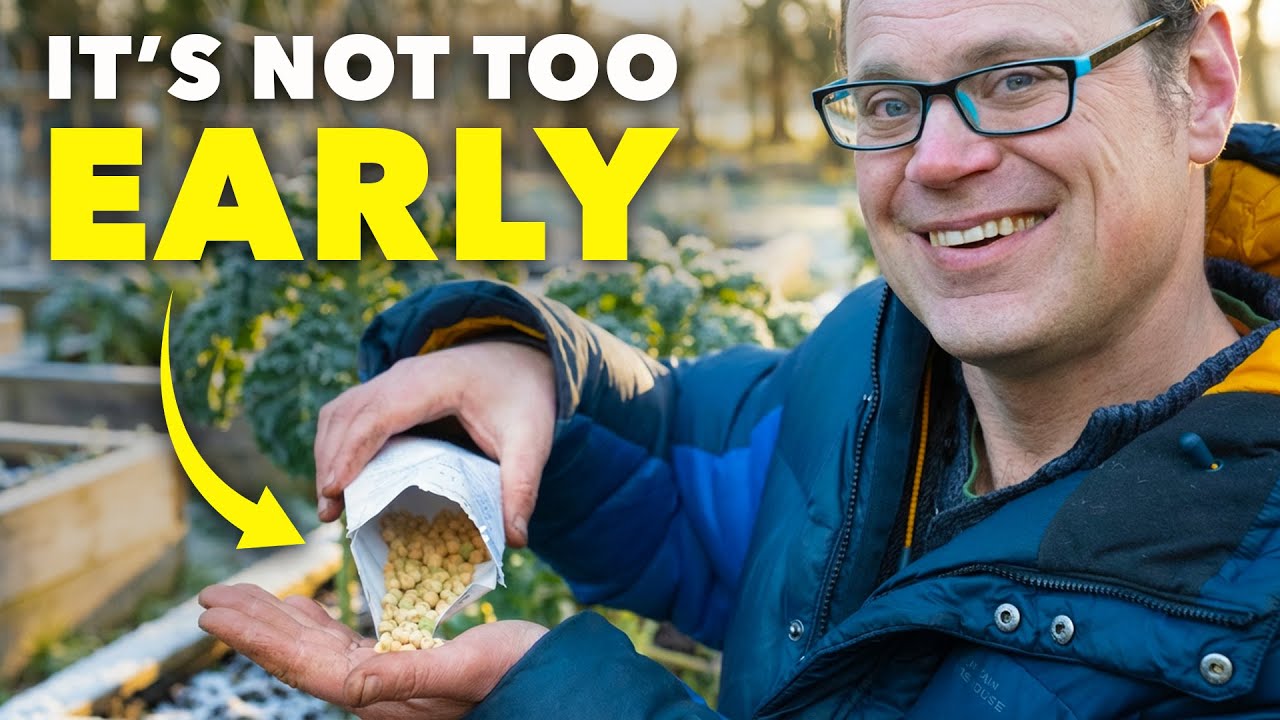
Leafy greens are truly champions of early sowing. Spinach, lettuce, and arugula thrive when started indoors or under protective coverings, giving you a fresh supply of greens long before the garden beds thaw. Their roots refuse to be thwarted by a nip in the air, and their rapid growth means you can enjoy salads before the summer rush. Plus, in the video, Ben shares his favorite crops to plant in winter — a resource-packed snapshot of how even the chilliest months can yield flavorful rewards with minimal effort. For those eager to learn more, download a free abridged version of Ben’s gardening book easily and get inspired with practical tips.
Herbs like chives, parsley, and cilantro are also perfect for sowing in February. These aromatic additions not only elevate your culinary creations but also are remarkably forgiving when started early. You can wrap your seeds in damp paper towels, giving them an indoor head start, making it easier to transplant when the time comes. The garden planner helps you organize your planting schedule to ensure those herbs are never left behind during your spring planting frenzy. With the right tools at your fingertips, you’ll find managing your early garden becomes more intuitive and less like a game of chance. Keep in mind, starting early gives you a head start on the growing season, making your garden more productive later.
Practical Tips for a Successful February Start
Starting your garden in February doesn’t require a greenhouse or a sprawling backyard—just a bit of foresight and some simple techniques. One of the easiest ways to get underway is by using seed trays and propagators to create microclimates for your seedlings. In the resource-filled videos, Ben demonstrates quick and easy planting techniques that can be executed in your kitchen window or garage. These methods aren’t just practical; they’re almost meditative, transforming the mundane into something akin to a spell cast for spring.
Another tip is to use the tools provided by the Garden Planner to mark your sowing dates and space out your planting so that everything doesn’t happen all at once. It’s like scheduling a series of mini garden parties for your tiny seedlings—making sure they don’t compete for space or light. Extending your growing season begins with these small but significant steps, and starting now can improve your garden’s productivity later. The resources are designed to help you grow more successfully regardless of your experience level, whether you’re a curious novice or a seasoned seed saver.
Moreover, take advantage of free tools to enhance your gardening skills—like trying the Garden Planner software free with no obligation or accessing practical tips via GrowVeg’s invaluable resources. These digital allies help you plan ahead, anticipate weather challenges, and keep your plantings organized amidst the chaos of everyday life. Remember, grow more than just your plants this season—grow your confidence, knowledge, and yes, your garden’s future success.
Frequently Asked Questions
1. Can I really sow seeds in February if I live in a colder climate?
Absolutely, but with some caveats. In colder zones, it’s best to start seeds indoors or in protected environments like cold frames or mini-greenhouses. Seeds of greens, herbs, and hardy vegetables are particularly suited for early sowing because they can handle or adapt to lower temperatures. Using seed trays with heat mats can give your seedlings an extra boost, making the process smoother. The key is to mimic spring conditions inside your home or protected space until the outdoor weather becomes more forgiving.
2. Which seeds should I prioritize for a quick jump start?
Fast-growing leafy greens such as spinach, lettuce, and arugula top the list because they sprout quickly and are quite forgiving. Herbs like parsley, chives, and cilantro are also excellent choices for sowing early, and their fresh flavor is worth the wait. For those with a bit more patience, hardy root vegetables like carrots and radishes can be started indoors to transplant later outdoors. Planning ahead with the Garden Planner helps ensure you’re sowing the right seeds at the right time for maximum success.
3. How can I extend my growing season starting in February?
The secret is in creating microclimates—using cold frames, row covers, or even plastic tunnels. These offer a cozy environment for your seedlings, protecting them from harsh frosts and allowing you to harvest leaves and herbs earlier than usual. Additionally, learning simple techniques, like covering plants at night or providing extra insulation, dramatically extends your ability to grow vegetables well into spring. It’s a rewarding challenge that transforms your garden into a year-round produce source.
4. What is the benefit of using the Garden Planner software in winter?
The Garden Planner helps you visualize, organize, and schedule your planting calendar, which is especially helpful when sowing seeds early. It lets you map out where each crop will go, forecast harvest times, and avoid overcrowding—all before you even lift a spade. Plus, you can access free trials to test drive its features—it’s like having a personal gardening advisor who makes your planning both easier and more strategic. Starting early with the planner often leads to a more productive, well-balanced garden later.
5. Are there any seeds I should avoid planting in February?
Warm-season crops like tomatoes, peppers, and eggplants are definitely off-limits in February unless you have a heated greenhouse. These plants need much warmer conditions to thrive and are best sowed indoors around March or April. Attempting to start them too early can result in leggy, weak seedlings that won’t withstand the outdoor climate. Focus instead on the hardy, cold-tolerant seeds discussed here, and hold off on your tender favorites until the weather warms up sufficiently.
Final Thoughts
As the winter days stretch on, there’s a quiet magic in knowing that each seed you sow today is a tiny act of defiance—a promise to yourself that spring is inevitable and your garden will flourish. It’s not just about growing vegetables or herbs; it’s an affirmation that patience, planning, and a little bit of courage can turn a cold, dormant landscape into a vibrant tapestry of life. With the right tools, resources, and a touch of stubborn optimism, you can start early and reap the rewards in the months ahead.
Whether you’re using the free Garden Planner, watching Ben’s insightful demonstrations, or just sinking your hands into moist earth for the first time this year, remember: every seed sown in February is a silent testament to hope. GrowVeg offers valuable resources for both beginners and experienced gardeners, helping you unlock the secrets of successful cold-weather sowing. So gear up, plan boldly, and remember—your next harvest begins long before the first signs of spring. It begins with a single seed.