Have you ever wondered how to grow vegetables that lead to bumper harvests? In this post, I’ll share my experience of testing hundreds of vegetables to uncover the secrets to achieving abundant, healthy crops. Whether you’re a seasoned gardener or just starting out, these tips will help you maximize your yields and enjoy a bountiful harvest.
I Tested Hundreds of Vegetables: Discover the Secrets to Bumper Crops
Introduction
There’s a peculiar thrill in standing amidst a riotous garden, proudly surveying the verdant chaos that sprouts from nothing but hope, a dab of dirt, and perhaps a dash of stubborn optimism. Trust me, I’ve tested more vegetables than most people have eaten in a lifetime—and along the way, I’ve learned that cultivating a bumper crop isn’t about luck, magic, or even fancy fertilizers. It’s about understanding the delicate dance of variety selection, climate compatibility, and perpetual curiosity. Living in Zone 8B, nestled in the southeastern corner of North Carolina, I’ve had my fair share of sweaty summers and humid battles with disease-resistant veggies that refuse to wilt under pressure or pests.
In this wild pursuit, I’ve become a sort of vegetable anthropologist, decoding what makes some plants flourish while others flail. Whether it’s the resilient tomato varieties that deliver sunny harvests, cucumbers that seem to whisper secrets in the shade, or my favorite parthenocarpic zucchini—seedless, high-yield, and perfect for lazy gardeners—I’ve tested them all. And let me tell you, behind every lush, storybook garden lies a secret: the right seeds, the proper tools, and perhaps a dash of stubbornness. So, buckle up, fellow green thumbs—this is your insider’s guide to turning garden despair into vegetable abundance.
The Top Vegetable Varieties for Hot, Humid Summers That Resist Diseases and Thrive
Humid climates are like that overenthusiastic party guest—welcoming but oh-so-demanding. But fret not; with the right vegetable varieties, your garden can shine brighter than a neon sign in July. I’ve explored dozens of options, and some varieties keep their cool amidst North Carolina’s perspiring summers better than others. Think disease-resistant tomatoes—those that can stand up to blight and blossom-end rot without losing their zest. Think cucumbers that don’t drown in their own dew and zucchini that grow so fast, you’ll swear they’re in a race with your timer.
The secret lies in digging deep into the genetic resilience embedded in certain strains—those bred specifically to fight powdery mildew or fusarium wilt. Not all are created equal, and after countless tests, I’ve settled on a handful that consistently delivered bounties of lush produce despite the relentless humidity. For instance, the purple Cherokee tomato combines flavor and durability, while the ‘Lemon Cucumber’ bursts with zesty sunshine, resisting rot even in stubborn weather. It’s a delicious gamble—and learning which varieties not only survive but routinely flourish is the holy grail of successful summer gardening. Plus, with such options, you’ll find yourself less huddled inside, lamenting pest damage, and more outside, basking in your garden’s glory.
The beauty of choosing the right vegetable varieties is that it transforms your patch into an oasis—a place where disease, bugs, and soggy soils don’t call the shots. Instead, you’re the master of your botanical domain, coaxing out high yields that feel more like small miracles. Whether it’s a row of zesty sweet peppers or the glossy green cucumbers that seem to thrive on neglect, these resilient varieties are your weapons against Mother Nature’s mood swings.
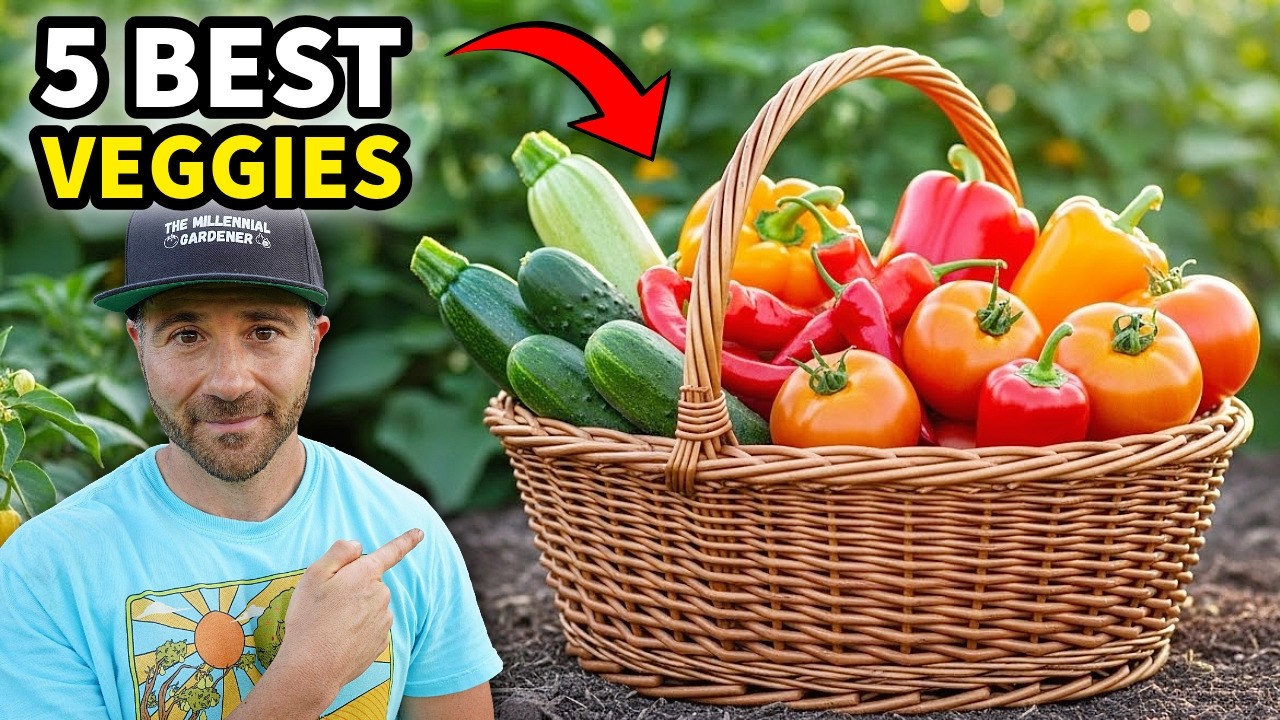
My 5 Best Vegetables: Tomato, Cucumber, Zucchini, Sweet Pepper, and Hot Pepper
Let me take you on a journey through my personal vegetable hall of fame—five steadfast champions that consistently produce, delight, and occasionally surprise me. These are the vegetables I turn to when I want a sure thing, even in the muggiest, most pest-ridden summers.
First up, the tomato—oh, the glorious tomato! My reigning favorite is the cherry variety, bursting with sweetness and resilience against blight. I’ve learned to plant them early, boost with organic fertilizers like bone and blood meal, and shield them with insect netting to keep those sneaky birds away. Watching those tiny green balls balloon into plump, red jewels is a daily reminder that patience is a gardener’s best virtue.
Cucumbers come next—a cool, crisp savior on sticky days. I lean heavily on the ‘Lemon’ variety, which develops a beautiful, shiny exterior and an internal crunch that’s unbeatable. Growing them in grow bags, with nutrient-rich fish fertilizer, keeps their vines vigorous and disease-free. Plus, their quick turnaround means you’re not waiting all summer for your reward.
Zucchini—ah, zucchini. My test on parthenocarpic, seedless zucchini was eye-opening. These plants produce high yields without the chaos of seeds or pesky pollination issues. They seem to thrive even when traditional varieties falter, especially if you use seedling heat mats and shade cloth to give them that extra boost. The harvest is so abundant, I start giving zucchinis away like Halloween candy.
Sweet peppers and hot peppers complete my top five list—buckets of color, flavor, and versatility. I favor the peppers that resist cracking and disease, like the heavy-yielding Fresno or the fiery cayenne. They’re perfect for snacking, stir-fries, or drying into spicy powders. Plus, pepper plants adore the organic boost of trace minerals, which keeps them vibrant and flavorful.
Watch My Test on Parthenocarpic Zucchini for High-Yield, Seedless Options
Imagine a zucchini that ripens without all those pesky pollen-related hurdles—a seedless, high-yield superstar that practically grows itself. That’s what my test on parthenocarpic zucchini aimed to uncover. I planted several varieties under identical conditions, using seedling heat mats to simulate early-season warmth, and kept a close eye on their progress through meticulous watering, fertilizing, and pest management.
The results? Fabulous. The seedless zucchini produced bumper crops with minimal fuss—no need for hand pollination or worrying about pollinator shortages. These plants seemed almost eager to give me fruit, and the high yields made me wonder why I ever tolerated traditional, seed-filled zucchinis. I recommend pairing these hybrids with garden essentials like shade cloth during peak summer heat and using natural insecticides to keep aphids at bay. The payoff is a garden that feels less like a chore and more like a harvest festival, with zucchinis spilling from every vine.
This test was not just about convenience—though that’s reason enough to celebrate—but also about finding solutions for gardening in extreme weather. Seedless zucchini, it turns out, is not just a novelty; it’s a practical way to maximize yields while reducing the hassle. It’s like having your cake and eating it too—minus the seeds, plus the abundance.
Where to Buy Seed for Featured Varieties and Recommended Garden Products
You might be wondering—where does one find these miracle seeds and tools that turn your garden dreams into reality? Luckily, a quick hop onto my favorite online stores reveals a treasure trove of options. Whether you’re after resilient tomato seeds, disease-resistant cucumber packets, or parthenocarpic zucchini, trusted retailers like Johnny’s Selected Seeds or Baker Creek offer a wide selection. Plus, they ship right to your door, so you can shop in pajamas and still be a gardening hero.
When it comes to garden products, I swear by delivery systems designed to optimize growth. Think grow bags that keep soil aerated, LED grow lights that stretch the daylight, and seedling heat mats that turn your chilly mornings into guaranteed germination. Shade cloths are also indispensable during North Carolina’s blazing summers—they guard your delicate plants from the scorching sun while letting essential airflow through.
I also recommend investing in natural insecticides, weed barriers, and pruning snips to keep pests and unwanted weeds at bay. Quality soil amendments like fish fertilizer or trace minerals are essential for those lush, nutrient-dense vegetables. These tools and products aren’t just garden accessories—they’re the unsung heroes behind every abundant harvest, transforming a patch of earth into a thriving paradise. Remember, your shopping list isn’t complete without these garden allies, and the right gear often makes the difference between a garden that wilts and one that wows.
Frequently Asked Questions
How do I select the best vegetable varieties for a humid summer climate?
Choosing vegetables for humid summers involves looking for disease-resistant strains specifically bred to handle fungal threats like powdery mildew or blight. My tip is to visit seed catalogs that specify “resistance” labels and read reviews from fellow gardeners suffering through similar weather. It’s also wise to pick varieties with vigorous growth habits that can outpace pest infestations and keep their foliage healthy under stress. Don’t forget to consider your own space—compact or bush varieties can help manage humidity and air circulation.
What are the benefits of planting parthenocarpic zucchini?
Parthenocarpic zucchini plants produce seedless fruit without needing pollination, making your garden less dependent on pollinator activity—crucial during droughts or unpredictable weather. They often yield more because energy goes into fruit production rather than pollination efforts, and their high yields mean less time spent nurturing waiting fruits. Plus, seedless zucchinis are easier to harvest and more appealing in the kitchen, turning your garden into a nearly maintenance-free vegetable factory.
How can I protect my plants from pests naturally?
Insect netting acts as an invisible shield, keeping pests at bay without pesticides. Regular pruning snips can remove infested leaves before pests spread further. Natural insecticides like neem oil or insecticidal soap provide gentle, effective control without harming beneficial insects. Also, building a diverse plant palette and encouraging predatory insects like ladybugs can create a balanced ecosystem, reducing pest populations almost automatically.
Which soil amendments are most effective for high-yield vegetable gardening?
Organic fertilizers like fish emulsion and bone meal enrich the soil with essential nutrients, promoting vigorous growth. Blood meal boosts nitrogen levels for lush foliage, and trace minerals such as magnesium or zinc improve flavor and resilience. Amending soil with compost or worm castings enhances soil structure and microbial activity, leading to healthier, more productive plants. Integrate these amendments seasonally and monitor plant response to optimize results.
Where can I find reliable online resources and tools for vegetable gardening?
My favorite go-to sites include dedicated seed retailers, organic gardening forums, and YouTube channels offering step-by-step tutorials. Following detailed video chapters on variety selection and garden tips keeps you ahead of pests and weather challenges. Also, subscribing to creator blogs, social media feeds, and joining gardening communities can offer real-time advice, shop discounts, and inspiration. Remember, a well-informed gardener is an unstoppable gardener.
Final Thoughts
Gardening is both an art and a science—a tulip bulb dipped in compost, a wild dance of biology and patience. Testing hundreds of vegetables has revealed not only which plants endure the chaos of summer but also the joy of watching them flourish. Every seed you sow holds a promise, every bloom whispers a secret, and every bumper crop becomes a testament to your dedication and curiosity. So whether you’re battling North Carolina’s humid summers or simply chasing that elusive perfect zucchini, remember that a garden is more than just dirt and plants—it’s a living testament to your willingness to grow, adapt, and revel in the messiness of it all. Keep experimenting, keep learning, and most importantly, keep enjoying the simple, profound magic of a thriving vegetable garden.