
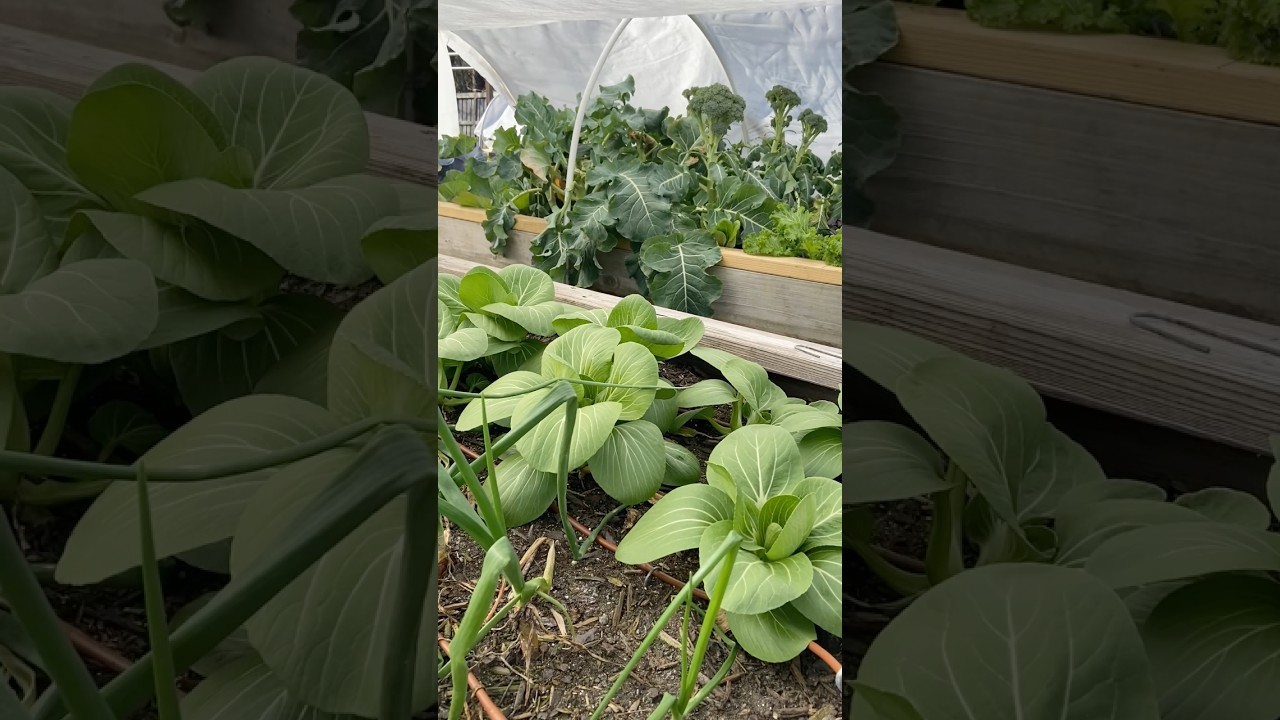
Imagine stepping into your garden and finding it thriving despite the harshest winter chill. You want to protect your plants and ensure your garden stays healthy all season long. In this blog post, I’ll share the proven strategies I use to safeguard my garden during extreme cold conditions, so you can keep your green haven safe and vibrant too.
Introduction
In the grand saga of gardening — a pursuit adorned with optimism, dirt-stained fingernails, and fleeting hope — nothing tests your patience quite like the unpredictable wrath of an early frost or a savage cold snap. Picture this: the tender shoots emerging from the earth, dreaming of spring, only to be caught unawares by a sudden icy wind that seems to whisper, “Not so fast.” That’s when you realize that safeguarding your garden during extreme cold isn’t just about grabbing a few burlap sacks or tossing down some leaves; it’s about orchestrating a resilient defense in the face of Mother Nature’s most frosty temper tantrums.
Sure, gardening involves sun, rain, and the occasional beneficial breeze, but winter’s colder, crueler cousin demands a more strategic approach—one that blends science with a touch of artistry. Whether you’re a seasoned green thumb or a hopeful novice with visions of peppers and petunias, understanding how to protect your botanical babies from the icy onslaught is both a necessity and an existential question: how do you keep your garden alive, thriving, and, dare I say, smiling despite the fridge-cold reality?
Join me as I walk through the frosty labyrinth of cold-weather gardening—sharing my trials, errors, and clever tricks. From insulating roots to creating cozy microclimates, I’ve learned that safeguarding your garden during extreme cold conditions is less about fear and more about smart preparation. After all, it’s not just about surviving winter; it’s about driving spring to arrive a little sooner, one winter-protection strategy at a time.
How to Prepare Your Garden for the Cold
There’s an art and a little bit of a science in prepping your garden for the impending icy siege. Think of it as giving your plants a cozy blanket, a warm sweater, and maybe a little reassurance that winter isn’t here to stay. The first step? An honest, thorough inspection—what I like to call the “wartime inventory”—where you assess which plants are hardy heroes, which are borderline, and which are tender enough to require special attention.
Once you’ve identified your most vulnerable crops—perhaps those delicate lettuces, tender herbs, or that stubborn basil that refuses to go quietly into the night—you’ll want to give them a head start against the cold. This might mean covering them with a floating row cover or other lightweight fabric that traps heat while still letting in sunlight. I once tried wrapping my tomato plants in old sweaters, a decision that looked charming until I realized sweaters are better suited for human comfort than plant protection. Nevertheless, the principle is the same: create that invisible barrier that maintains warmth and keeps frostbite at bay.
It’s also wise to think about your soil, the very foundation of your garden’s resilience. Mulching isn’t just for aesthetics or moisture retention—it’s a winter’s armor, insulating the roots from temperature swings that wake up at midnight, furious and unpredictable. Straw, shredded leaves, or commercial mulch can be a gardener’s secret weapon—cushions in a cold world—ensuring that by spring, your plants emerge not as wisps of frozen dreams but as vigorous, eager seedlings ready to burst forth.
Insulating and Covering Your Plants
If winter is a lurking predator, your next move is to turn your garden into a fortress of warmth. And insulation doesn’t require high-tech gadgets; sometimes, it’s as simple as repurposing household items in a clever dance of resourcefulness. Old blankets, burlap sacks, even cardboard—think of it as putting your plants in a cozy, makeshift burrow, shielding them from the icy breath of wind and frost. I’ve seen dried corn stalks arrayed like rustic umbrellas, and believe me, when dried corn is your garden’s blanket, you feel like you’re running a very rural, very charming spa for plants.
For taller plants, a simple structure of stakes covered with fabric can serve as a windbreak, deflecting those icy gusts that sneak under every other barrier. The goal is to trap the earth’s own heat—sometimes called “thermal mass”—around your plants, turning your garden into a mini, four-season greenhouse. The greatest trick is to cover before the frost arrives rather than after. Like most things, prevention beats cure, and the earlier the intervention, the warmer your plants’ winter victory will be.
Speaking of covering, the real charm lies in adaptability. Plastic sheets can be draped over hoops to create a mini-greenhouse, allowing sunlight to penetrate while trapping warm air inside. Just make sure to remove them during the day—lest you cook your plants from the inside out. The key is to strike a balance between protection and ventilation, ensuring your garden’s winter fortress doesn’t turn into a greenhouse sauna on the warmest days of winter.
Managing Water and Moisture in Freezing Temperatures
Water—such a vital ingredient for life—becomes a paradox in winter. Too little, and your plants wither away; too much, and you risk root rot on a shivering scale. During extreme cold, managing moisture levels is akin to walking a tightrope—one misstep, and your garden could become a swamp or a wasteland.
I’ve learned the hard way that overwatering is a sneaky villain. Saturated soil can freeze, creating a physical barrier that damages roots and starves plants of oxygen. Conversely, drought conditions may cause dehydration, turning leaves crispy as autumn leaves. The secret is consistent, measured watering—preferably in the early morning, when any water applied has a chance to soak in before the ground’s icy grip tightens. When the forecast calls for a deep freeze, I opt for a deep watering session, giving my garden a hydration boost that also serves as insulation—water has a remarkable capacity to hold heat, offering just enough warmth to stave off frostbite.
Mulching again plays a starring role here. A thick layer of organic material helps retain soil moisture, prevents rapid temperature fluctuations, and shields roots beneath a blanket of insulation. I’ve even tried watering my plants with a splash of anti-freeze—just kidding, of course—what I mean is, I make sure to keep the soil damp but not soggy. Mother Nature’s frosty whims are unpredictable, so I stay vigilant, monitoring moisture levels, and adjusting my tactics to stay one step ahead of the winter’s icy game.
When and How to Harvest Before a Cold Spell
Sometimes, the most winter-protected plants are the ones you harvest early. It’s as if they sense the impending freeze and grant you a fleeting moment of triumph—an edible victory lap. When an arctic blast lurks on the horizon, I find myself routinely rushing out with a basket, lantern in hand, heroically snipping away at the last of my summer zucchini or hardy kale, savoring the fruits of my labor before Mother Nature turns the garden into a frozen wasteland.
Timing is everything. Keep an eye on the forecast, and don’t hesitate when the weather guru predicts night temperatures diving into the teens or lower. Fruits and vegetables that have reached their peak ripeness or are at risk of damage should be harvested pronto. Think of it as a covert operation—your crop’s last chance before the cold closes in. The thrill of the harvest—and the warmth you feel knowing you’ve outsmarted winter’s vengeance—cannot be overstated.
Furthermore, post-harvest, you might consider additional protection for any remaining perennial crops. Covering root zones with straw or leaves, or even wiring a small windbreak around, can buy you extra time before the cold truly takes hold. It’s about making every last moment count, turning the inevitability of winter into a strategic advantage rather than a defeat.
Final Thoughts
Gardening during extreme cold conditions is less about surrender and more about resilience—you learn to read the weather’s temper, adapt with a wink and a smile, and craft tiny sanctuaries in your outdoor space. With each frost-resistant trick, you’re subtly rewriting the narrative: your garden isn’t just surviving, it’s thriving against all odds. Perhaps winter’s greatest gift is the lesson it offers in patience, planning, and a splash of creative ingenuity.
So, next time the forecast whispers about a brutal cold spell, remember that your garden isn’t helpless. Armed with insulation, a vigilant eye on moisture, and a few cunning covers, you can turn your frostbite fears into a garden victory—ready to burst into spring’s glorious promise a little sooner, a little bolder. Winter may be inevitable, but with a sprinkle of effort, your garden’s spirit remains undefeated.
Frequently Asked Questions
1. How can I tell if my plants need additional frost protection?
Pay attention to the forecast, but more specifically, observe your plants for signs of stress as temperatures dip. Leaves curling, wilted stems, or a bluish hue indicate cold stress. For especially tender plants, covering them before the temperature drops below 32°F (0°C) ensures their safety, particularly overnight when frost is most likely. Using a thermometer in your garden area can give you precise warnings—remember, the microclimate under your coverings can stay warmer than the open air.
2. What are the best materials to insulate my cold-sensitive plants?
Old blankets, burlap, straw, and shredded leaves are your best friends here. Lightweight fabrics like floating row covers are excellent for creating breathable thermal barriers. Plastic sheeting can work but needs to be used cautiously to prevent overheating during the day or excessive condensation. For large shrubs or small trees, constructing a simple frame and draping fabric over it creates a mini-greenhouse effect, offering efficient insulation without suffocation.
3. When is the optimal time to harvest before a cold snap?
Keep a close eye on the weather forecasts, ideally harvesting fruits and vegetables 24 to 48 hours before temperatures plummet below freezing. Leaving crops to freeze on the plant risks damage and spoilage. For root vegetables like carrots and parsnips, digging them up in advance and storing them in a cool, dark place maximizes their longevity. Preemptive harvesting is both smart and satisfying—a chance to enjoy fresh produce even when the garden is cloaked in winter’s chill.
4. How can I prevent my soil from freezing and damaging roots?
Mulching plays a crucial role by acting as an insulating layer. Apply a generous thickness of straw, shredded leaves, or commercial mulch around the base of your plants. Additionally, watering deeply before a cold spell can help retain ground warmth. For containers or potted plants, move them to sheltered spots or wrap their pots with bubble wrap or foam collars to prevent frost penetration. Keeping the soil just moist—not soaked—is key to minimizing freeze-thaw damage.
5. Is it worth planting new cold-hardy crops late in the season?
Absolutely. Crops like kale, spinach, and Brussels sprouts are resilient and can often be planted late in the growing season to harvest fresh greens in early winter. Use protective measures, such as row covers, to extend their viability. Even in colder regions, strategic planting of hardy crops can provide a satisfying harvest, making winter gardening a colorful, productive adventure and a testament to the indomitable spirit of the green thumb.
Final Thoughts
Caring for a garden entirely at the mercy of winter’s icy moods requires patience, ingenuity, and a pinch of stubborn optimism. Like a good story, it’s the challenges—the sudden cold, the unexpected frost—that make the triumphs sweeter. Every blanket wrapped, every niche insulated, every little effort to outsmart the freeze adds up to a resilient garden that whispers a gentle, unwavering message: Come spring, I will bloom again.
So, whether you’re battling a sudden cold snap or merely preparing for the long winter ahead, remember that your garden’s resilience is a testament to your patience and creativity. Wrap it, shield it, feed it right, and trust the process. Because, in the grand cycle of seasons, winter is only a temporary guest—one you can charm into silence with just enough ingenuity and a lot of love.