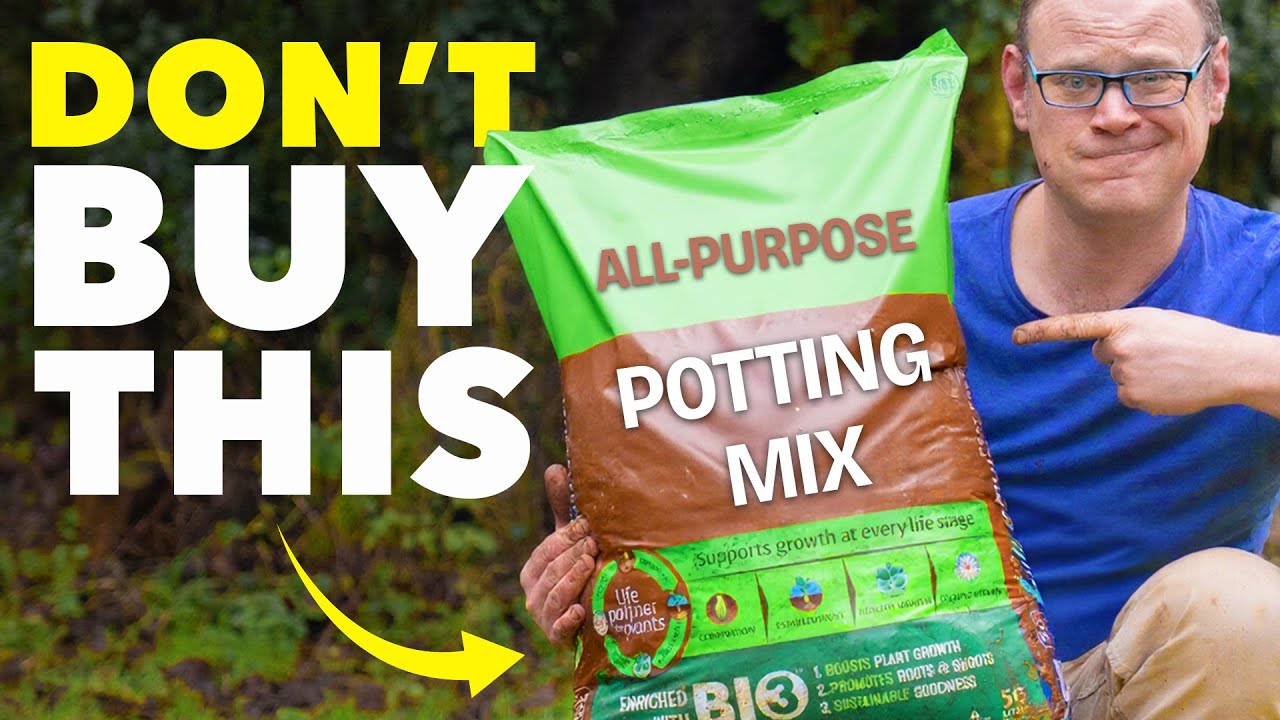
Are you tired of constantly buying new potting mix for your garden? Discover why savvy gardeners are choosing to stop purchasing commercial potting mixes and instead embrace smarter, more sustainable gardening practices. Learn how you can grow healthier plants, save money, and reduce waste by making these simple changes today.
Introduction
Imagine strolling through a garden paradise—lush, vibrant, smells of earth and promise—without reaching for a tempting bag of potting mix from the store. It sounds revolutionary, doesn’t it? Yet, increasingly, savvy gardeners are turning their backs on commercial potting soil, armed instead with a trowel, some old newspapers, and a dream of homemade soil that’s both cheaper and superior. That garden revolution isn’t just a fad; it’s a quiet manifesto of self-sufficiency, financial savvy, and an overarching desire to reconnect with the soil.
In today’s climate of rising prices where even the humble bag of compost feels like an investment in a small country, it’s no wonder that garden enthusiasts are swapping store-bought mixes for DIY compost and soil recipes. Not only does this shift save money, but it also bestows a certain satisfaction—like a culinary chef crafting their own spice blend, only with earth and organic matter. This is a story about how the modern gardener is becoming an alchemist, turning kitchen scraps and yard waste into fertile, thriving soil that rivals the best commercial offerings.
So, if you’re tired of shelling out for that overpriced bag, or simply want to find a more sustainable way to nurture your plants, this article will guide you through the why’s and how’s of ditching store-bought potting mix. Grab your gloves—this is gardening reborn, one homemade compost bin at a time.
The Rise of the DIY Garden: A Cost-Effective Rebellion
There’s something delightful about the realization that you don’t need a degree in horticulture or a trust fund to cultivate beautiful, healthy plants. Instead, you need a little patience, a dash of curiosity, and perhaps a pinch of stubbornness. As the cost of garden supplies keeps piling up, the idea of making your own potting mixes can seem like a light bulb flickering to life—oh, so simple, yet often overlooked.
Gardeners are discovering that homemade compost isn’t just a cost-saving hack but an act of rebellion against the commercial gardening industry that seems to squeeze every penny out of us. Imagine replacing those hefty bags of store-bought mixes with a humble pile of compost, rich with composted kitchen scraps, fallen leaves, coffee grounds, and perhaps even shredded paper. The beauty lies in the process and the control—we’re crafting a soil that’s tailored for our plants’ needs, not some generic formula produced en masse.
And the best part? It’s accessible. Get a free abridged version of Ben’s book to boost your gardening wisdom, or watch Charles Dowding’s garden tour for expert insights into composting that can transform your patch of dirt. When you recognize that garden supplies, including compost, are getting more expensive, making your own becomes a sensible and sustainable alternative—one that yields not only healthier plants but also a more fulfilling gardening experience. DIY mixes cost a fraction of store-bought options and often outperform them in quality, giving you an edge in the ongoing battle against weeds, pests, and the high cost of horticultural happiness.
Why More Gardeners Are Ditching Commercial Potting Soil
The days of blindly reaching for a bag of potting mix are waning, replaced by a renaissance of self-made soil that aligns with both budget and environmental consciousness. Commercial mixes, while convenient, are often a one-size-fits-all solution absent of the personal touch the dedicated gardener craves. Plus, the price tag! As supplies of compost and specialty soils balloon, gardeners are realizing they can whip up their own blends using simple, local ingredients—think peat substitutes, bark, perlite, and compost—all sourced from their backyard or neighborhood.
What truly sets those who embrace DIY up to their elbows in compost apart is their recognition that homemade mixes are often better suited to their plants’ specific needs. They learn to recognize the textures and compositions that keep roots happy and thriving, rather than settling for a generic bag that might be too airy or too dense for their particular plants. With a little online resourcefulness—like watching videos on composting or using GrowVeg’s free garden planner—they gain confidence, transforming empty pots and neglected corners into lush, thriving microcosms.
And let’s not forget the sustainable angle. Making your own compost reduces plastic waste, carbon footprints, and reliance on import-heavy products. It’s an act that whispers, “I care about my garden,” but also, “I care about the planet.” When your garden is growing on a foundation of homemade soil, every flower, vegetable, or herb is a testament to your ingenuity—proof that you don’t need to break the bank to nurture beauty and life.
Mastering the Art of Composting: From Kitchen Scraps to Garden Gold
Once you realize that composting is both an art and a science, you’ve unlocked a transformative secret—soil that heals, feeds, and energizes plants better than any commercial mix. Watching Charles Dowding demonstrate composting does more than just educate; it inspires. His garden tour is a masterclass in turning waste into wonder, revealing why composting is the cornerstone of homegrown sustainability.
What’s more delightful than filling a bin with onion skins, eggshells, and carrot tops, then watching those scraps turn into nutrient-rich gold? It’s akin to baking bread from scratch—there’s satisfying patience, a sense of achievement, and the knowledge that you’re reducing waste while enriching your soil. DIY composting can be as simple as layering kitchen waste with shredded paper and yard debris in a bin, then waiting patiently as worms, microbes, and time transform it into the gardener’s elixir.
With the wealth of online resources—detailed guides, instructional videos, and user forums—learning to compost no longer feels like a daunting task. You begin to see the beauty in a well-balanced compost bin, which then becomes the backbone of your homemade potting mixes. Recognizing that garden supplies, including compost, are getting more expensive, turning to home-made solutions isn’t just a frugal choice; it’s a sustainable mindset. Over time, you’ll develop a finely tuned process that produces better soil than store-bought options, fostering healthier plants and a happier garden ecosystem.
How to Start Making Your Own Soil Ingredients at Home
Ready to roll up your sleeves? Making your own potting mix isn’t a complicated affair; it’s a matter of understanding the ingredients and proportions. The simplest recipes often call for a mix of compost, peat or peat substitutes, perlite or vermiculite, and perhaps some sand or bark particles. The key is to source quality compost—preferably homemade—and combine it with a few inexpensive, readily available amendments.
Start by collecting kitchen scraps and yard waste—coffee grounds, fruit peels, shredded leaves—and setting up a compost bin in a sunny corner of your yard. As you nourish your compost heap, you’ll begin to understand its nuances: how to keep it moist, aerated, and balanced. Gradually, the earth within will transform into precious garden gold, ready to be mixed into your potting projects. You’ll quickly realize that making your own mixes can cut costs by at least half, all while giving your plants a nutrient boost they’ll thank you for.
For those looking to refine their homemade soil recipe, online tutorials and videos provide fantastic guidance. With some experimentation, you might develop an ideal blend tailored for your specific plants—be it succulents that prefer gritty soil or lush veggies craving moisture. Recognizing that you’re in control of your garden’s fertility is empowering, especially when you learn that the simple ingredients needed—compost, sand, and organic matter—are often all you need to produce premium potting media for less than store prices. Think of this as less of a chore and more of a gardening adventure.
Frequently Asked Questions
How does making my own compost compare financially to buying potting mixes?
Homemade compost and soil mixes are surprisingly economical, especially when you consider the cost of store-bought potting soil. By repurposing kitchen scraps and yard waste, you’re essentially recycling what you already have—a little time and effort for a substantial financial payoff. Over time, DIY mixes can cut your gardening expenses by half or more, giving you a sturdy cushion in your gardening budget. Plus, you don’t have to buy special ingredients; most of what you need is right in your kitchen or garden. So, not only does this approach save money, it also reduces waste, making it a win-win for your wallet and the planet.
What are some simple ingredients for homemade potting mixes?
The simplest and most accessible ingredients include compost, perlite or vermiculite, shredded bark, and perhaps some coarse sand. Compost serves as the nutrient-rich backbone, providing organic matter that feeds your plants. Perlite or vermiculite lightens the mix and improves drainage—crucial for preventing root rot. Shredded bark or coir can add texture and aeration. Additionally, you can incorporate crushed eggshells, coffee grounds, and shredded newspaper as minor ingredients to enhance the mix’s nutritional and structural qualities. With these basic materials, you’re well on your way to creating a tailored, cost-effective soil blend.
How can I improve my composting skills using online resources?
Online resources make composting accessible and even fun. Watching Charles Dowding’s garden tour or checking out detailed composting guides online can demystify the process, helping you understand the ideal balance of greens and browns, moisture levels, and aeration techniques. Many gardening websites and YouTube channels offer step-by-step tutorials, troubleshooting tips, and visual demonstrations that cater to beginners and seasoned gardeners alike. Experimentation combined with these resources allows you to refine your composting methods, producing richer, more consistent humus—your secret weapon against expensive garden supplies.
Why should I consider making my own potting mix instead of buying it?
Making your own potting mix offers a multitude of benefits. It’s more economical, gives you complete control over the ingredients, and enables customization according to your plants’ specific needs. Plus, creating your soil reduces packaging waste and reliance on store-bought products that might be produced under less eco-friendly conditions. Homemade mixes are often fresher and free of additives or chemical preservatives found in some commercial options. The process empowers gardeners, making each planting session more intentional and rewarding, with the added satisfaction of knowing you’re nurturing your plants in the most sustainable way possible.
Can DIY mixes outperform commercial potting soils?
Absolutely. When you understand the principles of soil science and tailor mixes specifically for your plants, DIY blends can outperform store-bought options. Homemade compost is typically richer in organic matter and beneficial microbes, resulting in healthier root systems and more vigorous growth. Plus, fresh, homemade blends can be fine-tuned for drainage, nutrients, and texture, whereas commercial mixes often aim for universal appeal at a generic price point. Once you master the art of composting and mixing, you’re not just saving money—you’re cultivating a stronger, more resilient garden ecosystem.
Final Thoughts
Choosing to forgo the convenience of commercial potting mix in favor of homemade soil is more than a gardening trend—it’s a statement. It’s about taking control, saving money, and ultimately reconnecting with the age-old art of nurturing life from the soil up. As inflation marches onward and garden supplies become more costly, the savvy gardener’s secret weapon lies in the humble, overlooked compost pile—nature’s original green magic.
Embracing DIY soil preparation isn’t just economical; it’s empowering. It encourages learning, experimentation, and a genuine appreciation for the intricate dance of microorganisms and organic matter that fuels plant growth. With the right resources—like the free book download and online videos—you’re well-equipped to turn kitchen scraps into garden gold. Remember, every plant you nurture on your own homemade mix is a testament to patience, ingenuity, and a dash of rebellious spirit. Garden smarter, spend less, and grow happier; your plants—and your wallet—will thank you.