Are you eager to achieve a lush, thriving garden? Before you get started, it’s important to know the common mistakes that can instantly damage your plants and hinder your gardening success. By understanding what to avoid, you can protect your garden and ensure it flourishes. Let’s explore the top pitfalls you should steer clear of to keep your outdoor space healthy and beautiful.
How to Instantly Damage Your Garden: Common Mistakes to Avoid
Introduction
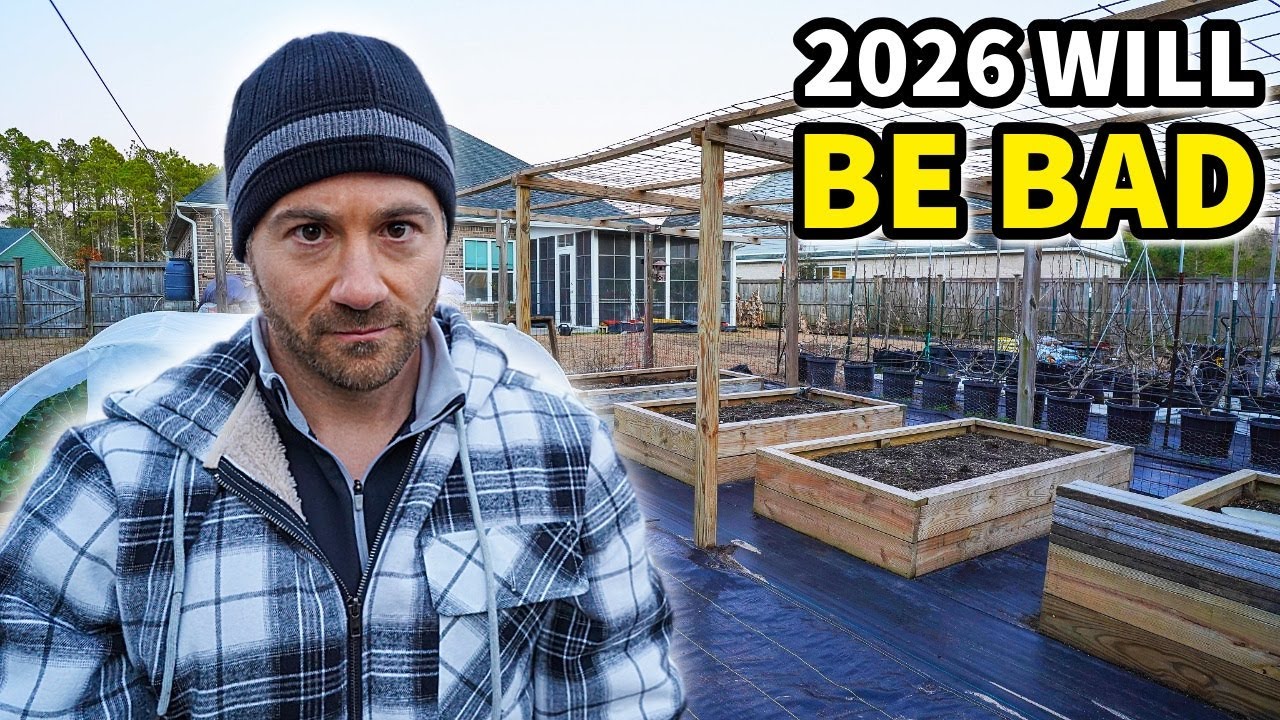
If you’ve ever mortified your houseplants or watched in horror as your garden’s vitality faded away faster than a popsicle on a July afternoon, you know that gardening aint for the faint of heart. It’s a delicate dance, a balancing act that teeters precariously on our seasonal whims, negligence, and—let’s be honest—occasional cluelessness. And if you’re like most gardeners, 2026 is shaping up to be an especially tricky year—thanks to a perfect storm of weather chaos, supply chain disruptions, and cosmic mischief. Many gardeners already find themselves behind schedule, nursing plants through unpredictable conditions, or fighting to keep their seedlings alive just long enough to produce a harvest.
But herein lies the secret: understanding common pitfalls—those sneaky mistakes that can instantly undo months of diligent effort. Remove the guesswork, sidestep the disasters, and learn how to get a leg up before your garden becomes an unintentional cautionary tale. Whether you’re starting seeds indoors or battling the elements outside, knowing what to avoid is just as important as knowing what to do. So, grab your trowel, because today we’re diving into the pitfalls that can methodically ruin your garden faster than forgetting to water your tomatoes on a sweltering day.
The Greatest Gardening Challenge of 2026: The Perfect Storm of Bad Events
The year 2026 feels like Mother Nature’s mixed metaphor—part hurricane, part drought, part cosmic joke. We’re staring down a confluence of events that threaten to make your garden look like a post-apocalyptic wasteland. From unseasonal frosts creeping in late spring to unexpected heatwaves scorching seedlings, the landscape is chaos incarnate. Many gardeners are already behind schedule, fighting stubborn weeds, battling pests gone wild, or unable to sow during the brief window of opportunity before everything turns upside down.
This perfect storm isn’t just poetic hyperbole; it’s a real threat that demands vigilant preparation. Skipping the crucial step of planting at optimal times or ignoring weather forecasts can leave your plants stranded in inhospitable conditions, withering like a grandma’s forgotten air plant. To avoid being the sad gardener with a yard full of dead or disappointed plants, understanding the impact of these extreme events—not just in theory but as a practical part of your gardening strategy—is essential. Being forewarned is being forearmed. Trust me, this is one storm you don’t want to weather unprepared.
Common Mistakes That Quickly Ruin Your Garden (And How to Avoid Them)
The importance of proper seed starting cannot be overstated—yet many gardeners still fall into the trap of neglecting this first crucial step. Starting your seedlings in cold, unheated spaces or diminishing your patience with inadequate lighting often results in spindly plants that look more like Pisa towers than verdant vegetables. The curse of “bad germination” extends beyond poor soil choice to watering too aggressively or not enough, which can drown or desiccate tiny sprouts before they truly get a foothold.
Another infamous mistake is overestimating your garden’s resilience and planting out too early—especially in a year like 2026, where unpredictable frosts can destroy tender crops. Skipping to protective measures like row covers and plant jackets, or neglecting to monitor weather patterns, often results in ruined seedlings overnight. Forgetting to amend the soil, neglecting organic fertilizers like Bone Meal or Fish Fertilizer, or using chemically harsh products can also sabotage your best intentions, leading to nutrient deficiencies or burned roots. It’s a sobering truth that these errors aren’t just minor setbacks—they can turn a lush garden into a barren wasteland before your eyes.
Speaking of less-than-ideal choices, ignoring protective gear when extreme weather hits can be catastrophic. A sudden hailstorm or scorching sun—both common in the shifting climate of 2026—can flatten or fry your treasured plants. Using inadequate support structures, neglecting early pest control, or failing to rotate crops are often silent killers just waiting to strike. Master the art of garden discipline—embrace recommended products like self-watering planters and LED grow lights, and stay vigilant. One bad decision can cascade into a season of regret; avoid costly mistakes by learning from the missteps of less foresighted gardeners.
How to Start Seeds Effectively and Build an Extendable Growing Sanctuary
When in doubt, start smart. Effectively starting seeds is the foundation of a thriving garden, especially when the weather throws its worst at you. Think of seed-starting as laying the groundwork for a fortress—if done poorly, your efforts crumble before they even begin. Use a seedling heat mat to give your sprouts a warm hug, and invest in high-quality soil—preferably organic, free from synthetic additives—that nurtures roots more diligently than even the most caring parent.
Building a PVC hoop house is your secret weapon against the unpredictable whims of weather in 2026. It’s a DIY project that transforms a simple frame into a mini greenhouse, extending your growing season by a good month or more. These structures are deceptively inexpensive and easy to assemble, offering protection from chilly nights, sudden frosts, and even uninvited pests. Just picture yourself in a cozy little cocoon of greenery, where the plants get to breathe without the stress of wild temperature swings. Once you learn how to set up a hoop house and utilize shade cloths during relentless summer days, you’ll wonder how you ever gardened without them.
Pair these structures with choice products—such as LED grow lights for consistent, energy-efficient illumination, and self-watering planters that reduce the risk of over- or under-watering—and you’re well on your way to a garden that can withstand even 2026’s chaos. Remember, success often comes down to preparation and persistence. Follow proven planting schedules, practice succession planting to maximize harvest, and stay connected through tutorials and online communities. Trust me, turning your garden into a resilient sanctuary doesn’t happen by accident—it’s a calculated, creative act, rooted in knowing what to do and what to avoid.
Protecting Your Garden from Mother Nature’s Wrath
When the skies turn dark and the forecast goes haywire, donning protective gear becomes your garden’s best friend. Row covers, insect netting, and plant jackets are not just fashionable accessories for your plants—they’re armor, shields against hail, insects, and the relentless sun. Covering vulnerable seedlings during unexpected frost predictions can save months of effort, while insect netting prevents your precious veggies from becoming snack food for pests that seem to have acquired a degree in modern pestilence.
Extreme sun exposure in late spring or mid-summer can scorch plants faster than a summer BBQ gone wrong. To mitigate this, using shade cloths provides a welcome refuge—an elegant, albeit temporary, canopy that tempers UV rays and keeps fruit from becoming sunscalded. It’s a simple but powerful strategy that preserves your plants’ energy and prevents setbacks. And do not underestimate the importance of consistently checking weather updates—ignoring forecasts can be the quickest route to disaster, turning your best-in-show plants into crispy casualties overnight.
When storms threaten to come knocking, preparedness is key. Keep the emergency gear ready—install sturdy supports, secure hanging baskets, and have extra mulch or compost to shield roots from sudden temperature swings. Ultimately, protecting your garden is about foresight: understanding the day’s forecast, choosing the right covering, and knowing when to act fast. Because when Mother Nature throws her tantrums, your ability to adapt and defend your green kingdom is what separates a thriving winter garden from a dead, forlorn tableau of dreams unrealized.
Recognizing and Correcting Garden Mistake Patterns Early
Gardening isn’t a static pursuit; it’s a constant dialogue with your plants, a series of trial and error seasoned with patience. Yet some mistakes tend to recur like bad penny—overcrowding seedlings, excessive fertilization, or neglecting crop rotation—each one a silent assassin waiting to undermine your hard work. Recognizing these patterns at their inception can save you a season of grief.
For example, overwatering seedlings or using poor drainage can lead to root rot, a silent killer that shows its ugly head too late. Similarly, planting crops too close together starves plants of light, air, and nutrients, setting the stage for disease and stunted growth. Being vigilant involves more than just glancing at your garden; it requires habitually inspecting for early signs of trouble—yellowing leaves, gnarly pests, or uneven growth. When caught early, many missteps can be corrected with minimal fuss, such as thinning crowded seedlings or switching to organic pest control methods.
Staying updated on current data trends—such as temperature fluctuations and pest invasions—gives you an edge. Follow credible gardening sources, subscribe to local weather alerts, and adapt your practices accordingly. Remember, ignoring the signs is a surefire way to turn your garden into a disaster zone. But with keen observation, strategic planning, and early intervention, you can steer clear of the pitfalls that doom so many gardens to neglect or failure. Think of it as tending a delicate, living mirror of your diligence, a reflection you shape every season.
Final Thoughts
Gardening in 2026 promises to test both your patience and your ingenuity, and knowing how to avoid the instantly damaging mistakes will be your best armor. While the perfect storm looms, your garden can still flourish—if you’re willing to learn, adapt, and listen to the subtle whispers of your plants. Remember, every mistake is just a lesson in disguise, a chance to grow wiser with each passing season. The key is to approach your garden as an evolving story—full of potential, peril, and ultimately, triumph.
So, arm yourself with knowledge, craft your resilient sanctuary, and remain vigilant. Your garden’s future depends not only on avoiding errors but on embracing the chaos with a sense of purpose. Because in the end, a garden well tended is a testament to resilience—a living, breathing monument that defies storms, mistakes, and whatever else nature has up its sleeve. Here’s to your green thumb and the lush, thriving paradise ahead.
Frequently Asked Questions
1. How can I protect my seedlings during unexpected frosts in 2026?
Unexpected frosts are like unwelcome guests crashing your garden party—sudden, unwieldy, and disruptive. To safeguard your early seedlings, use row covers or frost blankets, which offer a breathable yet insulating barrier. Building a simple PVC hoop house over your planting beds creates a mini-condo that traps heat and shields against cold snaps. Additionally, placing heat lamps or seedling heat mats underneath can give your sprouts a warm hug, encouraging strong growth even when the weather betrays the forecast. Always stay vigilant by checking weather updates, and if frost is imminent, make sure to cover your tender plants before sunset to prevent frost damage.
2. Why is it a mistake to plant too early in a year stressful like 2026?
Planting prematurely on a year with chaotic weather patterns is akin to jumping into a freezing lake without knowing how to swim—it’s asking for trouble. Early planting exposes tender plants to unseasonal cold snaps, which can stunt growth or wipe them out entirely. When the weather is unpredictable, patience becomes your best garden buddy. Following localized planting schedules and using tools like soil thermometers and weather apps will help determine the optimal planting window. Early crops might seem enticing, but if Mother Nature is throwing curveballs, waiting might be the smarter choice to ensure your seedlings thrive instead of become casualty of the chaos.
3. What organic fertilizers are best for a resilient garden during turbulent weather?
Organic fertilizers like Alaska Fish Fertilizer, Espoma PlantTone, and Bone Meal are like superfoods for your garden—they nourish roots, stimulate growth, and bolster resilience. During unpredictable weather in 2026, a healthy, well-fed garden is better equipped to withstand stressors such as drought, excessive heat, or pests. Fish Fertilizer provides quick-acting nutrients, while Espoma’s range offers slow-release nourishment that keeps plants fed over time. Bone Meal adds phosphorus, crucial for blooming and root development. Using these organic options not only enhances your garden’s health but also promotes a balanced ecosystem, making plants tougher and more adaptable to the perfect storm of bad events coming your way.
4. How can I effectively manage pests and diseases with limited resources?
Pest and disease management starts with vigilance and prevention. Use insect netting and row covers to keep unwanted visitors at bay, especially during peak pest seasons. Practice crop rotation to disrupt pest cycles and reduce soil-borne diseases. Companion planting—pairing tomatoes with basil or marigolds—can naturally deter pests. Applying organic neem oil or insecticidal soap at the first sign of trouble prevents infestations from spiraling out of control. Remember, healthy, vigorous plants are less attractive to pests, so ensure your garden gets proper fertilization, watering, and sunlight. In resource-limited situations, these natural, inexpensive methods are your best allies in keeping your garden thriving through the chaos.
5. What are the signs of early mistakes that can ruin my garden, and how do I correct them promptly?
Early signs of garden mistakes often appear subtly—yellowing leaves, wilting, or uneven growth are the warning bells. Overwatering manifests as soggy soil and root rot, while underwatering shows drought-stressed, drooping plants. Crowded seedlings compete for nutrients and light, evident in leggy, spindly growth. Recognizing these patterns promptly allows you to take corrective action: thinning seedlings, watering appropriately, or adjusting fertilization routines. Regular inspections and learning to read your plants’ signals are vital. The sooner you catch these issues, the easier to rectify them—saving your garden from becoming an overgrown mess or a forsaken patch of despair.
Final Words of Reflection
The garden is a mirror—reflecting our patience, ingenuity, and resilience. While 2026 might throw unforeseen challenges your way, remember that the greatest gardeners aren’t those who avoid mistakes—they are those who learn, adapt, and persist. Every misstep offers an invaluable lesson, every storm a chance to fortify. Your garden’s future isn’t dictated solely by weather or circumstances; it’s shaped by your commitment, preparation, and love for the soil and seeds.
So, stay curious, stay vigilant, and undeterred. Because within the chaos of a turbulent year lies the potential for the most lush, rewarding gardens—testaments to your resilience and dedication. When the dust settles, your thriving oasis will speak volumes of your patience and ingenuity—a living proof that even in the face of the perfect storm, growth is always possible.