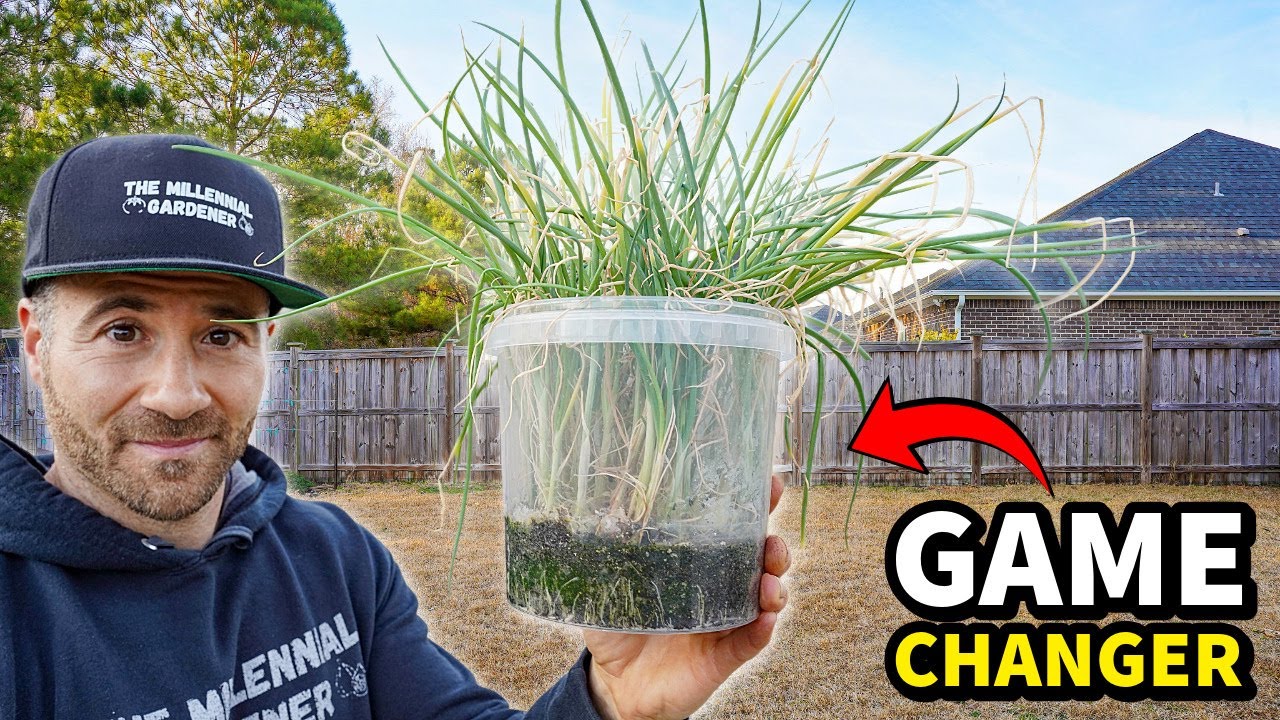
Discover these free containers that will transform your garden and elevate your outdoor space. With a little creativity, you can repurpose everyday items into beautiful, functional planters—saving money and reducing waste. Get ready to unlock endless gardening possibilities with these innovative ideas you can start using today.
Introduction
Let’s face it: gardening can sometimes feel like a game of culinary roulette—trusting that little seed you bought at the local nursery will grow into something magnificent, or at least edible. If you’re scratching your head over how to start your garden on a budget, I’ve got news—there’s a treasure trove of free containers lurking in your kitchen and around your house, waiting to give you green thumbs and a little sporting chance against the nursery prices. These unassuming, everyday food-grade disposable containers can be the unsung heroes of your gardening saga, transforming your seedlings from fragile hopes into robust, thriving plants. Imagine a world where you’re not beholden to expensive pots or plastic trays, but instead, you repurpose what’s already in your life—saving money, reducing waste, and perhaps even snickering softly at the idea of turning ordinary items into horticultural gold.
Now, pair those humble containers with a few simple tools—a 4FT LED grow light, seedling heat mats, and a good soil sifter—and suddenly, you’ve got a DIY seed starting system that rivals any commercial setup. The secret sauce? It’s not just about making do; it’s about elevating your homegrown ambitions, one recycled container at a time. From tiny yogurt cups to food trays, these adaptable vessels aid in boosting germination rates, ensuring your sprouting seeds have the best shot at becoming the lush vegetables, herbs, or flowers of your dreams. So buckle up, plant lovers—this is your step-by-step guide to turning everyday containers into a thriving micro-garden that will make your neighbors do a double take.
Discover the Power of Free Food-Grade Disposable Containers for Seed Starting
Who knew that your next gardening breakthrough was hiding in that empty yogurt carton or takeout container? These food-grade disposable containers are an absolute revelation for those eager to start seeds without shelling out countless dollars or filling landfills with unnecessary plastic waste. They come in all shapes and sizes—clamshells, produce trays, yogurt cups—and with a little bit of creative wiggling, can be transformed into miniature greenhouses. The beauty? They provide just the right environment for seed germination, offering the perfect balance of moisture retention and air circulation—all while making you feel like an eco-savvy rebel.
What makes these containers particularly effective in enhancing germination rates? For starters, their snug-fitting lids (or sometimes simple plastic wrap) help retain humidity—the key ingredient for sprouting success. They shield delicate seedlings from sudden temperature fluctuations and pests, giving your tiny plant babies a fighting chance during their critical early days. Plus, they’re lightweight and portable, so you can move them around with ease—placing them in the warmth of your kitchen or under the glow of a 4FT LED grow light. Best of all, you’re repurposing rather than buying, which means more money in your pocket and fewer items ending up in the landfill.
Harnessing these free containers also allows you to experiment with diverse plant varieties—be it heirloom tomatoes, spicy peppers, or fragrant basil—without the financial pressure of dedicated seed trays. You can sow multiple types, observe how they respond to different microclimates, and learn which crops thrive under your unique conditions. It’s gardening on a budget with an environmental twist, turning discarded food containers into seed-starting champions, all while boosting your garden’s germination success rate. Did I mention they’re surprisingly charming—like little DIY projects that sprout to life before your very eyes?
Elevate Your Seedling Game With Proper Setup and Equipment
Now that you’ve unearth those free containers, the next step is creating an optimal environment for your sprouting seedlings. Think of it as setting the stage for a greenhouse performance where your plants are the stars. The magic lies in combining these humble containers with a few key pieces of equipment: a bright, energy-efficient LED grow light, a seedling heat mat, and a soil sifter that ensures your potting mix is perfectly fluffy. When orchestrated well, this setup transforms your kitchen table into a miniature nursery, brimming with possibility.
The 4FT LED grow light is a game-changer—not just because it provides the spectrum needed for vigorous growth but also because it uses a fraction of the energy of traditional grow bulbs. Hang it just above your containers, and watch your seedlings reach eagerly towards the light, their tiny leaves unfurling with gusto. Complement this with a seedling heat mat underneath the containers to simulate the warmth of spring soil, encouraging faster germination and stronger root systems. The more precisely you control their environment, the less chance pests, mold, or weather mishaps will jeopardize your efforts.
Incorporate a soil sifter to prepare your potting mix—creating a fine, airy bed that promotes healthy root development. It’s like giving each seedling a comfortable bed to grow up in—free of clumps and debris that could hinder roots from establishing. By combining these tools with your repurposed containers, you’re not only starting seeds; you’re engineering a micro-ecosystem that celebrates DIY ingenuity while giving your plants the best start in life. Success hinges on patience, observation, and a little bit of experimenter’s flair—after all, every seed is a story waiting to sprout amidst this carefully crafted environment.
Transplanting and Caring for Your Seedlings: The Next Chapter
Once your seedlings have grown their first true leaves and possess a sturdy, vibrant presence, it’s time for the next move—transplanting them into larger containers or your garden. This is where grow bags, available in classic black or tan, come into play. They’re the crowning glory of your budget-friendly gardening arsenal, offering excellent drainage, airflow, and easy handling—making the transition from tiny pots to outdoor beds smoother than a fresh jar of peanut butter.
Before transplanting, ensure your seedlings are calloused with a few days of hardening off—gradually exposing them to outdoor conditions to prevent shock. Carefully loosen the roots from their disposable container, perhaps with a pruning snip or gentle fingers, and plant them at the same soil depth. These grow bags are not just practical—they’re like portable, breathable homes that allow your plants to breathe, absorb nutrients efficiently, and grow without the constraints of traditional pots. And let’s be honest, they look decent too, standing in a sea of lush greenery as if they’ve been around long enough to earn their stripes.
Protecting your precious seedlings from pests and unpredictable weather is another layer of care that transforms your backyard or balcony into a thriving, resilient garden. Thicker row covers and plant jackets act like invisible suits of armor—shielding against pest invasions and sudden cold snaps, all while letting essential sunlight and air pass through. For the subtler environmental touch, shade cloth and insect netting help manage the microclimate, preventing scorching sun or insidious bugs from wrecking your hard work. Meanwhile, pruning snips become your trusty surgical tools—delicately shaping and maintaining each plant with a precision born of love and practice, encouraging bushier growth and preventing disease. This step is your garden’s equivalent of a beauty regime, ensuring each seedling becomes a healthy, prolific adult.
Fertilizer choices such as Alaska Fish Fertilizer, Espoma PlantTone, or True Organic Fertilizer are potions of growth, feeding your plants just what they need when they need it most. Keeping detailed germination results and noting which crops flourish under your DIY system arms you with invaluable insights to future plantings. Every sowing, every watering, every transplant becomes part of a living ledger—a quirky garden journal filled with lessons learned and successes celebrated. Watch as your humble efforts blossom into a lush paradise that’s both satisfying and sustainable, proof that sometimes, nature’s best gifts are found in the most unassuming of containers.
Frequently Asked Questions
How do I make a DIY seed starting greenhouse using food-grade disposable containers?
Creating a DIY greenhouse from food-grade containers is simpler than you might think. Start by selecting containers with lids—yogurt, egg cartons, or produce trays work perfectly. Fill them with your seed-starting potting mix, moisten lightly, and sow your seeds according to each plant’s instructions. Cover the containers with their lids or plastic wrap to trap humidity and create a warm, moist environment. Place them under a grow light or in a warm spot until seedlings emerge. Ventilate daily to prevent mold, and once your seedlings are strong enough, gradually introduce them to outdoor conditions before transplanting.
What are the best supplemental tools to improve seedling success?
The secret to thriving seedlings lies in their environment. Invest in a quality seedling heat mat to encourage germination, especially in cooler spaces. Pair it with a bright, energy-efficient 4FT LED grow light, suspended at the correct height to mimic the sun’s warmth and spectrum. Use a soil sifter for your potting mix to ensure fluffiness and consistency, promoting healthy root development. Additionally, employing thicker row covers or plant jackets protects young plants from pests and temperature swings, while insect netting and shade cloth help regulate microclimates.
How can I optimize germination rates using these budget-friendly containers?
Germination thrives on humidity, warmth, and good contact with soil. By using food-grade containers with lids, you hold in moisture and prevent drafts. Prioritize cleanliness to avoid disease, and keep the soil consistently moist but not waterlogged. Use seedling heat mats to maintain ideal temperatures, and ensure your containers receive plenty of light once sprouts emerge. Tracking your results helps identify the best crops and conditions, allowing you to fine-tune your approach over time. Remember, patience is key—some seeds need more warmth or moisture; observe and adapt accordingly.
Should I bother with drainage in these containers?
Drainage isn’t strictly necessary for most seed starting containers, especially when carefully monitoring watering. However, if you notice water pooling, adding small holes at the bottom can be beneficial. Well-draining soil prevents root rot and overwatering, promoting healthy growth. For containers without drainage, be cautious not to overwater—set a schedule that allows the soil to dry slightly between waterings. Experimenting with a few containers with drainage can give you insight into what your particular plants prefer, optimizing growth without waste.
How do I choose the right fertilizer and track my progress?
Choosing the right fertilizer depends on your plants’ needs—general-purpose options like Alaska Fish Fertilizer or Espoma PlantTone provide balanced nutrients suitable for most vegetables and herbs. Apply according to package instructions, usually at transplanting or during active growth phases. Keep a gardening journal—note seed types, dates, watering, fertilizing schedule, and germination success. Over time, you’ll see patterns emerge, revealing which crops thrive and which need adjusted care. This record-keeping transforms your gardening from guesswork into a science, boosting your confidence and yields alike.
Final Thoughts
Gardening from humble, free containers might sound like a modest endeavor, but it’s really a quiet act of alchemy—the transformation of discarded food packaging into lush, edible landscapes. This approach champions frugality, sustainability, and a dash of ingenuity, proving that you don’t need a sprawling backyard or a hefty budget to cultivate beauty and bounty. It’s about paying close attention to the tiny miracles happening in your makeshift nursery, nurturing each seed with patience and care, and marveling as life unfolds in unexpected places.
The true reward isn’t just the fresh vegetables or vibrant flowers—it’s the joy of discovery, the sense of participating in nature’s grand cycle, and the satisfaction of turning cast-offs into something spectacular. So go ahead, raid your kitchen, dust off your old grow lights, and start sowing your personal botanical revolution. Your garden, and the planet, will thank you.