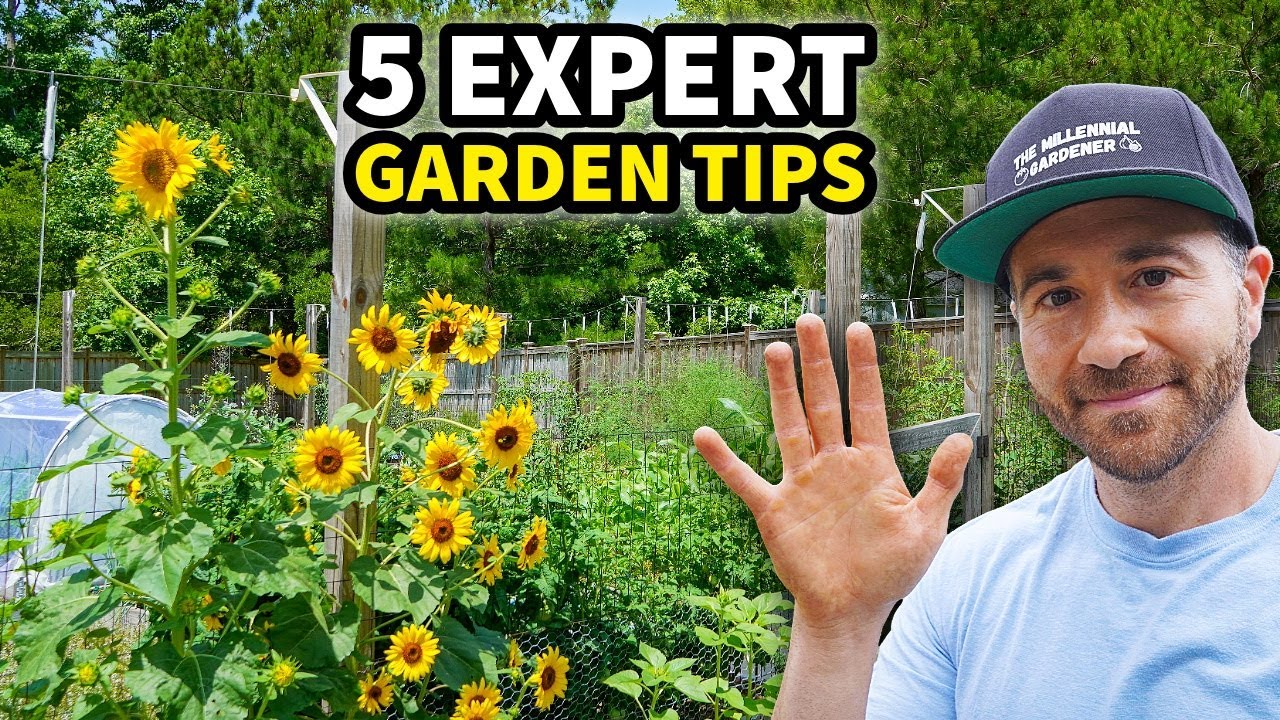
Looking to transform your garden and create an outdoor space you’ll love? With a few expert tips, you can make a stunning difference in your garden this year. Whether you’re a seasoned gardener or just starting out, these five strategies will help you elevate your garden instantly. Let’s get started and turn your outdoor space into a beautiful haven!
Introduction
Imagine this: you step outside, coffee in hand, and suddenly, your backyard transforms into a lush Eden in full bloom—without having to sell a kidney or enroll in horticulture school. That’s the promise behind the video by The Millennial Gardener, a charismatic curator of all things green, inspiring amateur gardeners and seasoned green thumbs alike to elevate their outdoor spaces with a dash of wit and a whole lot of know-how. As I watched his latest tutorial bursting with expert tips and practical tricks, I couldn’t help but think: gardening isn’t just dirt and plants; it’s an ongoing adventure, a lesson in patience, and, surprisingly, a form of creative therapy—especially when you learn the right shortcuts.
This video isn’t just about pretty flowers or vegetables; it’s about transforming your mundane patch of backyard into a thriving, vibrant sanctuary—whether you’re living in Zone 8B in Southeastern North Carolina or just dreaming of a prolific paradise. So, buckle up, fellow green enthusiasts, as we explore five expert tricks that can turn your garden from “meh” to magnificent with just a touch of effort, some essential tools, and a sprinkle of botanical brilliance.
Discover 5 Essential Tricks to Boost Your Garden This Year
There’s a certain magic in knowing you can coax life from seemingly indifferent soil, and The Millennial Gardener’s video makes that magic look effortless. First, he delves into the importance of soil health—that elusive foundation for everything good in your garden. Here, he emphasizes soil sifting, which sounds less like an exciting adventure and more like a chore, but once you see the benefits—robust root growth, fewer pests, and nutrient-rich beds—you’ll be hooked. With his witty commentary—comparing soil to the “unsung hero of your garden”—it’s clear that nurturing the earth is the secret handshake to a thriving landscape.
Next, he avoids the pitfalls of overwatering by revealing all drip irrigation tutorials that serve as your garden’s hydration hotline. Wasting water is so last season; instead, he advocates for precision watering, using DIY drip systems that deliver just the right drop at the right time. Watching him transform a basic setup into an efficient watering network, I realized that irrigation isn’t just about keeping plants alive; it’s about creating a sustainable, water-wise routine that rewards patience and persistence. For anyone tired of watering with a hose, this segment is a revelation—an invitation to automate your garden with minimal fuss and maximum results.
Finally, he recommends using grow bags and protective covers to guard your tender seedlings from the unpredictable whims of weather and pests. Let’s face it—plants are kind of like teenagers: they need protection, patience, and sometimes a little extra support. By employing raised grow bags, you offer roots a cozy environment that drains well and helps prevent soil compaction. Protective covers, meanwhile, shield young plants from unexpected frosts or sneaky insects, giving them the best shot at a vigorous start. Incorporating these simple, affordable tactics can mean the difference between a garden in trouble and a triumphant outdoor symphony.
Access All Drip Irrigation Tutorials to Optimize Watering
Watering can be both the gardener’s best friend and worst enemy—if you’re not careful, it’s easy to drown your plants or, worse, starve them of moisture altogether. The Millennial Gardener’s comprehensive drip irrigation tutorials are a goldmine for those who want to elevate their watering game. As he demonstrates, setting up a drip system isn’t just about attaching pipes; it’s about precision, efficiency, and understanding your garden’s specific needs.
He walks viewers through selecting the right headlamps, timers, and emitters, turning a once intimidating task into a straightforward DIY project. Watching him carefully lay out the tubing amid rows of flourishing seedlings, I realized this is half science, half art—crafting a hydration blueprint tailored to your plants. The beauty of these tutorials is how accessible they are—step-by-step instructions that turn watering from a daily chore into a satisfying, almost meditative routine. Plus, the savings on water bills and healthier plants justify the minimal investment of time in setting up an optimal system.
And what’s more satisfying than watching your garden flourish, knowing that every drop of water is going exactly where it’s needed? Proper irrigation not only boosts plant health but also conserves this precious resource—making your garden an eco-friendly oasis that respects Mother Nature. Whether you’re an urban balcony gardener or tending a sprawling backyard, these drip irrigation hacks are your secret weapon for lush, thriving greenery.
Learn How to Start Seeds Successfully with Detailed Tips
Starting seeds is arguably the most nerve-wracking part of gardening—it’s the period of hope, disappointment, and inevitable mess that lays the groundwork for future bounty. Yet, with The Millennial Gardener’s detailed tips, that process feels more like tending to a delicate nursery than navigating a minefield. He emphasizes the importance of good soil amendments—using recommended products like seedling mats for consistent warmth—and the art of patience while waiting for germination. If you’ve ever watched fragile shoots struggle in a cool, shady corner, his advice turns that experience on its head.
He advocates for starting your seeds indoors, especially in a Zone 8B climate, where seasons can be unpredictable. Using LED grow lights ensures seedlings get enough light—a game-changer that makes a difference between spindly growth and vibrant, sturdy sprouts. His humorous take on his own “seed-starting battles” makes it clear that every gardener faces setbacks, but the key is “not giving up”—a lesson as much about life as it is about plants. His tips on watering gently and avoiding overfeeding help nurture these tiny seedlings into robust plants ready to brave the outdoors.
The detail-oriented approach he offers makes all the difference: from choosing the right containers (hello, grow bags) to transplanting with care, every step is tailored for success. It’s gardening as a science and a love letter to patience—where watching your seedlings sprout becomes the most rewarding part of the entire process. Trust me, once you master these beginner tips, you’ll feel like your garden’s very own Dr. Dolittle, nurturing life from scratch with confidence and flair.
Use Recommended Products Like LED Grow Lights and Seedling Mats for Best Results
If you’ve ever wondered whether fancy gadgets are worth the investment in your quest for a green thumb, the answer, according to The Millennial Gardener, is a resounding yes—especially when it comes to LED grow lights and seedling mats. These tools might seem like high-tech luxuries in the world of dirt and rain, but they’re more like secret weapons in turning a less-than-ideal indoor setup into a thriving plant nursery.
He enthusiastically advocates for LED grow lights—an energy-efficient, spectrum-optimized miracle that mimics the sun’s natural rays. Watching him clip and hang these fixtures over trays of sprouting seeds, I realized that lighting isn’t just about aesthetics; it’s fundamental to healthy plant development. These lights offer the consistency and intensity needed to jump-start growth, particularly in gloomy winter months or shady corners of your home. Pairing them with seedling mats—those cozy, heated pads that turn a cold, uninviting space into a tropical haven—creates a perfect storm of warmth and light that simply can’t be beaten.
Choosing the right products isn’t just about convenience; it’s about setting your garden up for fall-proof success. By investing in quality grow lights and seedling mats recommended by The Millennial Gardener, you’re not just buying gadgets—you’re cultivating a mini indoor farm that can jumpstart your garden’s season months ahead of schedule. Plus, it’s satisfying to see tiny green shoots poke through the soil, knowing you provided the best possible environment for their debut.
Understanding Soil Sifting, Grow Bags, and Protective Covers
Gardening is a bit like hosting a very delicate dinner party—every guest (or plant) needs proper care and a tailored environment to thrive. One of the underappreciated but crucial techniques shared in the video is soil sifting, which may sound as exciting as watching paint dry but is actually transformative. By sifting your soil, you remove debris, clumps, and pests, creating a smooth, aerated bed that allows roots to breathe and grow vigorously. It’s a step many overlook, but one that ensures the foundation of your garden is as healthy as possible.
From there, the use of grow bags emerges as a simple yet brilliant method to control root growth and soil quality, especially in small yards or urban spaces. They’re like the Swiss Army knives of gardening—lightweight, portable, and surprisingly versatile. The advantage is that you can move them around based on sunlight, weather, or mood swings of the neighborhood squirrel—an often overlooked but very real threat to tender seedlings. Protective covers, whether for frost, pests, or just to keep the space tidy, act as armor for your precious plants. Watching him carefully drape breathable covers over young plants, I couldn’t help but think of them as gardening’s equivalent of security blankets—comforting, protective, and necessary.
This trio of techniques—soil sifting, grow bags, and covers—reveals that good gardening isn’t just throwing seeds in the dirt; it’s about creating a protected environment where plants can flourish. It’s a testament to patience, strategy, and a touch of ingenuity—reminding us that with the right approach, even the most modest backyard can become an artist’s canvas of botanical beauty.
Know Your Gardening Zone (8B in Southeastern NC) and Tailor Your Planting
Gardening isn’t a one-size-fits-all endeavor. The same goes for knowing your zone—an important piece of the puzzle that influences what, when, and how you plant. The Millennial Gardener emphasizes understanding your specific growing zone, noting that Zone 8B in Southeastern North Carolina is like having a personal cheat sheet for your planting schedule. This zone offers a mild climate where you can grow a bit of everything—if you know the right time to start, transplant, or sow your seeds.
He walks through the importance of timing—planting cool-season vegetables like lettuce and spinach early, then switching gears to heat-tolerant crops as summer rolls in. It’s like a dance, carefully choreographed by soil temperatures, sunlight hours, and local humidity levels. This awareness allows you to maximize your garden’s productivity without fighting Mother Nature’s rhythm. His advice on using local gardening resources—like climate data and region-specific planting calendars—makes the process accessible and less guesswork than you might think.
Practicing patience and paying attention to your zone teaches a deeper lesson—gardening is about understanding the rhythm of your environment and working with it rather than against it. It transforms the backyard from a random patch of earth into a deliberate, thriving ecosystem. Whether you’re growing heirlooms, herbs, or flowers, knowing your zone ensures your efforts aren’t wasted and your harvest is plentiful.
Frequently Asked Questions
What are the most effective ways to improve soil health in my garden?
Improving soil health begins with understanding your current soil’s pH, nutrient levels, and texture, often through a simple test kit. Incorporating organic matter such as compost or aged manure refines soil structure, enhances drainage, and provides essential nutrients. Soil sifting removes debris or compacted layers, creating a loose, airy environment for roots. Regularly rotating crops and using cover crops like clover can naturally fix nitrogen and prevent soil depletion, fostering an ecosystem that encourages beneficial microbes and earthworms—a natural yet powerful fertilizer and soil conditioner.
How do I choose the right drip irrigation system for my garden?
Choosing a drip irrigation system hinges on your garden’s size, plant types, and water pressure. For small beds or containers, inexpensive DIY kits with adjustable emitters are perfect. Larger gardens benefit from more sophisticated setups with timers and programmable zones. Look for systems with durable, UV-resistant tubing, easy connectors, and customizable emitters to suit different plant water requirements. Carefully planning your layout to avoid overwatering or dry patches—like a game of botanical chess—ensures every plant receives the right amount of love (and water).
What’s the secret to successful seed starting indoors?
The key lies in creating an optimal microclimate—warm, well-lit, and consistently moist. Use LED grow lights for even distribution and seedling mats to keep roots warm, mimicking springtime warmth. Select quality seed-starting soil—light, nutrient-rich, and free of pests—to give seedlings a healthy beginning. Water gently and frequently, avoiding saturation, and maintain good airflow to prevent mold. Patience is paramount; seedlings will need several weeks to mature before they’re ready to brave the outdoors. Celebrate small victories like tiny leaves unfurling—these are your garden’s tiny miracles.
Which fertilizers and amendments are best for promoting healthy plant growth?
Opt for organic fertilizers such as fish emulsion, compost tea, or worm castings—rich in all the micronutrients plants crave. Amend your soil with aged compost to boost long-term fertility and microbial life. For specific deficiencies, supplements like bone meal (for phosphorus) or kelp extract (for potassium) can give plants a little extra boost. Follow a fertilizing schedule aligned with your plants’ growth stages—more frequent feeding during active growth and less during dormancy—to maximize results and avoid overfeeding, which can burn roots.
How can I optimize my watering system for efficiency and plant health?
Start by installing a drip irrigation system that targets individual plant needs—avoiding wet foliage that encourages disease. Use timers to automate watering schedules, conserving water while preventing under- or overwatering. Adjust emitter flow rates based on plant size and soil moisture levels, and incorporate rain sensors to skip watering after storms. Mulching around plants helps retain moisture and regulate soil temperature. Regularly check your system for clogs or leaks, and elevate your watering game from guesswork to precision craftsmanship—your plants will thank you.
Final Thoughts
Gardening, as The Millennial Gardener so eloquently demonstrates, is a dance between knowledge, patience, and that indefinable magic of nurturing life. These five expert tricks aren’t just tips; they’re invitations to see your outdoor space as a living, breathing work of art—one that responds to your care and effort. Whether it’s sifting soil, installing drip systems, or understanding your planting zone, each step is a lesson in patience and humility. Sometimes, the most profound gardening truths are wrapped in simplicity—watering just right, protecting seedlings, and trusting nature to do its thing.
In the end, cultivating a garden is more than a hobby; it’s a life lesson rooted in hope, trial, error, and, ultimately, triumph. So, roll up your sleeves, grab your favorite tools, and remember: every seed you plant is a vote for tomorrow’s beauty. Your garden isn’t just about plants—it’s about the stories you nurture, the patience you learn, and the joy that blooms when you least expect it. Happy gardening!