
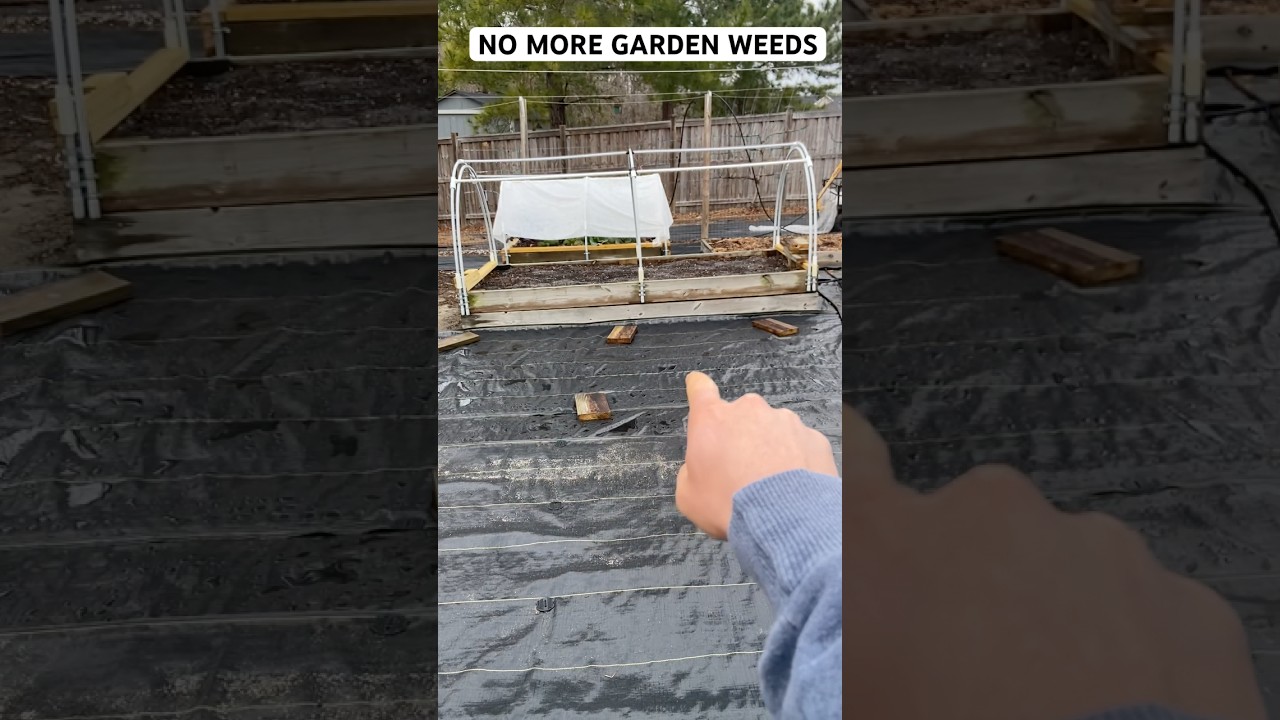
Are weeds taking over your garden and stealing your precious nutrients? If so, you’re not alone. Preventing weeds before they take hold is the key to maintaining a healthy, beautiful garden. In this article, you’ll discover proven strategies to keep weeds at bay, so you can enjoy a lush, thriving outdoor space with less effort and more satisfaction.
Introduction
Gardening has always been a marriage of patience, poetry, and a fair share of stubborn weeds that refuse to read the etiquette book. You plant, you water, you wait, and suddenly—like uninvited guests—those pesky weeds claw their way through every inch of your carefully cultivated plot. They pop up stubbornly, cocky little troublemakers, testing your resolve and your patience, and making you wonder why you ever thought a backyard garden was a good idea in the first place. But fear not, fellow green thumb enthusiasts, because there’s a secret weapon that doesn’t involve toxic chemicals or Armageddon-level patience: the humble yet heroic weed barrier.
Whether you’re nurturing rows of vibrant vegetables or designing a serene floral oasis, the challenge remains the same—how to keep your garden lush and weed-free without turning it into a chemical wasteland. Luckily, the solution is simple, effective, and downright satisfying: apply weed barrier directly on the soil surface. It’s like laying a castle wall around your precious plants, giving weeds a firm ‘access denied’ to your roots while keeping your natural serenity intact. So roll up your sleeves, grab that landscape staple gun—or, more appropriately, those landscape staples—and let’s get into the artful science of preventing weeds documented from your backyard to your consciousness.
The Art of Installing a Weed Barrier in Your Garden
Imagine trying to hold a delicate tea party in a windstorm—that’s akin to planting in a garden riddled with weeds. Before laying down the weed barrier, you need a clear canvas, a pristinely weed-free soil bed. It’s mandatory. Any lurking invaders beneath the surface will only undermine your efforts, like uninvited relatives overstaying their welcome. A thorough removal of existing weeds, both above and below, sets the stage for your noble effort—think of it as decluttering your mental space before embarking on meditation.
Once the soil is pristine and prepared, laying the weed barrier is nothing short of artifice and science. Roll out the fabric across your garden bed, ensuring it covers the entire area with a little extra to tuck around edges and garden features. Use a sharp scissors or garden shears—no one wants to tear the fabric like a poorly sewn shirt—and carefully cut around plants, tree trunks, or decorative stones. It’s a bit like tailoring a bespoke suit; precision ensures longevity. Secure the edges and small openings with landscape staples or pins, studding the fabric into the earth like tiny guardians, preventing it from fluttering in the breeze or inviting weeds to sneak through.
Covering the barrier with mulch elevates the aesthetic appeal while performing a dual role. It transforms what might look like an industrial monolith into a natural-looking paradise, cushioning your borders in a soft, earthy embrace. Mulch also works wonders for water retention, keeping moisture locked in during summer’s relentless scorch and stabilizing soil temperature as winter’s chill approaches. The beauty of this layered approach isn’t just appearance—it’s the quiet, effective, chemical-free defense against weeds, pests, and the chaos of a garden gone rogue.
Long-Term Maintenance and Sustainability of Your Garden’s Weed Control
A garden isn’t a set-it-and-forget-it project; it’s a living, breathing entity that demands ongoing care and diligent attention. Even the best-laid weed barrier isn’t invincible—snapped, torn, or clogged pathways are common foes. Regular inspections are key: walk the garden’s perimeter at least once a week, scanning for tiny weeds sneaking their way around the edges or through compromised sections. Think of this as your garden’s quarterly health checkup, where you gently tug at troublesome sprigs and make note of areas that might need reinforcement.
Eventually, debris, fallen leaves, or soil particles can settle on your weed barrier, diminishing its effectiveness. A quick sweep or a gentle raking can restore its pristine barrier, prolonging its lifespan. If tears or clogging do occur, don’t hesitate to remove that section and replace it with fresh fabric. It’s a small investment of time that yields tremendous dividends—like patching a leaky roof before your whole house floods. Over time, this practice ensures your gardening space remains a sanctuary; less weeds, fewer pests, and more of the lush, bountiful harvest or breathtaking blooms you envisioned.
Most importantly, embracing sustainable gardening practices dovetails perfectly with the use of weed barriers. It avoids chemical herbicides that can seep into soil and water, protecting the health of your garden’s ecosystem. Healthy use of weed barrier encourages biodiversity, promotes soil health, and fosters a sense of accomplishment that feels more rooted than anything chemical concocted in a lab. A well-installed, maintained, and thoughtfully used weed barrier isn’t just a tool; it’s an extension of your commitment to nurturing a vibrant, resilient, and environmentally friendly garden.
Frequently Asked Questions
Can I use weed barrier to keep my garden weed-free all season long?
Absolutely, when properly installed and maintained, a weed barrier can significantly reduce weeds throughout the growing season. It blocks sunlight from reaching weed seeds, preventing germination, which is the root of many garden weeds’ stubborn persistence. However, regular inspections are vital because some resilient weeds might find their way around edges or through tears, so occasional touch-ups and adjustments are essential. Mulching over the barrier further enhances weed suppression while adding a polished look and helping retain moisture.
How do I secure the weed barrier on uneven or sloped terrain?
Securing the weed barrier on uneven or sloped ground requires a bit of finesse. Use sturdy landscape staples or pins placed at frequent intervals—about every 1 to 2 feet—to prevent slipping or curling. For slopes, start from the top and work your way down, gently smoothing the fabric to avoid wrinkles that could trap water or weeds. When covering tricky spots around plants or garden features, cut small incisions and fold the fabric neatly, tucking it in to follow the terrain’s contours. Patience, a steady hand, and a sharp pair of scissors are your best tools.
How often should I replace the weed barrier?
The longevity of your weed barrier depends on quality, exposure, and handling. Usually, high-quality fabrics will last 3–5 years if maintained properly. If the fabric becomes torn, riddled with holes, or clogged with soil and debris, it’s time for a replacement. Use your monthly inspections as a health report—any damage or significant clogging warrants replacing the section. When replacing, ensure you remove the old fabric, clean the underlying soil, and reapply a fresh layer for renewed peace of mind and a pristine garden bed.
Can weed barrier be used around vegetable plants without harming them?
Yes, indeed! When applied correctly, weed barrier is a gardener’s best friend—allowing your vegetable plants to breathe and flourish while keeping weeds at bay. Cut the barrier to fit snugly around the base of each plant, leaving enough space for root growth. Secure gently with landscape staples, and cover with mulch for a polished look. This not only keeps weeds out but also conserves moisture and maintains optimal soil temperature—factors that translate into healthier, more productive vegetable plants.
Is using weed barrier an environmentally friendly method of weed control?
Definitely. Using weed barrier as part of sustainable gardening practices is an excellent alternative to chemical herbicides that can contaminate soil and water. It’s a physical barrier—no toxins, no harmful runoff—making it safe for your family, pets, and beneficial insects. When combined with organic mulching practices and proper soil management, it empowers you to cultivate a thriving, pest-resistant, eco-friendly garden. Long-term, it promotes biodiversity and soil health—gardening’s best gift for future seasons.
Final Thoughts
Gardening, with all its charm and chaos, remains one of the most rewarding human endeavors—if only we can tame the relentless weeds. Yet, it’s also a testament to patience, ingenuity, and a touch of resourcefulness. The humble weed barrier stands out as a silent sentinel, quietly defending your verdant domain so you can focus on the joys of growth instead of battling the weeds of despair. Think of it as the unsung hero in your gardening symphony—simple, effective, and surprisingly satisfying. Proper installation, diligent maintenance, and a sprinkle of gratitude can transform even the most rebellious landscapes into lush sanctuaries. After all, in the drama of soil and seed, sometimes all you need is a little barrier—and a lot of love.## Embracing the Philosophy of Gardening: A Weed-Free Future
Gardening is as much about expectations as it is about reality. No matter how many barriers you build or how diligent your weeding routine, weeds have a stubborn streak—much like that one persistent relative who always finds their way back. The secret, perhaps, lies in redefining success. It’s not about entirely eradicating weeds—because let’s face it, no garden is truly weed-proof—but about controlling them gracefully. That is where the sustainable use of weed barriers becomes a cornerstone of mindful gardening. It’s not a magic wand but a trusted ally, making your garden a resilient, thriving space without sacrificing integrity or environmental health.
In embracing this approach, you shift your mindset from confrontation to coexistence. You learn to accept little invaders and manage them with subtle finesse rather than brute force. The visual harmony of a mulched, weed-suppressed bed, with your cherished plants flourishing and pests kept at bay, becomes a metaphor for patience and careful stewardship. Gardening, after all, is a dance—not a battle—and a good weed barrier is that dependable partner helping you lead with grace. So, whether you’re tending to a small herb garden on your balcony or managing sprawling flower beds, remember: the goal isn’t perfection but harmony.
Now, step back, breathe in that earthy smell, and smile. After all, every weed surmounted, every barrier laid, is a quiet victory—a testament to your dedication to nurturing life responsibly and joyfully. And with each season, you’ll find that your garden not only becomes more resilient but also more reflective of your own growth as a gardener and an observer of nature’s endless, imperfect beauty.
Remember: The journey to a weed-free garden doesn’t end with just installing a barrier; it’s a continuous dance of observation, adjustment, and love. With this subtle, sustainable approach, your garden is bound to thrive—weed-free, pest-reduced, and bursting with vitality—highlighting the magic that careful planning and gentle stewardship can create in the great outdoors. Cheers to your greener, cleaner future—one well-placed barrier at a time.