Discover the incredible advantages of grafted fruit trees and how they can transform your gardening experience. By choosing grafted trees, you can enjoy healthier plants, more abundant yields, and quicker fruit production, all while enhancing the beauty of your outdoor space. Dive into the benefits and learn why grafted fruit trees are a smart choice for your orchard.
Introduction
Imagine walking through a sun-dappled orchard, your senses flooded with the intoxicating aroma of ripe fruits—plump peaches, glossy cherries, and perhaps, a sneaky hint of citrus zest. Now imagine that you could craft such orchard magic right in your backyard, no full-blown farm necessary. Welcome to the delightful world of grafted fruit trees—nature’s way of turning a single, sturdy rootstock into a multi-artist canvas of flavors and varieties. It’s the horticultural equivalent of remixing a classic song, where decades-old wisdom meets modern simplicity, allowing even amateur gardeners to breathe new life into dying trees or diversify their harvest with a few clever cuts.
Grafting isn’t just about fixing a sick tree or squeezing a few extra varieties onto one trunk. It’s a lifesaver, a creative avenue for orchard enthusiasts and urban gardeners alike. With nothing more than some scion wood, a grafting tool kit, and a dash of patience, you can resurrect a dead fruit tree or create a living mosaic of different fruit flavors. There’s an unmistakable sense of achievement when, after months of tending and grafting, your tree begins to produce fruits from multiple varieties—each with its personality and charm. This isn’t just gardening; it’s a living, breathing experiment, a delicious gamble that can turn your small patch of earth into a tropical paradise or a seasonal cornucopia.
So if you’ve ever gazed longingly at your fruit tree, wishing it bore more than just one predictable, ordinary variety—stop wishing and start grafting. It’s simpler than you think, more rewarding than you can imagine, and a little bit like whispering a miracle back into life, one snip at a time. Get ready to explore how grafted fruit trees can transform your gardening experience and give you powerful, fruitful benefits that will last for years.
The Surprising Benefits of Grafted Fruit Trees
Grafting isn’t just a botanical trick; it’s a full-blown empowerment tool for anyone who refuses to accept the limits nature might impose. For starters, you don’t need to replace the entire tree; instead, you’re essentially planting a new identity onto an existing, sturdy root. Picture this: a tree that, despite age or disease, can be revitalized with a simple graft, instantly signaling a comeback that feels downright miraculous. It’s like giving a tired old rocker a shiny new lease on life—except here, the soundtrack is a chorus of sweet, juicy fruits.
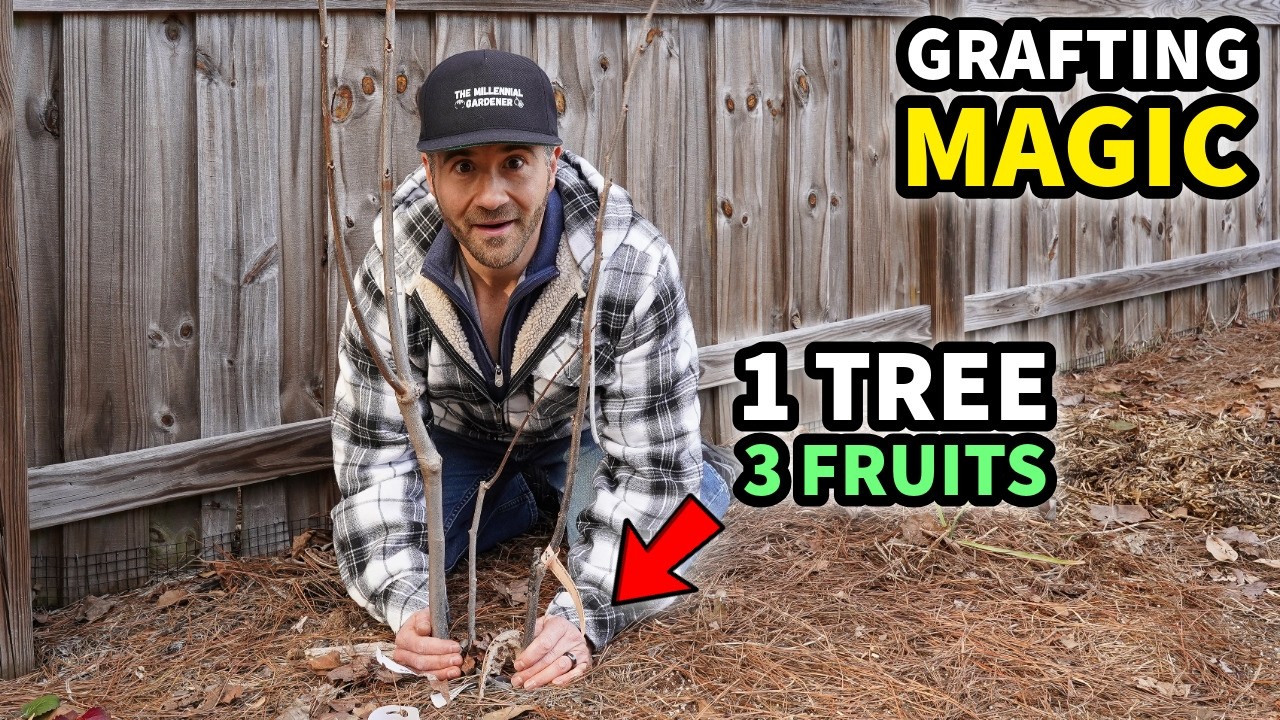
One of the standout benefits of grafting is the incredible ability to diversify your fruit harvest without cluttering up your space. Imagine having one tree that bears apples, plums, and cherries—each variety grafted onto different branches, growing harmoniously side by side. This practice not only maximizes your harvest potential but also reduces the need for multiple trees crowding your yard. Plus, each grafted variety can be selected for specific traits—resistance to pests, cold hardiness, or superior flavor—making your orchard smarter and more resilient.
Last but not least, grafting accelerates the time to fruit production. Contrary to the years-long wait from seedling to fruitful tree, a grafted tree can start producing within three months as long as the graft takes hold. It’s a shortcut that turns the patience-draining years into months, giving you a quicker payoff for your gardening investments. Combine that with the fact that grafted trees often outperform their seed-grown counterparts in vigor and productivity, and it’s clear: grafting is a game-changer—turning ordinary fruit trees into personalized, high-yield masterpieces.
How to Master the Art of Fruit Tree Grafting
Getting started with grafting is akin to learning a secret handshake of the horticultural world—a few precise cuts, a dash of patience, and suddenly you’re a fruit tree whisperer. The first step is understanding the very basics before diving into the more elaborate methods like cleft, whip-and-tongue, or bark grafting. Fortunately, with a good tutorial video (which you can find online for free) and an assortment of grafting tools, you’re well on your way. It’s less about artistry and more about technique, like a dance where each step must be deliberate yet fluid.
The key to success in grafting is selecting the right scion wood—those tiny, dormant buds that contain the potential for a new life. You can purchase these from specialized nurseries online, where they often come labeled with the fruit variety, health status, and harvest time. Once you have your scion, the real magic begins. You make a clean, precise cut on the rootstock and the scion, ensuring their cambium layers—think of it as tree tissue or garden magic—align properly. Securing your graft with Parafilm grafting tape is crucial, as it keeps everything snug and keeps out pesky germs and pests.
Beyond the graft itself, a comprehensive kit with pruning shears, pull saws, and grafting knives make the process less intimidating. After sealing the join, applying organic fertilizers like fish emulsion, bone meal, or blossom booster encourages swift and healthy healing. Protecting the graft with shade cloth and insect netting shields the tender new union from the elements and marauding bugs. And remember, patience is key—expect visible signs of growth within three months, making the journey from tiny snip to fruitful harvest incredibly rewarding.
The Practical Side of Grafting: Tools, Tips, and Tricks
Grafting your fruit trees isn’t a haphazard affair; it’s an organized dance of science and instinct. To perform this ballet with grace, investing in a high-quality grafting tool kit is essential. These kits typically include a razor-sharp grafting knife, a budding blade, and sometimes specialized saws that make clean cuts without tearing the cambium layers apart. Think of it as the scalpel an artist would use—precision tools that matter immensely because a perfect cut is the foundation for a successful graft.
Equally important is having the right environment for your grafts to thrive. Shade cloth and insect netting aren’t just pretty accessories—they are vital for shielding your delicate grafted union from scorching sun and persistent pests. With pests like aphids and borers always lurking, a simple netting or a protective ring around the graft site can be the difference between a thriving tree and a graft that fails to take. Adding a bit of organic fertilizer—think fish fertilizer or trace minerals—creates a nutrient-rich environment for the new graft to heal, grow, and eventually bear fruit in its own time.
Grafting multiple varieties onto a single rootstock transforms a single trunk into a veritable fruit buffet. It’s a visual and gustatory masterpiece—an orchard in miniature—where every branch tells a different story. This approach also lends itself to experimentation—try different rootstocks, varieties, or even grafting techniques, and observe what flourishes. Remember, patience and careful attention to the healing process—maintaining proper moisture, avoiding excessive pruning, and monitoring for pests—will make your grafting endeavors more successful and less frustrating.
The Fruits of Your Labor: What to Expect
Once your graft has been lovingly sealed and nurtured, the real thrill begins. Expect to see signs of life emerge within approximately three months: a tiny leaf sprouting from the grafted bud, a swelling at the cut site, or new growth pushing through the tape. It’s the botanical equivalent of a small miracle—your meticulous efforts translating into tangible progress. Watching those first hints of your new variety blossoming on an established tree is akin to witnessing a secret unfolding—an optimistic promise for future harvests.
In the seasons that follow, your grafted tree responds like an eager pupil, gradually maturing and producing a modest crop after its second or third year. The real payoff, of course, is in the taste—each fruit carrying the signature qualities of its parent variety, but all born from your skillful grafting. Plus, with proper care, organic fertilization, and pest protection, your tree will reward you with years of bountiful, flavorful harvests, each year expanding your orchard’s diversity.
Grafted trees also present the exciting possibility of orchard miniatures—multi-variety trees that bring not only flavor but also resilience and genetic diversity to your garden. In case of disease or pest outbreaks, you’re better prepared; if one variety falters, others continue to thrive, ensuring an ongoing, abundant gift of fruit. Grafting is more than an art—it’s an investment in resilience, flavor, and the sheer joy of growing your own fruits, tailored to your tastes and climate.
Frequently Asked Questions
Can I graft a fruit tree if I don’t have much gardening experience?
Absolutely. While grafting might seem like a process reserved for seasoned horticulturists, it’s surprisingly approachable for beginners when broken down into simple steps. Start with cleft grafting on healthy, young rootstocks, watch some video tutorials, and use quality tools. The key is patience and attention to detail—if your cuts are clean and you secure the graft properly with Parafilm or grafting tape, your chances of success skyrocket. Mistakes are part of the learning curve; every gardener has stories of failed grafts and triumphant harvests.
How long does it take for a grafted fruit tree to produce fruit?
On average, you can expect your grafted variety to bear fruit within three to five years, depending on the type of tree and the grafting technique used. However, with diligent care and optimal conditions, some varieties—especially those grafted onto vigorous rootstocks—may fruit sooner, sometimes in just two years. The magic number to watch for is when your tiny grafted buds start swelling and leafing out, signaling that the tree is well on its way to fruitfulness.
Is it possible to graft multiple varieties onto one tree?
Yes—this is one of the most exciting aspects of grafting. Creating a multi-variety tree with different fruits on different branches is both visually stunning and practically advantageous. It allows you to harvest a variety of fruits from a single trunk, which is perfect for small gardens. Just remember to balance the size of each grafted variety and ensure your rootstock can support multiple branches and fruit loads. The result is a living, edible art piece that keeps on giving.
What are the best types of fertilizers for grafted fruit trees?
Organic options such as fish fertilizer, bone meal, and trace mineral blends provide essential nutrients that encourage healthy growth and healing. For flowering and fruiting, specialized fertilizers like Jack’s 20-20-20 or Blossom Booster can be highly effective. The key is applying these fertilizers in moderation—overfeeding can lead to excessive leafy growth at the expense of fruit—and always following the manufacturer’s instructions. Healthy, well-fed trees will reward you with luscious, productive harvests year after year.
How do I protect my grafted trees from pests and harsh weather?
Protection begins with physical barriers like insect netting and shade cloth that shield young grafts from hungry bugs and scorching sun. Mulching around the base helps conserve moisture and regulate soil temperature, while organic pest control methods—like neem oil or beneficial insects—keep unwelcome critters at bay. Also, keep an eye out for signs of stress or disease, and prune regularly to maintain good air circulation. When all these elements come together, your grafted trees will stand resilient amid nature’s whims.
Final Thoughts
Grafting fruit trees is more than just a gardening technique; it’s an act of ingenuity—a way to rewrite the narrative of your backyard, your orchard, or even your balcony. With each successful graft, you’re not merely saving a struggling tree or adding variety—you’re forging a personal connection to the living organism that yields the sweetest, most satisfying rewards. It’s an invitation to experiment, to learn, and ultimately, to grow beyond the limits that nature might impose. So arm yourself with a grafting kit, a scoop of enthusiasm, and a little patience—because the journey from a tiny cut to a lush, productive tree is a story worth telling. The future of your orchard is in your hands, and oh, what a delicious future it promises to be.