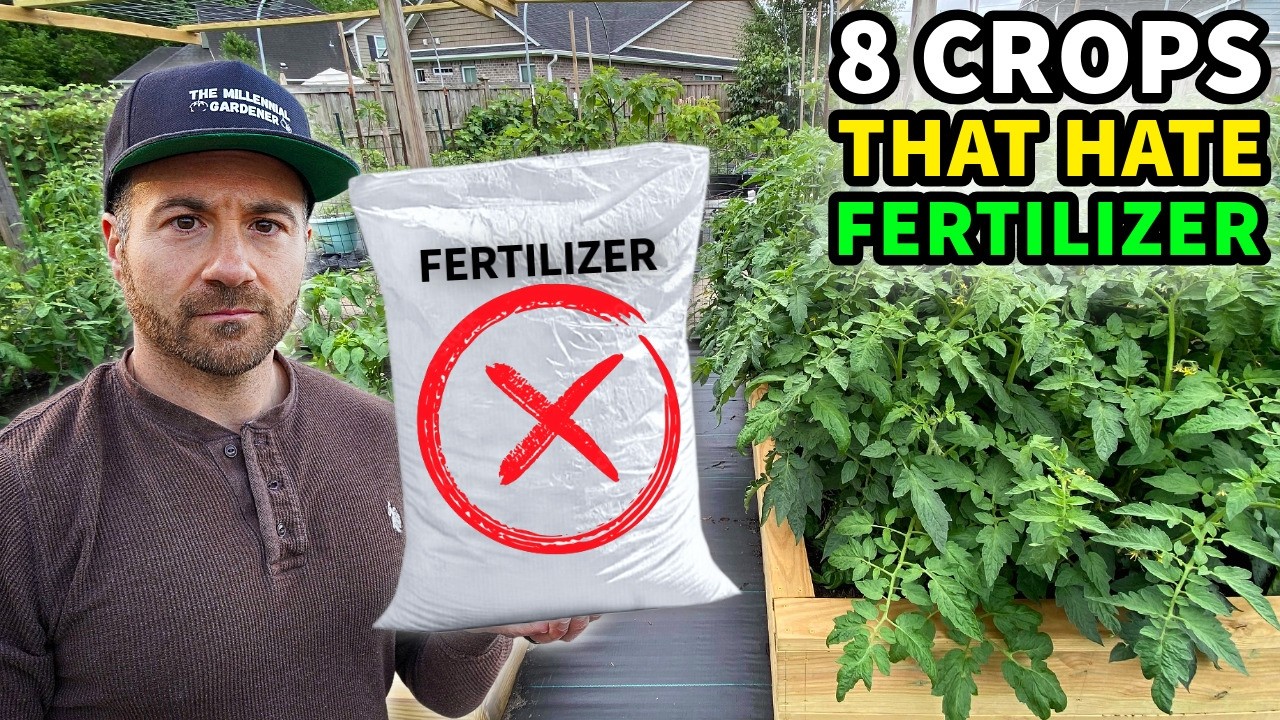
Are you tired of wasting money on fertilizers that your plants refuse to love? If you prefer a low-maintenance, budget-friendly gardening approach, you’re in the right place. Discover the plants that thrive without the need for chemical feeds and learn how to nurture a beautiful garden effortlessly.
Plants That Detest Fertilizer: Lazy Budget-Friendly Gardening Tips
Introduction
There’s something undeniably intoxicating about the idea of a garden that practically takes care of itself—a lush, thriving tapestry of vegetables and herbs that requires little more than a gentle whisper and a splash of water now and then. But peeling back the layers of this idyllic dream reveals a secret: not all plants are fans of constant fertilization. Some are downright indifferent—or even hostile—to the very stuff that promises increased productivity. If you’re a lazy gardener, someone who’d rather spend time with a cocktail in hand than lug around bags of fertilizer, understanding these voraciously independent plants can be a game-changer.
Imagine stumbling out your back door, grabbing a handful of seeds, and planting with the carefree attitude of someone who’d rather be doing anything else. No fuss, no muss, just a promise of abundant harvests that grow, flourish, and harvest themselves—well, almost. The secret lies in choosing the right plants, the ones that thrive on neglect, and leveraging easy, budget-friendly gardening tips tailored specifically for lazy people. Best part? You can buy your favorite seeds, from bush beans to radishes, and indulge in gardening that’s more about relaxation and less about toil.
So, what are these miracle plants that detest fertilizer yet give back in spades? How can you nurture a farmer’s paradise with minimal effort? From rooting for robust root vegetables to steaming through veggie patches that practically organize themselves—this guide is your ticket to low-maintenance gardening that proves you don’t need to be a botanical expert to grow great food.
Plants That Love to Grow on Empty: Nature’s Lazy Gardeners
When you think about plants that detest fertilizer, the first names that come to mind aren’t exactly the glittering superstars of the vegetable patch. They’re the humble radicals, the secret agents of the gardening world—creatures that don’t require rich soil or a steady diet of nutrients for their roots to thrive. Take radishes, for instance: these little speed demons grow rapidly, sometimes sprouting in less than a month, and happily shrug off lavish fertilization attempts. Plant them in sandy soil with minimal fuss, and they’ll practically grow themselves, leaving you with fresh, crunchy radishes with the casual attitude of someone who’s just here for a good time.
Then there are carrots—those native to the lazy gardener’s dreamscape. Root vegetables like these love loose, well-drained soil but don’t need a secret sauce of fertilizers to produce sizeable, sweet bulbs. It’s as if they prefer to hide underground, quietly doing their thing without demanding extra attention or nutrients. It’s a beautiful thing, watching something so simple produce results without coaxing or pampering. This makes them perfect for adults who’d rather spend their weekends avoiding yard work but still want a bowl of fresh, homegrown carrots on their table.
Finally, consider beans—particularly bush beans and pole beans—distinguished by their ability to fix nitrogen in the soil through natural symbiosis with bacteria. That means they’re often less reliant on synthetic fertilizers, and you can plant them in slightly less-than-perfect conditions with confidence. Beans are the quintessential lazy gardener’s allies: they don’t ask for special fertilizer blends, just a decent seed, a bit of water, and plenty of space to crawl toward the sun. They’re proof that some plants really do prefer to be left alone—an attitude that aligns perfectly with budget-friendly, low-fuss gardening.
Effortless Gardening Hacks for the Indifferent Soil Enthusiast
Achieving a bountiful garden without breaking a sweat takes a little know-how, but it’s nothing that a lazy gardener can’t embrace with the right tools and tricks. First, consider investing in products that make gardening feel like a passive activity rather than an active chore. Watering wands, for example, are the equivalent of a garden spa treatment—drench your plants evenly without the awkward juggling of watering cans. Combine this with weed barriers, which act as invisible guardians, shielding your precious crops from relentless weeds and invasive grasses—truly the backyard equivalent of a good night’s sleep.
Shade cloths and insect netting are other underappreciated allies—protecting your crops from sun scorch and voracious bugs with the minimal fuss of a throw blanket. For soil, organic fertilizers aren’t always necessary for our low-maintenance pals; instead, a seasonal application of compost or organic matter can provide enough sustenance to keep things humming. Using pruning snips and grow lights might seem like overkill, but they help keep the plants neat and thriving, especially if you’re growing tomatoes like ‘Bobcat’ or ‘Celebrity Plus’—easy yet productive choices for the occasional, distracted gardener.
Lastly, don’t ignore the power of simple, budget-friendly tools like seedling heat mats and organic fertilizers. These items turn a potential chore—getting plants to germinate—into a straightforward process that needs little oversight. When you combine these hacks with plants that naturally thrive on neglect, like radishes, beans, and carrots, you’re left with a garden that practically rewards your laziness with a generous harvest. It’s a win-win, really—big yields with minimal effort, perfect for those who prefer relaxing with a good book over obsessing about soil chemistry.
Key Low-Maintenance Crops Perfect for Lazy Gardeners
Some vegetables are practically begging to be grown by folks who’d rather be doing anything else than fussing over their plants. Let’s start with the day-to-day champions: radishes and peas. Radishes, those speedy little root vegetables, are as forgiving as a golden retriever. Sow a handful of seeds, water them lightly, and they’ll start to appear faster than you can finish an episode of your favorite binge-watch show. Their quick turnaround makes them a perfect candidate for newbies who want immediate gratification without the hassle of ongoing fertilization.
On the other hand, peas, especially the quick-growing garden varieties, can be your go-to for a low-maintenance vegetable that brings a sweet harvest with minimal fuss. They thrive in cool weather, like a cool ocean breeze, and love to climb—so a simple trellis or even a tall fence can serve as their runway. Not only are they effortless to grow, but they’re also nature’s little nitrogen factories, enriching the soil for other plants without you lifting a finger. It’s like having your own green, self-sufficient army.
Root vegetables like beets and parsnips also shine brightly in the lazy gardener’s lineup. They’re the underground champions—tolerant of less-than-ideal soil conditions and requiring only mild thinning and watering. Harvesting them feels like finding buried treasure, and the effort-to-reward ratio makes them ideal for anyone who doesn’t want to spend their weekends on their knees. Tomatoes like ‘Siletz,’ which are determinate and produce all their fruit in a compact window, are also famed for their low maintenance—just stake, water, and watch them flourish.
Final Tips: Making Gardening Even Easier
Now that you’re armed with a wishlist of easy, low-maintenance plants, it’s time for some final, lazy-guy tactics that will turn your garden into a nearly self-sufficient paradise. First, location matters; placing your garden in a sunny, unobstructed area—like the sunny spot in the southeastern North Carolina Zone 8B—means your plants will get the light they need without extra intervention. A little shade cloth here and there can protect delicate veggies during the hottest days, and in the off-season, a simple layer of mulch can keep weeds at bay and moisture locked in, reducing watering needs.
Next, consider the power of good soil—a lazy gardener’s secret weapon. Amending your garden bed with organic compost at planting time provides a buffer of nutrients that your plants can draw from naturally. These crops are built to endure neglect; however, a few strategic additions like seedling heat mats for germination or organic fertilizers during peak growth can give your garden that extra bit of resilience. Using products like weed barriers or insect netting can save hours of weeding and chasing pesky critters, making your garden effort almost invisible.
Lastly, save yourself some mental trouble by choosing an assortment of plant varieties known for their resilience and adaptive nature—like the aforementioned tomatoes, beans, and root vegetables. Subscribe for more tips and follow social media accounts to keep a finger on the pulse of low-maintenance gardening innovations. Remember, a garden is supposed to be a source of joy, not a stress-inducing chore. With a bit of planning, some clever tools, and plants that do their best without heavy-handed care, you’ll be cultivating a lush, productive patch that thrives on simplistic charm and minimal fuss.
Frequently Asked Questions
Q1: Can I grow vegetables that thrive on neglect even in a small urban garden?
Absolutely! Many vegetables like radishes, carrots, and bush beans adapt beautifully to limited space and will happily flourish in containers or raised beds. They require minimal fertilization and care, making them perfect for city dwellers with busy schedules. Just ensure they receive sufficient sunlight and moderate watering, and they’ll repay your laziness with generous yields.
Q2: Are there specific seed varieties ideal for low-maintenance gardening in Zone 8B?
Definitely. Varieties such as ‘Siletz’ determinate tomatoes, bush beans, radishes like Daikon, and root crops like beets are tailored for Southeastern North Carolina’s climate. These seeds are usually quick to germinate and resilient against local pests and weather, easing your garden’s overall demands. Always check local seed suppliers or recommended links for top-performing options.
Q3: How crucial are soil amendments and organic fertilizers for plants that dislike fertilizer?
While these plants can tolerate poorer soil and minimal fertilization, a touch of organic matter like compost can significantly boost growth and resilience. The idea is to work smarter, not harder—using mulch, organic fertilizers, and natural amendments helps extend the period between feeding and watering, making gardening less demanding.
Q4: What tools are essential for lazy, budget-conscious gardening?
Tools like watering wands, weed barriers, and insect netting dramatically cut down on maintenance time. Grow lights and seedling heat mats, although optional, will ensure healthy starts with less fuss. Budget-friendly options from online stores or local garden centers make these tools accessible without breaking the bank.
Q5: What is the best way to start growing plants that dislike fertilizer as a first-time gardener?
Begin with easy-to-grow, no-fertilizer-required seeds like radishes or snow peas. Prepare your soil with simple organic compost, select sunny locations, and use minimal but strategic watering and mulching. Watching these hardy plants thrive will boost your confidence and prove that gardening can be effortless and rewarding.
Final Thoughts
Gardening isn’t about turning your yard into a demanding project—it’s about cultivating happiness, fresh food, and a little bit of dirt-smudged joy without the headache. When you choose plants that disdain fertilizer, you’re essentially inviting nature to do its thing, turning your garden into a patchwork of effortlessness and abundance. It’s a balance of patience, clever choices, and a willingness to let go of perfection. With the right seeds, a few budget-friendly tools, and smart planting tips, you can grow a garden that’s as laid-back as your favorite Saturday morning—bountyful, beautiful, and free of unnecessary fuss. Now, go ahead—plant, relax, and enjoy the lazy, lush fruits of your minimal effort.