Are you confident that your soil mix is safe for your garden? What if I told you that your current soil mixture could be secretly harming your plants and stunting their growth? In this post, you’ll discover the hidden dangers lurking in your soil, how they might be affecting your garden beds, and what you can do to ensure your garden stays healthy and thriving.
How Your Soil Mix Might Be Secretly Poisoning Your Garden Beds
Introduction
Picture this: you’ve spent hours poring over seed catalogs, meticulously choosing the perfect herbs or vegetables, envisioning a lush, vibrant bounty promising to turn your backyard into a horticultural Eden. You scoop up what looks like good dirt—perhaps a bag of miracle potting mix—and dump it into your raised beds. But lurking beneath this seemingly innocent act lies a silent threat: the very soil you rely on might be sabotaging your greatest gardening dreams.
It’s a frustrating yet common story. People assume that any soil—particularly those retail-appealing potting mixes—will nurture their plants as promised. But many of these commercial blends are laden with questionable ingredients, and if you’re not careful, they could be quietly poisoning your plants, stunting growth, or discouraging new sprouts altogether. The truth is that building a healthy, sustainable garden isn’t just about planting seeds or watering—it’s about understanding and nurturing the very earth underneath your fingertips. Because, as it turns out, not all soil is created equal, and some might be secretly working against your garden’s vitality.
So, how do you uncover the hidden dangers lurking in your garden soil? How can you decide whether your chosen soil mix is truly a friend or a secret villain? Let’s embark on a deep dive into the murky waters of garden soil, unravel misconceptions, and uncover how to create a safe, thriving haven for your plants—without throwing your hard-earned money at products that might do more harm than good.
The Hidden Dangers in Common Garden Soils and Potting Mixes
For starters, let’s tackle that sneaky, perhaps well-intentioned, but ultimately treacherous landscape of retail garden soils and potting mixes. Many garden centers proudly display bags boasting “rich organic content,” “premium quality,” or “perfect for raised beds.” The truth, however, is that these mixes often contain questionable fillers and synthetic additives designed to boost shelf life rather than plant health.
Let’s be honest: when you see words like “refined peat,” “coir fiber,” or “hydroponic-grade perlite,” it’s easy to assume these are benign. But some of these ingredients come with discreet warnings. Peat moss, for example, is harvested from sensitive bog ecosystems, and while it’s excellent at retaining moisture, its extraction contributes to environmental degradation. Not to mention, over-reliance on peat in garden beds can make the soil overly acidic, which might shock your plants rather than support them.
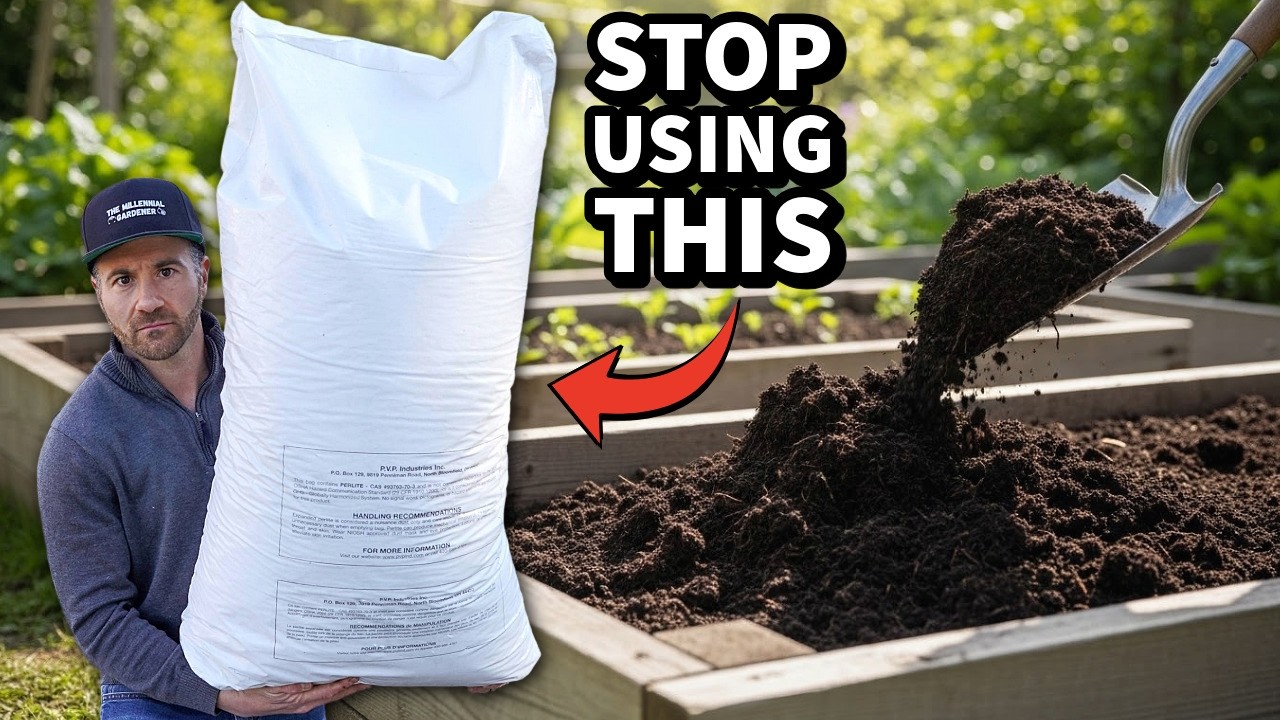
Vermiculite and perlite, often marketed as miracle soil amendments, are another concern. Both are mined mineral products that, when contaminated—or sometimes simply aged—can harbor pathogens or harmful substances. Over time, these inert materials might just sit there, creating an environment that’s less a welcoming place for roots and more like an impenetrable, sterile zone. And some cheaper mixes incorporate synthetic binders or preservatives that could leach into your soil, subtly poisoning your roots and impairing nutrient uptake.
The real kicker? Many commercial mixes labeled “garden soil” are actually synthetic concoctions that, in their essence, bear little resemblance to real earth. When soil is sterilized or heavily processed, it loses its microbiological diversity—an invisible network that helps plants absorb nutrients, ward off pests, and fight disease. Removing this network, whether intentionally or not, could leave your garden more vulnerable to problems later down the line. These synthetic or sterilized soils might seem convenient, but they often set the stage for long-term health issues that are only apparent after your plants are struggling.
Why Real Garden Soil and Proper Amendments Are Your Garden’s Best Friends
Here’s the truth you might find surprising: your garden thrives on the complex, biology-rich environment of real garden soil—not bags of compressed, sterilized substances. Think of it like this: your plants are not just passive recipients of nutrients; they’re dynamic beings that need a bustling, living soil ecosystem to flourish. Filling your garden beds with nutrient-rich, active soil—filled with the right balance of organic matter and minerals—is akin to planting a thriving community rather than just dumping in a handful of synthetics.
Using unadulterated, healthy garden soil isn’t only better for plant growth; it’s also a smart money move in the long run. When you start with a solid foundation—filling your raised beds with real, hearty soil—you significantly reduce the need for constant fertilization and soil amendments. Plus, you get to avoid the cost of expensive, questionable products that promise quick fixes but do little to support soil health over time. A well-amended garden bed is a testament to the truth that patience and proper soil management outperform the flashiest, most advertised additives.
But how do you do that? First, you need to understand what makes real garden soil tick. It’s a living, breathing concoction composed of mineral particles, organic matter, water, air, and countless tiny organisms working in harmony. To harness this vital system, you’ll want to add organic amendments like compost, aged manure, or worm castings, which serve as the fuel for your soil’s microbial community. Properly amended soil not only feeds your plants over the long haul but also forms a resilient, self-regulating environment, preventing some of the issues caused by synthetic or sterilized soils.
Plus, if native soil has been disturbed or polluted—say by contaminated runoff or urban pollution—it can be used as a base, but only if it’s properly amended and tested. A thorough soil test helps identify deficiencies or toxins lurking beneath the surface, guiding you on what organic products to incorporate. Remember: a healthy soil doesn’t just mean adding nutrients; it’s about fostering an ecosystem that supports your plants’ natural growth processes, making your garden not only beautiful but inherently resilient.
Practical Tips for Filling Your Garden Beds the Right Way
Now, after facing the sobering reality of what might be lurking in your soil, let’s focus on what you can do to reclaim your garden’s health. First and foremost, ditch the temptation to fill raised beds with bagged potting mixes that promise the world but often deliver a sterile, nutritionally bankrupt environment. Instead, invest in good, real garden soil—preferably local, sourced, and well-composted—rich enough to nurture robust plants from seed to harvest.
To do this efficiently, tools become your best friends. A soil sifter is your secret weapon—think of it as a fine-tooth comb for dirt—removing unwanted debris, rocks, or contaminated patches while allowing the good stuff to pass through. Coupled with a dump cart, you can streamline the process of hauling, mixing, and spreading soil, transforming what once felt like a tedious chore into a manageable task. Learning how to fill small garden beds properly through online videos or local workshops makes all the difference: it’s a skill that pays dividends in plant vigor and longevity.
Don’t forget to amend your garden’s native soil with organic essentials—creamy compost, crushed eggshells for calcium, fish emulsion for nitrogen, and kelp meal for micronutrients. These additions help recreate the lively, fertile environment your plants crave, creating a culture of microbial activity that encourages healthy roots and bountiful harvests. When using grow bags or raised bed kits, aim to fill them with this well-stewed soil mix—balancing organic matter with mineral amendments to optimize drainage, aeration, and nutrient availability.
Remember, the goal isn’t just to fill a bed, but to build a foundation that will sustain your garden season after season. Simple steps like labeling your amendments, testing your soil periodically, and avoiding harmful fillers will save money and frustration down the road. Fostering a vibrant soil environment is about patience and persistence, but the reward—a thriving, resilient garden—is worth every ounce of effort.
Frequently Asked Questions
1. Can I mix native soil with compost to create a healthy garden bed?
Absolutely. Native soil, when properly amended with compost, can serve as an excellent, cost-effective base for garden beds. The key is to test the native soil for contaminants and pH levels first. After that, incorporating organic compost introduces beneficial microorganisms, improves drainage, and nourishes plant roots. It turns sterile or degraded native soil into a vibrant, living medium that supports a thriving garden ecosystem.
2. Why should I avoid synthetic soil amendments like pumice or vermiculite?
Synthetic amendments are often inert and lack biological activity, which plants depend on for nutrient uptake and disease resistance. While they help with aeration or moisture retention, over-reliance on these materials can create a sterile environment that stifles beneficial soil microbes. Moreover, contaminated or improperly sourced synthetics can introduce unwanted substances into your garden, silently undermining plant health over time.
3. What organic products are best for amending garden soil?
Rich compost, aged manure, worm castings, and organic fertilizers like fish emulsion and kelp meal are top contenders. These ingredients feed the microbial life necessary for a healthy soil ecosystem, improving nutrient availability and enhancing plant vigor. Applying these organic amendments regularly and in the right quantities builds a resilient garden foundation that sustains your plants longer than synthetic options.
4. How can I tell if my garden soil is toxic or contaminated?
Start with a soil test from a reputable lab. These tests reveal pH levels, nutrient deficiencies, and the presence of heavy metals or toxic substances. Visual cues like stunted growth, discoloration, or unusual plant dieback can also be indicators. If contamination is suspected, consult local experts or agricultural extension services for guidance on remediation—sometimes, replacing or heavily amending your soil is the best course.
5. How do I know when my raised bed soil is ready for planting?
A good soil is crumbly but retains moisture and feels alive with organic matter. You can perform a simple squeeze test: if the soil crumbles easily in your hand and releases a rich, earthy aroma, you’re on the right track. Additionally, allowing the soil to sit and incubate with layered amendments for a few weeks before planting helps microbial communities establish, ensuring healthy, vigorous plant growth right from the start.
Final Thoughts
In the end, the health of your garden begins beneath the surface—literally. The soil you choose to fill your beds is more than just dirt; it’s a living, breathing entity that determines whether your plants will thrive or merely survive. Recognizing that many store-bought mixes can harbor hidden toxins or lack biological vitality is the first step toward a more sustainable, fruitful garden. By committing to filling your raised beds with real garden soil, properly amended with organic products and vigilant oversight, you’re planting the seeds for a resilient, lush landscape.
Gardening isn’t just about patience and persistence; it’s about respecting and understanding the complex world beneath your plants’ roots. Approach it with curiosity, choose your soil ingredients wisely, and your garden will reward you with a bounty that’s not only plentiful but also genuinely healthy. After all, the greatest secret to a thriving garden lies in nurturing the humble soil—an unglamorous hero with the power to make or break your horticultural dreams.