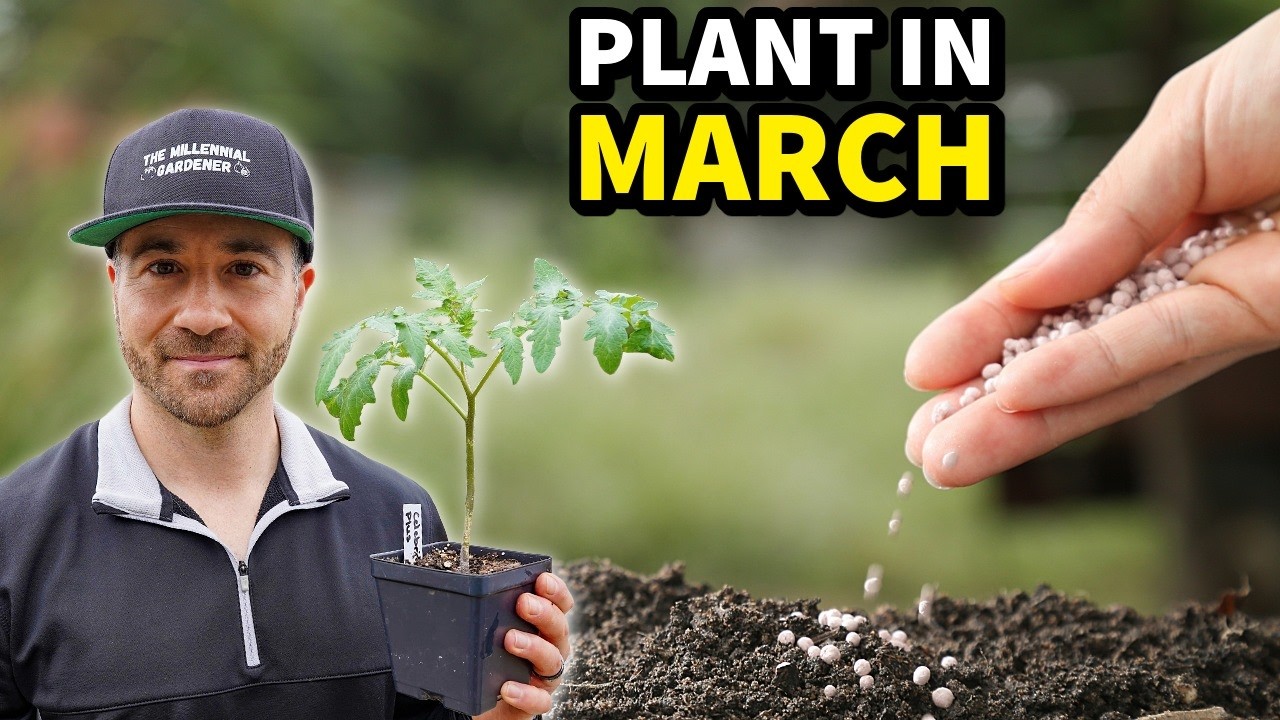
If you want to ensure a thriving garden this year, there’s one crucial thing you must do in March. Delaying or skipping this step could leave your plants struggling or missing out on a full, bountiful harvest. Keep reading to find out what you need to plant now, so you won’t regret it later.
Introduction
Spring’s whisper is nigh, yet the true gardener—that brave soul who believes forests start with just a tiny seed—knows that March isn’t merely a month on a calendar. It’s the opening act of a botanical ballet, a pivotal moment when planting strategies shape an entire growing season—sometimes even a legacy. If you’ve ever neglected to start your seeds in time, watching your garden’s promise shrivel under the weight of missed opportunity, then buckle in. Because, my fellow cultivator of dreams, this is the month where planting late can transform from a harmless delay into an irrevocable regret.
March, with its teasing promise of warmth and unpredictable frosts, demands a kind of garden-related clairvoyance. The key isn’t just tossing seed packets into the earth and hoping for the best; it’s understanding that every week you delay can turn your lush potential into a barren testament to procrastination. From sprouting early tomatoes to building a PVC hoop house, the choices you make this month set the stage for a harvest that can either be a bounty or a bust. So, grab your trowel, dust off your indoor grow lights, and let’s explore why planting in March isn’t just a good idea—it’s downright essential.
Why March Is the Secret Ingredient for a Flourishing Garden
Imagine your garden as a blank canvas—except instead of paint, you’ve got seeds; instead of brushes, you wield determination. March is the secret ingredient that turns a dull, empty plot into a masterpiece of leafy green possibilities. Starting seeds weeks before warm weather ensures robust, vibrant plants that refuse to be intimidated by the unpredictable whims of early spring. Without that head start, your young seedlings risk succumbing to pesky pests, chaotic weather swings, or that ominous frost that lurks just beyond the forecast. This month is an insurance policy against failure, a promise that your garden will flourish rather than flounder.
Starting early is a little like rehearsing for a play you hope to direct. The first few weeks of seed starting—whether in seed trays or versatile grow bags—are your dress rehearsals. It’s when you learn how to regulate temperature using seedling heat mats, evaluate the best grow lights for indoor sprouts, and master watering wands that prevent soil from drying out. Raw, untrained seedlings are like pre-teen musicians still learning to tune their instruments; give them a head start, and your garden symphony will be in perfect pitch come spring. Because in the great dance of planting, being just a tad early can mean the difference between a scattered crop of “what might have been” and a lush bounty ripe for harvest.
Moreover, March planting isn’t just about planting on a whim; it’s about strategic timing. Potatoes, for instance, need to slip into the ground just as the soil warms enough, while peas thrive when you sow them beneath row covers to fend off the lingering chill. Cucumbers and melons, the sun-loving divas of the garden, perform best when their seeds are nestled into the earth before the real warmth takes hold—don’t wait too long, lest you miss the window entirely. It’s like catching a wave—if you wait too long, the moment is lost, and you’re left paddling for what might have been a smooth ride.
Building Your Gardening Arsenal for March Success
If you’re serious about planting now, you’ll want to arm yourself with a few trusty allies: self-watering planters, grow lights, seedling heat mats, and perhaps even a PVC hoop house. These tools aren’t just fancy gadgets; they’re the lifelines that make March planting feasible when outside conditions are still capricious. A PVC hoop house or cloché provides that crucial warm and protection, extending your growing season and shielding tender seedlings from a surprise frost. It’s like giving your plants a cozy, climate-controlled bubble—because why risk losing your expensive tomato seedlings to an untimely cold snap?
Protective gear such as row covers or insect netting allows you to jumpstart your garden without the drama of pests or unseasonal insects. Meanwhile, soil fertility is king—organic fertilizers like blood meal, bone meal, or fish fertilizer act as enforcers, fortifying your planting beds with the nutrients necessary to kickstart vigorous growth. All of these strategies are the secret sauce that turns an ordinary garden into a thriving machine, humming along with the precision only a March start can provide. Think of it as setting up a winning chessboard; each move counts, and planting early grants you the strategic advantage.
Getting your seeds started isn’t just about urgency; it’s about mastery. Whether you’re transplanting Merlin cucumbers, Brandy Boy tomatoes, or Garden Salsa peppers, knowing the right flick of your pruning snips or the correct depth for sowing can mean all the difference between a crop-packed summer and a “maybe next year” shrug. With a little patience, a sprinkle of organic compost, and some savvy techniques, your garden will be the envy of neighbors still contemplating spring’s arrival. Because, ultimately, and as with most success stories, it’s the early movers who harvest the spoils.
Frequently Asked Questions
Why should I start seeds indoors in March rather than waiting until later?
Starting seeds indoors in March gives your plants a vital head start, especially in regions with unpredictable final frosts. It’s akin to raising teenagers in a supportive environment—they’re stronger and more resilient when they’re ready to face the world. Indoor seed starting ensures that by the time you’re ready to transplant outdoors—when soil temperatures are just right—your seedlings are robust enough to thrive. Waiting too long risks planting fragile sprouts that might never establish themselves before the weather turns hostile.
How can I extend my growing season with a PVC hoop house?
A PVC hoop house is an ingenious creation—a semi-permanent, lightweight structure that encapsulates your seedlings and gives them a temperature boost. It traps warm air during the day and protects against chilly nights, essentially creating a microclimate perfect for early planting of crops like tomatoes, peppers, and melons. By installing a hoop house in March, you can start sowing seeds much earlier than traditional outdoor planting allows, turning a fleeting summer into an extended, bountiful harvest. Plus, it’s surprisingly easy to DIY, making it a gardener’s best friend.
What are the best organic fertilizers to prepare my soil in March?
Organic fertilizers are the unsung heroes of a successful garden. Fish fertilizer provides a quick boost of nitrogen that green plants adore, while bone meal supplies phosphorus crucial for root development. Blood meal is a high-nitrogen supplement perfect for invigorating early growth. All these natural options improve soil fertility without synthetic chemicals, and they work in harmony to set your garden on the path to abundance. Applying them a few weeks before planting ensures nutrients are well-integrated, giving your seedlings the foundation they need to thrive.
When is the ideal time to transplant seedlings outdoors?
Timing is everything—plant too early, and you risk frost damage; wait too long, and your seedlings may outgrow their indoor homes. In most temperate zones, the sweet spot falls after the last expected frost date, often in late March or early April. To get ahead, many gardeners use soil temperature monitors and weather forecasts to make the call. Transplanting when the soil reaches approximately 55°F (13°C) allows roots to settle in without the shock of cold. The goal is to strike a balance: giving seedlings a gentle push into their outdoor home just before Mother Nature is ready.
What are some DIY tips for building a simple garden bed or row cover?
Building a garden bed or row cover can be as straightforward as pie—think repurposing old wood, PVC pipes, or even repurposed plastic sheeting. For a DIY row cover, arching PVC pipes over your planting beds creates a mini-greenhouse; drape lightweight fabric or plastic over the frame and anchor it down. It’s a cost-effective way to shield your crops from pests, wind, and early cold snaps. The beauty is in the simplicity—no fancy tools required, just a bit of imagination and willingness to get your hands dirty. Over time, these inexpensive structures can significantly boost your garden’s success, especially when planting early in March.
Final Thoughts
The window of opportunity in March isn’t just about planting seeds; it’s about planting faith—faith that your effort now will blossom when summer arrives. Delaying planting until it’s undeniably warm can leave you watching others harvest from a quiet, empty patch while you wrestle with regrets. Conversely, embracing March’s potential, with all its frost threats and unpredictable weather, can turn your modest garden ambitions into striking, edible legacies.
Gardening is an act of optimism, a ritual committed to the belief that with a little planning, a dash of ingenuity, and some early seeds, you can shape a piece of the earth into something extraordinary. So, don’t let the calendar dictate your garden’s fate—start now, build that PVC hoop house, nurture your seedlings indoors, and prepare for the most satisfying harvest of your life. Because in the end, planting in March isn’t just about the plants; it’s about proving that the patience of a gardener is as boundless as the growing season itself.
Frequently Asked Questions
Why is starting seeds early in March crucial for my garden’s success?
Starting seeds early in March allows your garden to get a head start on the growing season, giving plants a crucial growth advantage. It ensures robust development before outdoor conditions become ideal, effectively beating pests and diseases that can attack seedlings left unprotected. Early planting also maximizes the shorter growing seasons typical of many regions, ensuring crops like tomatoes and peppers mature in time for harvest, turning a potential summer shortfall into a lush abundance.
How do I protect my seedlings from early spring frosts?
Using row covers, shade cloths, or lightweight plastic tunnels can provide immediate frost protection for nascent seedlings. Additionally, employing a DIY PVC hoop house elevates this protection by trapping warmth and creating a microclimate. Planting in raised beds warms the soil faster, and adding organic mulches not only conserves moisture but also insulates roots. Checking weather forecasts frequently ensures you can deploy emergency covers at a moment’s notice, keeping your young plants safe from late winter’s sneaky frosts.
What are the benefits of organic fertilizers for early planting?
Organic fertilizers like Fish Fertilizer, Bone Meal, and Blood Meal deliver essential nutrients directly to the soil, encouraging vigorous root growth and healthy foliage. They enrich the soil naturally, improving its structure and fertility over time, which is critical when planting early. Moreover, their gradual nutrient release aligns well with seedling needs, reducing the risk of nutrient burnout. Organic fertilizers also promote a healthy soil ecosystem, attracting beneficial microbes that bolster plant health from the ground up.
When should I transplant seedlings outdoors after starting them indoors?
Most seedlings should be transplanted outdoors once they have sturdy stems, the threat of frost has passed, and the soil temperature consistently exceeds 55°F (13°C). This timing varies regionally, but generally, late March to early April is ideal in temperate zones. Harden-off your seedlings by gradually exposing them to outdoor conditions over a week, which prevents shock. The key is patience—rushing the process can set your plants back and diminish your harvest potential.
What simple DIY structures can enhance my early spring planting?
Building a simple PVC hoop house or using repurposed plastic sheeting can transform a chilly outdoor bed into a warm haven for seedlings. Turning old wooden pallets into cold frames is another affordable option. These structures improve heat retention, provide shelter from pests, and extend your growing window, enabling earlier planting of delicate crops. With a little effort, you craft your own garden fortresses—safe spaces for seedlings—making early planting both achievable and rewarding.
Final Thoughts
Planting in March isn’t just a gardening task; it’s a declaration of hope. Each seed sown early is a small act of faith—affirming that with patience, preparation, and a touch of stubborn optimism, your garden will flourish. Whether you’re building a PVC hoop house or simply planting a row of peas beneath a protective cover, you’re engaging in a dialogue with nature—a promise to nurture and coexist amid unpredictable weather and fleeting seasons.
This month is your opportunity to lay the groundwork for a season filled with lush greens, ripe tomatoes, and the sweet satisfaction of watching your labor bloom. It’s not merely about avoiding regret but about seizing the moment to grow something extraordinary. So, dig deep, prepare thoroughly, and plant boldly—because in the garden of life, March is the fertile ground where future abundance takes root.