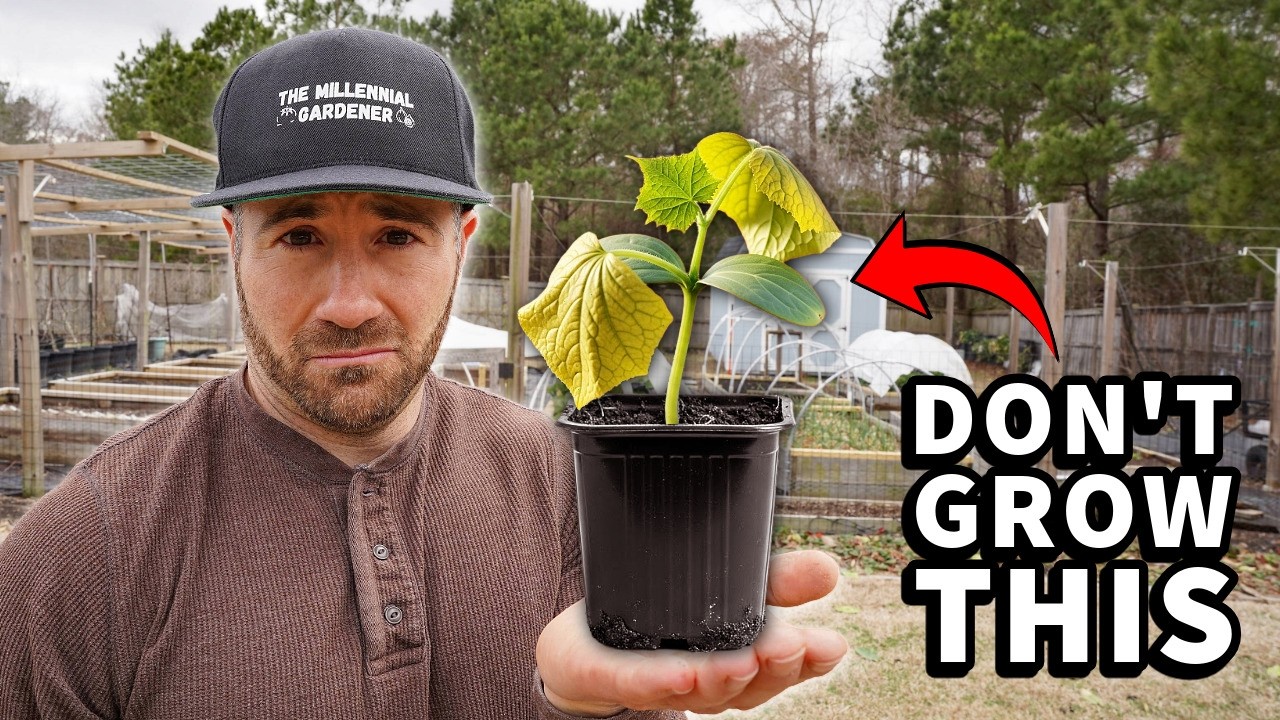
Before you dig into planting cucumbers, squash, or melons, there’s something important you need to know. Watching this will give you the essential tips and insights to ensure your garden thrives. Get ready to make your planting season a success by understanding the key reasons why watching these crucial details beforehand can make all the difference for your crop!
Reasons Why You Should Watch Before Planting Cucumbers, Squash, or Melons
Introduction
Imagine standing in your backyard, a mug of coffee in hand, staring at a blank plot of dirt, eager to transform it into a lush vegetable paradise. The visions of plump cucumbers, glossy squash, and sweet melons dance in your head — but suddenly, that dream feels a little more fragile than anticipated. There’s a silent, nagging question: am I doing it right?
This isn’t just about planting seeds in soil; it’s an art form that involves science, patience, and a dash of intuition. Many gardeners leap headlong into their planting routines without that crucial step—watching a detailed, well-crafted video tutorial. The difference between a bumper harvest and a disappointing flop often hinges on whether you’ve done your homework. For those eager to learn how to start cucumber, squash, and melon plants correctly from seed—without falling prey to common mistakes—this is your call to arms.
So, why should you spend a little time watching before you dig? Well, buckle up, because behind every successful garden is a story of preparation, patience, and that unexpected insight you only get from watching someone who’s been there, done that, and got the dirt under their nails to prove it.
Setting the Foundation: The Power of Proper Seed Starting Techniques
Starting your vegetable plants from seed is akin to writing the first chapter of a great novel — critical, full of potential, and best approached with care. Watching a well-made gardening video before planting can be eye-opening, offering visual cues that text simply can’t capture. It’s not just about seeing how to plant a seed; it’s about observing the nuances: the right depth, the optimal soil moisture, and the ideal temperature for germination.
A properly started seed creates a ripple effect that influences growth for weeks to come. Without this knowledge, it’s easy to make common mistakes — burying seeds too deep, overwatering, or neglecting the need for warmth with tools like seedling heat mats. These oversights can stunt growth or invite mold and damping-off diseases, turning your hopeful sprouts into a sad, soggy mess. Conversely, a quick watch of a skilled gardener showing you how to prepare seed trays, use recommended products like grow lights, or implement succession planting turns that uncertain first step into a confident stride.
Think of your seed-starting journey as learning to dance; watching the video is like having a seasoned instructor break down each move — from taping the perfect seed depth to managing moisture levels. Once you grasp these fundamentals, you’re not just planting seeds; you’re setting the stage for a bountiful crop that can thrive even in Zone 8B or tricky climate conditions. You’ll learn tips on using grow bags, selecting the best seed varieties like Merlin cucumbers or Honey Rock cantaloupe, and troubleshooting when plants aren’t thriving as they should.
Avoiding the Pitfalls: Common Mistakes That Ruin Your Harvest
Gardening is equal parts hope and humility — you’ll quickly learn that even seasoned green thumbs stumble into pitfalls. Watching a comprehensive tutorial beforehand acts as your safeguard against rookie errors that could turn a promising season into a frustrating disappointment. For instance, overwatering is a notorious culprit that leads to root rot, while planting at the wrong time can leave seedlings vulnerable to disease, pests, or cold snaps.
A helpful video demonstrates how to space your seedlings properly, avoid overcrowding, and select the right planting schedule spot-on with your local climate. If you skip this step, you might end up with leggy, weak plants that struggle to produce fruit. The video also guides you on how to recognize signs of distress — whether your plants are dying from underwatering, nutrient deficiencies, or pest attacks. Armed with this knowledge, you can act swiftly, employing tools like pruning snips or insect netting, ensuring your garden stays healthy and vibrant.
Moreover, many gardeners overlook the importance of practicing crop rotation or succession planting, which paves the way for maximizing yields over the season. Watching a detailed tutorial helps you understand how to stagger your plantings, ensuring you aren’t left with a glut of squash all at once or empty beds by mid-summer. It’s about cultivating not just plants, but a sustainable, foolproof routine that turns gardening from an act of guesswork into a gratifying pursuit.
The Guarantee of Visual Learning: Watching the Video Before Planting
While reading a guide about starting cucumber, squash, and melon plants can set the foundation, visual learning takes it a giant step further. Images are worth a thousand words, but videos breathe life into instructions, making it easier to interpret and replicate perfectly. Imagine seeing someone demonstrate how to test seed germination by soaking seeds in water or showing you how to use seedling heat mats to kickstart the process during cooler months.
Watching a video also helps you discover clever tips, like which varieties are best suited for your climate — perhaps the sweet, reliable Honey Rock cantaloupe or the tried-and-true Merlin cucumbers. Plus, you’ll get a firsthand look at recommended products: organic seed-starting mixes, grow lights, seedling trays, and grow bags. Seeing these tools in action demystifies the process, saving you time, money, and a hefty dose of gardening-related frustration.
Best of all, a good tutorial often features troubleshooting advice: why your seedlings might look pale or leggy, how to handle vulnerable transplants when they’re ready to move outdoors, and methods to speed up growth through techniques like thinning or pruning. These insights, shared in vivid detail, empower gardeners to step beyond basic planting and into the realm of confident, savvy cultivation. When you’ve watched all these tips and tricks in motion, planting becomes less of an uncertain gamble and more of an exciting, predictable art.
The Joy of Community and Continuous Learning
A top-tier gardening video isn’t just a static lesson; it’s an entry point into a vibrant community of fellow plant enthusiasts. Many creators host comment sections, social media groups, and online forums where viewers share their successes, setbacks, and innovative ideas. By reserving a bit of time to watch and absorb these tutorials, you join a network that extends far beyond your backyard.
Members often exchange advice on specific seed varieties like Merlin cucumbers or suggest top-rated grow lights and seed-starting kits for every budget. They discuss the merits of different transplanting methods or how to troubleshoot stubborn plants that refuse to thrive. Some even document their progress through photos and videos, turning your solitary gardening experiment into a shared adventure filled with humor, encouragement, and collective wisdom.
Engaging actively with these online resources, including the creator’s website and Amazon store links, ensures you’re not just planting blindly but cultivating knowledge and confidence. The more you learn, the more intuitive your gardening becomes. Eventually, every seed you plant will be accompanied by an inner voice of reassurance, a mental echo of that invaluable tutorial video that taught you how to spot healthy seedlings or nip pest problems in the bud. It all circles back to the simple truth: watching before planting is a vital investment in your gardening success.
Final Thoughts
In the end, gardening is less about the perfect soil or the ideal seed and more about patience, preparation, and a willingness to learn. Watching a comprehensive tutorial before planting cucumbers, squash, or melons isn’t just a step — it’s the foundation for stories of success that will fill your harvest with flavor and satisfaction. It’s an act of respect to the plants you hope to nurture and a testament to your desire to be a better gardener.
So, before you dig that first hole or tear open that seed packet, take a moment. Watch the video that shows you not just how to plant but how to think like a gardener: observant, adaptable, and ever curious. That brief investment of time will reward you with a garden that’s lush, prolific, and delightfully yours.
Frequently Asked Questions
Q1: Why is watching a gardening video essential before starting seeds?
Watching a well-produced gardening video provides visual cues that enhance understanding, showing exactly how to prepare soil, plant seeds at the right depth, and manage environmental conditions. It bridges the gap between theory and practice, reducing mistakes like overwatering or planting at the wrong time, ultimately increasing your chances of success.
Q2: How can I choose the best seed varieties for my climate, especially in Zone 8B?
Expert videos often include tips on selecting seed varieties suited for specific zones. For Zone 8B, look for varieties like Honey Rock cantaloupe or Merlin cucumbers known for their resilience and flavor. Additionally, understanding your climate’s temperature swings and rainfall patterns can help tailor your choices, which you’ll learn by watching tutorials targeted at similar growing zones.
Q3: What are some common mistakes when starting cucumbers, squash, or melons from seed, and how can I avoid them?
Common mistakes include planting seeds too deep, overwatering, and failing to provide adequate warmth. Watching tutorials can demonstrate proper seed placement, the importance of using seedling heat mats in cooler weather, and good watering practices. Recognizing signs of trouble in seedlings, such as legginess or discoloration, allows for timely intervention.
Q4: Which tools and products are recommended for better seed starting and transplanting?
The video tutorials often recommend tools like pruning snips for thinning, watering wands for precise watering, and insect netting for pest protection. Products such as grow lights, seedling heat mats, and quality grow bags are frequently featured, enabling you to create an optimal environment for your young plants to thrive.
Q5: How does watching a tutorial help me troubleshoot when my plants aren’t thriving?
Seeing troubleshooting techniques in action—like diagnosing the causes of yellowing leaves or fungal issues—empowers you to take corrective measures early. It also introduces you to simple solutions such as adjusting watering routines, improving ventilation, or applying organic treatments, turning gardening woes into manageable challenges.
Final Thoughts
Gardening isn’t just about planting seeds; it’s about planting hope, patience, and knowledge. Watching a detailed tutorial before embarking on your cucumber, squash, or melon adventure transforms uncertainty into competence. It equips you with the confidence to nurture a thriving, productive garden that will grow in both size and satisfaction. So, hit that play button, absorb the wisdom shared, and prepare to reap a harvest as sweet and abundant as your newfound gardening skills.