Are you tired of constantly battling pesky garden pests? Imagine discovering a beautiful, natural solution right in your own backyard. In this post, you’ll learn about a little-known flower that can help you keep those unwanted visitors away—completely without harsh chemicals. Get ready to transform your garden into a pest-free paradise, using nature’s own secret weapon.
Discover the Little-Known Flower That Naturally Repels Garden Pests
Introduction
If you’re anything like me, wandering through the garden often feels like navigating a lush jungle teeming with life—some welcome, others less so. The buzzing of bees is delightful, but the relentless march of aphids and the sneaky invasion of beetles? Not so much. That’s where the magic of nature’s unsung heroes comes into play. Have you ever stumbled across a flower so charming and inconspicuous that it almost whispers, “Hey, I’m here to save your plants”? Enter the poached egg plant, a botanical marvel that’s been hiding in plain sight since the 1820s, quietly orchestrating a natural defense against garden pests.
What if I told you that cultivating this diminutive bloom could magically turn your pest-ridden nightmare into a pest-free paradise? No need for harsh chemicals and poison smoothies—just a splash of this peculiar flower’s charm might be enough. In this article, we’re diving into the enchanting world of companion planting, uncovering the secret powers of the poached egg plant, and exploring how it can be a game-changer for your sustainable garden. So, grab your trowel, and let’s dig into the verdant mysteries that make gardening both a science and an art, with a touch of whimsy.
The Poached Egg Plant: Nature’s Little Pest Fighter
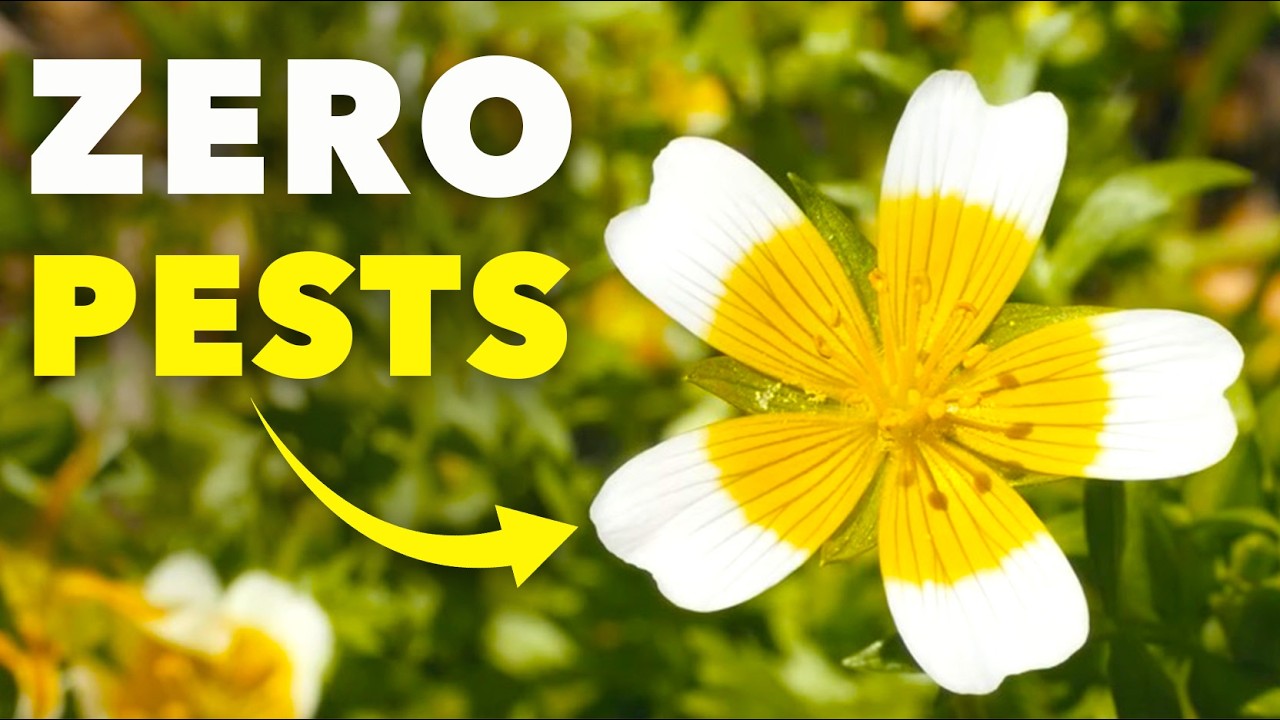
Imagine a tiny flower that looks like an egg—yes, an egg—nestled among your vegetable beds, quietly working to protect your crops. The poached egg plant, so named because of its creamy, egg-shaped blooms, has an astonishing talent for attracting pollinators while simultaneously repelling unwelcome garden pests. Discovered by a botanist in 1820, this humble plant has traveled through time, mostly unnoticed, until now. And trust me, its subtle presence packs a punch when it comes to garden health.
This small but powerful flower does more than just look adorable; it acts as a natural barrier against some of the most pesky invaders, like aphids and whiteflies. It emits a scent that confuses or deters these tiny tormentors, making your plants less appealing targets. Plus, its role as a nutrient lock in the soil can foster healthier, more resilient plants—further reducing the need for synthetic pest controls. When you incorporate the poached egg plant into your garden, you’re not just planting a flower; you’re establishing a serene, sustainable ecosystem where beneficial insects flourish and pests bow out gracefully.
Adding a splash of the poached egg plant to your garden is about more than pest control; it’s about embracing an eco-friendly approach that honors the delicate balance of nature. Its ability to attract pollinators like bees and butterflies is essential for crop success, and its nutrient-storing properties can enrich your soil over time. The episode’s clever revelations about this little-known flower reveal how such natural allies can transform ordinary gardening into a mindful, artful pursuit. So, why not explore this floral guardian and see how it can turn your garden into a thriving, pest-free haven?
How Companion Flowers Like the Poached Egg Plant Enhance Garden Ecosystems
Gardening is, at its heart, an intricate dance between flora and fauna, a delicate choreography of balance and beauty. When you incorporate companion flowers like the poached egg plant, you’re adding a layer of intelligence to this dance—a natural pest repellent that works in harmony with your other plants. Unlike chemical sprays, which often decimate both harmful and beneficial insects indiscriminately, companion planting offers a gentle, sustainable approach that promotes long-term health and productivity.
The secret lies in the plant’s dual role: it’s not only a deterrent but also an attractor. By bringing pollinators into your garden, it ensures your vegetables and fruits get properly pollinated, increasing yields while fostering biodiversity. Its flowering period overlaps with many common pests’ main activity times, providing a kind of botanical barrier that confuses and discourages pests without harming the beneficial insects you want around. Plus, its ability to lock nutrients into the soil helps improve overall soil health—a crucial aspect often overlooked by those fixated solely on pests.
Furthermore, integrating flowers like the poached egg plant into your garden design encourages a holistic view of gardening—one that values natural solutions over toxic interventions. The episode from GrowVeg highlights the little-known gardening secrets about this flower, revealing how it can be a cornerstone of sustainable gardening practices. Using natural plants with pest-repelling properties reduces the need for chemical pesticides, making your garden a safer space for children, pets, and the environment. It’s gardening wisdom that turns necessity into innovation, which makes all the difference when cultivating a thriving, resilient garden ecosystem.
Exploring Gardening Strategies with the Poached Egg Plant
Once you’ve fallen in love with the poached egg plant’s quirky charm and pest-repelling prowess, the next step is understanding how to incorporate it effectively into your outdoor sanctuary. The provided link to additional gardening details offers a treasure trove of insights—everything from soil preparation to planting techniques that maximize this flower’s natural benefits. The key lies in strategic placement: inserting these plants near vulnerable crops like tomatoes, lettuce, or beans turns your garden into a natural fortress.
For those eager to optimize their garden layout without much fuss, trying the free trial of the Garden Planner can be a revelation. Visualizing how your poached egg plants interact with other plants and pathways allows you to create a harmonious, pest-resistant garden design. It’s like playing chess with nature—every move carefully planned for maximum benefit. And if you’re keen on deepening your understanding, you can access a free abridged version of Ben’s book, which is packed with agrarian wisdom and insights into natural pest control.
The episode’s hints at lesser-known gardening secrets inspire a sense of adventure—like discovering that this tiny flower can also help lock in soil nutrients, reducing your need for chemical fertilizers. Learning how to use the poached egg plant effectively involves understanding its growth habits, flowering cycles, and even companion plants that enhance its pest-repelling effects. Incorporating this flower isn’t just about avoiding pests; it’s about embracing a natural, integrated approach that nurtures your garden’s overall health, making every season a little easier and a lot more rewarding.
Frequently Asked Questions
What exactly is the poached egg plant, and why is it considered beneficial for gardens?
The poached egg plant, scientifically known as Limnanthes douglasii, is a charming annual flower that peeks out with creamy-white blooms resembling tiny eggs. Besides its aesthetic appeal, it plays a vital role in sustainable gardening because it attracts pollinators like bees and butterflies and naturally repels common pests, including aphids and whiteflies. Its unique scent confuses pests, while its nutrients help improve soil health, making it a versatile asset in any organic garden.
How does the poached egg plant help control garden pests naturally?
This flower emits a gentle, pollen-rich aroma that pests find confusing or unappealing. Its presence near vulnerable plants acts as a biological barrier, reducing pest pressure without resorting to chemical pesticides. Additionally, it attracts beneficial insects that prey on pests, creating a balanced ecosystem. The flower’s ability to lock nutrients into the soil also fortifies your plants, making them less susceptible to pest damage.
Can I grow the poached egg plant alongside vegetables and other flowering plants?
Absolutely. The poached egg plant is an excellent companion for vegetables such as tomatoes, beans, and leafy greens. It’s best to plant it around the edges of your vegetable beds or intersperse it among your crops, so its pest-repelling and soil-enhancing properties can work their magic. Its natural compatibility with a variety of plants makes it a versatile choice for those practicing companion planting.
What are the best ways to incorporate the poached egg plant into my garden layout?
Using tools like the Garden Planner to visualize your space can help you place these flowers for maximum effect. Plant them in areas prone to pest invasions or where pollination is needed. Regularly sow seeds in early spring to ensure a steady bloom throughout the growing season. The episode also reveals tips on soil preparation and spacing, ensuring the plant thrives and provides the intended pest control benefits.
Where can I learn more about companion planting and sustainable gardening practices?
You can explore additional details about companion planting through reputable gardening websites and the link provided in the episode. For deeper insights, accessing the free abridged version of Ben’s book offers invaluable guidance on sustainable practices. Watching the linked YouTube video on companion flowers also provides visual demonstrations, making it easier to implement these strategies in your own garden.
Final Thoughts
Gardening is an ongoing adventure—a blend of science, intuition, and a bit of whimsical curiosity. The poached egg plant exemplifies this perfectly: a tiny, unassuming flower with outsized benefits. By embracing the natural pest-repelling and soil-enhancing properties of this charming bloom, you’re not just building a garden; you’re cultivating a resilient ecosystem rooted in sustainability. It’s refreshing to realize that many of nature’s most powerful tools come in small, unpretentious packages, waiting patiently to lend a hand.
As you consider these insights—whether through watching GrowVeg’s enlightening episode or trying out a Garden Planner trial—you’re taking meaningful steps toward a garden that’s not just productive but harmonious. This flower’s whispered secrets remind us that in gardening, as in life, sometimes the simplest solutions are the most effective. So, dare to plant the poached egg flower and discover firsthand how it can turn your garden into a vibrant, pest-free paradise—one delightful bloom at a time.