Looking to maximize your crop yield? The secret starts beneath the surface—by adding the right amendments to your soil today, you can unlock its full potential and ensure a bountiful harvest. Here’s what you need to know to give your soil the boost it needs for optimal growth.
Introduction
Imagine a garden where vegetables practically leap onto your table, where tomatoes blush with pride and carrots seem to grow overnight—that’s the kind of sanctuary many ambitious green thumbs dream about. But, let’s face it: amidst the endless cycle of watering, weeding, and the occasional existential crisis about whether that little sprout is actually a weed in disguise, the secret to truly bountiful harvests often lies underneath our fingertips—literally beneath the soil. Yes, soil. That unglamorous, humble foundation of gardening that, if treated right, can turn a mediocre patch of dirt into a lush paradise.
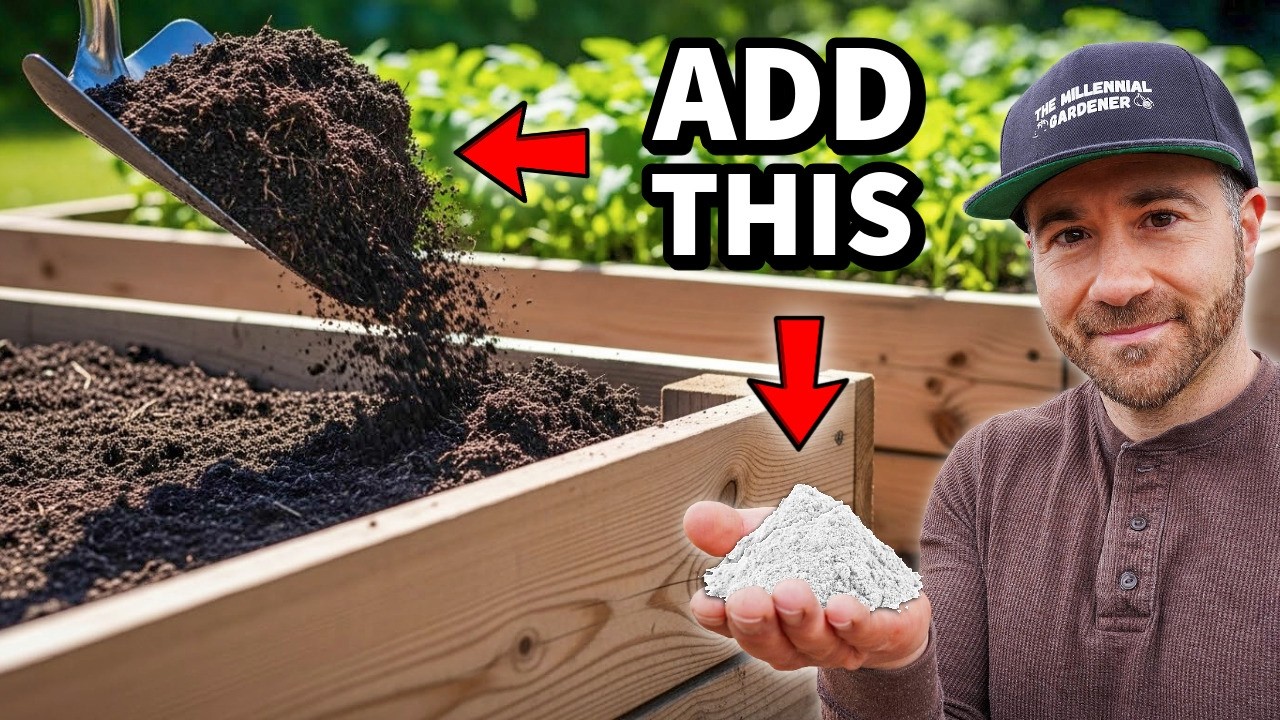
In the latest brainchild from The Millennial Gardener’s video series, we’re taken on a delightful journey through the art and science of soil enrichment—emphasizing what to add today to maximize your crop yield tomorrow. It’s part tutorial, part confession, and all inspiration wrapped in vivid visuals and witty narration. As someone who has (more than once) over-fertilized and under-performed, I can attest: knowing when and what to amend can make your garden sing. So, grab your trowel, and let’s dig into the essentials that will elevate your gardening game from “meh” to “magnificent”—because with the right additions, your garden’s potential is basically unlimited.
The Magic of Soil Amendments: When and Why
Let’s be honest: soil amendments are like that secret ingredient that turns a good stew into a mind-blowing feast. The timing of amending your soil is nothing short of ballet—too early, and your nutrients might wash away; too late, and your plants could miss their prime. Understanding the rhythm of soil health is vital, especially as you prepare for the upcoming planting season. The Millennial Gardener’s video underscores the importance of amending soil before you plant, not after. Just as you wouldn’t decorate a cake after frosting, you need to prep the soil beforehand for maximum results.
Adding organic matter, like compost or well-aged manure, boosts soil structure, making it easier for roots to breathe and absorb nutrients—think of it as giving your plants a cushy mattress. Amend your soil a few weeks before planting; this window allows the organic materials to break down and integrate seamlessly into dirt-dirt. What’s more, avoiding amendments during the heat of summer prevents overheating or “compost heat dangers,” which can scorch emerging roots like an overzealous chef with a torch. It’s all about patience and timing—beauty, after all, lies in the art of patience and the science of science.
And speaking of science—let’s talk minerals. The process might sound dull, but trust me, the payoff is spectacular. Trace minerals like Azomite—an earthy, almost mystical powder—are integral for the micronutrients plants crave. You sprinkle this in your rows, and suddenly your peas and peppers seem like they’re on steroids, bursting with flavor and vigor. The key takeaway: amendments are not just about throwing in fertilizer and hoping for the best; it’s about creating a living, breathing soil ecosystem.
Boost Your Harvest with the Right Additions
Now that we’ve gotten the “when” down, let’s dive into the “what”—specifically the wondrous world of soil amendments that can turn your garden from a patch-adventure into a harvest festival. Bone meal, for example, is one of those underrated heroes in the soil arsenal. Whether you choose a modest 3LB bag or go for 24 pounds of the stuff (who, me? never.), using bone meal in various amounts ensures your root crops receive the calcium and phosphorus they need for larger, more delicious yields.
But wait—there’s more! Transporting all those bulky amendments can be a chore, unless you’ve invested in a trusty dump cart like GorillaCarts or BILT HARD. These carts aren’t just pretty wheels; they’re your backstage pass to ease and efficiency, allowing you to carry multiple bags of amendments, compost, or even the odd unfortunate garden gnome without breaking a sweat. Speaking of tools, the right arsenal is essential—a Japanese bypass pruning shear, a sturdy pruner, or a sharp saw can make the difference between a successful harvest and a garden disaster. Every trim, cut, and snip should be performed with purpose, not haste, as these small acts have outsized effects on plant health.
Fertilizers also steal the spotlight in this soil symphony. Fish-based options like Alaska Fish Fertilizer or organic formulas such as True Organic remain favorites for a reason—they nurture your plants with the kind of balanced, gentle nutrients that build long-term soil vitality. Jack’s All Purpose 20-20-20 is reliable, but moderation is key: overdo it, and your plants might just turn into fertilizer junkies, neglecting the essential task of building rich, resilient soil. Remember, the best fertilizer for your garden is healthy, amended soil—think of it as sowing the foundation for an abundant future.
Practical Tips and Tricks for Garden Success
If you’re dreaming about those lush, fruit-laden trees or sprawling vegetable beds, the devil—or rather, the magic—is in the details. Amending the soil around fruit trees is an often-overlooked step that can lead to bigger, juicier yields. Think of it as giving your trees a power-up, a gentle nudge to produce better fruit with greater size and sweetness. Layering compost and trace minerals in the drip zone creates a delicious buffet for roots to feast on all season long, preventing nutrient deficiencies that stubbornly refuse to be fixed by some random fertilizer.
Protecting your garden beds is equally vital—weed barriers might seem mundane, but they are the unsung heroes that stop weeds before they even think of sprouting. A good weed barrier saves hours of backbreaking removal and keeps your carefully amended soil free from intruding weeds that steal nutrients and water. Think of it like curtains in a theatre—no distractions, just the main act: lush, thriving plants.
And here’s a little secret: compost beats bagged soil amendments nearly every time. It’s alive, teeming with microbial life that enhances nutrient uptake, improves soil aeration, and simply makes your plants happier. Over-fertilizing? A cardinal sin in the gardening universe—better to focus on nourishing your soil than chasing after quick fixes. After all, resilient soil is the root of every good harvest. Follow these soil amending tips, and you’ll find yourself reaping rewards not just in size but in the depth of flavor too. Because, truly, a garden well-fed and well-protected is a garden destined for greatness.
Frequently Asked Questions
What is the best time to amend my garden soil for maximum crop yield?
The optimal window for soil amendment is shortly before planting—roughly two to four weeks ahead of seeding or transplanting. This allows organic matter to integrate into the existing soil, providing nutrients right when your plants require them most. Avoid amending during the hottest days of summer to prevent compost heat dangers, and always consider the plant’s growth cycle. Late amendments can still benefit deep-rooted perennials or fruit trees, but timing remains crucial to maximize crop yield and prevent root scorch.
How much bone meal should I use for larger harvests?
Bone meal is a versatile superstar, but quantity depends on your garden size and crop needs. For small beds, 3 to 8 pounds may suffice; for larger plots or heavy-feeding crops like tomatoes and carrots, consider 10 to 24 pounds spread evenly around the roots. More isn’t always merrier—overapplication can lead to phosphorus buildup and environmental runoff. Balance is key: incorporate bone meal gently into your soil, and always water thoroughly after application to help it settle in.
Which tools are essential for soil amendments and garden care?
A well-stocked toolkit includes garden rakes for leveling soil, Japanese bypass pruning shears for clean cuts, pruners, saws for branches, and pruning snips for delicate tasks. For transporting amendments, a sturdy dump cart like GorillaCarts or BILT HARD is a game-changer, reducing back strain and increasing efficiency. Keep your tools sharp, clean, and readily accessible; it turns a laborious chore into a satisfying routine and ensures your plants get the care they deserve.
How do organic fertilizers compare to synthetic options?
Organic fertilizers like Alaska Fish Fertilizer, True Organic, and Espoma PlantTone work harmoniously with soil biology, encouraging microbial diversity and long-term fertility. They release nutrients slowly, reducing the risk of over-fertilizing and environmental runoff. Synthetic fertilizers, such as Jack’s All Purpose 20-20-20, provide instant nutrients but lack the life force that organic options foster. Combining both—wisely and sparingly—can be effective, but prioritizing organic inputs ensures your soil remains vibrant and resilient.
Why is compost superior to bagged soil amendments?
Compost is a living entity, rich in microbial life that actively improves the soil structure, aeration, and nutrient availability. Unlike bagged amendments, which are often processed and sterile, compost nourishes the soil ecosystem, allowing roots and beneficial microbes to thrive together. It’s the foundation for sustainable gardening, providing a steady supply of organic matter that supports healthy plant growth year after year.
Final Thoughts
In the grand theater of gardening, soil is the real star—an unsung hero that quietly sustains your efforts and magnifies your harvests. The advice from The Millennial Gardener’s latest video is more than just a checklist; it’s a gentle reminder that success in the garden hinges on respect for the earth beneath your feet. Whether it’s amending with trace minerals, choosing the right tools, or knowing when to lay down compost, every small, deliberate act culminates in a harvest worth celebrating.
Gardening, after all, is a continual dialogue with nature, a dance of patience, knowledge, and a smidgeon of luck. When you nourish your soil with purpose and precision, you’re not just growing food—you’re cultivating a living legacy that feeds your body and soul. So, add that bone meal, spread that compost, embrace the dirt, and watch your garden flourish in ways you never thought possible. Because at the end of the day, a garden rich in life begins with a simple act—adding a little something today for a harvest that surprises and delights tomorrow.