
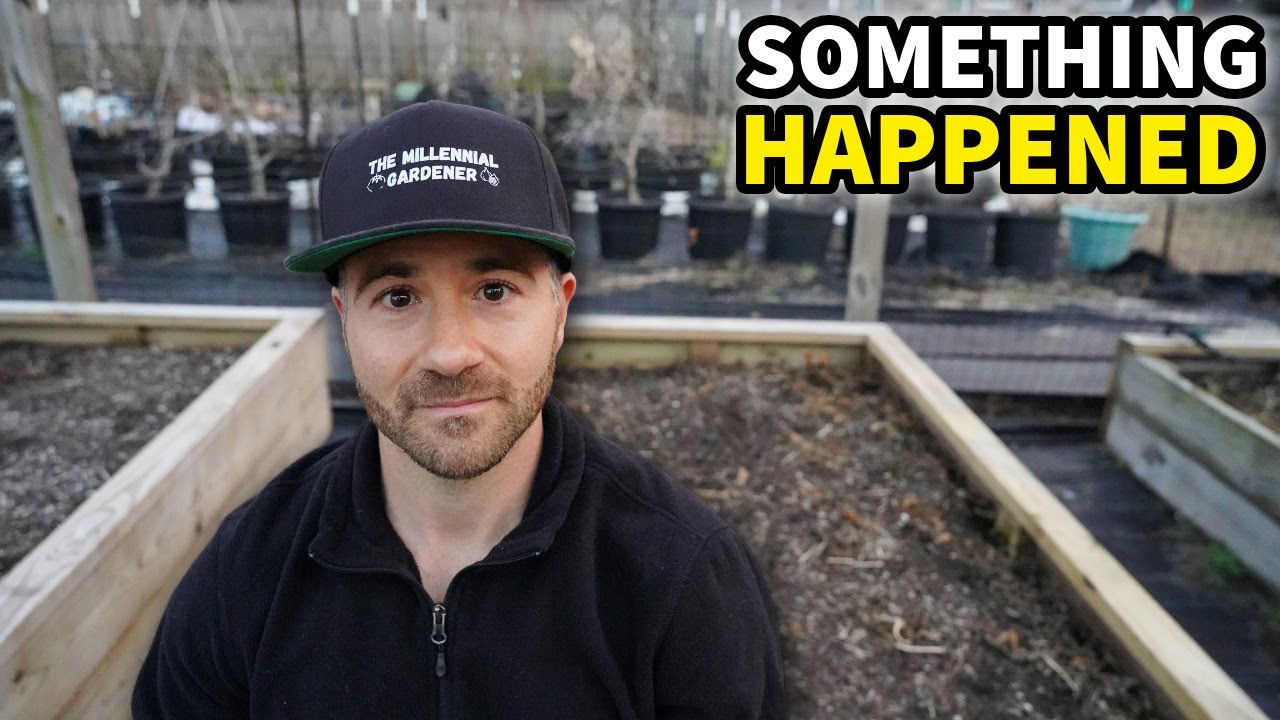
Have you ever experienced an unexpected event that completely changed your life? Something you never saw coming, yet it reshaped your perspective and direction in ways you couldn’t have imagined? In this post, you’ll discover a powerful story about an unexpected event that turned everything upside down—and how it ultimately led to growth, resilience, and a new beginning.
An Unexpected Event That Changed Everything
Introduction
Gardening, much like life, is a series of unpredictable plots thickening with surprises—some charming, others downright catastrophic. My digital garden—also known as The Millennial Gardener—grows not just tomatoes and zucchini but a community of passionate green thumbs eager to dig deeper, learn more, and get their hands a little dirtier. Today, I want to share a story that took my garden journey from a predictable routine to an unforgettable chapter—an unexpected event that changed everything. It’s the kind of twist that makes you question everything you thought you knew about soil, patience, and the resilience of a backyard vegetable patch. So buckle up, grab your favorite grow bag, and let’s embark on this tale of surprise, growth, and newfound perspective.
The Quiet Before the Storm: A Garden in Calm
It was a bright, lazy morning in Southeastern NC, Zone 8B, the kind where the sun feels like a warm, forgiving hug. My garden was thriving—rows of lush lettuce, flourishing tomato plants, and the promising green tips of fruit trees that had finally settled into their second season. I had just finished installing some LED grow lights and placing seedling heat mats in the greenhouse, dreaming of an abundant harvest to share with my loyal subscribers who, by this point, had celebrated reaching that incredible milestone of 1 million viewers. Gratitude flooded me; I was standing amidst my tiny kingdom, appreciating how far organic fertilization like fish fertilizer, bone meal, and blossom boosters had helped build this green empire.
As I cleaned my tools—pruning snips, weed barriers, and my trusty soil sifter—I felt a quiet confidence that my garden was finally hitting its stride. The day seemed like just another chapter in a well-tended story, with the gentle rustle of shade cloth and insect netting adding a soft soundtrack to the morning’s serenity. Little did I know, that peace was about to be shattered by an event so unexpected, so bizarre, that it would forever alter the course of my gardening life.
The Unexpected Event Unfolds: Nature’s Twist of Irony
It started as an ordinary afternoon, the kind where you briefly entertain thoughts of expanding your garden with a few more rows or splurging on that shiny new compost turner from Amazon. Suddenly, the sky darkened—an ominous swirl of clouds brewing over my backyard oasis. Before I could even grab my watering wand or check my favorite organic amendments, a fierce wind tore through like a vengeful gardener with a vendetta. The storm hit with all the grace of a bull in a porcelain shop, ripping through my carefully curated rows and tossing plant tags like confetti.
My once pristine rows of lush greens were flattened overnight, and my prized fruit trees bent under the wind’s brutal embrace. It wasn’t just a typical summer shower; it was a whirlwind of chaos, leaving behind a scene that looked like a tornado had taken my garden’s dignity. I stared in disbelief, clutching my insect netting like a shield, feeling a strange mix of anger, awe, and—strangely—hope. What I thought was a routine gardening day had become a test of resilience, a stark reminder that even the most well-tended organic garden is vulnerable to the whims of Mother Nature.
In the days that followed, as I reassessed the damage, I realized that this upheaval was a blessing in disguise—a tough teacher in the form of a gust. It forced me to rethink my protective strategies, invest more in extra reinforcement with shade cloth and willow stakes, and embrace the unpredictable beauty of organic gardening. Because sometimes, it’s not the planned harvests that teach you the most, but the unexpected storms that remind you to adapt, persist, and laugh in the face of adversity.
Turning Chaos into Cultivation: Lessons Learned and New Beginnings
Recovery became a gardening meditation, where each seedling replanted and every soil amendment added felt like a small act of rebellion against chaos. I turned to my favorite organic fertilizers and minerals, knowing that a wounded garden needs extra nutrients to heal. Blood meal and organic compost became my allies, fueling the rebirth of what looked like a battleground. With patience and a little ingenuity—plus some snazzy watering wands and a fresh layer of weed barrier—I began to see my garden not as a scene of destruction but as a canvas for renewal.
This experience taught me invaluable lessons about redundancy and resilience. I started investing in row covers, not just to keep pests out, but to buffer against extreme weather. I reinforced my netting with stronger clips and added a system for quick repairs when the weather turns hostile. Every product—from grow bags perfect for container gardening to pruners that make trimming an art form—became part of a new strategy to protect and nurture. And through sharing my story, I found that vulnerability — admitting that even seasoned gardeners face setbacks — builds connection. My followers on Instagram and X (Twitter) echoed these sentiments, sharing their own tales of weathering storms and organic gardening triumphs.
Most importantly, I learned that setbacks are only setbacks if you let them be. With a tad of grit, a dash of humor, and a commitment to organic principles, my garden—and my spirit—thrived against the odds. It was an unexpected event, yes, but also a catalyst for a deeper, more meaningful gardening journey. The storm didn’t just knock down my plants; it lifted my understanding of patience, adaptability, and the joy of organic living.
Frequently Asked Questions
How can I protect my vegetable garden from unexpected weather events?
To shield your garden from sudden storms, start by investing in sturdy structures like shade cloth and insect netting, which can double as windbreaks. Reinforcing your plant supports with stronger stakes or trellises adds resilience. Using heavy-duty weed barriers and mulches helps protect roots from exposure and soil erosion. For more immediate protection, keep essential tools like pruning snips and watering wands handy, and consider installing removable row covers that can be quickly deployed during storms. Organic amendments such as blood meal and mineral mixes can also help plants recover faster post-storm by boosting soil fertility.
What are the best organic fertilizers for rebuilding a damaged garden?
Organic fertilizers are your garden’s best friends when recovering from adverse weather. Fish fertilizer provides a quick nutrient boost, while bone meal supplies phosphorus crucial for root development. Blood meal is rich in nitrogen to foster lush foliage, and mineral mixes like azomite enrich the soil with trace elements. Blossom boosters can encourage flowering and fruiting after the upheaval. For an overall health boost, compost teas filled with organic matter and microbial inoculants nurture beneficial bacteria, ensuring your soil remains vibrant and resilient.
How can I use protective gear effectively in organic gardening?
Protective gear in organic gardening isn’t just about safety; it’s about preservation. Shade cloth is invaluable during peak summer heat, preventing sunscald and dehydration—especially vital for tender seedlings. Insect netting keeps out pests without harmful chemicals, letting your plants grow naturally. Watering wands are a gardener’s secret weapon, enabling precise, gentle watering that avoids soil erosion and root damage. Saws and pruning snips help maintain plant integrity against strong winds, while sturdy gloves and hats shield you from thorny surprises and relentless sun.
What are some innovative organic amendments I should try?
Beyond the usual suspects, consider experimenting with blood meal for nitrogen-rich feeding, and blossom boosters to enhance flowering. Organic kelp or seaweed extracts are fantastic for stimulating overall plant vigor. Rock powders and mineral blends—like azomite or humic acids—improve soil structure and nutrient retention. Biochar can help boost microbial life and carbon sequestration. These amendments don’t just tutor your plants to thrive—they turn your garden into a powerhouse of biologically active, organic soil health.
How can I engage my community in organic vegetable gardening?
Start by sharing your journey on social media platforms like Instagram and X, where visuals and storytelling captivate fellow enthusiasts. Host virtual Q&A sessions or local garden workshops to discuss organic practices, pest management, and crop rotation. Offer garden tours or seed exchanges to foster community bonds. Launch a blog or YouTube series dedicated to gardening hacks, emphasizing sustainable and organic methods. By encouraging questions, showcasing success stories, and highlighting product links (like those on your Amazon store), you create a vibrant network of gardeners inspired to cultivate their own organic havens.
Final Thoughts
Sometimes, life’s most profound lessons come wrapped in the unpredictable folds of a storm or an unexpected setback. The storm that tore through my garden was more than a gust of wind—it was a catalyst for growth, resilience, and deeper understanding. It reminded me that no matter how carefully you plan, nature likes to keep us on our toes, testing our patience and adaptability. Yet, within that chaos lies an opportunity: the chance to rebuild, to learn, and to flourish anew with even greater wisdom.
As organic gardeners, we are perpetual students of the soil, the weather, and ourselves. Whether you’re growing vegetables, nurturing fruit trees, or simply learning to keep plants alive amidst the chaos of nature, remember that each challenge is a chapter in your story—a story worth telling, sharing, and learning from. So keep planting, keep dreaming, and never underestimate the power of resilience, just like a garden survives and thrives after the fiercest storms. Your journey is yours, uniquely wild and wonderfully green.