
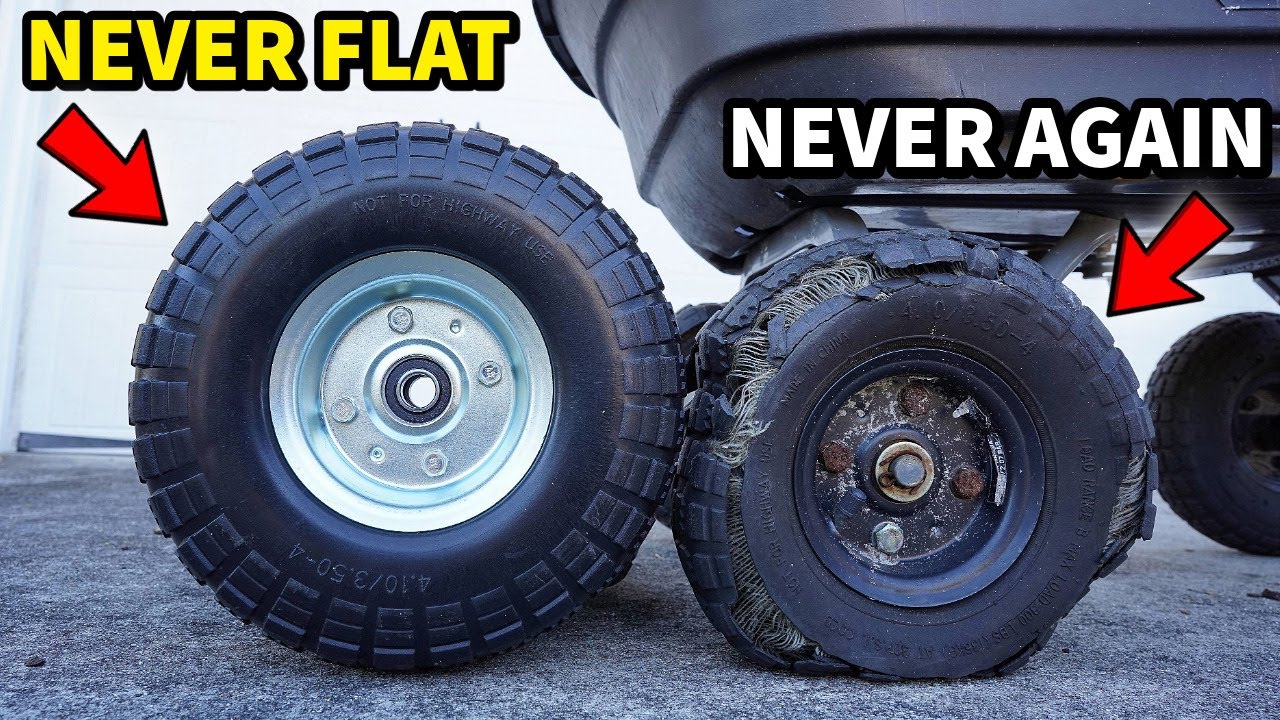
Are you considering flat-free tires for your vehicle but wondering if they’re truly worth the investment? In this honest review, you’ll discover the pros and cons, so you can decide if these low-maintenance tires are the right choice for your needs.
Introduction
Imagine a world where you never have to wrestle with the inevitable flat tire again. A universe where stubborn tiny punctures aren’t your nemeses, and your garden cart or lawn mower glides smoothly without the dramatic deflation that turns your outdoor chores into gnarly battles of patience. Enter the realm of flat-free tires—those solid rubber marvels that promise durability, convenience, and a blissful escape from the tire puncture nightmare. But do they really live up to the hype, or are they just another shiny gimmick on a crowded market? As someone who spent a summer testing these resilient contenders, I can tell you there’s more beneath the rubber surface than what’s marketed directly.
In this in-depth, witty exploration, we’ll delve into whether flat-free tires are worth their salt. From their construction to installation, and—most importantly—how they perform in real-world garden scenarios, I’ll share honest insights and a sprinkle of humor. Forget the typical sales pitch—this is your no-BS review on whether upgrading from pneumatic tires is a game-changer or just another promising myth. So grab your gardening gloves and attune your inner tire critic: we’re about to find out if flat-free tires are truly worth it—or if they’re the automotive version of snake oil.
The Rise of Flat-Free Tires: Solid Rubber Heroes or Overhyped?
The first thing you notice about flat-free tires is their unassuming sturdiness—no air valve, no squeaky pump needed, just solid rubber ready to roll. These tires are made of dense, durable rubber compounds that refuse to cave in or leak, even after encountering minor potholes, thorns, or that mischievous rogue nail you might have accidentally run over during your morning lawn escapades. Unlike traditional pneumatic tires, which are essentially helium balloons in disguise—beautiful but fragile—flat-free tires are the anti-glass slipper of the outdoor equipment world.
What’s truly fascinating about these rubber beasts is their marketing narrative: save time, save money, and enjoy peace of mind. They’re presented as almost magical, vanquishing the age-old problem of flats with a simple, solid solution. You see, manufacturers claim these tires are meant to last longer and provide a reliable performance that won’t necessitate frequent replacements or roadside repairs. It sounds appealing—no more pumps, no more trips to the hardware store for a new inner tube, just straightforward, hassle-free durability. Though it’s tempting to see these tires as the superhero of garden gear, one must gently peel back the rubber veneer to see if they truly deliver what they promise in the real world.
When you attempt to compare flat-free tires with pneumatic ones, the distinction is visceral. Pneumatic tires, after all, give you that soft ride, whispering of comfort over rough terrain, but they come with the risk of sudden deflates and annoying patches. Flat-free tires, on the other hand, boast resilience—no deflation, ever. They’re like the loyal, no-nonsense friend who always shows up, never cancels, and never goes flat. But are they as good at cushioning your garden loads? Do they handle rough terrain gracefully? Or are they just overly firm, dulling the joys of a smooth ride? That’s what we’re here to find out.
Testing the Reality: Do Flat-Free Tires Outperform Pneumatic Tires?
Armed with a collection of garden carts, wheelbarrows, and even a few lawn mowers, I set out on a tire investigation that would put these solid rubber champions to the real-world test. First, I purchased various sizes and pack options—because, you know, size matters—selecting 2-pack and 4-pack offerings to ensure I could switch gears across different garden tasks. The installation process was surprisingly straightforward; with a few standard tools and a bit of patience, replacing old pneumatic tires with new flat-free versions became an almost zen-like activity.
Now, onto the crux—performance under load. The garden cart test was particularly revealing. Loaded with bags of soil, garden tools, and more… it pedaled along over uneven terrain, gravel, and even a stubborn patch of mud. The verdict? Flat free tires maintained a steady roll, unaffected by the tiny flats that would have stalled or at least slowed down pneumatic counterparts. No alarming squish sounds, no sudden deflation drama: just a reliable, stable ride. The ride felt firmer, yes, but what was impressive was their ability to absorb shocks reasonably well—more than enough for casual gardening needs.
Comparing the longevity, these tires showed zero signs of the typical deterioration that pneumatic tires experience after a few months—cracks, leaks, or a sad sag. That endurance, paired with their puncture-proof promise, gave me pause. Are flat free tires actually better? Well, the real-world performance suggests yes, especially for those who hate the ongoing agony of maintaining pneumatic tires. That being said, some garden enthusiasts noted a slightly harsher ride, feeling more vibrations transmitted through the rigid rubber. But in terms of saving time and money, and providing peace of mind—especially for busy gardeners or DIY enthusiasts—they’re tough to beat.
Installation Tips and Tricks: Making the Switch Seamless
Switching from pneumatic to flat free tires might appear intimidating at first glance, but with the right approach, it’s more straightforward than assembling a flat-pack bookshelf. The key lies in understanding your cart or mower’s existing axle size and how to adapt it to the new tires. Most flat-free tires come with a standard hub, but compatibility can vary. A little patience, some WD-40, and a proper wrench or pry bar are your best friends here. I recommend measuring the axle diameter carefully—don’t wing it with eyeballing—and verifying the bolt patterns before purchasing.
Once your new tires arrive, the installation process feels akin to an outdoor version of a puzzle—just with more grease and sweat. Removing old pneumatic tires is often as simple as deflating, releasing, and prying them off with a bit of leverage. The flat-free replacements slide onto the axles smoothly when fitted with the right adapters or spacers. If you’re working with a garden cart model like the Gorilla Carts, adjusting the axle or swapping out wheels can be done in less than twenty minutes—most of which is spent cursing at rusted bolts or sifting through your toolbox.
The real tip? Regularly inspect your wheel hubs for signs of rust or dirt buildup; otherwise, installation is just a matter of patience, elbow grease, and a good old-fashioned sense of humor. Once installed, you’ll notice how effortlessly these tires turn—less rolling resistance, less interruption, and more time spent enjoying your garden instead of fixing tires. Pro tip: keep a few spare lug nuts handy in case one or two decide to play hard to get, and always remember to tighten everything to the manufacturer’s torque specs to avoid any unexpected flying wheels.
Flat-Free Tires in Action: Garden Cart Test & Organic Gardening Tips
To see whether flat-free tires truly outshine pneumatic options, I enlisted a trusty garden cart, packed to the brim with compost, tools, and those heavy bags of mulch. The test trail included uneven gravel paths, lush grass patches, and a stretch of surprisingly rugged dirt. From the outset, the flat-free tires proved their mettle: no puncture worries, no slow leaks, just a steady, unwavering roll that made me think they’d been designed in an industrial laboratory rather than a brainstorming session involving tired marketers. They absorbed shocks well enough for gardening, even if not quite sympathetic to the smoothness of pneumatic tires, which some say offer a softer ride.
During the course of my labors, I observed that the flat-free tires handled weight remarkably well. Their solid rubber surface meant that I didn’t have to stop every twenty minutes to jostle free a nail or patch a leak. As I navigated tight spots—around flower beds and over rocky patches—the stability was reassuring. The tires didn’t wobble or squeal; they just kept rolling, silently telling me I was on the right track—though their firmness did notice me jostling around the loads. Still, overall, the performance was impressive, especially for a garden tool user tired of deflation disasters.
As an extra layer of practical gardening advice, I’d suggest investing in additional portable tools for DIY garden hacks, like homemade puncture sealants or universal adapters, just in case. Whether you’re hauling organic compost, organic fertilizers, or planting bulbs, these tires don’t care if you’re into organic gardening or heavy-duty landscaping—they’re ready for both. Plus, I found that flat free tires require less frequent maintenance, leaving me more time for organic gardening tips that actually make a difference—like compost tea brewing, companion planting, or permaculture principles. After all, gardening is about harmony with nature, not battling unpredictable flats on a lazy Saturday.
Are Flat-Free Tires a Scam or a Wise Investment?
By now, you might be wondering whether these solid rubber champions are a scam or just a savvy gardening upgrade. The truth is, their durability, ease of installation, and resilience to punctures are impossible to overlook. They do cost more upfront than a standard set of pneumatic tires, but the long-term savings are evident in reduced maintenance and replacements. They seem tailor-made for busy individuals who prefer to spend less time fussing over flats and more time enjoying the fruits of their labor.
That said, a few caveats are worth noting. For some users, the non-existent ‘give’ of a flat free tire can translate into a rougher ride—less cushion over rough patches or rocky terrain. For those living in areas with rough, uneven ground, it’s worth considering whether a hybrid approach—pneumatic tires with reliable puncture-proof liners—might be better suited. But overall, these tires are more than just a passing trend; they’re a practical solution for outdoor equipment that endures frequent use and needs to be dependable in every season.
As I reflect on my testing journey, I can confidently say: flat free tires are not a scam—they’re a worthwhile investment for gardeners, DIY enthusiasts, and anyone tired of the puncture-panic shuffle. They won’t replace the comfort of pneumatic cushioned rides in every case, but for durability, reliability, and peace of mind, they’re hard to beat. If you’re tired of repeatedly fixing flats or losing hours to tire maintenance, these solid rubber champions might just be your new best friends in the yard.
Frequently Asked Questions
Are flat-free tires suitable for all outdoor equipment?
Absolutely not. While flat-free tires excel in durability for garden carts, lawn mowers, and wheelbarrows, they may not provide the same comfort or shock absorption needed for high-precision or high-speed equipment like electric scooters or bicycles. Their rigid structure is best suited for tools and load-bearing applications where stability and puncture resistance are prioritized over a cushioned ride.
Do flat-free tires really last longer than pneumatic tires?
In most cases, yes. Because they’re made from solid rubber and don’t rely on internal air pressure, flat-free tires resist cracking, dry rot, leaks, or punctures for extended periods—sometimes several years of regular use. Their longevity makes them an attractive choice for those seeking a one-time upgrade, though individual lifespan varies depending on terrain and load conditions.
Can I retrofit my existing carts or mowers with flat-free tires easily?
Most older models can be retrofitted if the diameter and axle fitments are compatible. The installation process involves removing the old tires and sliding on the new ones with a few simple tools, but checking measurements beforehand is crucial. Some models might require adapters or spacers—so a little research before purchasing can save you a headache.
Are flat-free tires financially worth the initial investment?
If you tally up the costs of frequent replacements, repairs, and downtime due to punctures, flat-free tires often pay for themselves in the long run. Their lower maintenance and improved reliability can save you money over time—plus, the peace of mind they offer means no more unexpected flats derailing your gardening schedule.
What organic gardening tips complement using flat free tires?
Opt for lightweight, organic mulches to keep your load manageable and reduce strain on your tires. Incorporate organic compost-rich soil to lessen the need for frequent hauling. And always follow eco-friendly practices—using natural pest controls and planting pollinator-friendly plants—to make your garden a sustainable oasis. Flat-free tires, in this context, serve as a reliable partner, keeping your eco-gardening ambitions rolling smoothly.
Final Thoughts
In the end, whether flat-free tires are a scam or a genuine boon hinges on your personal gardening style and resilience to inconvenience. For those craving long-term reliability, minimal maintenance, and an end to the puncture panic, they strike a compelling chord. Sure, they may not be perfect—the ride might be a tad firmer, and some terrains may challenge their steadfastness—but overall, they offer a pragmatic upgrade that most outdoor equipment enthusiasts can appreciate.
Having spent a summer rolling over gravel, mud, and rocky patches, I can vouch that flat-free tires are more than just a marketing gimmick; they’re a testament to practical design. If you’re tired of that small, nagging worry of flats punctuating your gardening joy, giving these tires a shot might just be one of the smartest investments you make this season. Because after all, life’s too short to be slowed down by stubborn flats—let your equipment keep rolling, and let your garden flourish.