Hey there! You won’t want to miss this—check this out right now and discover something amazing that’s perfect for you. Dive in and explore what’s waiting for you!
Check This Out Right Now! The Ultimate Guide to Transforming Your Garden with Fresh Compost
Imagine a world where your garden bursts into riotous color, where fruit trees bear more fruit than you know what to do with, and your vegetable beds produce so abundantly that neighbors start monitoring your yard with a wary mix of admiration and envy. It’s a fantasy that’s within your grasp—if only you knew the secret. Well, friend, it’s time to check this out right now: get a load of compost delivered to your home. Because, let’s face it, compost isn’t just a smelly pile in the backyard; it’s the magic potion your garden has been craving.
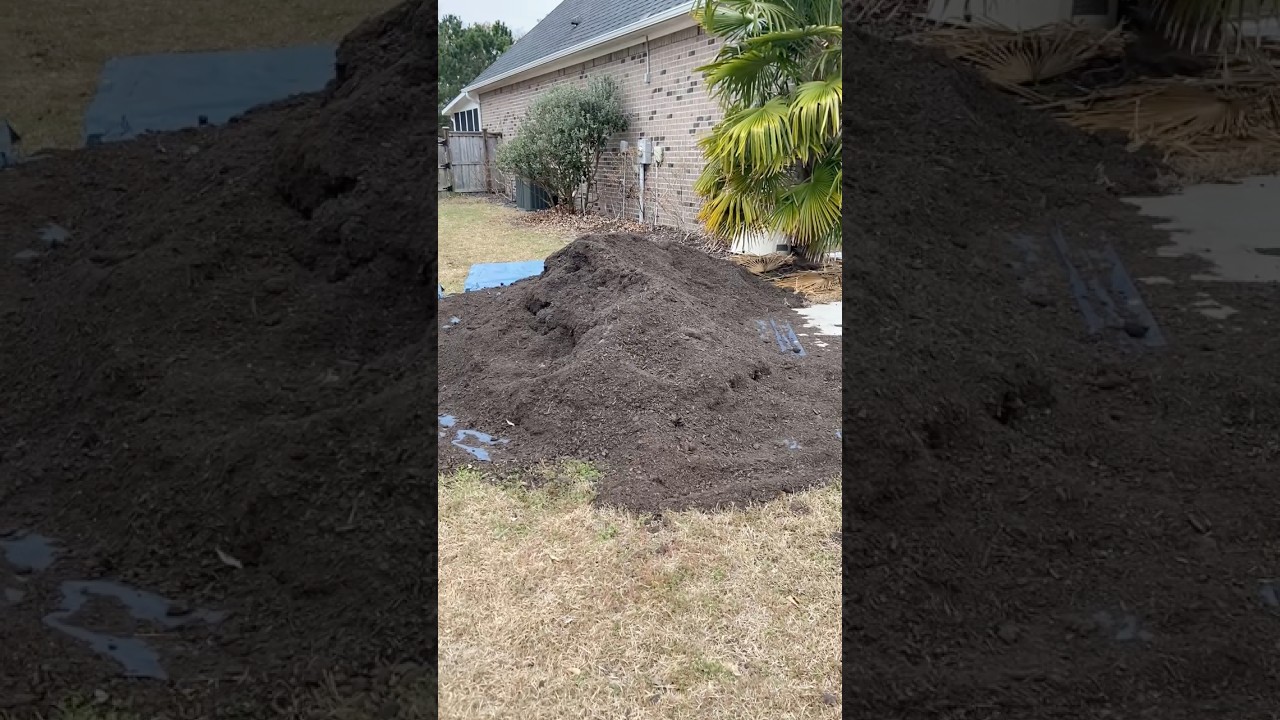
Nothing beats the satisfaction of a truckload of nutrient-rich compost arriving at your driveway—prompt, local, and budget-friendly. Instead of wasting time and money on pricey bags at big box stores, consider ordering a delivery of quality compost local to your area. This way, you’re not just saving cash—you’re feeding your soil with the very best stuff nature has to offer, right in the comfort of your own outdoor sanctuary. There’s something deeply rewarding about knowing that every shovelful you spread under your fruit trees or onto your vegetable beds is nourishing the foundation of your garden’s health.
And the beauty of compost? It’s the foundation of a thriving garden, plain and simple. Proper timing—applying compost 1-2 months before your trees start to bud—ensures your plants get the nutrients just when they need them most. Using it to top off your garden beds or in raised beds before planting gives your plants a nourishing start, like a breakfast of champions. Meanwhile, spreading compost under fruit trees and letting it break down naturally encourages healthy root development that will support lush growth seasons to come. So, folks, if you’re dreaming of a garden that practically hums with vitality, it’s time to check this out right now.
Why Compost Is the Garden Miracle You Can’t Afford to Miss
Let’s cut to the chase—compost is the unsung hero of gardening perfection. Think of it as the secret sauce that elevates even the most modest backyard patch into a flourishing oasis. When you use compost to top off your garden beds or in raised beds before planting, you’re giving your plants a steady diet of organic matter that’s brimming with life. Fresh compost encourages healthy root development because the roots love to explore and expand into rich, crumbly soil filled with decomposed goodies.
Feeding your soil with nutrient-rich compost isn’t just about immediate growth; it’s about building a long-term fortress of fertility. Regular compost application sustains your garden’s productivity year after year, creating a cycle of healthy, vigorous plants. Plus, applying compost 1-2 months before trees start to bud isn’t just good practice—it’s like scheduling a spa treatment for your plants. When you properly plan and put compost into the ground at just the right time, your garden gets a head start, leading to better yields, bigger blooms, and tastier fruit.
And here’s the kicker—composting is downright affordable. Instead of frittering away money on synthetic fertilizers or expensive planting mixes, you’re harnessing natural decomposition. Pouring it into your beds or spreading it under fruit trees is an act of ecological kindness that benefits your wallet and your earth. Your garden will thrive with this simple, yet powerful, ingredient. Proper timing, consistency, and a mindset that embraces autumnal abundance are what transform modest plots into verdant masterpieces. Check this out—the secret is compost, and your garden’s future is waiting.
Mastering the Art of Compost Application: Timing, Technique, and Tips
Timing is everything in the garden, and compost is no exception. The moment you decide to spread compost—say, in early spring or late fall—sets the stage for plant success. Applying compost 1-2 months before your trees start to bud provides a natural slow-release fertilizer that energizes roots and improves soil health right when plants crave it most. It’s similar to giving your plants a head start; they’re no longer just surviving but thriving.
Using compost in raised beds before planting turns these little plots into organic wonderlands. Think of it as setting the perfect dinner table—every morsel of compost adds nutrients that are readily available for young seedlings eager to establish their roots. And don’t forget the importance of letting the compost break down and cool off after delivery—this process ensures that the microbes and nutrients are in the best possible state for your plants to absorb. It’s a gentle, natural maturation, much like letting a good wine breathe before serving.
Apply compost generously, spreading it under your fruit trees and across your garden beds, and watch as your soil transforms from dull to dazzling. The organic matter integrates into the earth, improving soil structure and water retention while encouraging the growth of beneficial microorganisms. Regular application keeps your garden in a continuous state of renewal, supporting the long-term health of your plants. Remember—garden success isn’t just about what you plant but also about how well you nourish the soil that hosts your green dreams.
The Long-Term Benefits of Compost for Your Garden’s Future
Think of compost as a treasured investment in the future of your garden. It’s not just a quick fix but a long-term strategy for soil health and fertility. When you incorporate compost into your garden routine, you’re planting seeds for a sustainable landscape that rewards patience with lush growth and bumper harvests. Properly fed soil is like a well-oiled machine—it runs smoother, produces more, and requires less intervention from you.
Fresh compost encourages healthy root development, which means your plants have a sturdy foundation to support vibrant leaves, sturdy stems, and bountiful fruit. When you spread compost under your fruit trees or in the raised beds before planting, you’re proactively preparing the ground for a harvest that will make all your neighbors green with envy. Regular compost application sustains garden productivity, reduces the need for synthetic chemicals, and keeps the soil alive with beneficial microbes that fight off pests and diseases naturally.
The real beauty of compost lies in its affordability and accessibility. Instead of constantly chasing after expensive fertilizers or gimmicky grow-promises, you’re harnessing nature’s own recycling process. This not only enriches your soil but also ensures your garden remains resilient through seasons of drought, frost, and everything in between. With thoughtful planning—timing compost application carefully and giving it time to break down—you ensure that your garden isn’t just a patch of dirt, but a living, breathing ecosystem thriving under your watchful eye.
Frequently Asked Questions
How quickly can I see results after applying compost to my garden?
You might be tempted to expect miracles overnight, but the magic of compost operates on its own timeline. Typically, initial improvements to soil structure and fertility become noticeable within a few weeks, especially if the compost is thoroughly integrated into the soil. For robust plant growth, applying compost 1-2 months before planting allows nutrients to settle and microbes to flourish. Over time, patience pays off—your plants will develop stronger roots, healthier foliage, and ultimately higher yields. It’s a slow dance of nature that rewards those willing to wait a little.
What’s the best way to spread compost in raised beds and under trees?
Think of spreading compost as sharing a rich, crumbly secret with your garden. In raised beds, start by laying down a generous layer—about 2-3 inches—before planting. Use a rake or cultivator to incorporate it into the topsoil, ensuring it melds seamlessly with existing earth. Under fruit trees, spread the compost in a broad ring around the canopy—avoiding direct contact with the trunk—and let it gently sink into the soil as it decomposes. The key is even distribution, without overwhelming the roots, thereby encouraging healthy new growth and steady nutrient absorption.
How do I know if my compost is ready to use?
The best compost looks, smells, and feels like dark, crumbly earth sprinkled with a hint of sweet earthiness. It should be cool—not hot—and free of large, recognizable bits of organic matter. When it’s fully broken down, it’s like a soft, rich cake, ready to nourish your garden. If you keep it moist and turn it regularly, it will mature more evenly. Wait until the smell is earthy rather than sour and the texture is uniform before spreading it around your plants or mixing it into garden beds.
Can compost help in water conservation?
Absolutely. One of compost’s lesser-known superpowers is its ability to improve water retention. After spreading compost in your garden beds, the soil becomes more sponge-like—absorbing and holding moisture longer. This reduces the frequency of watering while providing a steady supply of hydration to your plants, especially during dry spells. Over time, an abundance of organic matter nurtures soil life that further enhances water uptake, meaning your garden stays more resilient in the face of climate extremes.
Are there certain plants that benefit more from compost than others?
Most plants love a healthy dose of compost, but the greatest beneficiaries tend to be young seedlings, fruit trees, and heavy feeders like tomatoes and corn. These plants have voracious appetites and flourish when supplied with rich, organic nutrients. Conversely, plants that prefer lean soil, like certain bulbs, might require less compost or just a light top-up. The key is to tailor your composting and application schedule so that each plant gets exactly what it needs without overdoing it—much like a good chef knowing when to add a pinch of salt.
Final Thoughts
In the grand symphony of gardening, compost is the silent, yet indispensable conductor—guiding rhythms of growth, health, and abundance. It’s a simple act of faith combined with a bit of elbow grease, transforming humble organic waste into the lifeblood of your garden. Whether you’re spreading it under fruit trees, topping off raised beds, or just letting it sit patiently in a compost bin, you’re participating in a natural cycle far older and wiser than us.
So, what are you waiting for? Check this out right now—get a load of compost delivered to your home. Your garden will thank you with a vigor that’s almost palpable, bursting with vitality and resilience. With proper timing, regular application, and a sprinkle of patience, you’ll be surprised how quickly your patch of earth turns into a lush, productive paradise. After all, there’s no better reason than love of the land to start composting today.