
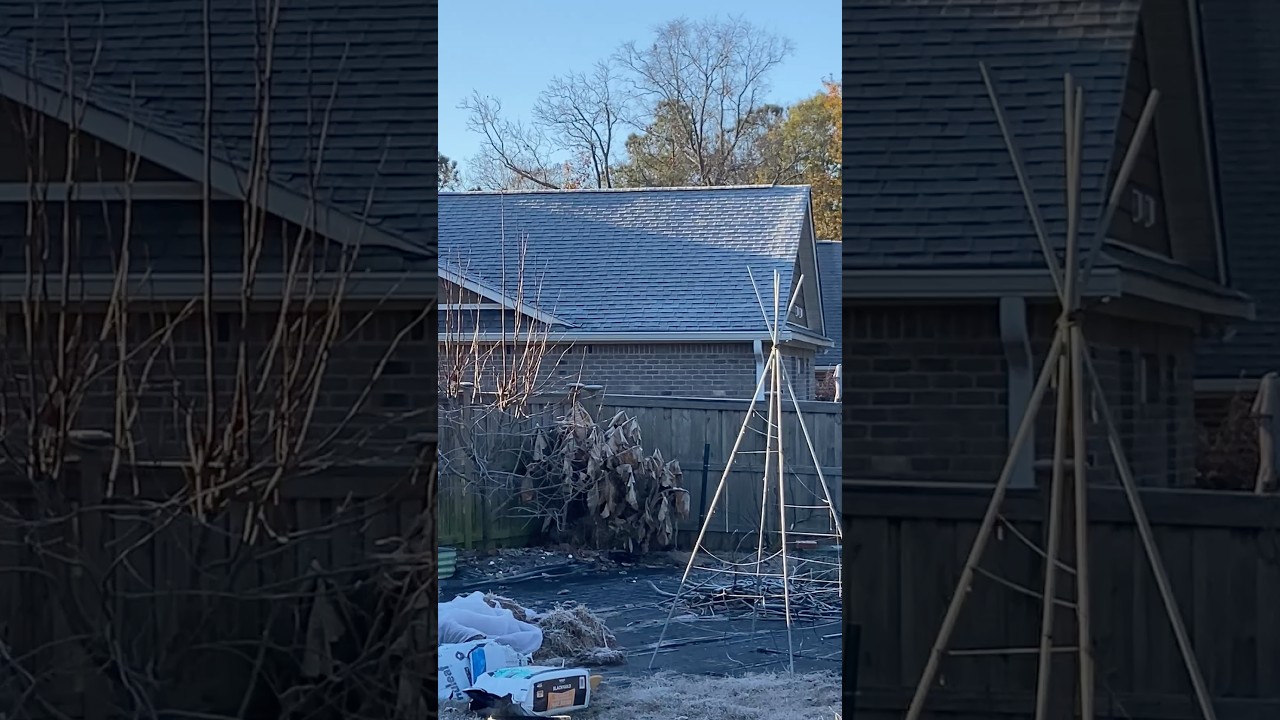
If you love gardening but dread the cold months, you’re in the right place. In this post, you’ll discover essential cold weather gardening tips that will help you protect your plants, extend your growing season, and enjoy a thriving garden all year round. Get ready to transform your chilly garden into a lush, vibrant space!
Introduction
Ah, winter—nature’s way of reminding us that even the most enthusiastic green thumbs need to be a little cleverer in the cold. As the frost begins to nibble at the edges of our garden beds, a certain kind of perseverance becomes essential. I’ve learned, through a delicious combination of trial, error, and the occasional plant funeral, that cold weather gardening isn’t just about hardy plants and hearty smiles; it involves a strategic dance with nature’s icy whims. Somewhere between covering my tomato plants with dubious-looking tarps and whispering sweet nothings to my dormant bulbs, I discovered a treasure trove of tips that transformed my frosty gardening struggles into triumphs. So, grab your thermos of hot coffee and a sturdy pair of gloves—here are the essential cold weather gardening tips I’ve unearthed, guaranteed to help your garden flourish even when Jack Frost is nipping at your nose.
Protecting Your Plants from Frost: A Delicate Art
Picture this: you’ve carefully planted your winter crops, only to wake up to a blanket of ice and despair. Frost protection is the secret handshake of winter gardening—subtle, yet powerful. I’ve realized that covering plants with layers of old blankets or investing in specialized frost cloths creates a cozy microclimate around your greens, whispering, “You’ve got this.” It’s almost like giving your plants a warm hug, which, let’s admit, is far more satisfying than simply hoping for the best.
The key is timing—daring to cover just before the frost arrives, ideally when the sky is still tinged with the soft glow of dawn or dusk. Using row covers or even makeshift hoop tunnels can shield delicate plants from brutal, icy winds. I’ve learned the importance of anchoring these covers securely—flying tarps are a gardener’s nemesis, after all—and that a little effort can mean the difference between a garden full of resilient greens and a yard of regret. Playing hide-and-seek with frost doesn’t involve magic, just preparation—and a dash of ingenuity.
Choosing the Right Cold-Hardy Plants for Your Garden
Not all plants are summer-loving divas; some are born to brave the cold with a stoic nod and a wink. When the mercury dips, I’ve found that tiny, hardy vegetables and herbs become the stalwart heroes of my garden. Think kale, Brussels sprouts, carrots, and hardy spinach, all of which seem to sport little winter coats of their own. Their secret? It’s their ability to endure and even thrive amidst frost rather than succumb.
Selecting the right varieties can turn your winter garden from an experimental battlefield into a lush, productive oasis. I’ve discovered that some heirloom varieties are specially bred for resilience, making them better suited for the unpredictable dance of seasons. It’s almost as if these plants have an inner survivalist—an attitude that I admire almost as much as their invigorating crunch or vibrant color. By focusing on cold-hardy selections, you not only maximize your effort but also create a landscape that refuses to go quietly into that good winter’s night.
Simplifying Your Routine: The Power of Automation and Planning
Honestly, winter gardening presents a unique challenge: keeping your plants thriving while also managing your own sanity. Enter technology and good old-fashioned planning—tools that can turn chaos into calm. Automating watering schedules with timers can prevent your plants from drowning in frozen water or shriveling up in neglect. Using scheduling apps or even a well-maintained planner, I’ve found, helps prioritize tasks like mulching or checking frost covers, so no urgent frost-alert sneaks up on you.
Breaking large projects—say, establishing a winter vegetable bed—into manageable steps becomes the practical mantra. Review your progress regularly, adjusting your tactics as you go along. Staying consistent with routines fosters lasting habits that keep your garden resilient and your mind at ease. And when in doubt, take a moment to celebrate a small victory—a bustling bed of winter greens or a perfectly timed frost cover. After all, gardening, much like life, is about patience, preparation, and a little bit of luck.
Frequently Asked Questions
Q1: How can I protect my delicate plants from unexpected frosts?
Frosts can be sneaky guests, arriving unannounced in the dead of night. To safeguard your delicate plants, cover them with frost cloths, old blankets, or even cardboard boxes, making sure they’re anchored firmly against the wind. Installing portable hoop tunnels or cloches creates a semi-permanent barrier, trapping heat and preventing frostbite. Remember, timing is everything—cover late in the afternoon and uncover in the morning to prevent excess moisture buildup and mildew.
Q2: What are the best cold-hardy plants to grow during winter?
Opt for resilient greens like kale, Swiss chard, spinach, and winter lettuces, all of which can withstand frosty nights and still taste delicious. Root vegetables such as carrots, parsnips, and radishes also thrive in cold soil, developing sweetness with a bit of frost. For herbs, consider winter savory, thyme, and hardy rosemary, which often shrug off the chill and add flavor to your winter dishes.
Q3: How do I deal with soil that’s too cold or frozen?
Cold soil can stall root development and discourage planting altogether. To warm it up, cover beds with straw mulch or black plastic sheets on sunny days—think of it as giving your soil a solar spa treatment. Raised beds are another option; they elevate the root zone and improve drainage, helping soil warm faster. Keep a close eye on the weather, and don’t be afraid to wait until the soil warms up naturally before planting.
Q4: Can I automate my winter garden chores?
Yes, technology is your friend. Automatic sprinklers with timers can ensure your plants stay hydrated without freezing hoses or oversight. Soil moisture sensors alert you when watering is necessary, and smart garden apps help plan tasks around weather forecasts. Automating routine chores minimizes the chances of neglect—a common pitfall during the busy winter months—and keeps your garden humming along smoothly.
Q5: How often should I review my winter gardening progress?
Regularly reviewing your efforts—perhaps weekly or after major weather events—allows you to adapt strategies and keep track of what works. Take notes about successful frost protection methods, plant performance, and pest activity. This practice not only ensures continuous improvement but also reinforces a sense of control in a season often characterized by unpredictability. Remember, each review is an opportunity to learn and lean into the joy of winter gardening.
Final Thoughts
Gardening in the cold isn’t for the faint-hearted, but it’s undeniably rewarding—like finding hidden treasure in a snowy landscape. It teaches patience, resilience, and the importance of thoughtful preparation, all wrapped in a quiet, contemplative kind of beauty. With the right tools, a dash of ingenuity, and a little extra effort, your winter garden can flourish in ways that surprise even you. As I’ve learned on my own frost-bitten journey, winter gardening isn’t just about survival; it’s about embracing the challenge and finding joy amid the icy silence. So bundle up, get your hands dirty, and remember that even in the coldest months, growth is just waiting to happen.## Final Reflective Thoughts ##
There’s something almost poetic about winter gardening—it’s a stubborn act of optimism, an ode to the idea that life persists even when the world seems to hibernate under layers of frost and snow. Every sprout that defiantly pushes through frozen soil feels like a quiet rebellion, a nod to nature’s resilience and your own. Having navigated the chilling challenges of the season, I realize that cold weather gardening isn’t just about growing hardy plants; it’s about cultivating patience, adaptability, and a healthy dose of humor when plans go awry.
In those quiet, chilly mornings, you learn to listen more carefully—to the wind, to the soil, and to that inner voice whispering, “Keep going.” The silver lining? Each tiny green leaf or bud emerging against the odds becomes a triumph worth celebrating. It’s a lesson in persistence, reminding us that in our own lives, just like in the garden, enduring hardships often leads to the most rewarding growth. So, whether you’re tending to a small patch of winter greens or simply maintaining your cool while battling frozen fingers, cherish these moments. They’re testament to your commitment—and that of nature’s—making every effort to flourish, no matter how cold the season.
In Closing
Embracing cold weather gardening is, in essence, an act of faith. Faith that your efforts will pay off, that the green shoots will eventually peek through the frosty gloom, and that your garden will once again burst into bloom come spring. It’s a pastime that demands both patience and ingenuity but rewards you with a quiet sense of achievement and a deeper connection to the natural world. So, gear up, stay curious, and never underestimate the power of a well-placed frost cover or a carefully chosen hardy plant. Because in the end, winter’s chill can only slow down a garden that’s determined to thrive. Happy winter gardening—may your soil stay warm in spirit, even if not always in temperature.