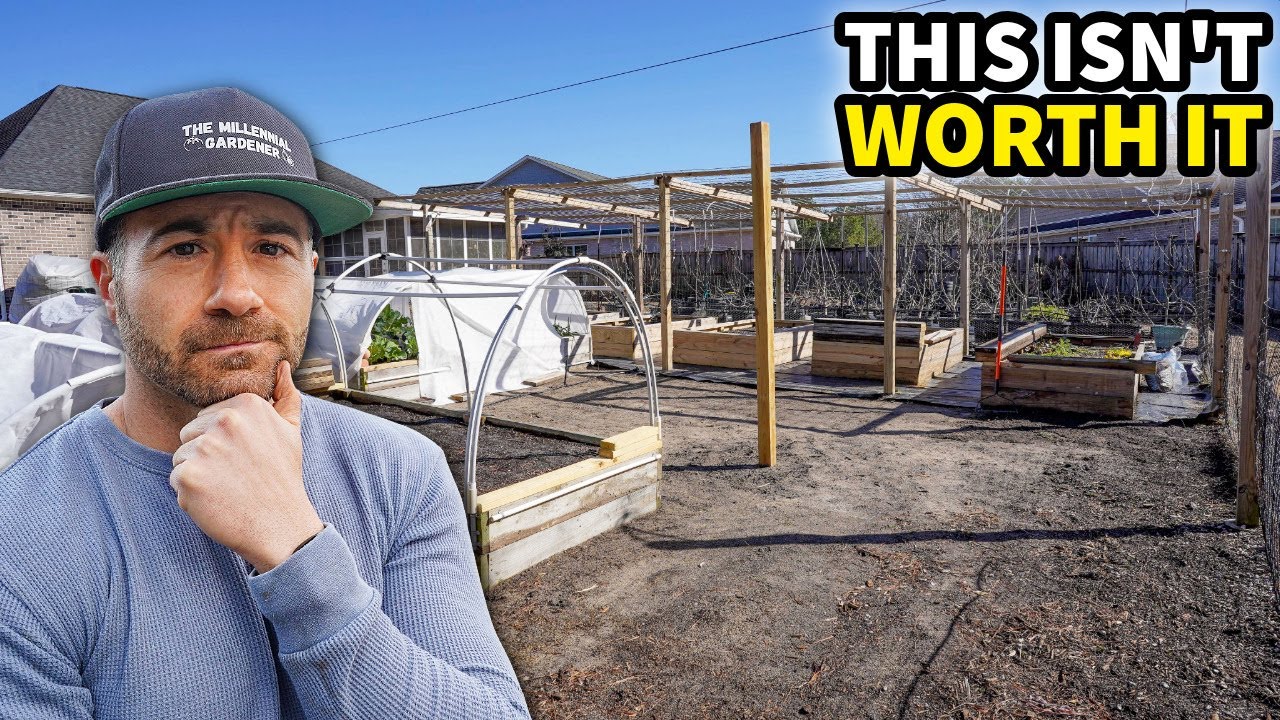
Are you eager to see what the future holds for gardening? In this post, I’ll share four key reasons why I’ve made the decision not to garden in 2026. While gardening has always been a passion of mine, life choices and circumstances are leading me down a different path this year. Stick around to discover what’s behind my decision and how it might resonate with your own gardening plans.
Introduction
Imagine the thrill of planting tiny seeds, the slow unraveling of greenery under your care, paired with the occasional sweat-drenched brow—and then, suddenly, a voice inside whispers, “Not this year.” Yes, the garden, that patch of earth whispering promises of fresh tomatoes, vibrant roses, and the thrill of nurturing life, might not make an appearance in 2026. And while many gardeners cling stubbornly to the notion that you just have to “keep at it,” I’ve come to a different conclusion—one that involves a little introspection, a dash of humor, and an honest assessment of whether gardening is still worth the hassle in the age of rising temperatures, unpredictable weather, and existential questioning. So, buckle up as I walk you through the four reasons I am officially shelving my gardening ambitions for 2026—reasons that are laced with humor, realism, and a dash of hope for what’s next.
Reason One: Planning is Essential for Gardening Success—and I’m Not Up for It
Let’s start with the hard truth: gardening, at least the successful kind, isn’t just about tossing seeds into the dirt and hoping for a miracle. It’s a meticulous ballet of planning—considering your regional climate, soil health, planting schedules, and even backup plans for insect invasions or droughts. In Southeastern North Carolina (Zone 8B), where the seasons tease you with hot summers and surprisingly chilly winters, understanding the intricacies of local microclimates becomes a full-time job. I’ve often fantasized about a lush, bountiful garden, only to realize I’ve overlooked the crucial prep work—testing soil pH, amending with organic fertilizers like blood meal or fish fertilizer, and choosing the right spot that gets enough sun but not too much heat.
And here’s the kicker: without that strategic planning, failure lurks behind every decision. Did I mention I once lost an entire tomato crop—after diligently planting, watering, and even singing to my seedlings—because I underestimated the importance of insect netting? Gardening in 2026 demands a level of foresight so sharp it could cut through a stubborn weed. For some, this is part of the charm, an ongoing lesson in patience and perseverance. For me? It feels more like an existential hurdle. So, I’ve decided that this year I’ll outsource my gardening dreams, spend my free time instead contemplating whether buying a grow light kit or investing in a seedling heat mat is worth it—and let someone else deal with the planning.
The Upside: Modern gardening products like LED grow lights and insect netting make it easier, but the planning still lingers in the background. If support tools—like versatile grow bags or soil enhancers—are your thing, check out reliable online sources. Still, I question whether I want to invest in these high-tech solutions when I could be doing something equally fulfilling—like learning guitar or taking up calligraphy. But let’s not forget the reality: proper planning yields success, and ignoring this step might mean wasting time, money, and precious garden dreams. Perhaps next year, I’ll revisit this commitment—when I feel more prepared and less inclined to wing it.
Reason Two: Is Gardening Still Worth My Effort and Money in 2026?
This question lingers like an overripe peach on a summer tree: is the effort justified? With rising costs of gardening supplies, from premium seed varieties to organic fertilizers, and the unpredictable weather patterns making plant survival less certain, the investment can sometimes feel like tossing coins into a wishing well—hopeful but not always fruitful. Sure, fresh produce and homegrown herbs are delightful rewards, but at what cost? Should I spend hundreds on soil amendments like trace minerals or a set of pest control organic solutions? And in a climate that now seems to have a mood swing every other week, is it even feasible to justify the expense?
Every season, I wrestle with whether the return on investment outweighs the frustrations—especially when pests like aphids or caterpillars seem to have conspired just to ruin my zucchinis. I’ve pondered whether gardening is still worth the hurdle, given that I could simply buy organic vegetables from local farmers who seem to have mastered their craft. Yet, it’s not just about the food; it’s about the process, the connection to nature, and the joy of harvesting something you’ve grown with your own hands—if only I could remember that when battling weeds or watering in an unexpected drought.
The Money Question: As I argue the point, I realize that gardening might require an initial investment in tools like seedling heat mats or insect netting, but the ongoing costs—fertilizers, water, replacement plants—add up. Still, there’s a certain charm in supporting local growers and exploring organic solutions, like using blood meals or compost teas. For visitors who click on links to buy gardening gear online, I say: support small businesses and consider it an investment in your mental health or sustainable living. But, for now, I am just questioning whether a year off from gardening might be the best financial and emotional decision—to save both my wallet and my sanity.
Reason Three: Excuses Galore—And Why They Might Be Invalid
Ah, the excuses—those charming little stories we tell ourselves to avoid the mess, effort, or frustration gardening can entail. I’ve heard them all: “I don’t have enough time,” “My yard is too shady,” “I kill every plant I touch,” and the classic “I’m too busy with work.” The creator sharing this confession admits that these excuses are as common as weeds, yet none completely hold up under scrutiny. For instance, “not enough time” often means mismanaging schedule priorities—and, honestly, a lack of enthusiasm.
Meanwhile, the “shady yard” argument doesn’t hold water in a bright Zone 8B, where even partial sun can produce abundant crops and blooms with the right plants (hello, shade-tolerant lettuce or hostas). That “I have a black thumb”? It’s more like a black hobby, waiting for the right approach—perhaps starting small with container gardens or grow bags filled with soil enhancers and seedling heat mats. And being “too busy” is perhaps the most revealing excuse, an admission that the allure of fresh vegetables or vibrant flowers simply hasn’t trumped the comfort of binge-watching yet another series.
The Reality Check: Most excuses dissolve under the gaze of genuine curiosity or a bit of research. Portable, convenient solutions like LED grow lights enable dwellers in small apartments to dabble in vegetable gardening, proving that you don’t need a sprawling yard to get your hands dirty. The creator is contemplating whether forcing these excuses to stand up to actual effort is worth it—sometimes, the only real obstacle is your mindset. To those who think they’re not “cut out for gardening,” I say: maybe what you need is a fresh perspective and some beginner-friendly products. Or perhaps, just a moment to realize that gardening, at its core, is less about perfection and more about connection.
Reason Four: Despite Challenges, Why I Still Garden—And Why You Should Care
Despite the laundry list of reasons to give up, there’s an unshakable, visceral pull toward the garden. It’s the tangible reward after hours of pruning, the satisfaction of watching tiny seedlings turn into robust plants, and the meditative silence punctuated only by the chirping of birds and the rustling of leaves. Why do I still garden? Because every failure is a lesson in resilience, and every bloom reminds me that patience pays off—even if it sometimes feels like the universe is testing your resolve with a drought or a pest invasion.
The reasons go beyond the aesthetics or the food; gardening has become a subtle act of rebellion against the chaos of modern life. It’s an act of hope—waiting for something to grow in a world where so much seems out of control. I’ve learned to see pests not merely as enemies, but as a part of nature’s balance, and pruning not as a chore but as a moment of reflection. Despite the challenges and excuses, I find myself still planting, still tending. And perhaps that’s the real lesson: that even when circumstances change, the act of caring for something green remains profoundly worthwhile.
The Creator’s Lessons: From 8 valuable lessons learned in years of gardening, one stands out—the importance of flexibility, patience, and a sense of humor. Gardening teaches you to accept setbacks, embrace spontaneity, and celebrate small victories. And when the seasons shift unpredictably in 2026, I understand that sometimes letting go of rigid plans invites the most unexpected joys—like discovering a thriving herb in the shadow of a shed or the sudden appearance of a butterfly pollinating my neglected blossoms.
Frequently Asked Questions
Q1: Is it too late to start gardening in 2026 if I’ve never tried before?
Absolutely not. Gardening is an age-independent activity that welcomes beginners with open arms—particularly if you start small. Container gardening, using grow bags, or starting with easy-to-grow herbs can make the learning curve less intimidating. With the right support products like seedling heat mats and organic fertilizers, beginners can cultivate confidence along with their plants.
Q2: How can I make my gardening efforts more sustainable and eco-friendly?
Opt for organic fertilizers such as fish fertilizer or blood meal, use insect netting to protect plants naturally, and create compost from kitchen scraps. Supporting local nurseries and vendors online also reduces your carbon footprint—plus, it encourages sustainable practices. Water-wise techniques like drip irrigation or mulching conserve resources, making your gardening hobby more environmentally friendly.
Q3: Are there regional considerations I should keep in mind for gardening in 2026?
Definitely. In Southeastern North Carolina (Zone 8B), you should pay attention to the last frost date in spring and the first in fall. The region’s humid summers invite certain pests and plant diseases, so timing your planting and choosing disease-resistant varieties can save you frustration. Local online forums or gardening websites are excellent sources for region-specific advice.
Q4: What are some must-have tools or products for gardening in 2026?
A few essentials include sturdy grow bags for versatile planting, LED grow lights to extend your growing season indoors, seedling heat mats to jump-start healthy root development, and insect netting for pest management. Exploring these products online allows you to support gardening companies and access innovative solutions that make even small spaces productive.
Q5: Can gardening be a form of therapy or mental health support?
Yes, countless gardeners find solace and mental clarity in tending their plants. The quiet ritual of watering, pruning, and watching life unfold fosters mindfulness and reduces stress. Even if you’re skeptical about gardening’s benefits, trying a few potted herbs or a balcony garden can offer unexpected emotional rewards—no matter how many excuses you make.
Final Thoughts
As I step back from gardening in 2026, I do so with a sense of wistfulness mingled with relief. Sometimes, it’s okay to pause, reassess, and let the earth rest for a season. The garden, after all, is not just a patch of land; it’s a reflection of our hopes, our patience, and our willingness to nurture life despite the odds. Whether I return next year or choose to explore other passions, I’ll carry with me the lessons the garden has quietly whispered—lessons of resilience, flexibility, and the constant reminder that growth, like life, often follows its own unpredictable calendar. Here’s to finding joy—not just in perpetual cultivation, but in knowing when to let the soil breathe.