Are you dreaming of a lush, beautiful garden but worried about the budget? You’re in the right place! In this guide, you’ll discover how to start your garden in 2026 without spending a dime. With simple tips and creative ideas, you can transform your outdoor space into a thriving green oasis—completely free. Let’s get started on turning your gardening dreams into reality!
How to Start a Garden in 2026 Without Spending a Dime
Introduction
Who hasn’t dreamt of turning an empty, sun-soaked patch of earth into a lush oasis bursting with vibrant vegetables, fragrant herbs, and those charming little flowers that make neighbors glance over with envy? But there’s that hitch, isn’t there? The perceived cost—tools, seeds, soil—starts to resemble an investment bustling with dollar signs. Well, hold onto your gardening gloves because I’m here to tell you that blooming your own edible Eden in 2026 doesn’t have to drain your bank account. It’s not just about saving a few bucks; it’s about unleashing your inner horticultural rebel and proving that green thumbs aren’t exclusive to millionaire backyard owners.
Imagine a garden that grows from nothing more than hope and resourcefulness—a patch of paradise crafted on a shoestring, or better yet, free of charge. It sounds like aiming for garden greatness with no budget? Absolutely. It’s about mastering the art of free gardening tricks, leveraging online resources, reusing what others toss away, and channeling that creative spirit that refuses to let a tight wallet snuff out your green ambitions. So, step right up and get ready to dig into the promising world of starting a no-cost garden in 2026—a lush, edible playground crafted entirely from ingenuity and a little bit of elbow grease.
The Art of Planning Your Zero-Cost Garden
Planning is the cornerstone of any successful garden, but it’s especially critical when your budget is non-existent. This is where your inner MacGyver comes into play. First, you’ll want to scout your surroundings—what’s already available and waiting to be transformed? Perhaps there’s an abandoned lot teeming with overlooked soil, or a neglected space hosting a treasure trove of discarded wooden pallets and empty plastic bottles. The beauty of planning without money is that every container, seed, and tool becomes a puzzle piece you find rather than buy.
To truly maximize your resources, harness the power of digital planning tools. There are free garden planner apps and online templates that can help you map out your space, determine sun exposure, and strategize crop placement—all with zero cost. These tools are invaluable for making the most of every inch and minimizing waste while ensuring your plants flourish. And don’t forget; good planning also means understanding your local climate and seasons, which you can learn from free online resources and gardening forums. Watching videos on how to make leaf mould or compost at home—no expensive equipment required—can lead you to rich, organic material that will nourish your plants without costing a dime.
Most importantly, set a realistic goal. If the idea of a full garden seems daunting at first, consider starting with a few containers or patching together a small plot. Use this initial space as a learning laboratory, refining your techniques and discovering what’s possible with almost nothing out of pocket. Whether it’s repurposed tart pans as herb pots or scavenged stones for edging, every little detail should reflect your ingenuity and frugality. Remember, the fun lies not just in what you grow but in how clever you get with what’s available.
Sourcing Your Materials and Seeds for Free
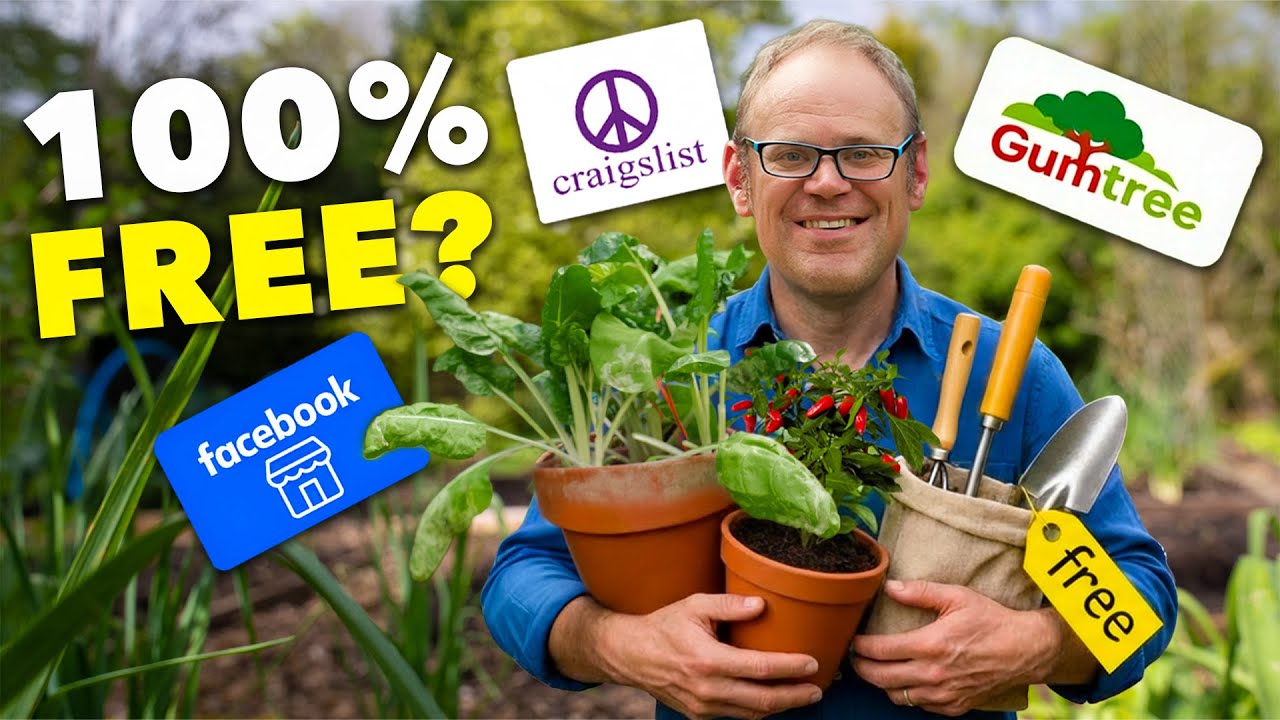
This is where the true magic happens—transforming what others ignore into the foundation of your flourishing garden. Seeds, the tiny miracles that germinate into beets, basil, or broccoli? They’re surprisingly easy to come by without spending a cent. Start by mindfully saving seeds from your own produce—an apple core might not seem glamorous, but beneath its humble shell lies the potential for your next planting. Visit community seed swaps, gardening Facebook groups, or local freecycle events—these are treasure hunts for free seeds and seedlings.
Soil might seem like the most expensive part of gardening, but don’t overlook the free options lying right beneath your feet or abandoned in alleyways. Search for compost heaps, leaf mold, or gather fallen leaves and grass clippings from neighboring yards—many people would be glad to let you scoop up their yard waste if you ask nicely. You can even create your own compost bin using recycled drums or wooden pallets. All it takes is some patience and a little effort—soon, your waste turns into rich, crumbly gold that keeps your plants thriving without the need for commercial fertilizers.
And what about containers? Well, the world is your oyster when it comes to reusing. Old tires, soda bottles, wooden crates, broken buckets—all of these make perfect vessels for growing your own food. You’d be surprised how many people are eager to give away free materials—post on neighborhood boards, community centers, or even scan the perimeter of local grocery stores after hours for discarded cardboard and plastic. In this way, your garden begins to take shape, rooted not in expensive purchases but in the shared kindness and resourcefulness of your community.
Cultivating Your Food Forest on a Budget
Growing your own food isn’t just a noble pursuit; it’s a revolutionary act of independence that can save you money while supplying fresh, organic produce right from your backyard. The secret? It’s all about adaptation and resourcefulness. Lettuce, spinach, herbs—these are some of the easiest, fastest-growing crops to start with minimal fuss and zero funds. Seeds seeds seeds—those tiny packets apart from being affordable can often be obtained for free through seed exchange groups or initial neighborhood swaps.
Don’t forget the power of guerrilla gardening—planting edible delights in overlooked spaces or where the soil is free and available. Imagine transforming an abandoned lot or neglected park corner into a mini vegetable farm, using donated compost, reclaimed water, and recycled containers. This act of reclaiming space not only yields food but also restores a little green serenity to otherwise gray urban landscapes. You might find yourself marveling at how resilient and resourceful you can be when you decide to grow your own herbs in cut-off glass jars, or tend to a tomato plant sprouting from a discarded plastic bottle.
In the spirit of frugality, explore creative ways to make gardening tools and supports from materials you already own. Old ladders can serve as trellises. Broken furniture can be repurposed into garden furniture, and scrap wood can become plant stakes. The goal is to keep your costs at zero while learning the art of sustainable, self-sufficient gardening. Trust that nature will surprise you; with a little patience and a lot of improvisation, your garden will flourish—proof that a lush, food-producing paradise is well within reach without the need for expensive equipment or store-bought seeds.
Digital Resources and Tutorials to Grow Confidently
Let’s face it, the internet is a treasure chest overflowing with free knowledge. From step-by-step tutorials on how to make leaf mould to videos demonstrating organic pest control, there’s an abundance of gardening wisdom just waiting to be tapped. Videos explaining how to make compost at home can be your first lesson in how simplicity and patience yield rich soil goodness—no fancy compost bins needed, just a bit of layered leaves, grass, and kitchen scraps.
Online forums, social media groups, and dedicated gardening websites are bursting with experienced gardeners eager to share tips on how to “blag” your way into supplies or find freebies. You can learn how to propagate plants from cuttings, start seeds indoors with recycled containers, or even swap unwanted tools in virtual communities. Many of these resources are updated regularly, offering fresh ideas and encouragement to beginners who may feel overwhelmed at the prospect of starting their first zero-cost garden.
Most inspiring of all are the success stories—individuals who challenged themselves to create a thriving garden with nothing but dirt, rain, and ingenuity. Embedding yourself in this online community means you’re never truly alone on your green journey. As you watch tutorials and absorb advice for free, your confidence will grow faster than your plants, transforming the idea of “no money, no garden” into “no problem, just passion.” And in 2026, there will be no better feeling than knowing your thriving garden is a testament to being resourceful, resilient, and remarkably self-sufficient.
Frequently Asked Questions
How can I start a garden in 2026 without any money?
Starting a zero-cost garden in 2026 is totally doable by focusing on resourcefulness. Use free online resources to plan your space, gather seeds from your kitchen scraps or seed swaps, and reuse materials like bottles, pallets, and containers you find around your neighborhood. Visit community groups for free soil, compost, and gardening advice, turning discarded or overlooked items into tools and planters. The key is to see potential in everything, from old tires to fallen leaves, and to embrace a DIY mentality, learning from free tutorials and online videos.
Where can I find free seeds and gardening supplies?
Seeds are surprisingly abundant in community seed exchanges, plant swaps, and even from your own kitchen scraps like pumpkin or melon seeds. For supplies, look for local freecycle groups or ask friends and neighbors for unwanted pots, soil, or tools. Many communities have free compost bins, or you can make your own from yard waste. Social media groups dedicated to gardening often feature giveaways or trading events—there’s a rich network of eco-conscious, budget-minded growers eager to share.
How do I make compost and soil naturally?
Making compost is as easy as layering kitchen scraps, fallen leaves, and grass clippings in a bin or a dedicated corner. Turn it occasionally, keep it moist, and patience will do the rest. Leaf mould, for example, involves composting leaves in a small pile or bin over several months. Online tutorials can guide you through the process—many show how to build simple compost bins from recycled wooden pallets or even repurposed trash cans. This rich, organic material will enhance your garden’s health without costing a dime.
Can I grow a variety of vegetables without investing money?
Absolutely. Start with easy-to-grow staples like lettuce, radishes, herbs, and beans—many of which can be grown from saved seeds or cuttings. Grow in containers, recycled bottles, or reclaimed soil patches, and supplement with natural compost. You can find free seedlings at local plant swaps or grow them from seed indoors until they’re strong enough to go outside. With good planning, patience, and a dash of ingenuity, your garden can yield an incredible bounty without initial investment.
What are some sustainable, low-cost gardening practices?
Adopt practices like rainwater harvesting, mulching with recycled materials, composting kitchen waste, and reusing containers to keep costs minimal. Companion planting reduces pests naturally, cutting down on expensive sprays. Using homemade organic fertilizers from kitchen scraps and waste reduces reliance on store-bought chemicals. By focusing on these earth-friendly methods, you not only save money but also lessen your environmental impact, turning your garden into a small but significant act of sustainability.
Final Thoughts
In 2026, embarking on a garden adventure without spending a dime might seem like a tall order, but the truth is that the greatest resources lie within your creativity, patience, and community. The journey isn’t just about growing food; it’s about cultivating resilience, discovering new ways to see value in discarded things, and embracing an eco-conscious lifestyle—all while saving money and having a blast along the way. The idea that lush, edible landscapes are reserved for the wealthy falls away when you realize that nature’s bounty is often just a matter of ingenuity and courage.
So, as you look at vacant lots, empty containers, or even a modest backyard, remember: there’s no better time than now to get your hands dirty in 2026, no wallet necessary. With each seed planted and each leaf mould made, you’re not only growing a garden—you’re nurturing a new mindset rooted in resourcefulness, sustainability, and the sheer joy of creating something beautiful from nothing. And who knows? Maybe the best thing you’ll grow in 2026 is a story of triumph over scarcity, a testament that sometimes the most abundant gardens are the ones we build from zero.