
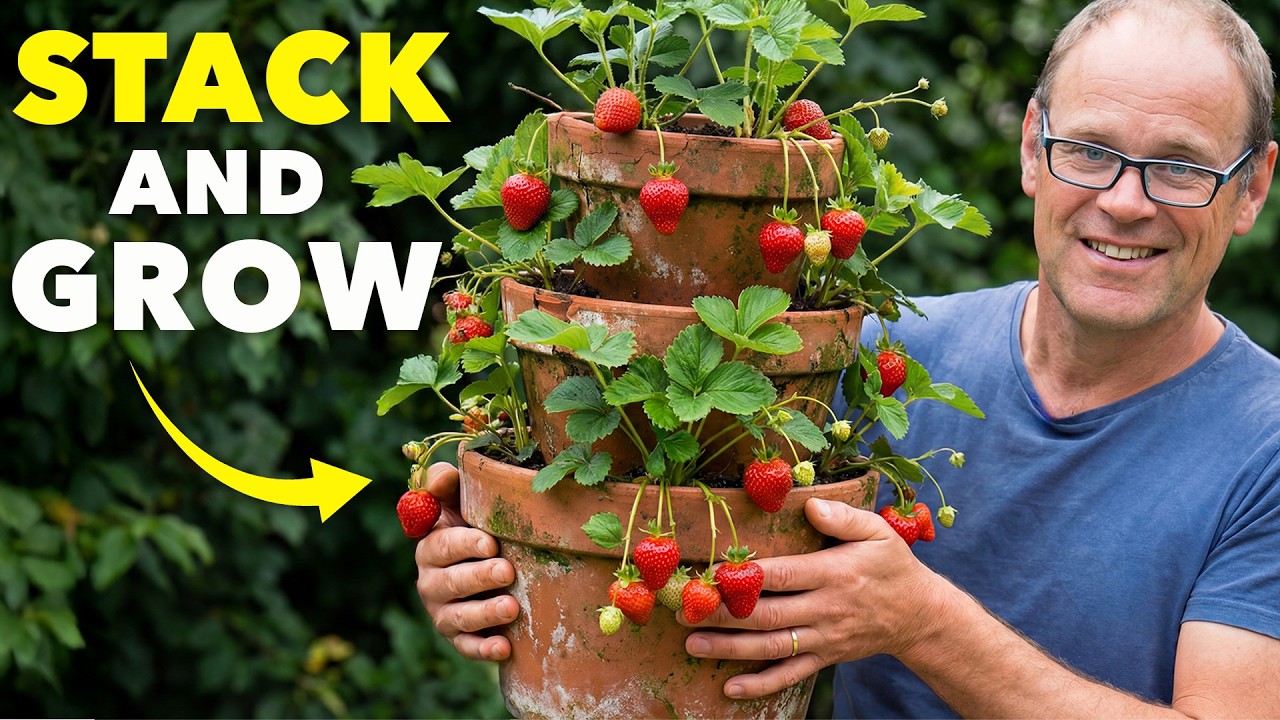
Looking to maximize your strawberry harvest in a limited space? You’re in the right place! Discover innovative, easy-to-implement vertical growing methods that will transform your garden and boost your berry yield. Get ready to take your strawberry cultivation to new heights!
Introduction
Imagine strolling through a lush garden, your arms brushing against the sun-warmed leaves of strawberries—bright crimson jewels nestled among verdant foliage. It’s a quintessential image of gardening bliss, but for those living in cramped cities, or just someone dreaming of more strawberries without sprawling across every inch of soil, a new world opens up: vertical strawberry gardening. Yes, the era of sprawling beds is giving way to vertical marvels that turn every tiny balcony, courtyard, or even rooftop into a strawberry paradise.
Now, you might be wondering if growing strawberries vertically is just a whimsical trend or truly a game-changer. The truth is, it’s both. Innovations in space-saving gardening techniques are revolutionizing how we grow our favorite fruit, making it easier, neater, and surprisingly more productive. So grab your gardening gloves, and let’s dive into this verdant universe where strawberries defy gravity and your expectations alike. Whether you’re a seasoned gardener or a curious novice, I promise you’ll find inventive ideas, expert tips, and a sprinkle of wit along the way.
Why Vertical Gardening is the Future of Strawberry Cultivation
The notion of growing strawberries vertically might seem like a clever hack, but it’s actually blossoming into a necessity for modern gardeners. Space is at a premium—whether you’re wielding a small container on a city balcony or managing a tiny backyard—and traditional sprawling beds just don’t cut it anymore. Vertical strawberry gardening reimagines that notion by stacking beauty, convenience, and productivity all into one succinct setup.
The beauty of vertical strawberries doesn’t just rest in their space efficiency. Imagine giving your plants an extra lift—literally—improving air circulation, reducing disease, and keeping pests at bay. Plus, with strawberries hanging within arm’s reach, harvesting becomes a joyful dance rather than a cumbersome chore. This method offers a refreshing change of perspective—paths to a bumper crop that don’t involve sacrificing your meticulously curated patio or planting area. It’s gardening, redefined, with a dash of innovation that matches our busy lifestyles.
What’s especially enticing is the scalability: from simple DIY pipe constructions to sophisticated tiered planters, the options are as varied as the varieties of strawberries you can grow. By embracing vertical methods, gardeners unlock a whole new realm of possibilities—more berries, less space, and a garden that practically reaches for the sky—without the need for sprawling plots or hulking garden beds. It’s gardening at its most clever: making more from less and inspiring us to see our little patches as limitless canvases.
Techniques and Tools for Growing Strawberries Vertically
There’s a delightful order in the chaos of vertical strawberry gardening, especially once you familiarize yourself with the techniques and tools that turn clutter into cultivated wonder. First, consider the humble vertical garden solutions. Ben, the indefatigable gardener whose tips I follow religiously, demonstrates how simple DIY structures—like repurposing old pallets or stacking planters—can create thriving strawberry towers. These solutions are often the most charming, harboring an organic, “I-just-threw-this-together” feel that hides a solid plan for success.
Moving up the sophistication ladder, there are commercial tiered planters designed specifically with strawberries in mind. These planters, often made of lightweight weatherproof materials, feature multiple planting levels that maximize space while providing excellent drainage and airflow. The key is choosing designs that suit your space and style while ensuring the roots can breathe freely—nothing less than the garden equivalent of a spa treatment for your plants. For those who prefer a cut-to-the-chase approach, the Greenstalk planter offers a sleek, space-efficient option, and you can save 10% in the US using the code GREENSTALK10 at Epic Gardening’s store.
No matter which method tickles your fancy, the principle remains the same: vertical grows need well-draining soil, consistent watering, and some means of secure attachment to prevent topple-over. You can make your own solutions—think hanging baskets fashioned from repurposed containers—or buy ready-made systems that fit neatly onto balconies or small patios. For the DIY adventurers, there’s ample inspiration in tutorials like the one on propagation at https://youtu.be/nCryoma4bo4. It’s all about crafting a system that works with your space, your style, and your scruples—yes, even if your scruples include using that old ladder gathering dust in the garage.
Growth Hacks and Maintenance Tips for Bountiful Vertical Strawberries
Even with a brilliant setup, the real trick lies in nurturing your vertical strawberries to full, juicy potential. The first step is to remember that strawberries thrive in slightly acidic, well-draining soil—think of it as giving your plants a spa day with the perfect mix. Regular watering is essential, especially when grown vertically, since the soil can dry out faster than in traditional beds. An important tip is to water at the base to prevent fungal issues and maintain consistent moisture, a trick best complemented by a drip irrigation system if you’re going big.
Beyond watering, fertilization in vertical systems often requires a keen eye, since nutrients can wash away with frequent rains or drips. A liquid organic feed, applied every couple of weeks, can keep strawberries vigorously growing and fruiting. Pruning is another pillar of success: remove dead or overcrowded leaves to keep airflow high and pests low. In the vertical setup, this is often as easy as reaching up with your snippers for a quick tidy—satisfying in a way that’s almost meditative.
The most enjoyable aspect of maintenance is the opportunity to keep an eye on your strawberries’ ripening journey. With hanging or tiered setups, you can often see the progress from afar, watching those plump berries turn from green to gold to deep, luscious red. Plus, you’ll find that harvesting from vertical gardens is more ergonomic—no more back-breaking bending—making it practically a pleasure rather than a chore. And should a pest or blight threaten, catching it early becomes less of a game of hide and seek. It’s about proactive care, bringing out the best in your plants so they reward you with a steady, lush harvest.
Frequently Asked Questions
Can I grow strawberries in a small space without soil?
Absolutely. If your outdoor space is limited—think tiny balcony or patio—you can explore container gardening using strawberry pots, hanging baskets, or vertical planters designed for small spaces. These setups provide ample room for roots, and with proper drainage and nutrient management, you can yield a surprising number of strawberries from even the tightest corners. Hydroponic systems are also gaining popularity; they grow strawberries in nutrient-rich water, eliminating soil entirely and maximizing space.
What are the best strawberry varieties for vertical gardening?
Select compact, runnerless varieties for vertical setups—think alpine strawberries for a petite, prolific harvest or everbearing types that produce fruit throughout the season. Some hybrid varieties are bred specifically for container and vertical growth, offering larger berries and disease resistance. Consulting expert tips on strawberry propagation and growth can guide you toward varieties that flourish in your climate and space, making your vertical garden both productive and easy to manage.
How do I prevent pests when growing strawberries vertically?
The proximity of your strawberries to the open air makes pests like aphids, slugs, and birds a real concern. Vertical systems naturally improve air circulation, reducing mold and powdery mildew. To keep pests at bay, incorporate physical barriers like fine mesh covers and regularly inspect plants for early signs of trouble. Companion planting—adding marigolds or garlic nearby—can also act as a natural repellent. For edible solutions, always monitor for signs of insects or disease, and treat promptly to prevent infestations from spiraling out of control.
Is vertical strawberry gardening suitable for beginners?
Indeed! With simple DIY projects and readily available planters, beginners need not shy away from vertical gardening. It’s a forgiving approach that emphasizes accessibility—your plants are easier to care for and harvest, and troubleshooting often involves simple adjustments like watering or pruning. Plus, you can learn from plentiful tutorials, whether on YouTube or through downloadable guides, making the experience both approachable and educational. Start small, enjoy the process, and let your vertical strawberries be your green-thumb breakthrough.
Can I combine vertical strawberries with other plants?
Absolutely, and it’s a fantastic way to create a dynamic, lively garden. Strawberries can grow alongside herbs like basil or mint, which can act as pest repellents, or compact flowers that attract beneficial insects. The key is to ensure each plant has enough space, appropriate sunlight, and that their watering needs align. The vertical garden is a miniature ecosystem—adding diverse plants can improve pollination, attract helpful insects, and maximize your limited space creatively. It’s a botanical symphony waiting to happen.
Final Thoughts
Vertical strawberry gardening isn’t just a clever hack; it’s a statement of adaptability and ingenuity. As our urban landscapes shrink and our gardening ambitions grow taller—literally—this method exemplifies how limitations can spark invention. With the right tools, a dash of patience, and perhaps a sprinkle of humor, anyone can transform a tiny nook into a thriving berry paradise.
The secret isn’t just in the setup—it’s in nurturing those plants with care, curiosity, and a readiness to try something new. Whether you’re mastering propagation techniques, optimizing growth with the Garden Planner (which you can try free at https://www.GrowVeg.com/grow-planner-free), or simply tinkering with DIY solutions inspired by expert tutorials, your journey toward abundant berries is only just beginning. Remember, in gardening, as in life, a little vertical thinking can elevate your harvest—and perhaps even your spirits.
Frequently Asked Questions
Please refer to the detailed answers above to learn about soil-free options, top strawberry varieties, pest prevention, beginner-friendly techniques, and integrating other plants into your vertical garden.
Final Thoughts
Embracing vertical strawberries is about more than just space; it’s about redefining the relationship between gardener and plant. It’s a reminder that innovation often lies just inches above the ground—ready to lift us toward new heights of productivity and pleasure. So, whether you’re stacking planters on your balcony or repurposing old household items, remember that every berry you harvest is a small triumph of creativity and persistence. Get growing, stay curious, and soon enough, you’ll be tasting the sweet rewards of your vertical adventure.