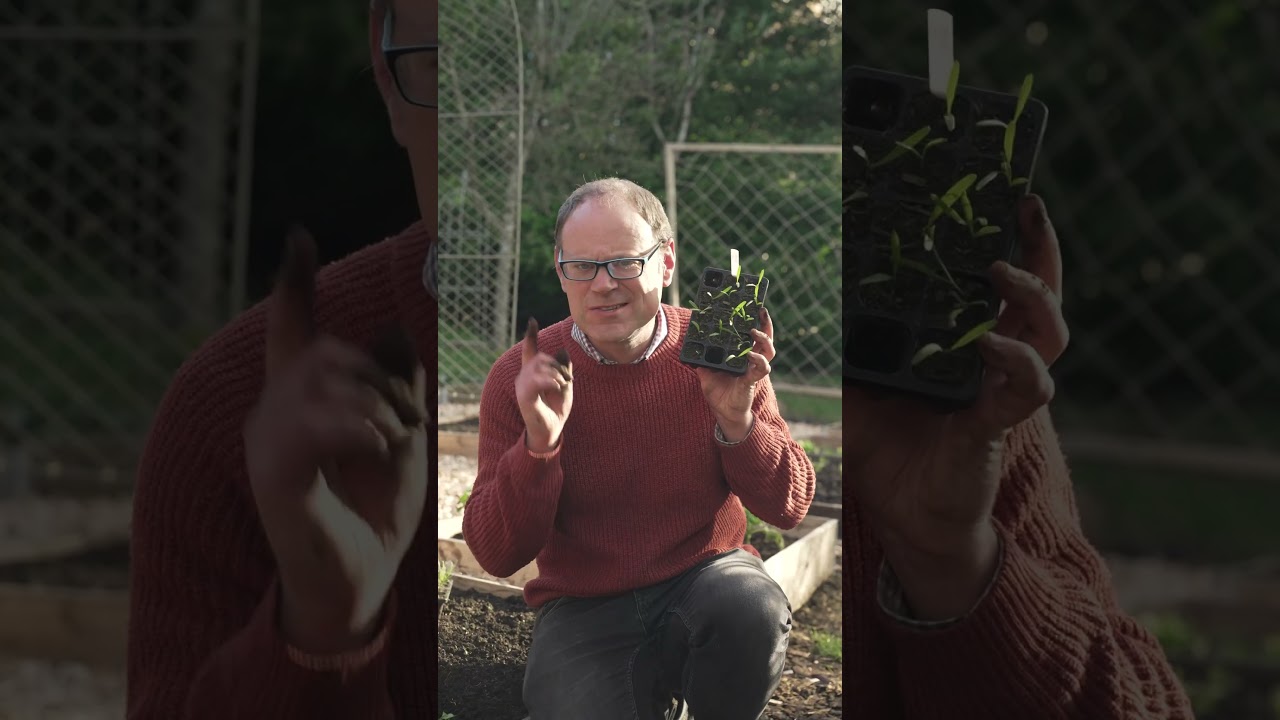
It’s not too early to start planning your salad garden. Whether you’re a seasoned gardener or just getting started, now is the perfect time to prepare and lay the groundwork for a lush, fresh supply of greens. With a little knowledge and some simple steps, you can enjoy homegrown vegetables that make your salads more delicious and nutritious. Let’s dive into how you can start planting your own salad garden today!
Introduction
There’s something undeniably rebellious about planting a salad garden before the snow melts entirely—like crossing your arms and daring winter to stick around a little longer. You see, most folks wait patiently for Prince Spring to arrive, but seasoned gardeners know the secret: it’s never too early to get your hands dirty, especially when it comes to greens that thrive in the chill. Imagine harvesting your first crisp lettuce leaves or spicy radishes a mere month after sowing the seeds—fresh, vibrant, and bursting with flavor, all from a garden you started when friends were still bundled up in their parkas.
Starting early isn’t just an act of defiance against the cold; it’s a strategic move that maximizes your growing season, giving you a jump on harvests and a glorious excuse to step outside even if it’s still a tad brisk. The best part? You don’t need sprawling backyard acreage to kick-start a salad garden. Whether your outdoor space resembles a postage stamp or a bustling balcony, countless cold-tolerant, quick-growing crops are eager to thrive in containers, window boxes, or garden beds. It’s gardening on your terms—accessible, rewarding, and surprisingly simple, even for the gardening novice. So, let’s roll up our sleeves and discover how to turn early planting into a delightful, leafy victory.
Why Start Your Salad Garden Early? Seizing the Cold-Weather Window
Imagine your garden as an impatient optimist—spring may be hesitant, but you’re not. By planting salads early in the season, you’re essentially giving nature a gentle nudge, encouraging your crops to grow while the thermometer still teeters at chilly heights. Cold-tolerant vegetables like lettuce, spinach, radishes, and arugula are the perfect candidates for this ambitious schedule, thriving despite the lingering frost in the soil. Because these hardy crops are quick to germinate and flourish, they beat the heat of summer, allowing you to enjoy fresh greens well before your neighbors even see their garden beds emerge from winter slumber.
The thrill of early planting is not just about beating the crowd; it’s about the sense of control and independence it offers. You gain more harvests per season, extend your salad days, and cultivate patience along the way. Plus, starting early saves you from rushing during peak planting times, which often leads to overzealous plantings and crowded, stressed crops. Instead, you can thoughtfully space your seedlings, ensuring each gets its fair share of sunlight and love. And while the weather may still be flirting with frost, your garden beds are quietly working, establishing strong roots and setting the stage for bountiful, nutritious salads in no time.
How to Plant a Salad Garden for Success: Step-by-Step Guide
Embarking on the adventure of early-season salad gardening requires a dash of preparation and a sprinkle of patience. First, choose a location—outdoors or in containers—that offers plenty of sunlight, ideally six hours or more per day. If your porch or balcony can soak up the sun, even better: you’ll have a mini-meadow of potential waiting to be tapped. Next, prepare your soil or potting mix by ensuring it’s loose, well-draining, and rich in organic matter—think of it as giving your future greens a comfy bed to grow into.
Now, selecting the right crops is half the fun. Opt for cold-tolerant varieties like crisp lettuce, tangy radishes, or hearty spinach—plants that courageously brave the chilly mornings to produce quick, tasty salads. Sow your seeds directly in the prepared soil or containers, following the spacing guidelines on the packet, and keep the soil moist but not waterlogged. It’s a game of patience and persistence; even if the wind tries to insist it’s still winter, your seeds will perk up and germinate, eager for the warmer days ahead.
Keep a watchful eye on the weather and use row covers or cloches if a late frost threatens. These little barriers turn your early planting into an undercover operation against nature’s whims. By sticking with a consistent watering routine and giving your crops some gentle nourishment, you’ll be rewarded with sprouting leaves and tender shoots in just about a month. Thanks to tools like the Garden Planner—accessible for free—you can organize your planting schedule, space out your crops, and ensure that your effort leads to abundant, homegrown salads bursting with flavor.
Grow Nutritious and Delicious Salads Yourself: Why It’s Worth It
Once you taste that first freshly picked leaf—so crisp, so flavorful—your store-bought salads will seem dull in comparison. Growing your own salads isn’t just a cost-effective way to eat healthy; it’s a labor of love that pays dividends in flavor, nutrition, and satisfaction. There’s a certain joy in snipping a handful of greens straight from the plant, knowing each leaf is packed with nutrients and free of any questionable additives. Plus, it’s incredibly empowering to transform bare soil or a few containers into a lush, edible oasis that feeds your body and soul.
Healthy eating becomes effortless when your garden supplies the ingredients. Some of the most resilient and quick to crop varieties—like arugula, kale, or baby spinach—ask for minimal fuss. They prosper with a little sun, water, and occasional hand-holding, giving you fresh, organic salads at your fingertips. Not to mention, home-grown salads are addictive; each meal becomes a celebration of self-sufficiency, a small yet profound rebellion against the fast-food culture that too often dominates our plates. The satisfaction of nurturing these plants from seedlings to full-grown greens makes every crunchy bite even more meaningful.
And in our era of environmental awareness, growing your own salads significantly reduces reliance on store-bought produce, which often involves packaging, transportation, and questionable freshness. With a little planning and a sprinkle of elbow grease (and maybe some witty commentary to keep yourself amused), you’re cultivating more than just greens—you’re cultivating gratitude, health, and a deeper connection to where your food comes from. Grow nutritious and delicious salads yourself, and watch how a simple act transforms into a daily ritual that feels both vital and utterly rewarding.
Making the Most of Your Salad Garden: Tips and Tools
To truly savor the perks of early planting, you’ll want to arm yourself with more than just seeds. The right tools—think lightweight watering cans, a hand trowel, or clever mini-greenhouses—can elevate your gardening game from haphazard to effortless. For those with limited space, the garden planner becomes your secret weapon. This free resource helps you map out the perfect layout, timing, and crop rotation, ensuring each inch of your outdoor or balcony garden works tirelessly for you. Just access it through the provided link for a no-obligation trial, and prepare to be amazed at how a little planning transforms your results.
As your seedlings sprout and grow, maintenance becomes a rhythm. Daily watering, a bit of mulching, and sporadic thinning are all it takes to keep your crops healthy and productive. When it’s time to harvest, do so with a gentle snip—leaves that are lush, vibrant, and free from blemishes. The gratitude from this simple action is tangible; it’s as if your garden whispers a thank you, a reminder of how easy and rewarding growing your own food can be. Plus, many salad crops thrive with minimal effort—an appealing prospect for those who’d rather be basking in the sun than battling weeds.
Finally, remember that gardening is as much about joyful experimentation as it is about disciplined planning. Share your bounty, swap seeds, or even host a backyard salad party. Every handful of greens harvested, every radish pulled, and every leaf tossed into your bowl is a small act of success—your personal revolution against processed, prepackaged salads. With care, patience, and a little sense of humor, your early-season salad garden will soon become a perennial source of happiness and nourishment. It’s time to get growing and enjoy homegrown salads that are—no exaggeration—the freshest you’ve ever tasted.
Frequently Asked Questions
Q1: Can I plant salad greens early in the season if I live in a colder climate?
Absolutely. Cold-tolerant crops like lettuce, spinach, radishes, and arugula are resilient enough to endure lower temperatures. Using lightweight row covers or cloches can protect your seedlings from unexpected frosts, effectively extending your growing window. Starting indoors and transplanting outside once the weather stabilizes is another smart approach, giving your greens a head start without risking them in the chilly air.
Q2: How soon can I expect to harvest my salad greens after planting?
Most quick-growing salad crops can be ready for harvest in about 3 to 4 weeks, provided they’re started early and given optimal conditions. Radishes, in particular, are famous for their rapid turnaround. This means that planting now could reward you with fresh, organic salads just as the first buds of spring appear—perfect for those eager to enjoy garden-to-table freshness ASAP.
Q3: What are some container-friendly salad crops suitable for small outdoor spaces?
Nearly all salad greens can thrive in containers, making them the perfect choice for balconies, patios, or window sills. Options include loose-leaf lettuce, baby spinach, microgreens, and radishes. Just ensure your containers have good drainage, and use high-quality potting mix. Small, manageable plants tend to be easier to care for, and they produce plenty of greens to satisfy your craving for homegrown salads.
Q4: Is it difficult to grow my own salads, or can beginners succeed easily?
Growing salads is one of the simplest, most foolproof gardening endeavors, especially with cold-tolerant, quick-growing crops. Even beginners find it rewarding, largely because these crops require minimal fuss and grow rapidly, providing instant gratification. Using the Garden Planner for free can help you organize your planting schedule, and many resources are available to guide first-timers through the process step-by-step.
Q5: How does growing my own salads impact my everyday eating habits?
It transforms them. Harvesting fresh greens from your garden encourages healthier choices, reduces dependency on store-bought produce, and makes every salad a celebration of effort and freshness. Plus, it’s a satisfying feeling knowing you’re consuming organic, pesticide-free greens, all from your own backyard or balcony—an empowering step toward sustainable living and better nutrition.
Final Thoughts
There’s a certain poetic irony in the act of planting salads early—biting off more green than you think you can chew before the world is fully awake from winter’s slumber. Yet, in that act lies a quiet rebellion: asserting that life and growth don’t wait for ideal conditions, and neither should your gardening ambitions. It’s an invitation to savor the slow, the simple, and the surprisingly easy path to nutritious, homegrown salads.
As you watch tiny seedlings spring up against the odds, you’re reminded that patience, a bit of planning, and a willingness to embrace the chill can blossom into something unexpectedly rewarding. So, grab your seeds, harness the power of that free Garden Planner, and make a pact with spring: you’re not waiting for the perfect moment—you’re making it. After all, whether you’re tending an outdoor garden, a balcony, or a cluster of container pots, the joy of growing your own salads is only a seed away. Time to get growing and reap the crispy, flavorful rewards of your early efforts.