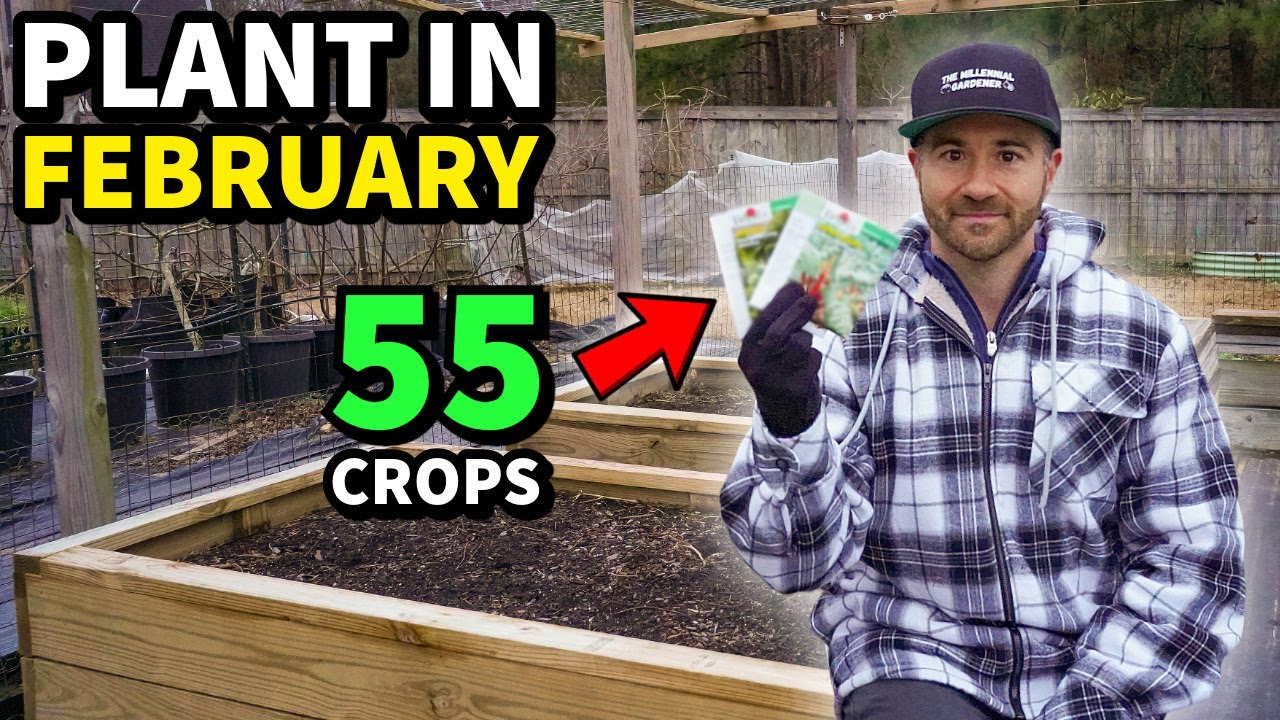
It’s time for you to prepare your garden for the upcoming season by planting these 55 essential crops in February. Whether you’re a seasoned gardener or just starting out, these crucial planting tips will help you kick off your gardening journey and enjoy a bountiful harvest later in the year.
Introduction
Ah, February—the month of whispered promises and half-hearted attempts at optimism, nestled awkwardly between winter’s icy grip and the budding promise of spring. While many are tempted to hibernate, cozy under blankets with a mug of questionable coffee, seasoned gardeners know that February is the secret handshake of the growing season. Yes, despite the frostbitten toes and the unrelenting gray skies, this is actually the perfect time to start planting seeds—if you know what you’re doing. And lucky for you, you can plant up to 55 different crops from seed right now, setting the stage for a lush garden that will have neighbors marveling and doubting your sanity all at once.
The magic lies in understanding that February is more than just the month of snow and short days—it’s the launch pad for a bounty of fresh vegetables, fragrant herbs, and vibrant greens. Whether you’re a seasoned plotter with a greenhouse or someone just dipping their toes into gardening from a tiny balcony, this period is your window of opportunity. From starting seedlings at home to building hoop houses that withstand winter’s wily mood swings, there’s no better time to turn dirt, or dirt substitutes, into your personal farmstead.
So, grab your trowels, seed packets, or even a sturdy old pair of rain boots, because we’re about to embark on a botanical adventure—one that transforms February from a languid lull into the roaring start of a harvest season worth bragging about.
The February Gardening Window: Why This Month Is Prime Time to Start Seeds
When the calendar nudges into February, many people shrug, thinking, “Too soon,” and queue up Netflix instead. But that sluggish attitude misses the point entirely. February is like the best-kept secret of gardening—an invisible bridge between the dormancy of winter and the lush abundance of summer. The sky may be mostly gray, and your breath might frost in the air, but underground, life is stirring. Under the light of grow lights or in heated greenhouses, seeds begin their journey—germinating quietly, preparing to sprout their green flags in the sun.
Planting seeds in February isn’t just about beating the spring rush; it’s about giving your plants a head start that can translate into earlier harvests and bigger yields. Think about it: You’re essentially giving your future salads and stir-fries a running start while others watch the calendar nervously, waiting for the right date. This is the month when the right soil mix, some organic fertilizer, containers, and a bit of patience work magic—transforming barren windowsills or basement corners into miniature nurseries filled with the promise of edible green magic.
Even if you’re frost-prone or just wary of the cold, don’t let that hold you back. You can shield seedlings under row covers, build a low-cost hoop house, or invest in a grow light setup. The goal? To give those tiny seedlings an environment that whispers, “You can do this,” despite the dull winter outside. Because when you start seeds in February, you’re not just planting vegetables—you’re cultivating hope, resilience, and the satisfaction of turning dirt into dinner.
The 55 Crops That Thrive When Started in February
Imagine a pantry stocked with vibrant greens, root vegetables bursting with soil’s unspoken promise, and herbs that scent the air in early spring. Now, realize you can have all that—by planting up to 55 different crops from seed this very month. Yes, your garden can be brimming with arugula, beets, bok choy, broccoli, cabbage, carrots, and so much more, all sprouting happily in February’s cool embrace.
Starting these crops from seed in early spring isn’t just about variety; it’s about timing. Smaller, tender plants like arugula and bok choy love the cooler days and thrive under the glow of a grow light or in a sheltered corner. Root crops—beets, carrots, radishes—prefer the cooler soil to develop sweetness without the bitterness that often accompanies summer heat. Broccoli, cabbage, and Brussels sprouts will need some extra support with a heat mat or greenhouses but reward you with chunky heads and flavorful stalks if cared for properly.
The beauty of sowing these crops in February lies in the exponential growth window it offers. Plants like kale and Swiss chard can be transplanted outdoors as early as March, giving you a head start on their respective seasons. And with just a few strategic steps—using organic fertilizers like Fish Fertilizer or Bone Meal, and employing protective techniques like insect netting—you turn your tiny seed-starting venture into an army of healthy, vigorous plants ready to weather early spring’s unpredictable moods. February transforms from a month of waiting to one of eager anticipation, primed for a prolific garden harvest.
Building Your Indoor Garden Sanctuary: Tips and Tricks
Let’s face it: gardening in February can sometimes feel more about crafting the perfect little universe to nurture your green charges than about the plants themselves. This is where the art of building an indoor garden sanctuary truly shines. Fancy greenhouses are great, but if you’re like most of us, you’ll be improvising with what’s available—an unused closet, a sunny windowsill, or a corner shrouded in less-than-ideal light.
First and foremost, invest in decent grow lights—LEDs that mimic the sun without cheating you out of your electric bill. These are your seedlings’ best friends, especially when natural daylight is scarce. Combine that with seedling heat mats to encourage germination and sturdy growth, and you’re well on your way to a thriving indoor nursery. Use self-watering planters to reduce fuss and ensure consistent hydration; these little marvels keep your seedlings from drowning or wilting in the same breath.
Protection is key in February—cover your young plants with row covers or shade cloths if they’re venturing outdoors. Insect netting can also be a lifesaver, warding off early cabbage worms and aphids before they can become a problem. Think about humidity controls—using a simple humidifier or even DIY obstacles like plastic wraps—to keep seedlings happy. With a dedicated space, the right tools, and a sprinkle of patience, your home-grown garden will flourish, turning even the gloomiest winter days into a celebration of verdant potential.
Transplanting seedlings into your garden: Timing, Tips, and Tricks
Once your seedlings are stocky, vibrant, and just stubborn enough to refuse to topple in a stiff breeze, it’s time for the big move—transplanting them into the garden. But patience is a virtue here. Rushing this process can leave your young plants vulnerable to shock, frost, and a bit of garden gossip—not that anyone notices, but your plants might.
Start by selecting the right day—preferably after a warm rain or a sunny forecast—since moist soil and sunnier skies help seedlings settle in. Gently tease the roots free from their starter pots, taking care not to damage the tender tips. A trick of the trade? Harden off your plants: place them outdoors for a few hours each day, gradually increasing exposure, so they’re not overwhelmed by the “big garden” just yet. This step builds resilience against wind, sun, and that curious neighbor’s dog.
When transplanting, enrich the soil with organic amendments, like Bone Meal or Espoma PlantTone, which provide the nutrients your plants crave. Dig wide, shallow holes, and water generously afterward, establishing a nurturing environment for roots to stretch out and explore. If the weather is chilly, consider building a simple hoop house or using row covers to shield your garden’s newest arrivals. With a gentle touch and good timing, you’ll see those seedlings shrug off their urban cocoon—ready to grow tall and strong in their new outdoor home.
Frequently Asked Questions
How do I know when it’s safe to transplant seedlings into my outdoor garden in February?
Transplanting safely hinges on the “last frost date” in your area. Typically, local extension offices or gardening apps can tell you this magic number—often late March or early April, depending on your latitude. Look for a few host nights with temperatures above 32°F (zero Celsius), and be mindful of sudden cold snaps. Harden off your seedlings by gradually exposing them to outdoor conditions over a week, incrementally increasing their outdoor time to build resilience. Checking soil temperature—aim for above 45°F (7°C)—also helps prevent shocking your delicate plants.
Can I grow all my favorite vegetables from seed in February, or are some better started later?
While February is fantastic for starting many crops—including greens, root vegetables, and brassicas—some prefer to wait until the soil warms up. Tomatoes, peppers, and eggplants, for example, generally like it a little warmer than February’s typical climate can provide. For these, seeds are better sown indoors and transplanted only after danger of frost has passed. On the flip side, hardy crops like kale, radishes, and arugula thrive with an early start. The trick is to match your planting schedule with your local climate and be flexible—sometimes, a little frost protection can make all the difference.
What are the best organic fertilizers to give my seedlings a healthy boost?
Organic fertilizers like Fish Fertilizer provide a liquid feeding rich in nitrogen—perfect for lush leafy growth. Bone Meal is an excellent phosphorus source, aiding root development and flowering. Espoma PlantTone offers a balanced blend of macro and trace minerals, nourishing your plants naturally. The key is to apply these organic amendments thoughtfully, adhering to package instructions, and avoiding overfeeding. With patience and care, your seedlings will develop into vigorous, nutrient-packed plants ready to conquer the garden.
How can I extend my gardening season beyond February?
Building a hoop house or using plastic row covers can create a microclimate, protecting plants from frost and extending the growing season by several weeks. Using shade cloths during early spring can also shield delicate plants from unexpected cold snaps and late winter winds. Additionally, utilizing seedling heat mats accelerates germination indoors, giving you a jumpstart. Combining these strategies allows your garden to bloom earlier and last longer, making February’s efforts pay dividends well into summer.
Are there any tools or gardening products that make seed-starting easier in February?
Absolutely. High-quality pruning shears make transplanting a breeze; grow bags are portable and excellent for small-space gardening; and LED grow lights simulate the sun’s rays perfectly—minus the UV damage. Seedling heat mats help seedlings emerge faster and develop sturdy root systems. Self-watering planters reduce watering routines, freeing your time for more meaningful garden daydreams. Insect netting and row covers guard against pests and unexpected frosts. Investing in these tools transforms seed-starting from a chore into a delightful ritual—one that rewards you with plants that are eager to grow.
Final Thoughts
February might be the shortest, gloomiest month on the calendar, but it’s also the most underrated. It’s that sneaky gateway where dreams of harvests and happy, leafy greens begin whispering possibilities into your ear. With a little planning, some sturdy tools, and a willingness to brave the cold, you can turn your indoor space into a jungle of burgeoning life, quickly translating into a garden full of promise come spring.
Gardening in February isn’t just about planting—it’s about planting hope, patience, and a touch of rebellion against winter’s monotony. When those tiny shoots peek out, resilient and defiant, they’ll remind you that even in the darkest months, nature’s resilience shines through. So, get your seeds, embrace the chill, and remember: the best time to start your garden is always just before you think it is. Happy planting!