Discover the secret to a flourishing garden by truly understanding and caring for your soil. Your soil is the foundation of your garden’s success—nurture it properly, and you’ll enjoy a bountiful harvest. But ignore its needs, and your efforts could easily fall short. Let’s explore how loving your soil is the key to thriving plants and a vibrant, productive garden.
Love Your Soil: The Key to a Thriving Garden or a Failed Harvest
Introduction
Imagine this: you’ve spent weeks donning your gardening hat, wielding your tools like a seasoned warrior, only to find your plants struggling, their leaves limp and forlorn—your dreams of lush zucchinis and ruby-red tomatoes wilting before your eyes. Frustrating, isn’t it? But beneath this tragic saga of horticultural failure lies an often overlooked hero: the soil. That stubborn, seemingly inert patch of earth holds the secret to a flourishing garden or a disappointing flop. Nurture it well, and it becomes your silent accomplice in cultivation—rich, alive, brimming with potential. Neglect it, and even the most ambitious green thumb is left throwing dirt in the wind, wondering why nothing grows. Welcome to the world where love for your soil isn’t just good gardening advice; it’s the very cornerstone of success.
This isn’t about just tossing seeds into the ground and hoping for the best. No, this is about understanding that your garden’s success hinges on something far more fundamental—soil health. It’s a living, breathing ecosystem, teeming with microscopic critters and organic wonders that dictate whether your plants dance happily or sulk in the shadows. Whether you’re a rookie with a patch of yard or a seasoned gardener building a food forest, the secret to thriving plants begins with respecting your soil’s needs. Prepare to get your hands dirty—figuratively and literally—as we explore how loving your soil invites a harvest that sings of vitality and abundance.
The Crucial Role of Soil Health in Gardening Success
Ever wonder why some gardens flourish with minimal effort while others seem to fight against the very earth they’re planted in? The answer lies right beneath your feet—literally. Soil health is the unsung hero of productive gardening. It’s not just about tilled earth or nutrient sprinkling; it’s about cultivating a thriving environment where plants can develop strong roots and vibrant foliage. Think of your soil as the foundation of a house: if it’s shaky or depleted, everything above becomes unstable. But if it’s resilient and well-fed, your plants will stand tall, resilient against pests, diseases, and the whims of weather.
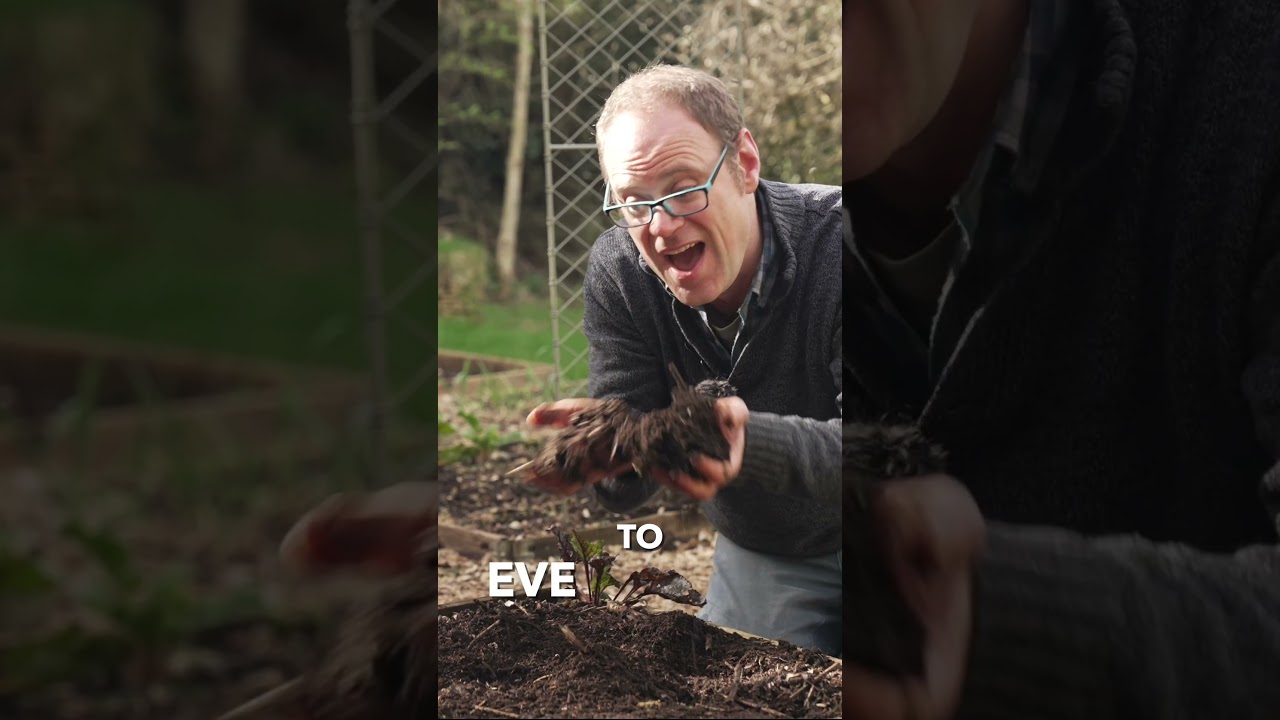
A healthy soil ecosystem functions like a finely tuned orchestra—microorganisms like bacteria, fungi, and earthworms all play their part in maintaining balance. These tiny allies convert organic matter into vital nutrients, aerate the earth, and improve water retention—meaning, your plants drink better, grow stronger, and produce tastier fruits. Your garden’s success depends on nurturing these invisible workers by avoiding harmful chemicals that can disturb their harmony and instead focusing on organic inputs. Adding well-rotted manure or compost isn’t just a feel-good act; it’s a strategic move that boosts soil fertility, ensuring your garden isn’t just surviving but thriving with lush greenery and bountiful yields.
But let’s be honest—treating soil as a living partner requires a mindset shift. It’s easy to forget that the dirt beneath our feet is an ecosystem demanding care and attention. Think of it as planting a seed in love; give it organic matter generously, keep it free from synthetics, and watch how it transforms into a fertile playground for your plants to flourish. After all, a vibrant soil supports better crop growth, resulting in higher yields and a garden that feels less like a battle and more like a triumph. Love your soil, and your garden will love you back.
Practical Steps to Nourish Your Soil for Abundant Growth
Now, if you’re itching to transform that patch of earth into a paradise, it’s time to get practical—without stripping the soil of its life. Step one: bolster your soil with organic matter. Nothing screams ‘healthy soil’ like well-rotted manure, compost, or leaf mold. Before planting your favorite veggies, mix a generous layer of organic goodness into the topsoil. Picture it as giving your soil a nutritious breakfast that keeps it energized for the seasons ahead. This step isn’t just about nutrition; it’s about creating a thriving habitat where beneficial microbes multiply, ensuring your plants are fed from the roots up.
Keep in mind, sustainable gardening is a long-term affair. Regularly incorporating compost or other organic inputs prevents the soil from becoming tired and depleted. Think of it as a weekly spa treatment for your earth—refreshing, rejuvenating, and vital for sustained vitality. When your soil is teeming with life, it improves water retention, reduces erosion, and progressively enhances its structure. The more organic matter you add, the stronger the foundation for strong, healthy plants. And if you’re unsure about planning your garden layout or optimizing planting times, a free trial of the Garden Planner can help. Platforms like GrowVeg offer personalized tools that turn soil management from guesswork into a science, guiding you to plant where and when your soil most benefits.
Finally, remember to go chemical-free wherever possible. Organic gardening inputs naturally elevate soil nutrients without the risk of long-term contamination. With patience and love, your soil becomes an eco-friendly haven—supporting plant health and fostering a garden that celebrates life beneath the surface just as much as above. Loving your soil isn’t just an act of kindness; it’s the secret ingredient in harvesting bounty that truly satisfies.
The Interconnection Between Soil Fertility and Plant Vitality
There exists an almost magical bond between soil fertility and the health of your plants—a symbiosis that’s more intricate than a soap opera plot. When your soil is rich in nutrients, teeming with microorganisms, and free from harmful chemicals, your plants respond by growing sturdily, flowering superbly, and producing fruits that taste like sunshine distilled into edible jewels. Conversely, depleted, poorly managed soil can turn even the most enthusiastic gardener into a skeptic. It’s as if plants can sense that they’re out of their element and respond with weak stems, pale leaves, and a sad inability to produce.
Healthy soil isn’t just about adding nutrients; it’s about maintaining a balanced ecosystem where organic matter sustains microbes, earthworms aerate the ground, and plants support a continuous cycle of life. This balanced environment promotes better crop growth and, ultimately, higher yields. When soil health is prioritized, you notice the difference: sturdier seedlings, V-shaped roots, and vibrant foliage that beckons the bees and butterflies. Those exquisite zucchinis, plump tomatoes, and fragrant herbs are all fruits of your dedication to nurturing the soil—proof that loving your earth yields tangible rewards.
Sustaining soil vitality requires diligent effort: regular composting, organic inputs, and careful management of watering habits. And it’s not just about immediate gratification; it’s investing in the long game. The more organic matter you incorporate, the more resilient your garden becomes to drought, pests, and diseases. Think of it as planting a living, breathing investment in your future harvest. And if you want to get geeky about optimizing your efforts, a quick visit to GrowVeg or downloading a free abridged version of a seasoned gardener’s book can give you an edge. When you nurture the land, you nurture your garden, and in turn, the garden nurtures you.
Frequently Asked Questions
How can I improve my garden soil naturally without relying on chemicals?
Improving soil naturally begins with adding organic matter—compost, well-rotted manure, and leaf mold are your best friends. Not only do they enrich the soil, but they also introduce beneficial microbes that support plant health. Techniques like crop rotation and cover cropping help maintain soil structure, preventing erosion and nutrient depletion. Keep soil free from chemicals by opting for organic pest control methods and avoiding synthetic fertilizers, thus fostering a robust, balanced ecosystem beneath your feet.
What are some signs that my soil is unhealthy or needs amendment?
Signs of soil distress include poor root development, yellowing leaves, and uneven plant growth. If water drains poorly or the earth feels compacted and lifeless, your soil might be lacking organic matter or has been overused with chemicals. Edaphic issues often resemble a plant’s scream for help—dull foliage, pest infestations, and stunted growth. Conducting soil tests can provide clarity and guide amendments. When in doubt, a generous layer of compost can often turn the tide, revitalizing the soil’s vitality.
How often should I add organic matter to my garden soil?
For sustained soil health, incorporate organic matter at least twice a year—preferably in the spring and fall. Regular addition of compost or well-rotted manure keeps nutrients replenished and soil structure intact. Think of it as a health regimen for your earth—consistent, nurturing, and vital. Over time, this practice creates a resilient soil ecosystem capable of supporting vigorous growth season after season without chemical interventions.
Can compost significantly boost my soil’s fertility?
Absolutely. Compost is like a superfood for soil—rich in nutrients and full of beneficial microbes. It improves soil fertility, texture, and moisture-retaining capabilities. Adding compost isn’t just about feeding plants; it’s about rebuilding the intricate web of life underground that makes all plant growth possible. When used regularly, compost elevates your gardening efforts to an eco-friendly, sustainable level—strengthening the foundation of your entire garden.
What’s the best way to start loving my soil if I’ve neglected it for years?
Start small—add layers of organic matter, reduce chemical inputs, and observe how the soil begins to change. Use compost and organic fertilizers freely, keep the soil moist but not waterlogged, and avoid tilling excessively, which can disturb beneficial microbes. Over time, you’ll observe healthier plants, improved soil texture, and a burgeoning micro-ecosystem. Embracing a soil-centric mindset transforms gardening from a chore into a passionate act of love, ensuring your garden’s long-term success.
Final Thoughts
Loving your soil isn’t just about planting seeds and hoping for the best; it’s an ongoing relationship, built on understanding and respect. When you treat the earth as an active partner, not just a medium for planting, your garden transforms into a vibrant tapestry of life—an ecosystem thriving beneath your feet, whispering secrets of fertility and resilience. It’s a lesson in humility, patience, and the sheer joy of working with nature instead of fighting against it. So next time you till your plot or sprinkle your organic inputs, remember: your victory lies in the soil’s vitality. Feed it well, nurture it daily, and watch as your garden rewards you with abundance, beauty, and the profound satisfaction that comes from loving what sustains us most—our earth.