Discover how you can transform your small garden into a thriving space with double the harvest. By mastering vertical growing techniques, you’ll make the most of every inch and enjoy bountiful yields all season long. Get ready to elevate your gardening game and maximize your harvest—your lush, productive garden awaits.
Introduction
Imagine squeezing into your tiny backyard or cramped balcony, gazing at a patch of dirt with a kind of desperate optimism. If you’re nodding along, perhaps feeling that your garden space is more “cozy” than “expansive,” then welcome to the club of the modern minimalist gardener. Here’s the good news: size isn’t everything—especially when it comes to cultivating a bountiful garden. With clever vertical growing techniques, you can turn even the smallest plot into a lush oasis overflowing with vegetables, herbs, and blooms. It’s like giving your garden a tall glass of ambition.
While traditional gardening might suggest sprawling beds and sprawling patience, vertical gardening invites you to think upward—like a pragmatic plant’s skyscraper. This approach doesn’t just save space; it doubles down on productivity, allowing you to harvest more in less room. The secret? It’s about working smarter, not harder, and embracing the vertical axis as your new best friend. Whether you’re growing on a tiny balcony or a suburban backyard corner, vertical gardening can teach you that, sometimes, the best way to maximize your small garden is to hang, climb, and stack your way to abundance.
And if you ever feel overwhelmed by the prospect of mastering this technique, fret not. You can try a free, no-obligation Garden Planner trial at GrowVeg.com—because having a plan makes the vertical journey all the more rewarding. Plus, downloading a free abridged version of Ben’s book for gardening tips can give you some pro insights without forcing you to become a full-time botanist. So, strap in—your mini garden’s ascent is about to start.
The Art of Growing Up: Why Vertical Gardening Works
In the world of tiny gardens, you quickly learn that space is a precious commodity—like trying to fit an elephant into a compact sedan. Vertical gardening is the botanical version of cunningly hiding the elephant in plain sight. It’s an artful dance of plant placement that makes your garden look less like a cramped hobby and more like a curated backyard gallery. The benefits are countless: you double your harvests without expanding your garden’s footprint, and you add a splash of visual intrigue that transforms your space into a living, breathing sculpture.
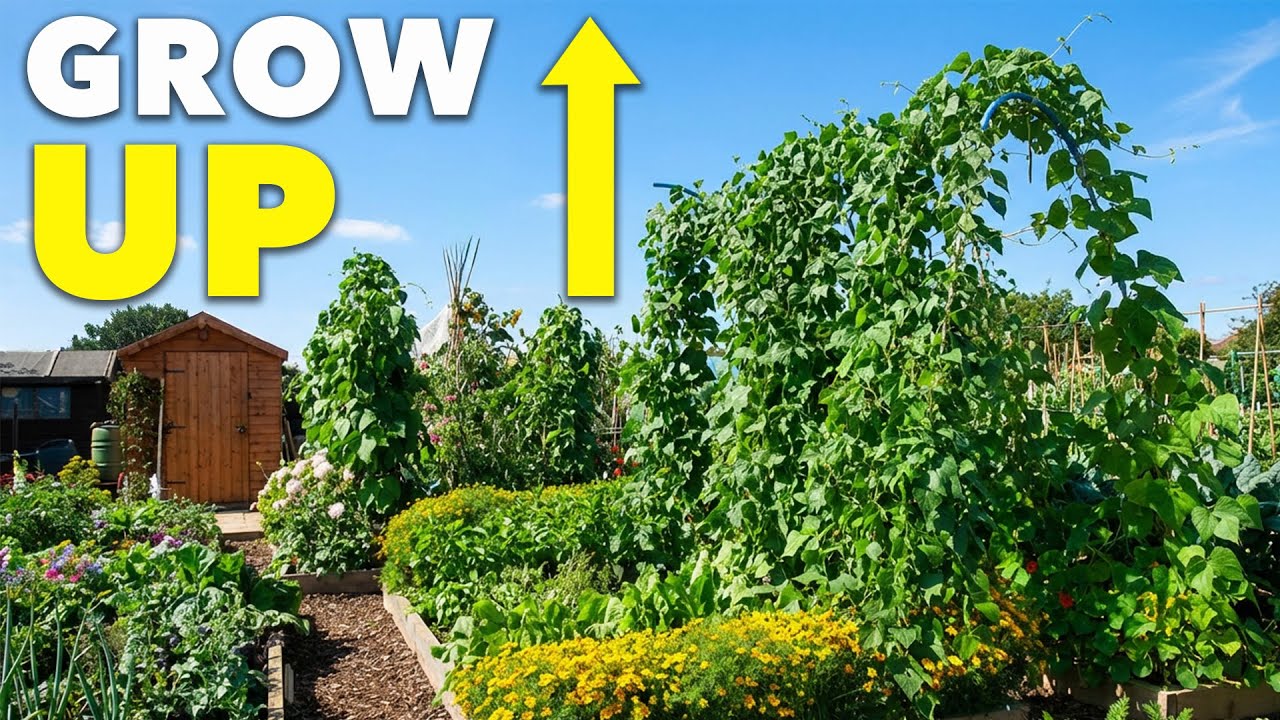
Growing upward isn’t just practical; it’s profoundly satisfying—like discovering that your thumb isn’t just green but actually magnetic. Ben, our resident gardening guru, demonstrates simple vertical growing methods suitable for various crops, from lush tomatoes to fragrant basil. He shows how an ordinary wall or a rickety trellis can become a thriving jungle of productivity. Vertical gardening adds depth, texture, and an undeniable wow factor—your garden becomes a layered storybook rather than a flat tableau. Plus, it’s an exciting challenge to see how inventive you can get with cages, hanging baskets, or even repurposed pallets.
This technique isn’t just about stuffing plants into tiny corners; it’s about maximizing every inch to boost your harvest while keeping the aesthetic rich and vibrant. Growing upwards allows you to make the most of limited space without sacrificing beauty or yield. A garden that invites you to look up is a garden that invites curiosity, creativity, and a sense of accomplishment. It’s gardening with a purpose—more yield, more visual appeal, and an unexpected sense of adventure every time you glance upward.
Watch Jacques’ full garden tour to get inspiration for your own garden
Simple Vertical Techniques for Every Garden
Now, let’s talk about the nuts and bolts—those easy, no-fuss vertical growing methods that even a reluctant gardener would find charming and approachable. Ben, with the patience of a seasoned teacher and the flair of a garden show host, demonstrates how anyone can implement vertical growing techniques suitable for various crops. Whether you’re dealing with a narrow balcony or a corner of your yard, he shows how simple materials like bamboo sticks, ladder trellises, or wall-mounted pockets can turn a blank wall into a food-producing masterpiece.
Implementing vertical techniques can be as straightforward as hanging a few pots on a sturdy wall or installing a wire mesh from corner to corner. Ben emphasizes that growth doesn’t always have to be complicated or expensive—often, it’s about thinking creatively. For instance, cascading beans can turn a sunny, overlooked spot into an eye-catching centerpiece. Tomatoes, cucumbers, and peas thrive when trained vertically, freeing up ground space for root vegetables or herbs, which don’t mind staying close to their base. The key is to understand your crops’ needs and give them climbing allies to reach toward the sun.
Using these methods is practically like playing plant Tetris—fitting more greenery in less space but with style. Growing up not only produces more food but creates a lush, layered landscape that feels alive and dynamic. Imagine your garden, not as a flat patch but as a verdant skyscraper, where every tier contributes to a wondrous harvest. With a little know-how and a dash of patience, you, too, can transform a humble yard into a vertical wonderland, all while enjoying the process more than ever.
Explore the Epic garden tour video for even more ideas and inspiration
Double Your Harvests: Strategies to Grow Vertically for Maximum Yield
If your goal is to turn a modest patch into an overflowing feast, then vertical growing is your secret weapon. Growing upwards allows you to double, triple, or even quadruple your harvest—no, this isn’t gardening hype, it’s science, or at least a very practical gardening trick. Seeds that would otherwise be stifled in limited ground space thrive when given a vertical platform to climb, twist, and flourish. The sky’s the limit—literally—so why not maximize your garden’s potential by growing up?
Ben’s favorite vertical growing methods for better yield focus on practicality and simplicity. His tips include using trellises, hanging baskets, and vertical beds—each designed to optimize space and sunlight. For small gardens or patios, these methods are a game-changer, turning minimal space into abundant harvests. Growing upwards not only saves space but adds a new depth and dimension to your garden—think of it as turning a flat landscape into a three-dimensional paradise.
The benefits extend beyond efficiency. Vertical gardening enhances your garden’s visual appeal, creating a lush, layered aesthetic that’s as pleasing to the eye as it is to your plate. A vertical garden invites curiosity—neighbors stop by to ask how you managed such a bounty, and you can proudly claim it’s all thanks to a little vertical vision. As you start growing upwards today, you’ll see how easy it is to create a lush, productive, and stunning garden—one that challenges the idea that bigger is better, proving instead that smarter is always more fruitful.
Use these techniques to make your garden more stunning and fruitful
Frequently Asked Questions
How can I set up a vertical garden in a small urban space without much experience?
Starting small is the secret. Begin with basic materials like hanging baskets, wall-mounted planters, or even repurposed pallets. Choose crops suited for vertical growth, such as climbing beans or cherry tomatoes, which require simple support structures. The key is to plan your layout—try a free, no-obligation Garden Planner trial at GrowVeg.com to visualize the space. Watching a few online tutorials, like Jacques’ full garden tour, can offer both inspiration and practical tips. Remember, it’s about patience and experimentation; soon, you’ll be surprised how much yield you can cram into a tiny footprint.
What crops are best for growing vertically, and how do I train them?
Many vegetables and herbs thrive vertically—think cucumbers, pole beans, peas, and cherry tomatoes. Start training them by installing trellises, cages, or vertical frames. Ben demonstrates how to do this with minimal fuss, emphasizing that the best support is one that’s sturdy and easy to access. As your plants grow, gently tie or guide the stems upward, encouraging the plant to climb rather than sprawl. The beauty of vertical cropping is that it keeps pests at bay, increases airflow, and makes harvesting a breeze—no more bending over in sore knees.
How does vertical gardening improve my garden’s aesthetics?
Vertical gardening isn’t just functional—it’s an aesthetic upgrade. Layered plants, colorful climbers, and neatly arranged supports turn your garden into a living sculpture. A vertical setup adds visual interest, making your space look lush and dynamic rather than cluttered. It draws the eye upward, creating a sense of height and grandeur even in the smallest patches, transforming mundane outdoor areas into captivating landscapes. It’s gardening as art, where practicality and beauty walk hand in hand.
Can vertical gardening really double my harvests?
Absolutely. By giving plants room to grow upward, you’re effectively increasing your growing area without adding square footage—like turning your tiny yard into a high-rise garden. This technique allows multiple crops to coexist in the same footprint, maximizing productivity. For instance, you can plant root vegetables beneath climbing vines, or set up a two-tier system of herbs and vegetables, each flourishing in its vertical niche. It’s about strategic placement and clever design, which Ben highlights in his seasonal tips for better yields.
Is vertical gardening suitable for all types of plants?
While many crops love the vertical approach, not all are suited for climbing or hanging support. Leafy greens, carrots, and root vegetables prefer their ground. However, with a little planning, many plants can be adapted—zucchini and pumpkins can be trained, and leafy herbs like basil or mint thrive in wall-mounted pockets. The trick is understanding each plant’s needs and giving them the right support. With patience and finesse, vertical gardening can accommodate most crop types, transforming your small garden into a versatile, productive sanctuary.
Final Thoughts
Maximizing your small garden through vertical growing techniques isn’t just pragmatic—it’s transformative. It invites you to see your garden from a new perspective, quite literally upwards, revealing hidden potential that lies beyond traditional ground space. With a little ingenuity, some simple supports, and a dash of perseverance, you can double your harvests, elevate your garden’s beauty, and turn a modest patch into a lush, fruitful sanctuary.
Gardening, after all, is an act of optimism—believing that even in the smallest spaces, life can flourish wildly and beautifully. So, start growing upwards today, and watch your garden reach new heights—literally and figuratively. After all, the only limit to what you can harvest is how high you’re willing to climb.