Are you ready to transform your garden into a thriving paradise? Understanding the five essential types of soil is the first step toward achieving lush, healthy plants. By mastering the fundamentals of soil science, you can make smarter planting decisions, optimize your garden’s health, and enjoy abundant blooms and crops. Let’s explore what you need to know about these vital soil types to elevate your gardening game.
Introduction
If you’ve ever found yourself trudging through your garden, palms sweaty with anticipation or frustration, staring at the uneven patches of earth, you’ve probably wondered: what’s really going on underground? It’s a cosmic dance of nutrients, organic matter, and microbial mischief—a subterranean soap opera that determines whether your tomatoes thrive or your tulips pout. Welcome to the mysterious world of soil, the unsung hero of every flourishing garden. Understanding the five essential types of soil isn’t just a botanical hobby; it’s a survival skill, a key to turning your patch of earth into botanical bliss. Think of it as learning the language your plants speak—sometimes shy, occasionally loud, always essential. So, buckle up as we embark on a journey to dissect the five fundamental soil types, understand their quirks, and learn how to use each to turn your garden from a mediocre patch into a verdant, thriving paradise.
The Building Blocks: What Are the Five Types of Soil?
Imagine soil as a giant, unassuming buffet—an elaborate smorgasbord that caters to plants’ every whim, if only you know where to look. The five major types—sandy, clay, silt, loamy, and peat—each have their own personality, their own set of rules, and most importantly, their own potential for garden greatness or disaster. Sandy soil, for example, is the carefree teenager of the group: quick to drain, sometimes too quick, never holding onto nutrients for long. Clay, on the other hand, is the heavyweight champion—sturdy but stubborn, holding nutrients like a squirrel hoards acorns, yet prone to becoming dense and unyielding when overworked.
Silt is that quiet, almost shy type—finer than sand but not quite as clingy as clay, offering a smooth, velvety feel that’s perfect for delicate roots. Loamy soil straddles the line between the extremes—soft, crumbly, and just the right balance of drainage and moisture retention—often regarded as the gold standard among gardeners. Then there’s peat: an organic powerhouse, historian, and harbinger of acidity, making every garden feel like an acid trip—literally—if you aren’t careful with its use. Each of these soil types has a story to tell, and understanding their quirks is your first step toward becoming a soil-savvy gardener who can coax the best from every inch of earth.
Knowing the differences between these soil components isn’t merely academic; it’s foundational knowledge that influences how you prepare your beds, what amendments you add, and how you troubleshoot poor plant performance. For instance, if your garden is predominantly sandy with quick-draining tendencies, you may want to explore adding organic matter or compost—best learned via the GrowVeg compost masterclass with Charles Dowding, which is available to watch at this link. Or, if you’re uncertain about your soil’s makeup, you might consider trying the Garden Planner for free with no obligation, accessible here: https://www.GrowVeg.com/grow-planner-free. The more you understand these foundational elements, the better you can tailor your soil management practices—ultimately transforming your patch of dirt into a lush, resilient garden.
How to Recognize and Improve Your Soil Type
Here’s where the fun (and frustration) really begins: identifying what kind of earth you’re dealing with—an art as much as a science. The classic ‘feel test’ is a gardener’s best friend; grab a handful of soil, give it a squeeze, and observe. Does it crumble immediately like a dry cookie? Chances are you’ve got sandy soil. Does it form a sticky ball and resist breaking apart? Say hello to clay. If it feels crumbly yet slightly damp, you’re probably holding silt. Now, visual cues help too—look for color, grain size, and how it reacts to water. But for the truly serious, there’s no substitute for a proper soil test, which will analyze pH, organic content, and nutrient levels.
Improving soil isn’t as intimidating as it sounds. For sandy soils, the secret sauce is organic matter—think compost, leaf mold, and well-aged manure—that acts like a sponge, helping the soil retain moisture and nutrients. When you’re ready to dive deeper, why not explore the “soil components” for effective amendments? These are the suprisingly simple tools, like compost or mulch, which can turn a barren patch into a thriving ecosystem. A free abridged version of Ben’s book, available for download at this link, provides practical tips to enhance your soil’s health, advising on exactly how to work organic amendments into your garden beds.
For clay soils, the approach involves breaking up dense clumps and boosting drainage by incorporating grit or sand—though often the key is patience and gradually building structure over time. Silt? It’s about maintaining that delicate balance—adding organic matter to prevent compaction but avoiding over-tiling, which can lead to erosion. The most vital skill is understanding what your soil needs—a concept reinforced by watching Charles Dowding’s compost masterclass. For a more hands-on, DIY approach, try testing your soil with simple methods, then gradually matching amendments to your soil type. When you understand the components, you’ll be armed with the knowledge to create a thriving garden environment that’s resilient against pests, diseases, and droughts.
Developing Your Soil Knowledge: Practical Steps and Resources
Now that you’ve identified your soil’s personality, what’s next? The key to gardening success is ongoing education—because soil, much like people, is full of surprises and complexities. One of the best steps you can take is to immerse yourself in expert advice and free resources. GrowVeg offers a trove of helpful content, including the aforementioned free trial of their Garden Planner, perfect for mapping out soil amendments and crop rotations. This intuitive tool can help you visualize your garden layout and plant compatibilities—imagine having an architect’s blueprint for your dirt.
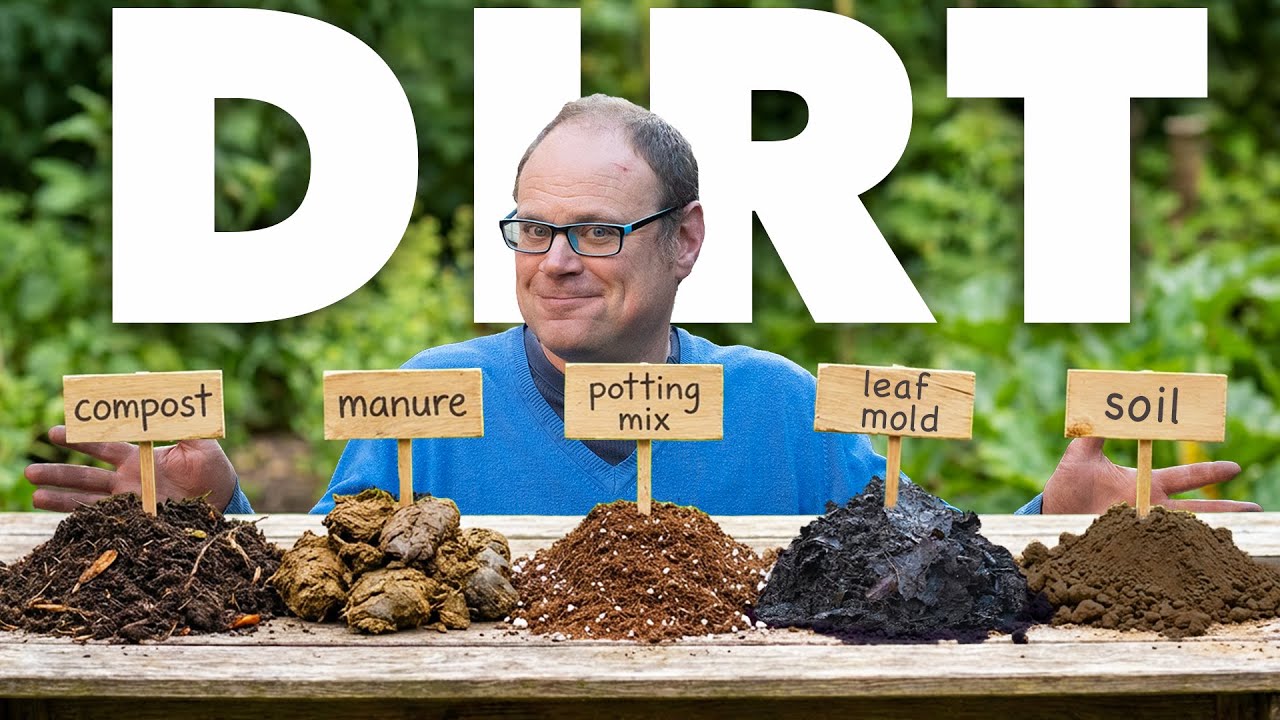
Complement this by diving into the wealth of online tutorials—such as the compost masterclass with Charles Dowding—that demystify composting and soil improvement. These lessons are invaluable, especially for beginner gardeners eager to boost their soil’s natural fertility without breaking the bank. Additionally, understanding the differences between soil, compost, manure, leaf mold, and mulch is crucial: each component serves a unique purpose in nurturing healthy plants. For example, compost enriches, manure adds nutrients, leaf mold improves soil structure, and mulch retains moisture and suppresses weeds.
Increase your gardening confidence by experimenting with soil amendments tailored to your specific garden environment. Gather free resources like Ben’s abridged book, downloaded at this link, and combine this knowledge with real-world practice. The secret weapon, of course, is patience—improving soil is a gradual process, but one that yields rich rewards over time. Find inspiration from seasoned gardeners who experiment and learn from their successes and failures, transforming mere earth into a foundation of flowering glory.
Frequently Asked Questions
1. How can I tell if my soil is too acidic or alkaline for my plants?
Determining soil pH is straightforward with testing kits, many of which are available at garden centers or online. The pH level affects nutrient availability—acidic soils are great for blueberries but hostile to most vegetables, while alkaline soils favor specific plants like lavender. To get a true reading, collect a sample, mix it with distilled water, and use the kit or send it to a professional lab. If your soil is off-balance, amendments such as lime or sulfur can help adjust acidity or alkalinity, guided by expert advice from resources like GrowVeg’s soil component guides.
2. What are the most common soil amendments I should keep on hand?
Organic compost tops the list—rich, versatile, and essential for almost every garden. Leaf mold helps improve soil structure, especially in clay-heavy beds. Manure, well-aged and blended, provides a concentrated nutrient boost but requires careful handling to avoid burning tender roots. Mulch, bark, straw, or grass clippings serve two purposes: weed suppression and water conservation. Learning to use each amendment effectively can dramatically improve your garden’s health, turning a struggling patch into a verdant wonderland.
3. Why is my soil draining poorly, and what can I do about it?
Poor drainage often points to dense clay or compacted soil. To fix this, incorporate coarse grit or sand to open up the structure or add organic matter that gradually loosens soil over time. The process is slow but rewarding—think of it as therapy for your garden. Effective drainage promotes healthy root growth and prevents root rot, especially in rainy climates. Remember, no single fix works overnight; patience, consistent organic amendments, and some expert advice from referenced masterclasses will help you create a soil environment that’s the very definition of thriving.
4. Can soil amendments help if my plants are showing signs of nutrient deficiency?
Absolutely. Pale, stunted plants often signal deficiencies—most commonly nitrogen, phosphorus, or potassium. Soil testing can identify the specific lacking nutrients, allowing you to address deficiencies precisely with targeted amendments. Organic options, like blood fish and bone meal or seaweed extract, can provide a gentle, sustained boost. Enhancing soil health through composting and mulching also encourages beneficial microbes that naturally improve nutrient uptake, making your plants stronger and more resilient.
5. How often should I amend my garden soil?
It depends on your garden’s needs, but a general rule is to integrate organic amendments annually or biannually—especially in areas with heavy clay or sandy soils. Regular top-dressing with compost or leaf mold keeps nutrients replenished and soil fertile. If you’re testing and learning, keep a gardening journal to track changes and outcomes. Remember, soil health is a living process; nurture it patiently, and your plants will reward you with bounty and beauty.
Final Thoughts
Mastering the five essential types of soil is more than a technical endeavor; it’s an act of understanding and respect for the earth beneath your feet. Each type—whether sandy, clay, silt, loamy, or peat—offers a different challenge, a different promise. When you learn to identify, improve, and work with these soil varieties, gardening ceases to be a hopeful gamble and becomes a deliberate craft, rooted in knowledge and patience. With resources like GrowVeg’s free trial, expert masterclasses, and downloadable guides, there’s never been a better time to get your hands dirty and turn your garden into a lush, welcoming sanctuary. Remember, soil isn’t just dirt—it’s the foundation of life, and with a little effort, it can be your greatest gardening ally. So go ahead, dig deep—your garden’s future depends on it.