
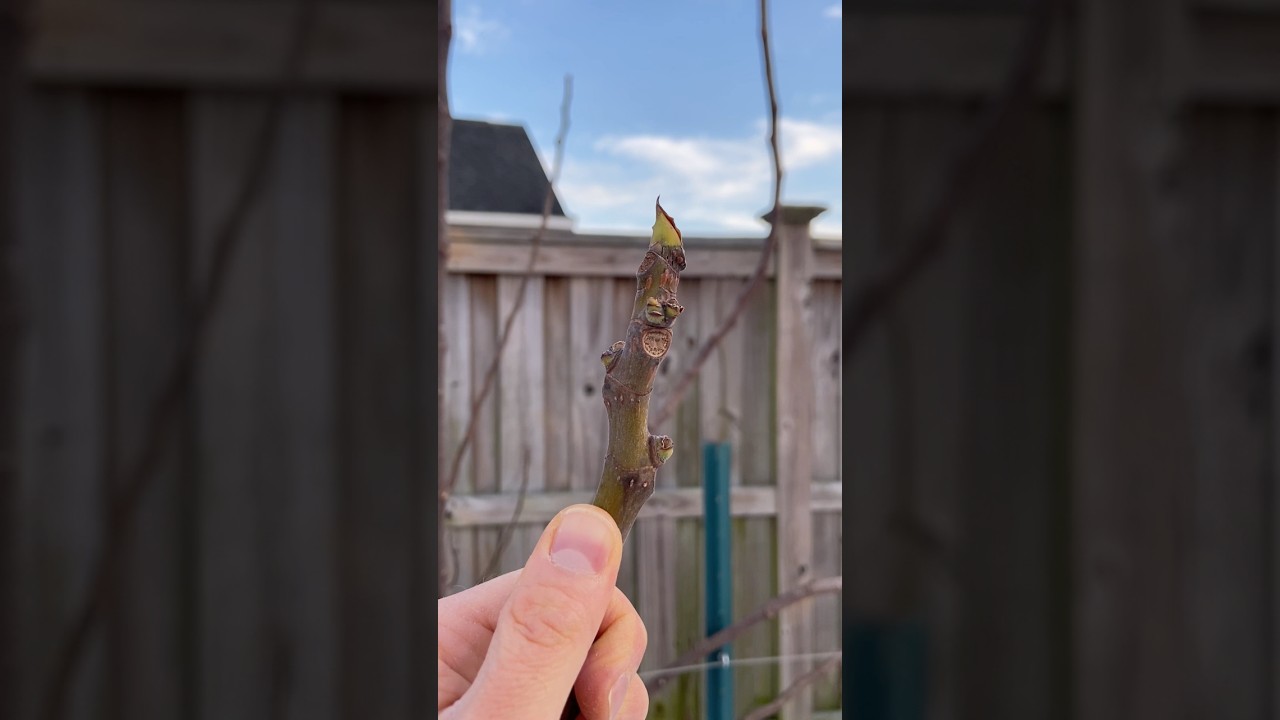
Are you concerned about the impact of cold weather on your fruit trees? If so, you’re not alone. In this post, you’ll uncover the truth about cold damage to fruit trees, helping you understand what to expect, how to identify it, and what you can do to protect your trees during harsh winter conditions.
Introduction
In the world of fruit trees, winter isn’t just a season of cozy fires and hot cocoa; it’s a cruel test of resilience. Like humans braving the cold in mismatched socks, trees endure a fierce gauntlet of frost, wind, and unpredictable weather that can leave them looking more like wilted umbrellas than lush providers of summer berries. The truth about cold damage to fruit trees is a story layered with misconceptions, scientific sob stories, and a surprising dash of hope. Whether you’re a seasoned orchard whisperer or an eager homeowner who’s recently discovered that their apples turn to mush after a brutal chill, understanding what cold can really do—and what it can’t—is vital.
Nature’s cold snap can transform an otherwise robust tree into a vulnerable shadow of itself overnight. But is it always the villain we imagine? Or are there ways to bolster your plant friends against the frozen fury? As with most stories in the plant kingdom, the answers lie somewhere in the middle—mingled with a bit of biology, a sprinkle of patience, and perhaps a good pair of gloves. So grab a hot drink and settle in, because uncovering the truth about cold damage to fruit trees might just change how you see, care for, and talk about those stubborn little guys in your backyard.
Understanding the Basics of Cold Damage to Fruit Trees
Cold damage to fruit trees isn’t a simple “it’s cold, therefore the tree is dead” affair. It’s more like a slow-motion ballet of cellular chaos where temperature, timing, and tree species dance together in a complicated choreography. When temperatures plummet, the water inside the tree’s cells begins to freeze—think of it as nature’s version of that freezer burn in the back of your fridge, except with much higher stakes. If ice crystals form inside the cells, they puncture membranes and cause the delicate cellular machinery to shut down or, worse, burst apart.
But not all cold is created equal. A frosty night that dips to 25°F (around -4°C) is one thing; a prolonged freeze lasting for hours is quite another. Some fruit trees have built-in defense mechanisms—like thick bark, specialized sugars, or pre-winter dormancy—that serve as natural armor. For example, hardy apple varieties shrug off early frosts with ease, while tender peach trees might be left looking mid-tornado after a single cold night. Timing is everything; if the cold strikes before a tree has technically gone dormant, the damage can be surprisingly severe. Conversely, a truly prepared tree, much like a well-dressed soldier, can often come through the winter relatively unscathed.
This is also where myths creep in—think of the old wives’ tales warning that “frost kills all fruit blossoms.” While it’s true that a late frost can wipe out an entire crop, the reality is more nuanced. Some trees are tougher, some are more vulnerable, and the interplay of environmental factors like wind, moisture, and soil temperature all influence the outcome. Knowing these mechanics is the first step toward turning a potentially tragic frost season into just a minor setback.
Signs Your Fruit Trees Have Suffered Cold Damage (And What to Do About It)
Detecting cold damage isn’t always as straightforward as noticing the wilting leaves on a hot summer day. Sometimes, the damage lurks beneath the surface, waiting for the right moment—namely, late spring—when branches suddenly wither and fruit simply refuse to develop. The first signs often appear as dieback in the tips of branches, with leaves that turn brown or black at the edges. In severe cases, entire limbs may look like they’ve been dipped in ink.
One of the trickier aspects of cold damage is that it isn’t always immediately apparent. You might pass by your orchard or backyard arms full of optimism only to notice that buds, which should be bursting with promise, look shriveled or dead. Fruit that forms post-frost often turns out misshapen, bitter, or smaller than usual. The insidious part is that some damage is only observable once the growing season unfolds—after all, you don’t realize your peach tree’s been battered until you expect to see lush foliage and instead find a skeleton of what used to be.
So, what’s a concerned gardener to do? First, inspect the affected areas carefully, looking for blackened, cracked, or shriveled bark, and examine those buds tightly wound like tiny champagne corks. If you suspect cold damage, avoid immediate drastic measures—your tree might bounce back. In the following weeks, keep an eye out for new growth, as resilient trees can sometimes recover from minor frost injuries. In the meantime, prune away any clearly dead or damaged branches to improve airflow and reduce disease risk. Applying mulch, watering wisely, and ensuring your soil is healthy can also help roots stay warm and give your trees their best shot at a comeback.
Strategies to Minimize Cold Damage and Boost Your Fruit Trees’ Resilience
Preventative measures are the secret sauce in the cold weather recipe. Think of it as giving your fruit trees a cozy sweater—if only it were as simple as that! The first step is choosing hardy, cold-resistant varieties suited to your climate zone. If you’re planting from scratch, consult local nurseries or extension services—they often have a treasure trove of advice on the best local breeds that weather winter storms without a fuss.
Suppose you already have established trees; then it’s time to enhance their winter armor. Covering young trees with burlap or frost cloths during the coldest nights can act as a thermal buffer, especially around sensitive buds. Installing windbreaks like fences or natural barriers made of shrubs can block that brutal winter wind that dehydrates and chills trees to the bone. If you live in an area prone to sudden temp drops, piling soil or mulch around the base can help insulate the roots, which are often forgotten heroes in winter survival.
Beyond physical barriers, cultural practices bolster cold tolerance too. Avoid pruning late in the season, as it exposes vulnerable tissue to the elements. Keep your trees healthy overall—well-watered and fed—since a stressed tree is less capable of handling frost. For the proactive gardener, embracing a weather eye on local forecasts and anticipating cold snaps allows for preemptive actions—like watering at dusk or covering during the coldest hours. And let’s not forget the magic of collaboration: working with fellow orchard enthusiasts, sharing tips, and even swapping cold-weather tricks can turn individual efforts into a community effort against Jack Frost.
Leveraging Technology and Community Wisdom for Fruit Tree Care
In this age of technological wizardry, your fruit trees don’t have to face the winter apocalypse alone. Modern tools and age-old community wisdom can turn the tide in your favor. Weather apps that provide hyper-local frost alerts are a gardener’s best friends; a quick glance can inform if that mitten-like frost cloth needs to be pulled out of storage. There are also soil temperature sensors now that let you peek underground—because sometimes, the battle to keep roots warm isn’t visible from the surface.
Taking the digital route further, social media groups and local horticultural forums are bursting with seasoned advice—anecdata, heartfelt stories, and science-backed tips all bundled in one scrollable feed. Sharing your experiences and asking questions can often yield creative solutions that you haven’t considered, like homemade windbreaks or DIY heaters for the intrepid gardener. The revival of old farming know-how, combined with cutting-edge tech, creates a hybrid defense against cold injury that is more robust than ever.
And let’s not underestimate the power of observation. Sometimes, just wandering among your trees during winter, feeling the breeze, touching the bark, and listening to the quiet of a frosty dawn can reveal insights even the most sophisticated app can’t offer. Ultimately, caring for fruit trees in winter is a dance between science, tradition, and instinct—a symphony of knowledge that, with the right notes, can see your orchard flourish year after year, no matter how icy the season gets.
Frequently Asked Questions
How can I tell if my fruit tree has been permanently damaged by cold temperatures?
Often, the first sign of permanent cold damage appears in the form of dead-looking branches and blackened buds, which fail to leaf out in spring. However, some damage is only visible weeks later when fruit fails to develop or the tree shows stunted growth. To be certain, wait until the growing season and observe whether new shoots emerge from previously affected areas. If no growth occurs, or if the bark shows signs of cracking or blackening, it’s likely that the damage is irreversible. Pruning away deadwood and monitoring the tree’s response will help determine its ongoing health, and in some cases, replacing the tree might be the safest choice if the damage is extensive.
Can I still save a fruit tree that experienced a severe frost damage last winter?
Possibly, especially if the damage isn’t widespread or if the tree is still alive underneath a layer of affected bark or twigs. Start by carefully removing dead or severely damaged branches during late winter or early spring. Also, ensure that the tree’s overall health remains intact through proper watering, fertilization, and mulching. If after several seasons the tree shows no signs of recovery—such as new growth or fruit production—it may be time to consider replacing it with a more cold-hardy variety. Patience is key; sometimes, even a battered-looking tree surprises everyone with a comeback.
Are there specific fruit tree varieties more resistant to cold weather?
Yes, many fruit trees have developed natural defenses against cold, with certain apples, pears, and hardy cherries being prime examples suited for cooler climates. Native species or those bred specifically for northern zones tend to tolerate frost better. For example, some heirloom apple varieties are known for their frost resistance, while others, like peaches and apricots, are more delicate and require additional winter protection. Consulting local nurseries or extension services can guide you to the right variety that matches your climate zone, increasing your odds of a bountiful harvest despite winter’s worst.
What practical steps can I take during a sudden cold snap?
During an unexpected cold spell, quick thinking can make all the difference. Cover your trees with frost blankets or burlap to trap heat and insulate vulnerable parts. Water the soil around the roots late in the day—moist soil retains heat longer—and consider setting up portable heaters or heat lamps if the trees are particularly precious. Windbreaks or temporary barriers can shield trees from gusty winds that exacerbate the cold damage. Keep an eye on the forecast and act swiftly—sometimes, a well-timed intervention can save a budding season.
How does climate change influence cold damage risks for fruit trees?
Climate change is a double-edged sword: it can bring warmer winters, reducing frost risks, but also unpredictable cold snaps that catch even the most prepared off guard. The erratic nature of recent weather swings means that a tree which traditionally endures winter with ease might suddenly face devastating frost late in the season. This unpredictability underscores the importance of adaptable strategies—covering sensitive trees, selecting resilient varieties, and staying informed about changing weather patterns. Yes, global change complicates things, but the best defense remains a well-informed and proactive gardener.
Final Thoughts
In contemplating the truth about cold damage to fruit trees, we’re reminded of the delicate balance between persistence and patience—an enduring dance with nature that favors those who listen, adapt, and respect its relentless rhythms. It’s tempting to cast frost as the ultimate villain, but really, it’s just another character in the long, storied saga of growth and survival. With a mix of science-backed strategies, heartfelt care, and a touch of ingenuity, you can turn winter’s icy challenge into an opportunity for resilience. So, tighten your gloves, arm yourself with knowledge, and remember: even the most battered tree has its own story of hope buried beneath the frost—waiting for the spring to tell it anew.