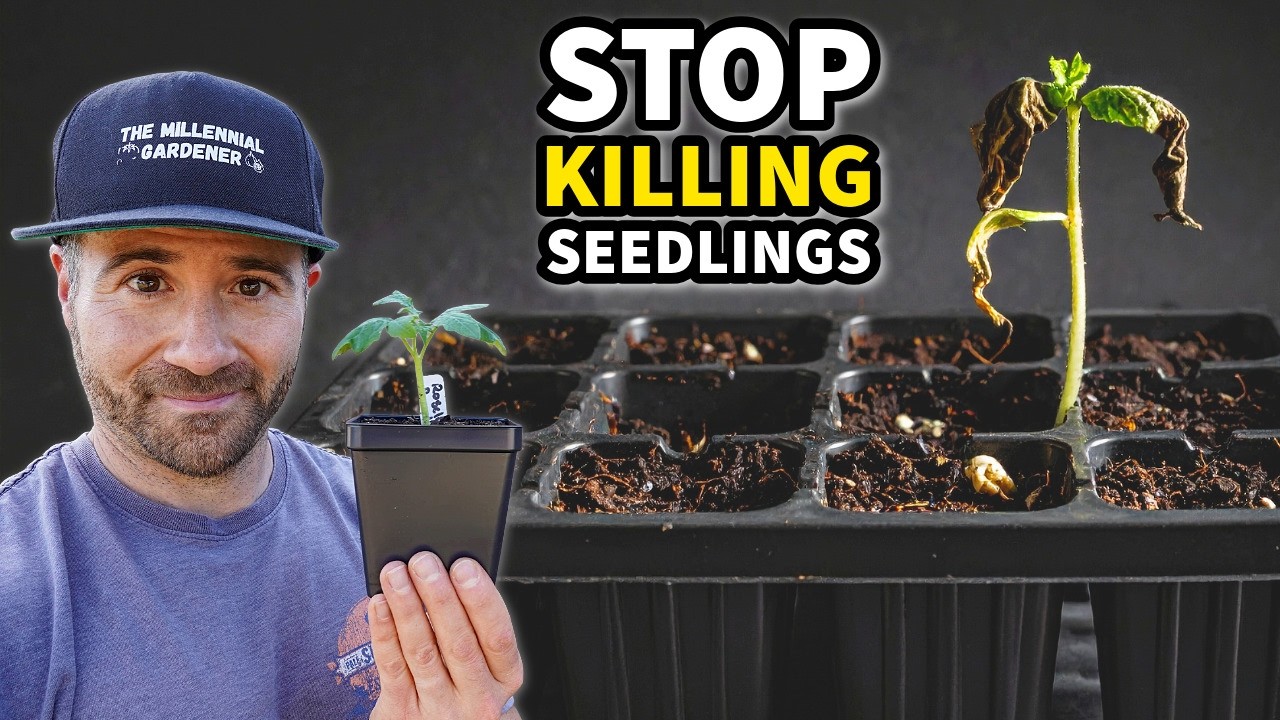
Are you struggling to grow healthy seedlings? You might be making some common mistakes that are holding them back from reaching their full potential. In this guide, you’ll discover the top 10 mistakes killing your seedlings and learn how to fix them, so you can enjoy strong, vibrant plants from the very start.
Introduction
Imagine embarking on a culinary adventure—only this time, instead of spices and ingredients, you’re dealing with tiny seeds. You eagerly place them into their cozy new home, fingers crossed, dreaming of lush, thriving seedlings that promise to turn your garden into a vibrant tapestry of life. But beneath the surface of hopeful planting lies a battleground—an intricate dance of moisture, temperature, light, and timing—that can quickly turn your aspirations into a soggy, limp disappointment. If you’ve ever found yourself staring at a tray of pale, leggy seedlings and wondering what went wrong, you’re not alone. Every gardener has been there, caught in a web of subtle mistakes that sabotage their green ambitions.
In this guide, we’ll explore the top 10 mistakes killing your seedlings faster than a rushed dinner, and more importantly, how to fix them. Whether you’re a seasoned horticulturist or sprouting your first batch of herbs, understanding these common pitfalls can be the difference between a thriving jungle and a sad, neglected patch of dirt. Armed with humor, a sprinkle of observational wisdom, and practical tips, you’ll learn how to nurture those tiny shoots into the robust plants they’re destined to be—without the frustration, and with the confidence that your seedlings have the best shot at life.
Top 10 Mistakes Killing Your Seedlings and How to Fix Them
1. Forgetting the Golden Rule of Soil Temperature
Ah, soil temperature—the secret sauce of seed germination. You’d think a tiny seed would care little for thermal nuances, but surprise: they are incredibly sensitive to the warmth beneath their delicate shells. When the soil is too cold, it’s like trying to start a fire with damp wood; nothing will ignite, and your seeds remain stubbornly inert. Conversely, scorching soil can cook the seeds from the inside out, rendering them useless. Proper soil temperature is crucial for successful germination, and hearteningly, it’s within your control.
To keep things just right, consider investing in a heat mat or a seed-starting tray with an embedded warming technology. These savvy tools create a cozy environment that mimics springtime warmth, coaxing even the most hesitant seeds to sprout. Always check the seed packet instructions—they often specify the ideal temperature range for germination. Remember, nurturing seedlings begins long before they break through the soil; it’s about creating a warm, inviting paradise where dreams turn into tiny, green miracles.
2. Overwatering and Underwatering: The Yin and Yang of Moisture Control
Next on the hit list—watering. The seemingly simple act of watering can become your undoing if you’re not careful. Overwatering is like drowning your seedlings in their own good intentions, leading to rotting roots and the dreaded damping off disease. It’s a silent assassin, often sneaking in when you’re distracted or overly eager because those little sprouts cry out for life, not a swamp. On the flip side, let the soil dry out completely, and you risk stunting growth or worse—sending them into shock, wilting like a personal failing.
The trick is maintaining that delicate balance—keeping the soil moist but not soaked. Think of it as nurturing a sponge: evenly moist, not dripping wet or bone-dry. Using a spray bottle for gentle misting and checking soil moisture daily can save your seedlings from drowning or dehydration. A good rule of thumb: touch the soil with your finger; if it feels damp, hold off on watering. This nuanced approach ensures your seedlings develop strong roots and stay healthy from sprout to full bloom.
3. Ignoring the Light — The Unsung Hero of Seedling Success
Seedlings are tiny, delicate beings that thrive on light as if it were their lifeblood. Yet, it’s astonishing how often gardeners underestimate its importance—especially the need for sufficient, consistent light. Seedlings stretched toward the window or surviving under a dim desk lamp are displaying a heartbreaking flair for the dramatic, known in horticultural circles as ‘leggy growth.’ When they don’t get enough light, they reach wildly for any available glow, sacrificing sturdiness for height, leaving you with frail, spindly plants that topple at a gentle breeze.
The remedy: provide abundant, high-quality light, preferably through grow lights designed specifically for seedlings. LED grow lights can mimic the sun’s spectrum, encouraging robust, stocky growth. Position these lights close enough to prevent them from stretching but not so close that they burn the tender leaves. Check your seedling’s growth daily—if they’re reaching toward the light or looking pale and stretched, it’s time to give them more illumination. Think of it as setting a cozy spotlight—your seedlings’ starring role in the garden show, deserving all the limelight they can get.
4. Forgetting to Harden Off Before Moving Outdoors
The grand transition from the sanctuary of your indoor grow space to the wild outdoors can be a rude awakening for tender seedlings. They’ve grown strong under controlled conditions but throw them headlong into a bevy of unpredictable weather, and they may go into shock. This process—called hardening off—gradually acclimates your seedlings to the outside world, reducing transplant shock and boosting their resilience.
Imagine introducing a vacationer to cold winds and direct sun after a all-inclusive on the patio—without a gradual adjustment, it’s a recipe for disappointment. Spend a week gradually increasing outdoor exposure, starting with a few hours of filtered sunlight and progressively extending their time outside each day. This gentle transition hardens their surfaces and strengthens their tiny stems, turning fragile sprouts into hearty garden soldiers. Think of it as a comforting, warm-up routine for your seedlings—because overcoming nature’s surprises is part of the gardening adventure.
5. Using the Wrong Tools and Products
Gardening might seem like a rustic, back-to-basics pursuit, but—spoiler alert—it’s often about the right tools in the right hands. Using subpar seed-starting supplies, such as generic potting mixes not designed for seedlings or blunt tools, is like trying to shave with a butterknife. Quality matters; your choice of soil, containers, grow lights, and even your watering cans can make or break your crop.
Specialized seed-starting mixes contain the perfect blend of nutrients and drainage that baby seedlings crave. Cheap, dense soils trap moisture and suffocate roots, causing more harm than good. Likewise, opting for a pair of dull seedling trays or primitive watering tools can lead to uneven watering, accidental damage, or fungal problems. Take a little extra time choosing industry-recommended products, and you’ll find that your seedlings respond with vigorous, healthy growth. After all, nurturing isn’t just about patience—sometimes, it’s about having the right equipment for the job.
Frequently Asked Questions
1. How do I prevent my seedlings from becoming leggy, and why do they stretch so much?
Seedlings become leggy when they stretch toward the nearest source of light, desperately trying to catch a glimpse of sunshine. Insufficient light, especially in the initial stages, causes the seedlings to prioritize height over sturdiness, resulting in weak, spindly plants that are easily toppled. To fix this, provide ample grow lights that mimic the sun’s spectrum, positioned close enough to the seedlings without burning them. Regularly rotate your trays and keep the light on for 12-16 hours a day to encourage thick, healthy growth.
2. What is the ideal soil moisture level for starting seeds?
The perfect seed-starting environment strikes a balance—soil should be evenly moist, like a damp sponge. It shouldn’t be soggy or dry, as either extreme hampers germination and seedling development. Check the soil daily by feeling it with your finger; if it feels cool and damp, wait before watering again. If it’s dry, give it a gentle mist or a light watering. Maintaining this delicate balance fosters healthy root systems and prevents common diseases.
3. Why do my seedlings die after transplanting outdoors, and how can I prevent this?
Transplant shock often results from inadequate hardening-off or sudden exposure to harsh conditions. To prevent this, start the hardening-off process at least a week before transplanting. Gradually introduce your seedlings to outdoor sun, wind, and fluctuating temperatures—just like easing into a cold pool rather than diving in headfirst. Proper watering, gentle handling, and choosing a sheltered planting site also play crucial roles in boosting their resilience and ensuring they settle into their new environment robustly.
4. Which tools are essential for successful seed starting?
Key tools include high-quality seed-starting trays, a reliable grow light system, a heat mat to maintain optimal soil temperature, and a spray bottle for gentle watering. Using sterilized containers prevents disease, and having a moisture meter adds an extra layer of insight into your soil’s needs. Investing in these essentials can make the difference between a thriving nursery and a failed experiment in patience.
5. How often should I fertilize seedlings, and what kind of fertilizer is best?
Seedlings require balanced, gentle fertilization once they’ve established their first true leaves. A diluted, water-soluble fertilizer formulated for seedlings or young plants works best—think of it as giving them a vitamin boost rather than a heavy dinner. Feed sparingly, about once every 1-2 weeks, to avoid overloading sensitive roots. As they grow stronger, you can incrementally increase the frequency and intensity, helping them develop into vigorous, fruit- or flower-producing giants.
Final Thoughts
Growing seedlings is a delightful mixture of hope, patience, and a touch of scientific curiosity—like bringing tiny miracles into the world with your own hands. By dodging these common mistakes—overwatering, under-lighting, neglecting soil temperature, and failing to harden off—you set yourself up for success rather than heartbreak. Every sprout that breaks through the soil is a testament that you’re doing something right, and with each mistake corrected, you deepen your understanding of nature’s delicate dance. Gardening isn’t just about plants; it’s about nurturing resilience, watching something raw transform into beauty, and reveling in the quiet satisfaction of a job well done. So grab your tools, cozy up to your seedlings, and enjoy the journey—because the best gardens often start with a small mistake made and happily fixed.