
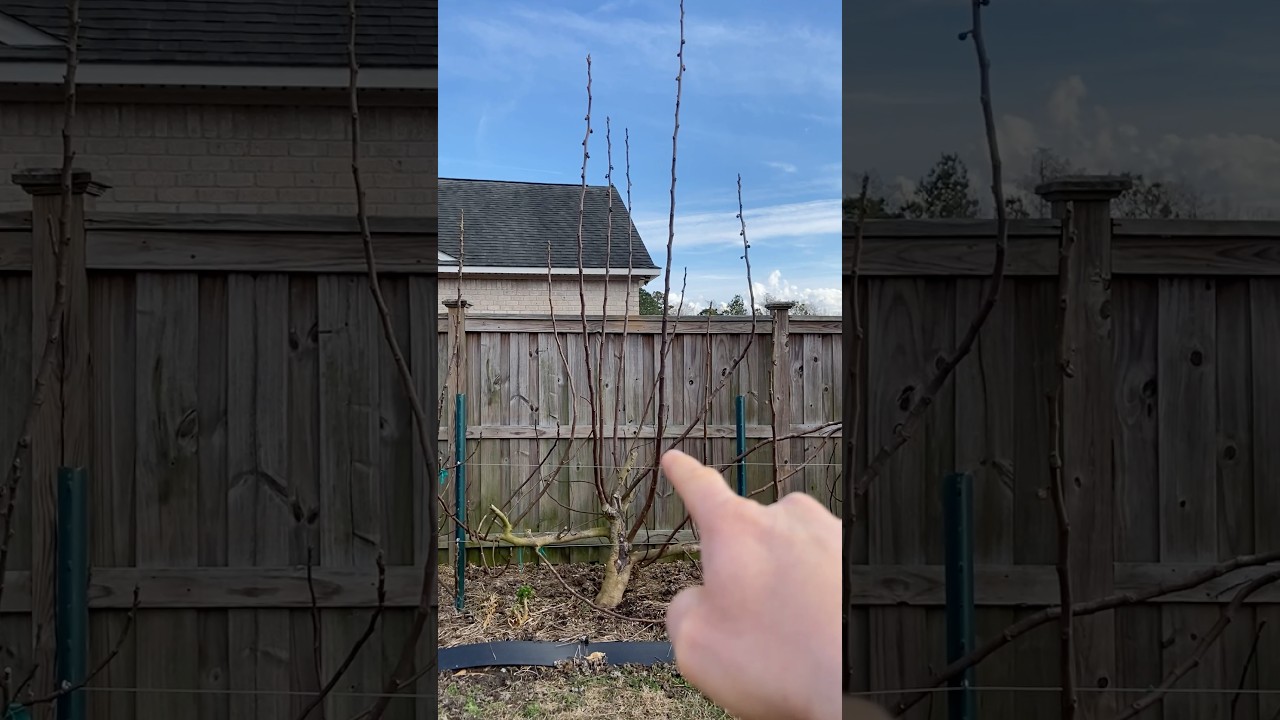
Warning: Avoid Pruning Your Trees at This Time
Introduction: The Hidden Danger Lurking in Your Garden
Picture this: it’s a crisp autumn morning, leaves crunching beneath your feet as you step into the garden with a pair of pruning shears held like a treasure. You’re eager to give your trees a tidy-up, a little shape here, a snip there, all the while dreaming of a manicured landscape that would make a magazine cover jealous. But hold on—because not all pruning is created equal, and trying to play stylist to your greenery during the wrong season can backfire spectacularly. This isn’t just about aesthetics; it’s about respecting the natural rhythms of your trees and keeping them healthy, vibrant, and safe.
Many homeowners, driven by good intentions—or perhaps a bit of impatience—make the mistake of pruning at inappropriate times of year. What seems harmless can quickly become an open invitation to pests, disease, or even tree decline. Think of it like this: your trees are living, breathing entities with their own circadian clock, akin to a human’s sleep-wake cycle. Disturbing this rhythm during certain periods can leave them vulnerable. So, before you wield that pruning shears this season, let’s explore why timing is everything and when it’s best to hold off. Safety, aesthetics, and the tree’s well-being all hinge on understanding the subtle art of seasonal pruning.
In this article, we’ll shed light on the critical timing for pruning, unveiling the secrets of nature’s calendar. Whether you’re a dedicated gardener, an enthusiastic homeowner, or someone simply trying to keep their landscape healthy and thriving, knowing when not to prune can save you from a host of headaches—and perhaps a few lamentable, half-pruned limbs. Ready? Let’s delve into the world of trees, timing, and the subtle dance that keeps your garden gates open to health and beauty.
Why Timing Matters: The Impact of Pruning at the Wrong Time
Imagine if you decided to cut your hair during a storm—sure, it might be a bold statement, but chances are your hair would end up looking more frazzled than fashionable. Similarly, trees have seasons for a reason. Pruning, when done improperly, can leave your towering friends exposed to pest invasions, fungal infections, or even cause their demise. The natural cycle of a tree’s growth stages acts as a kind of internal safeguard, and interfering at the wrong moment might disrupt this delicate balance.
During certain times of the year, a tree’s wounds are less likely to become infection portals, and the tree’s energy reserves are better able to recover and direct growth in a healthy manner. For instance, pruning while a tree is actively growing in spring can stimulate vigorous new growth, which may seem appealing but often leaves the tree vulnerable to frost damage later on. Conversely, pruning during dormancy—specifically late winter to early spring—allows the tree to heal before it emerges from its slumber, making it less susceptible to disease and pest attack.
What’s more, improper timing can throw off a tree’s flowering cycle, especially for those that bloom on old wood. Cutting back too early or too late might mean missing the spectacle of blooming altogether. This isn’t just about aesthetics but about the inherent biological rhythm that these plants follow—mess with them at the wrong time, and your garden might lose that spectacular spring display. Timing isn’t a mere guideline; it’s a vital part of healthy tree maintenance.
The Critical Timing: When Not to Prune Your Trees
If you’re tempted to reach for your pruning tools during the first blush of spring or in the middle of summer, you might want to pause and read on. The season of invisibility—late fall and winter—can be the best window to prune many types of trees, especially fruit trees, deciduous varieties, and shade trees. During these dormant months, trees are essentially in a hibernation mode—they aren’t expelling much energy, and their immune defenses are at a low ebb, making it an optimal time for pruning without undue stress.
Avoid pruning during the early spring, just as the buds begin to swell. This is when trees are waking up from their winter dormancy, and damaging the bark or branches now can lead to sap bleeding and inviting pests into the freshly exposed wounds. Similarly, steer clear of the heat of summer, when trees are furiously working to produce fruits and sustain their leaves. Cutting during this period undermines their energy reserves and may delay fruit ripening or hinder growth.
Perhaps most importantly, resist the urge to prune during the height of the growing season, unless you’re a professional with ample knowledge and purpose. Cutting live, actively growing branches during late spring or summer can stimulate unwanted sprouting or lead to weak branch attachments. The safest bet is to time your pruning for when trees are dormant—just before they start waking up in early spring or as they settle into their winter slumber, giving them ample time to heal and thrive in the months ahead.
Understanding Your Tree’s Nature: Differentiating Between Types and Their Needs
Not all trees follow the same schedule, and what’s a no-no for one species might be a green light for another. Flowering trees like magnolias, dogwoods, or cherry blossoms have their own peculiar calendar, often blooming on last year’s growth. Pruning these trees at the wrong time can inadvertently cut off their flowering wood, resulting in a bare, starved spectacle come spring.
Deciduous trees such as maples and oaks tend to be more forgiving if pruned in winter, but even then, it’s wise to avoid pruning right before the sap starts to rise. Fruit trees are even more finicky, with strict timelines to ensure a bountiful harvest. For example, apple and pear trees generally fare best with winter pruning, whereas stone fruits like peaches require more precise timing to minimize disease potential.
Evergreen trees, like pines and spruces, generally tolerate pruning in early spring or late winter without much fuss, but even they benefit from timing that respects their growth cycles. The key here is knowledge—getting to know your tree’s species, understanding its specific needs, and respecting its natural rhythm can make the difference between a thriving, resilient tree and one that’s vulnerable, stressed, or unsightly.
Practical Tips for Safe and Effective Pruning
Now that you’re armed with knowledge about timing, it’s time to get practical. First, always identify the right season for your specific tree species—when in doubt, it’s better to wait and consult local extension services or expert arborists. Make sure your tools—pruners, shears, or saws—are sharp and clean; dull blades can crush branches rather than cut cleanly, leaving wounds more susceptible to pests and disease.
When you do prune, step back periodically and view your work through the lens of a gentle observer. Aim to trim dead, diseased, or crossing branches, focusing on maintaining the natural shape and health of the tree. Remember: less is often more—over-pruning can do more harm than good by leaving your tree exposed and stressed out.
Finally, don’t forget the importance of post-pruning care. Apply a suitable wound dressing for large cuts, mulch to retain moisture, and keep an eye out for signs of distress or pest invasion. A little patience and a gentle touch can turn a potentially damaging task into a nurturing act—cueing your trees to flourish rather than flounder.
Frequently Asked Questions
What is the worst time of year to prune trees?
The absolute worst time to prune trees is during their active growth period in late spring and summer or right before they start budding in early spring. Pruning during these times can lead to increased sap bleeding, pest infestations, and weakened growth. The most recommended window is during late winter, when the tree is dormant, and it has time to recover before the growing season.
Why shouldn’t I prune my fruit trees in the summer?
Pruning fruit trees in summer can stimulate tender new growth that’s vulnerable to insects and fungal diseases. Additionally, cutting during the peak growing season can delay fruit ripening or cause stress that reduces yield. The best time to prune most fruit trees is during the dormant winter months when the risk of disease transmission is lower.
Can pruning damage a tree permanently?
Yes, improper pruning—especially if done at the wrong time or when too much is cut—can lead to long-term damage. It can cause decay, weaken structure, and make the tree more susceptible to pests and diseases. That’s why timing, technique, and understanding your tree’s biology are essential for healthy, sustainable pruning.
Are there exceptions to the rule of late winter pruning?
Certainly. Some species, such as certain flowering trees, require pruning immediately after they bloom, which is usually in spring. Always research your particular tree species before trimming. Consulting with local arborists or horticultural guides can offer tailored advice, ensuring you respect nature’s unique rhythm.
How can I tell if it’s the right season to prune?
Observe your tree and local climate patterns. Dormant trees typically have leafless branches and a lack of active growth, signaling the prime window for pruning. Check for signs of swelling buds—if they haven’t started yet or if the tree seems still in a resting phase, it’s likely the right time. When in doubt, waiting until late winter or early spring can often be the safest bet.
Final Thoughts: The Wisdom of Waiting
Growing a lush, healthy tree isn’t just about aggressive pruning or constant pruning—it’s a dance of patience, timing, and observation. Trees have lived through centuries of seasonal shifts, storms, and growth spurts, all because they know when to rest and when to flourish. As homeowners and gardeners, respecting this natural order isn’t just good etiquette; it’s essential for their survival.
Remember, your yard isn’t just a patch of green—it’s a living, breathing community. Pruning at the right time transforms a simple task into a gesture of trust and care. It’s about nurturing resilience, encouraging vitality, and honoring the silent, steadfast giants that shade our summers and frame our memories. So, next time you’re tempted to prune, consider the season—nature’s timetable might just be the best guide you’ll ever have.