
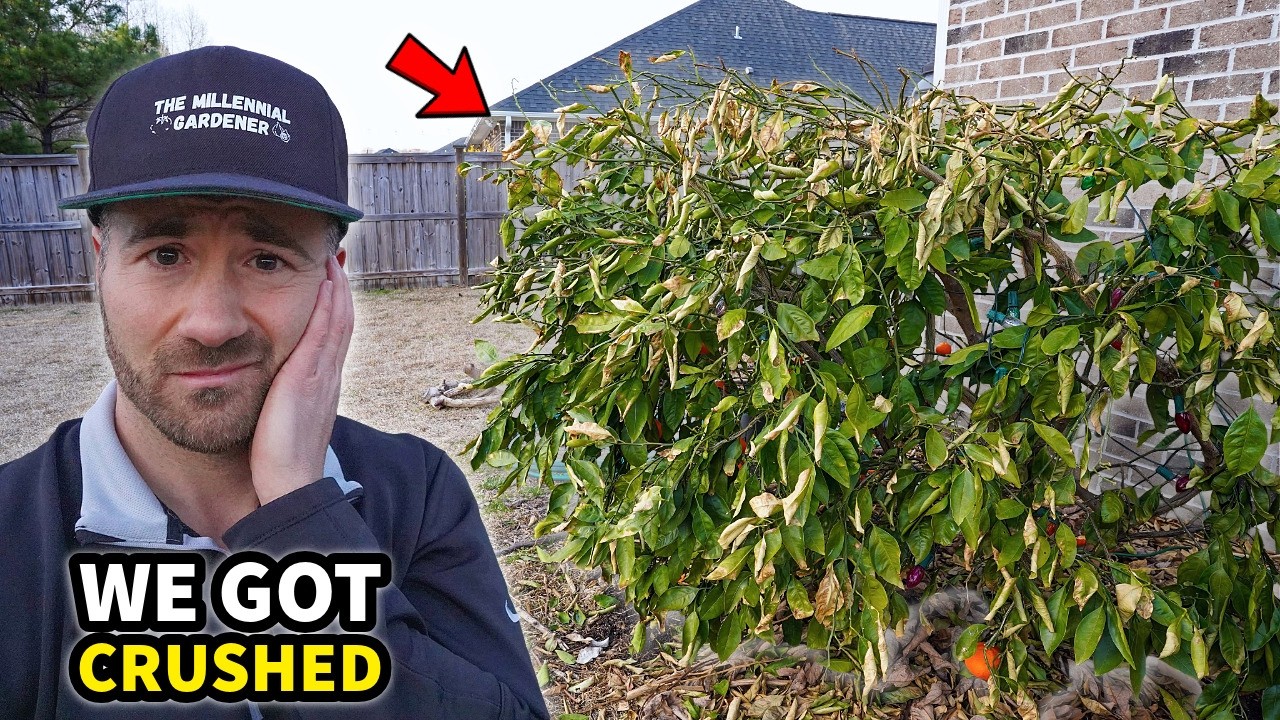
You won’t believe the overwhelming experience we went through! In this post, we share our story of being completely overwhelmed and how we managed to navigate through it. If you’ve ever felt totally overwhelmed, you’ll find this relatable and inspiring.
Introduction
There’s a peculiar moment in every gardener’s life when the lush, vibrant landscape they carefully cultivated suddenly teeters on the brink of chaos—like a juggler losing their balls just as the audience’s applause turns into worried whispers. That is the unmistakable feeling of being “completely overwhelmed,” especially when Mother Nature decides to toss a curveball of record-breaking cold. Suddenly, confiding in your garden boots and trusty tools isn’t quite enough; you’re faced with a bewildering jungle of frost blankets, protective gear, and the dubious art of trusting your winterization instincts.
This winter, as temperatures plummeted to levels only previously discussed in climate change documentaries, your plans to enjoy a tropical citrus or a tender avocado in your back yard felt more like an abstract dream than a feasible reality. But amid that chaos, a strange sense of resolve emerges—like figuring out the puzzle of layering sweaters just as the temperature nosedives. Because you learn, over time, that protecting trees from harsh winter cold is less about luck and more about technique—technique that will be rigorously tested this season. Prepare to dive into the chaos, the clever tricks, and that fine balance between panic and preparedness. We’ve all been there, overwhelmed at the precipice of winter’s icy grip, yet somehow, with a little patience and a dash of ingenuity, your garden might just make it through the frost-fest.
The Cold Reality: Protecting Trees in Freezing Temperatures
When the weather forecast blares about the record cold, your first instinct might be to stare blankly at the thermometer as if it’s speaking a foreign language. “How cold is too cold?” you wonder, unable to suppress a shiver of impending doom. Protecting trees from harsh winter cold isn’t simply about wrapping everything in a blanket and hoping for the best—it’s an elaborate dance of timing, materials, and a touch of motherly neglect. Because, let’s face it, a tree’s survival hinges not just on one or two layers of burlap but on a comprehensive plan that accounts for its species, age, and microclimate.
Most seasoned gardeners can tell you that your cold protection techniques will be tested and improved by this winter’s record cold. Perhaps you’ve already realized that what worked last year may be woefully inadequate when the thermometer drops to zones 6 or 7—where hardy citrus varieties can still manage, but only if shielded from the brutal gusts and bone-chilling frost. The trick is in choosing the right gear—plant jackets, row covers, or even custom-built arboreal fortresses made of straw and burlap. It’s rather like preparing for a snowstorm with a Swiss Army knife—every tool has a purpose, and knowing when and how to use it can be a game changer.
One of the most crucial lessons for anyone overwhelmed by winter’s assault is patience. Do not prune cold-damaged trees for about two months. It’s tempting to clear away those burned leaves or broken branches, thinking you’re helping the tree. But instead, you’re risking additional stress that the winter chill already inflicted. A little restraint, combined with consistent irrigation and fertilizing routines during winter recovery, can foster resilience rather than hinder it. Leaf drop after cold damage is a hopeful sign—your trees are still alive and in the process of healing, like a bad breakup that still leaves you slightly hopeful every time a new leaf unfurls. Conversely, persistent dead leaves weeks after cold damage may be signaling that your beloved garden companions are beyond revival, quietly indicating it’s time to mourn and find new, hardy friends.
Practical Tips and Tools for Winter Garden Success
Surrounded by a winter landscape that looks like something out of an arctic expedition, many gardeners find solace in resourcefulness—and a little online shopping. The video tutorials floating around about growing citrus, avocado, and fig trees in cold zones turn out to be gospel for those determined to challenge their climate limitations. Choosing cold-hardy citrus varieties capable of surviving zone 7 or even zone 6 winters can feel like finding a unicorn, but they exist—and they thrive with some careful planning. These varieties can often be bought online, along with essentials such as pruning shears, fertilizers, and insect netting, all of which make winter garden resilience more attainable.
If there’s a secret weapon in the garden defender’s arsenal, it’s the proper gear—think inflatable plant jackets, row covers, and insect netting—that can be assembled or sourced with a few clicks. It’s almost amusing how the most basic items become treasures when battling winter’s relentless assault. Real garden tours showing the results of cold protection on tropical trees are not just lovely images—they are inspiring proof that proper techniques, used consistently, can turn a frostbitten disaster into a lush winter oasis.
And don’t forget to think outside the box: edible landscaping and food forests that incorporate resilient, cold-tolerant trees aren’t just functional—they’re a testament to your adaptability and patience. The key is to learn from every frost, every failed experiment, and every victory—building a resilience that depends on good tools, correct practices, and perhaps most importantly, a sense of humor when the landscape turns into a winter wonderland of chaos.
Frequently Asked Questions
How can I best protect my trees from record-breaking cold temperatures?
To protect your trees from record-breaking cold, start by understanding your specific zone and the hardiness of your trees. Use a combination of physical barriers like row covers, burlap wraps, and thermal blankets for tender varieties. Mulching around the base conserves soil warmth and reduces root stress. Additionally, installing windbreaks can mitigate the chilling effects of gusts. Remember, timing is everything—preparing your trees well before the cold arrives ensures they have a fighting chance. Keep irrigation consistent to prevent desiccation, and avoid pruning damaged limbs until the threat of frost is past to minimize stress.
What are the most effective winter protection techniques for citrus in cold zones?
Cold-hardy citrus varieties such as Meyer lemons or Satsuma mandarins are your best bet in zone 7 or possibly zone 6. Use multiple layers of protection, including insulated plant jackets and frost blankets during expected cold snaps. Consider installing heating cables for particularly vulnerable specimens if extreme cold is forecasted. Positioning trees near south-facing walls can capitalize on residual heat, while adding a thick layer of mulch protects roots. Online resources often provide detailed guides on winterizing citrus, and garden tour videos reveal how enthusiasts turn backyard orchards into winter escapes for tropical favorites.
How long should I wait to prune cold-damaged trees?
Patience is your garden’s best friend here. Do not prune cold-damaged trees for about two months after the frost risk has passed. This allows the tree to reveal the true extent of frost damage and prevents unnecessary stress, which could hinder recovery. Spring is the best time to assess and prune—removing only clearly dead or severely damaged branches, and leaving the rest to recover naturally. Meanwhile, maintaining a steady routine of fertilizing and watering supports healing and encourages healthy new growth.
What tools and products are essential for winter tree protection?
Invest in reliable pruning shears, especially those with sharp blades for clean cuts. Fertilizers formulated for winter recovery help provide essential nutrients, while row covers and insect-netting offer physical barriers against cold and pests. Online stores often stock specialized product lines designed for cold protection—frost blankets, thermal tree wraps, and even DIY kits for insulating young trees. The right tools make all the difference between a chaotic, overwhelmed chaos and a well-coordinated winter defense system that can stand up to Mother Nature’s worst whims.
Are there any sustainable or eco-friendly ways to protect my tropical trees from cold?
Absolutely. Mulching with organic materials like straw or wood chips not only insulates the roots but also promotes soil health. Using biodegradable plant jackets or natural fiber wraps reduces synthetic waste and offers excellent insulation. Creating windbreaks with native shrubs or installing small, temporary fences minimizes the need for energy-consuming heating solutions. Some gardeners even employ microclimates—like building small greenhouses or cold frames—using recycled materials to extend the growing season sustainably. Every effort rooted in eco-conscious practices contributes to the resilience of your garden and the planet.
Final Thoughts
In the end, the journey of winter gardening is less about mastery and more about resilience—an ongoing dance with the frost, the soil, and your own wavering confidence. Overwhelmed at times? That’s just part of the story. Each record cold snap becomes an unanticipated lesson, a moment where perseverance and a bit of clever planning turn chaos into beauty. Your garden, much like life, isn’t necessarily about never falling but learning how to get up, rewrap your trees, and accept the beauty in surviving the harshest seasons. So gear up, stay informed, and remember: even in winter’s bleakest moments, there’s a quiet promise of spring—and a garden worth fighting for.