Have you ever wondered why someone would spray their fruit trees with blue paint? Well, in this post, I’m going to share the surprising reason behind why I chose to do just that. You might find it eye-opening and perhaps even inspiring to see how a simple idea can make a big difference in fruit tree care.
Why I Sprayed My Fruit Trees Blue: The Surprising Reason Behind It
Introduction
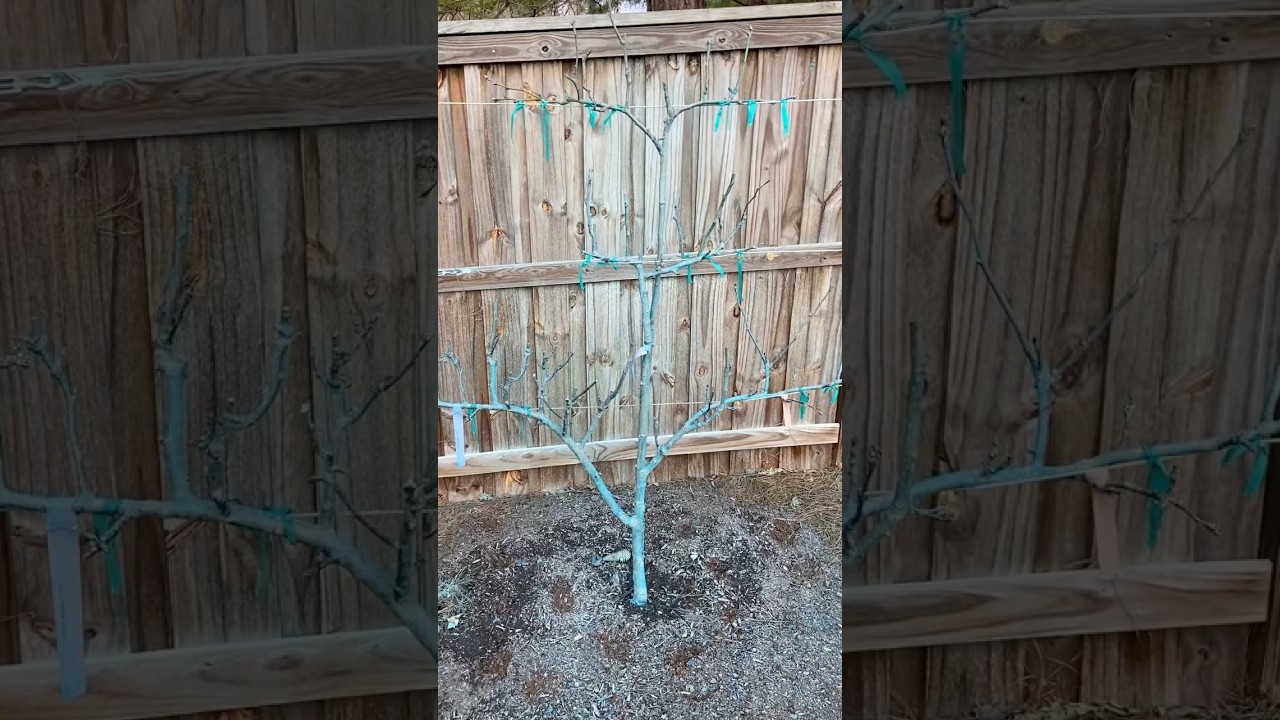
Imagine, if you will, the scene of a well-meaning homeowner standing in a sea of budding fruit trees, wielding a sprayer that looks more like a fairy’s potion than something designed for serious horticultural work. The trees gleam faintly with a shade of blue—not from some mystical garden spell but from a simple, practical addition: a dye. Yes, I confess; I sprayed my fruit trees blue, and it wasn’t just to match my oddly whimsical garden décor. There was a method to the madness—a quiet, brilliant strategy rooted in visibility, precision, and the stubborn hope of a bountiful harvest.
In the world of lawn and garden care, the act of spraying can be a bit like trying to dissect a cloud—amphibian, elusive, and easily missed if you don’t have the right tools. Using dyes in sprayers to improve visibility not only transformed my approach but also revealed a fascinating side of horticulture I hadn’t fully appreciated before. It’s everything from spotting missed spots to ensuring every branch gets its fair share of fungicide, nutrient, or pre-bud dormant oil. And yes, it turns out that a splash of blue can be quite the game-changer for meticulous gardeners like myself.
So, why exactly did I spray my fruit trees blue? Let’s peel back the layers of this surprisingly colorful story, exploring how an otherwise mundane gardening chore became an educational adventure—one that might just inspire you to see your own garden in a new, vividly marked light.
The Practicality of Using Dyes to Improve Visibility During Treatment
The decision to douse my trees in a vibrant hue wasn’t made on a whim but was born out of frustration. There I was, armed with spray nozzles and a vague idea of covering my fruit trees evenly, only to realize—after much squinting and stepping back awkwardly—that I had missed patches or uneven coverage. That’s when I discovered the magic of dyes in sprayers. Suddenly, my efforts became a colorful playdate, with bright blue soap-like dye turning my orchard into a canvas of visual cues. It’s a simple idea, yet extraordinarily effective: these dyes make it painfully obvious where you’ve already applied your pesticides, fungicides, or dormant oils.
Applying treatment on trees, especially during dormancy, demands precision. Imagine trying to paint a wall blindfolded—that’s what spraying without visibility aid feels like. Dyes help you see where you’ve missed, where you’ve overlapped, and where you could potentially cause harm by over-application. This newfound transparency allows for a better understanding of your spraying technique, which in turn translates into healthier plants and a more productive harvest down the road.
Furthermore, using dyes on lawns and trees ensures that every inch of foliage receives its fair share of attention, fostering more uniform and effective coverage. Particularly when deploying pre-bud swell dormant oil or fungicides, this tracer-colored liquid acts like a helpful guide, ensuring that you neutralize pests and diseases at the right time and in the right places. In essence, a splash of blue isn’t just about color—it’s about precision, confidence, and transforming a potentially messy task into a controlled, artful process.
The Benefits of Dyes in Spraying for Better Garden and Tree Care
Once I embraced the blue hue, I started to see everything differently. The biggest revelation was how much this little trick could improve the overall quality of my spraying routine. With the dye in place, it became a game of “spot the missed area,” and I was surprisingly better at covering every leaf and branch. This not only saved me from the frustrating “did I do this part?” moments but also turned out to be a crucial step toward making my treatments more effective and eco-friendly.
Dyes are excellent for monitoring and improving your spraying technique, especially if you want to ensure even distribution of pesticides and nutrients. They help prevent the all-too-common problem of over-application—where the spray is lethally concentrated in some zones and absent in others—thus protecting beneficial insects and reducing runoff. When applying fungicides, particularly during the early stages of disease prevention, using a dye guarantees that every sought-after spot gets the proper dose, reducing the chances of missed infections or spots of fungal growth creeping in later.
On a more personal note, I found that using dyes enhanced my confidence in handling delicate treatments on dormant trees, which often have fewer visual cues and are more challenging to treat precisely. Whether I was targeting pre-bud swell dormant oil or applying pesticides, the unmistakable blue trail assured me I wasn’t overlooking any portion of my flora. So, in a way, these dyes are little better than a gardening GPS— guiding you to coverage completeness and ensuring your plants get the treatment they deserve.
Making the Most of Dyes: Choosing the Right Ones and Timing Your Spray
Picking the right dye isn’t just a matter of grabbing the most electric shade you find on the shelf; it’s about compatibility and purpose. Some dyes are formulated specifically for use on lawns, trees, or even certain pesticides, and choosing the wrong one can lead to unintended effects—like staining your hands or fading after rain. It’s wise to opt for dyes that are compatible with your lawn and tree treatments, ensuring they work seamlessly without causing harm or discoloration.
Timing is equally crucial. Applying dye early in your treatment plan allows you to visualize coverage, identify gaps, and fine-tune your technique before the season progresses. When you see your trees dressed in a subtle blue hue, it becomes a visual cue—a moment of clarity—that your efforts are on the right track. Conversely, if you notice an uneven or patchy coverage, it’s an early warning sign to reapply with better focus, ultimately saving your trees from disease or pest infestations down the line.
Another savvy move is to use dye on dormant plants, especially in late winter or early spring. This period offers the perfect transparency needed to assess coverage before active growth resumes. It’s like giving your garden a check-up and making note of where the medicine went—without having to peel back leaves or guess at the unseen. Whether you’re applying pre-bud dormant oils or fungicide treatments, the dye acts as an invisible but indelible marker, helping ensure that your treatment targets those stubborn pests or diseases with surgical precision.
The Subtle Art of Monitoring and Improving Your Spraying Technique
Spraying can sometimes feel like a guessing game—a leap of faith combined with a prayer to the weather gods. But incorporating dye into your regimen transforms guessing into knowledge. As I watched my once dull and uneven coverage turn into a striking blue tapestry of deliberate strokes, I realized I was not just applying treatments but actively learning the nuances of my technique.
It’s amazing how a simple visual cue can reveal habits—like spraying too quickly, missing the underside of a leaf, or over-saturating certain areas. Dyes illuminate not only the parts you have covered but also those you might have overlooked, prompting you to adjust your spray pattern, pressure, or speed. Over time, this process of visual feedback helps develop a more refined technique, leading to more evenly protected trees, healthier foliage, and ultimately, tastier fruits.
Furthermore, using the dye provides an opportunity to monitor treatment effectiveness, gauge coverage, and maintain consistency across different seasons and treatments. For the ambitious gardener or orchard owner, this continuous feedback loop fosters both confidence and competence—turning what was once a messy, uncertain chore into a carefully choreographed dance of growth, protection, and harvest. It’s little steps like these, guided by a splash of blue, that make the difference between a mere hobby and a thriving, fruitful paradise.
Final Thoughts
Spraying your fruit trees with a splash of blue dye might seem like a minor, almost frivolous act—like adding sprinkles to a cupcake. But as I’ve learned through my colorful adventures, it’s an essential, awe-inspiring tool in the gardener’s kit. It turns an uncertain spray into a deliberate act, transforming chaos into clarity, and impatience into methodical mastery.
In the end, gardening is much like life: messy, unpredictable, and full of surprises. But sometimes, a simple dash of color guides us, ensuring that we don’t miss the small yet vital details. Whether you are targeting dormant oil, fungicides, or nutrients, using dyes in sprayers lends an invisible but invaluable hand in giving your plants the care they need—and perhaps even deserve. So, next time you reach for your sprayer, consider adding that vibrant blue. It might just change your entire approach—and your harvest—more than you ever expected.## Frequently Asked Questions
Why do gardeners spray their fruit trees with blue dye?
Gardeners spray fruit trees with blue dye primarily to improve visibility during application. The dye acts as a visual marker, revealing which areas have been covered and helping to ensure even coverage across the entire tree. This meticulous attention enhances the effectiveness of treatments like fungicides, pesticides, and dormant oils because no branch or leaf gets overlooked. Moreover, it reduces the likelihood of over-application, which can harm beneficial insects or cause chemical runoff, and under-application, risking pest or disease infestations. Overall, the blue dye offers a simple yet powerful way to visualize your work and boost your confidence in plant care routines.
How does using dye help with applying treatments on dormant trees?
Dormant trees are trickier to treat because they lack the lush foliage that makes coverage obvious. Without the shielding leaves, it’s easier to miss spots or unevenly distribute treatments. Applying dye makes these dormant plants instantly more transparent—like giving your trees a blue coat that highlights every inch of those bare branches. This visibility helps you precisely target pre-bud swell dormant oils, fungicides, or other treatments, ensuring they reach every nook and cranny of the bark or branch. Consequently, you can confidently spot where your treatment goes, improving disease prevention and pest control—without second-guessing or guesswork.
Are there any risks or downsides to using dye in garden sprays?
While dyes are generally safe when used as directed, some gardeners worry about potential staining of hands, tools, or even clothing. Choosing dyes that are formulated specifically for horticultural use minimizes these risks. It’s also wise to rinse tools promptly after spraying and to wear old clothes or gloves if you’re concerned about staining. Additionally, some dyes may fade with rain or sunlight, so it’s best to apply treatments during suitable weather conditions. Overall, the benefits of enhanced coverage and precise application outweigh the minor inconvenience of cleanup, especially if you pick quality, garden-safe dyes.
Can I use dye for monitoring spray coverage on my entire garden?
Absolutely! Dyes are versatile tools perfect for broad landscape management. Whether you’re treating a flower bed, vegetables, or a sprawling lawn, the dye helps you see where you’ve sprayed and where you haven’t. It’s especially useful when applying liquid fertilizers, herbicides, or preventative fungicides as they all demand thorough coverage. Plus, with the visual cue of blue, you can develop a containerized spraying routine that’s repeatable and reliable. It’s like turning your garden into a masterpiece where every stroke counts—and the colors tell the story.
When should I incorporate dye into my garden treatment schedule?
The ideal time to add dye to your sprayer is right at the beginning of your treatment plan. Doing so during the early stages of your treatment allows you to visually fine-tune your coverage before the season peaks. For example, applying dye when using dormant oils in late winter provides a clear view of coverage across bare branches. Similarly, before the first bloom or fruit set, applying dye ensures your pesticides and nutrients are evenly distributed, fostering healthy growth and fruit development. Incorporating dye early on helps you build good spraying habits and ultimately leads to healthier, more productive plants.
Final Thoughts
Spraying your trees with a splash of vibrant blue might initially seem like garden whimsy or mere experimentation, but it’s a stroke of practical genius. It’s an uncomplicated idea with profound implications—turning a mundane, often frustrating chore into a precise, confidence-boosting act. As I’ve learned from my own colorful escapades, visibility is everything; it’s the difference between haphazard efforts and thoughtful, targeted plant care.
In many ways, gardening is about paying attention to the small details—the overlooked leaves, forgotten branches, and secret spots. Dyes provide a simple way to focus, visualize, and perfect your treatments, ensuring that each part of your garden receives the attention it deserves. Whether you’re protecting dormant trees or ensuring full coverage of your lush lawn, a little blue dye can make all the difference. After all, the beauty of gardening lies in the details—and sometimes, a splash of color is all you need to see the bigger picture more clearly.