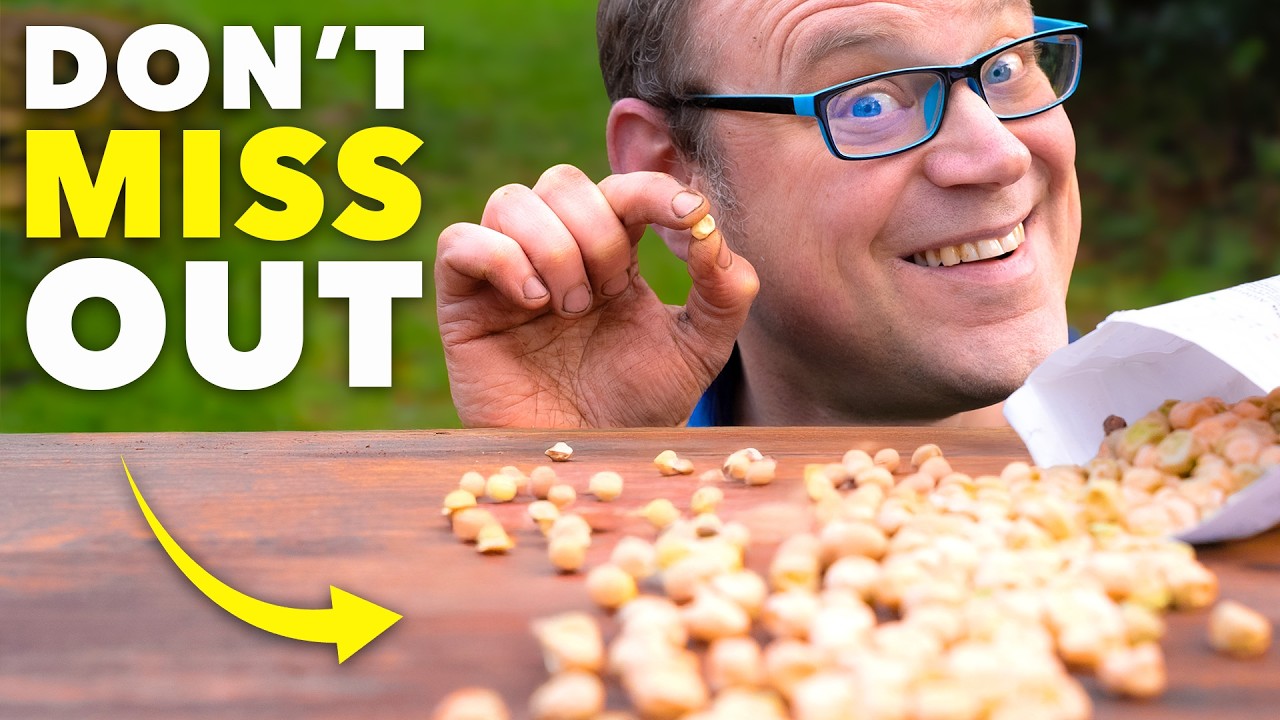
If you want to enjoy a bountiful garden this year, then starting your seeds in March is essential. The decision to begin early can make the difference between a lush harvest and missing out on fresh, homegrown produce. Don’t wait until summer—learn why getting those seeds in the ground now will set you up for success and prevent regrets later.
Introduction
There’s a certain thrill that comes from planting seeds—almost as if you’re whispering secrets to the earth and expecting it to quietly cooperate. If you’re anything like me, you’ve spent endless afternoons poring over seed catalogs, dreaming of lush greens and creamy tomatoes, all while impatiently waiting for spring’s grand unveiling. But here’s the truth: timing is everything, and March might just be your secret weapon. Yes, March, not July, is when the real magic begins, especially if you want to dodge the summer’s chaos and actually enjoy your harvest.
This isn’t about mere gardening; it’s about strategic planting, about turning a backyard plot into a produce-packed paradise before the summer heat even considers throwing its tantrum. Luckily, with a little planning—helped along by fantastic resources from GrowVeg—you’ll learn that starting certain seeds in March isn’t just a good idea; it’s an essential step in avoiding the regret that comes with missing out on prime growing opportunities. After all, the early bird gets the worm—and the tomato, and the zucchini, and the lettuce that’s just crisp enough to make every salad sing.
So, buckle up. We’re about to explore why you should be sowing seeds now, why waiting could leave you with a sad, empty garden come August, and how expert tips and clever techniques can set you on a course for a bumper crop season. Because, let’s face it: there’s no shame in being a little ambitious—and a lot proactive—when it comes to nurturing life from tiny, hopeful seeds tucked snug in soil.
Why Starting Seeds in March Sets You Up for Summer Success
If you’ve ever been caught in the summer scramble—rushing to plant, overwhelmed, with seedlings stretching toward the ceiling—it’s a lament many gardeners know too well. The truth is, planting certain seeds in March allows your garden to mature early, giving you a head start on the rush and a better chance at robust, flavorful yields by the time summer rolls around. This is where understanding the nuances of the growing season truly pays off; it turns the garden from a passive hobby into a strategic operation.
The GrowVeg video on optimizing your planting schedule lays out a compelling case for early sowing. It explains how starting crops like tomatoes, peppers, and basil indoors in March allows them to establish strong roots before the outdoor chaos begins. Plus, by the time the weather turns cooperative—warm days, clear nights—your plants will be ready to roll, poised for vigorous growth, and ideally, less vulnerable to pests and diseases that tend to overwhelm plants that are hurried into the ground unprepared.
The magic of early planting extends beyond just giving plants a head start; it transforms your entire gardening rhythm. Instead of feeling frantic as summer approaches, you’ll enjoy a more relaxed, steady harvest flow. Planning your garden with tools like the free GrowVeg Garden Planner reinforces this idea—helping you map out exactly when to sow and transplant for maximum yield—and avoiding that all-too-familiar feeling of regret when summer’s missed opportunities leave you with underwhelming produce.
Getting the Most Out of Your Growing Season with Early Sowing
When you learn what to sow in winter with videos like “What to Sow in Winter,” you unlock the secret to extending your gardening season. By starting seeds indoors in March, especially for popular vegetables like carrots, lettuce, and spinach, you essentially give your garden a head start, ensuring an early harvest—a true game-changer in maximizing freshness and flavor. The GrowVeg resources make this process incredibly straightforward: from seed starting to transplanting, every step is an opportunity to optimize your yields.
Moreover, early sowing isn’t just about the summer; it’s about harvesting longer and enjoying those prized home-grown flavors well into autumn. Imagine pulling ripe tomatoes in September, knowing you started them indoors back in March. The joy of early planting is that it pays dividends later—your garden becomes a slow-burning, fruitful symphony rather than a frantic race. Watching the YouTube video on growing vertically, for instance, ties beautifully into this concept—use space efficiently and elevate your plants to take advantage of every inch, enabling a more extended, bountiful harvest that begins now, not when it’s already too late.
Long-term planning, coupled with resources like the free GrowVeg book download, helps newbie and seasoned gardeners alike understand that early planting is about smarter, not harder, work. When you embrace this mindset, summer regret melts away, replaced by the satisfaction of a garden that keeps giving, long after the initial planting frenzy.
The Art of Planning: From Seed to Supper
Gardening isn’t merely a whimsical activity—at its core, it’s a delicate dance of timing, patience, and a dash of luck. The GrowVeg planner tools act as your choreographer, helping you craft a garden layout that maximizes space, productivity, and crop rotation. Visualize it: rows of thriving vegetables, each scheduled just right so nothing feels rushed or neglected. This is where knowing what to sow in March, and when, becomes vital; planning isn’t optional, it’s essential.
One of the overlooked joys of early planting is the ability to stagger crops. Think about sowing carrots and beets in early March, followed by succession planting as summer begins to fizzle out. This method enhances your harvest and keeps your kitchen stocked with fresh, homegrown produce long into the season’s waning days. It’s about building a resilient garden that adapts to your ambitions, rather than reacting to unpredictable external factors.
The resourcefulness of vertical gardening techniques featured in GrowVeg’s videos pushes this concept even further. Vertical planting isn’t just a space-saver; it creates microclimates, improves air circulation, and makes harvesting a breeze—especially when your garden starts to overflow with greens, beans, and sprawling vine crops. Early sowing combined with smart spatial planning means your garden doesn’t just grow; it thrives with purpose. This approach is perfect for those who want to squeeze every ounce of productivity from a limited space, turning small plots into overflowing harvests before summer regrets ever had a chance to set in.
How Proper Planning Prevents Summer Disappointment
One of the most gratifying aspects of intentional planning is avoiding the disappointment that many gardeners face: the moment you realize that, despite your best efforts, summer slipped by, leaving you with a sparse yield. Knowing what to sow and when allows you to time your plantings perfectly, ensuring they reach harvestable size at just the right moment. Whether it’s starting seedlings indoors or utilizing vertical setups to extend your season, these planning strategies help you enjoy an embarrassment of riches instead of regret.
The GrowVeg site also emphasizes that understanding early planting techniques allows you to capitalize on the shorter growing windows for specific crops—like cool-weather favorites such as broccoli and kale—by sowing in March. This means your garden is never sitting idle, waiting for the weather to warm up enough. Instead, it’s working from the moment the calendar hits spring, with your plants setting roots and growing tall in anticipation of summer glory.
And, of course, all of this is supported by the invaluable resources offered online: from watching grow-vertical videos to downloading free guides, it’s an ecosystem designed to make your gardening journey more efficient and less stressful. When you start early, you’re not just planting seeds—you’re planting the seeds of success, right from the get-go, which means less regret and more luscious harvests hanging off your kitchen shelves come summer.
Frequently Asked Questions
Why is March the ideal time to start certain seeds indoors?
March marks the threshold between winter’s chill and spring’s promise, making it the perfect time for starting seeds indoors. It’s a delicate balance—your seedlings need warmth and light, but the outdoor environment remains too unpredictable for young plants to thrive outside. Starting in March allows you to give your crops a vigorous start inside, especially those sensitive to cold, like tomatoes, peppers, and basil. This early beginning ensures that once outdoor conditions improve, your plants are already adjusted, healthy, and ready to flourish.
Moreover, with the help of GrowVeg’s detailed planting guides, you can precisely time your indoor sowing and outdoor transplanting—transforming your garden into a well-oiled machine. The upside? You’ll enjoy earlier harvests, more abundant yields, and a longer growing season—well worth the small effort of early seed starting.
How can vertical gardening techniques boost my growing season?
Vertical gardening isn’t just about saving space—it’s an innovative way to extend your gardening season and improve plant health. By growing climbers like peas, cucumbers, or beans vertically, you keep your crops in microclimates closer to the sun, which accelerates growth. Additionally, it’s easier to protect vertical crops from pests and diseases, since they’re off the ground and more accessible for inspections.
Implementing vertical gardening techniques from GrowVeg’s instructional videos helps you make the most of limited space, especially in urban environments or small backyards. The strategy is particularly effective when combined with early sowing in March—plants start growing upward long before the summer heat sets in, giving you the chance to harvest rain or shine. When done properly, vertical gardening transforms a cramped plot into a thriving, skyscraper-like oasis of fresh produce, making it ideal for extending your season and boosting your harvest.
What resources can I use to improve my spring planting schedule?
The first step in successfully planting in March is arming yourself with the right knowledge and tools. GrowVeg offers a free Garden Planner that helps you design an efficient layout, plan crop succession, and determine ideal sowing times. This intuitive resource ensures you know exactly when to sow and transplant, minimizing wasted effort and missed opportunities.
In addition, the free download of Ben’s garden book provides in-depth insights into early planting techniques, crop rotation, and season extension strategies. Watching dedicated videos—like “Growing Vertically” or “What to Sow in Winter”—further inspires and educates you, making complex garden logistics seem simple. Starting with these resources sets the stage for a productive gardening season, rich with fresh vegetables and a sense of achievement.
Can early planting really extend my harvest season?
Absolutely. The key lies in understanding that the growing season doesn’t have to end when summer does. Starting seeds in March enables plants to mature early, giving you a longer window to enjoy fresh produce. For instance, early sowing of lettuce and radishes means you can start harvesting well before the official start of summer, and continue into fall with the right planning.
Coupled with techniques like protecting seedlings with cloches or using vertical gardening to maximize space, early planting can turn a typical season into a prolonged feast. Watching GrowVeg’s videos on early crop succession and planning helps you see how to maximize your garden’s potential, turning it into a continuous cycle of planting, harvesting, and replanting—minimizing regret and maximizing delicious, homegrown bounty.
Final Thoughts
Gardening isn’t just about coaxing life from the soil; it’s about mastering the art of timing—sowing wisely to harvest plentifully. Starting your seeds in March might seem early—perhaps even ambitious—but it’s a season-long investment in abundance. Whether you’re a rookie eager to avoid summer disappointment or a seasoned green thumb looking to refine your craft, the knowledge and tools available from GrowVeg provide a guiding hand every step of the way.
Embracing early planting isn’t just about better yields; it’s about cultivating a mindful, strategic approach to gardening—one that prioritizes patience, planfulness, and the joy of an extended harvest. With resources like the free Garden Planner and insightful videos, you have everything you need to transform your garden into a thriving oasis. And remember: the regret of missed opportunities is a bitter pill, but with a little early effort, you can savor the sweet bounty of your labor all season long.
Frequently Asked Questions
(Included above)